


Unilateral hearing loss, characterized by reduced or absent hearing in one ear while the other retains normal or near-normal function, presents a unique set of challenges that can significantly impact an individual’s quality of life. When this deficit is profound, it is commonly referred to as unilateral deafness, single-sided deafness (SSD), or one-sided deafness. This comprehensive guide delves into the multifaceted nature of unilateral hearing loss, exploring its diverse causes, urgent warning signs of sudden onset, the peculiar phenomenon of unilateral tinnitus without detectable hearing loss, and the sophisticated range of treatment modalities available, from conventional hearing aids to cutting-edge bone conduction implants and cochlear implants.
The Nuances of Unilateral Hearing Loss
Unilateral hearing loss, often referred to as single-sided deafness (SSD) when the affected ear has minimal to no usable hearing, encompasses a spectrum of auditory impairment. This condition can manifest as a mild reduction in sound perception, a significant muffling of auditory input, or complete deafness in one ear. For individuals experiencing this, sounds on the affected side may be perceived as quieter, less distinct, or more difficult to comprehend. The progression of this hearing loss can vary; it may be transient, fluctuating, gradually worsening over time, or permanent. The impact of SSD extends beyond the mere absence of sound in one ear. It fundamentally affects an individual’s ability to localize sound, discern speech in noisy environments, and maintain a sense of auditory balance.
Unraveling the Causes: From Simple Blockages to Complex Neural Damage
The underlying reasons for experiencing hearing loss in a single ear are varied, ranging from easily addressable temporary issues to more complex and permanent damage to the auditory system.
Causes Affecting Sound Transmission (Conductive Hearing Loss)
These types of hearing loss typically involve a physical obstruction or issue that prevents sound waves from effectively reaching the inner ear. Fortunately, many of these causes are treatable and can lead to the restoration of hearing.

- Earwax Blockage: An excessive accumulation of earwax can physically obstruct the ear canal, significantly muffling sounds. This is a common and usually easily resolved cause.
- Middle Ear Infections (Otitis Media): Infections in the middle ear can lead to fluid buildup behind the eardrum, hindering its vibration and the transmission of sound to the inner ear.
- Eardrum Perforation: A hole or tear in the eardrum can disrupt the conductive process of hearing.
- Otosclerosis: This is a condition where abnormal bone growth in the middle ear affects the stapes bone, impeding sound vibration.
- Middle Ear Tumors: Benign growths in the middle ear can also interfere with sound transmission.
Causes Affecting Sound Transduction (Inner Ear) or Neural Transmission (Auditory Nerve)
When the hearing loss stems from damage to the cochlea (the organ of hearing in the inner ear) or the auditory nerve, it is classified as unilateral sensorineural hearing loss. This type of damage is often permanent and irreversible.
- Viral or Bacterial Infections: Certain infections, such as meningitis, measles, mumps, or cytomegalovirus (CMV), can damage the delicate structures of the inner ear or the auditory nerve.
- Head Trauma: Significant head injuries can disrupt the functioning of the inner ear or the auditory nerve pathways.
- Meniere’s Disease: This inner ear disorder is characterized by fluctuating hearing loss, tinnitus, vertigo, and a feeling of fullness in the ear, and can affect one ear.
- Acoustic Neuroma (Vestibular Schwannoma): This is a non-cancerous tumor that develops on the vestibulocochlear nerve, which connects the inner ear to the brain. It can cause progressive hearing loss, tinnitus, and balance problems, typically in one ear.
- Ototoxic Medications: Certain drugs, particularly some powerful antibiotics (like gentamicin) and chemotherapy agents, can be toxic to the inner ear and damage hearing.
- Presbycusis (Age-Related Hearing Loss): While typically bilateral, age-related hearing decline can sometimes manifest more significantly in one ear initially.
- Sudden Sensorineural Hearing Loss (SSNHL): This is a rapid loss of hearing that occurs over a period of hours to days, and its exact cause is often unknown but is believed to be viral or vascular in origin.
Less Common but Important Causes
- Congenital Abnormalities: Some individuals are born with malformations of the ear structures that can lead to unilateral hearing loss.
- Autoimmune Inner Ear Disease: The body’s immune system mistakenly attacks the inner ear.
- Vascular Issues: Problems with blood supply to the inner ear can lead to hearing loss.
- Neurological Disorders: Certain neurological conditions can affect the auditory pathways in the brain.
In a significant percentage of cases, particularly with SSNHL, the precise cause of unilateral hearing loss remains elusive even after thorough investigation.
Urgent Warning Signs: The Criticality of Sudden Hearing Loss
Sudden unilateral hearing loss is not a symptom to be ignored. It typically develops rapidly, over a period of hours to a few days, and is often described by individuals as waking up with a "plugged" or "muffled" sensation in one ear. This rapid onset, especially when it involves sensorineural hearing loss, is considered a medical emergency.
Immediate Action Required:
- Seek Immediate Medical Attention: Consult an otolaryngologist (ear, nose, and throat doctor) or visit an emergency room without delay.
- Undergo a Hearing Evaluation: A prompt and thorough hearing test is crucial to determine the extent of the loss and its potential cause.
- Consider Steroid Treatment: In cases of sudden sensorineural hearing loss, prompt administration of corticosteroids, either orally or through intratympanic injection, can significantly improve the chances of hearing recovery.
The window for effective treatment for sudden sensorineural hearing loss is narrow. Delaying medical intervention can substantially reduce the likelihood of regaining lost hearing. Medical professionals emphasize that early diagnosis and treatment are paramount for optimizing outcomes. Data from studies on sudden sensorineural hearing loss indicate that treatment initiated within the first 72 hours of symptom onset yields significantly better recovery rates compared to delayed treatment. For instance, some research suggests that up to 50% of patients who receive prompt steroid treatment may experience some degree of hearing recovery, while those treated later have a considerably lower chance of improvement.

Unilateral Tinnitus Without Apparent Hearing Loss
A perplexing phenomenon is experiencing tinnitus (a ringing, buzzing, or other phantom sound) exclusively in one ear, even when standard hearing tests suggest normal hearing. This situation, while seemingly contradictory, is possible and warrants medical investigation. Potential explanations for unilateral tinnitus without detectable hearing loss include:
- Subtle Inner Ear Damage: There might be early-stage damage to the inner ear that is not yet detectable by conventional audiometric tests but is sufficient to trigger tinnitus.
- Auditory Nerve Irritation: The auditory nerve on one side might be experiencing irritation from various sources, leading to the perception of sound.
- Vascular Abnormalities: Pulsatile tinnitus, which often matches the heartbeat, can be caused by abnormal blood flow near the ear.
- Middle Ear Issues: Minor issues in the middle ear that don’t significantly impact overall hearing thresholds could potentially cause tinnitus.
- Temporomandibular Joint (TMJ) Disorders: Problems with the jaw joint can sometimes manifest as tinnitus.
- Acoustic Neuroma: While often associated with hearing loss, an acoustic neuroma can initially present with unilateral tinnitus as its primary symptom.
When to Seek Evaluation for Unilateral Tinnitus:
- Sudden Onset: If tinnitus appears abruptly in one ear.
- Pulsatile Nature: If the tinnitus sounds like a heartbeat.
- Accompanied by Other Symptoms: If tinnitus is accompanied by dizziness, vertigo, facial numbness, or weakness.
- Persistent or Worsening: If the tinnitus is constant, intrusive, or increasing in intensity.
Unilateral tinnitus, even in the absence of measurable hearing loss, deserves thorough medical evaluation to rule out serious underlying conditions.
A Spectrum of Treatment Options for Unilateral Hearing Loss
The optimal approach to managing unilateral hearing loss is highly individualized, taking into account the degree of hearing remaining in the affected ear, the individual’s specific listening needs, and their lifestyle.
Medical Intervention
For hearing loss caused by conductive issues, addressing the underlying condition is often the primary and most effective treatment, frequently leading to full or partial hearing restoration. This might involve medication for infections, surgical removal of earwax, or surgical procedures for eardrum perforations or otosclerosis.
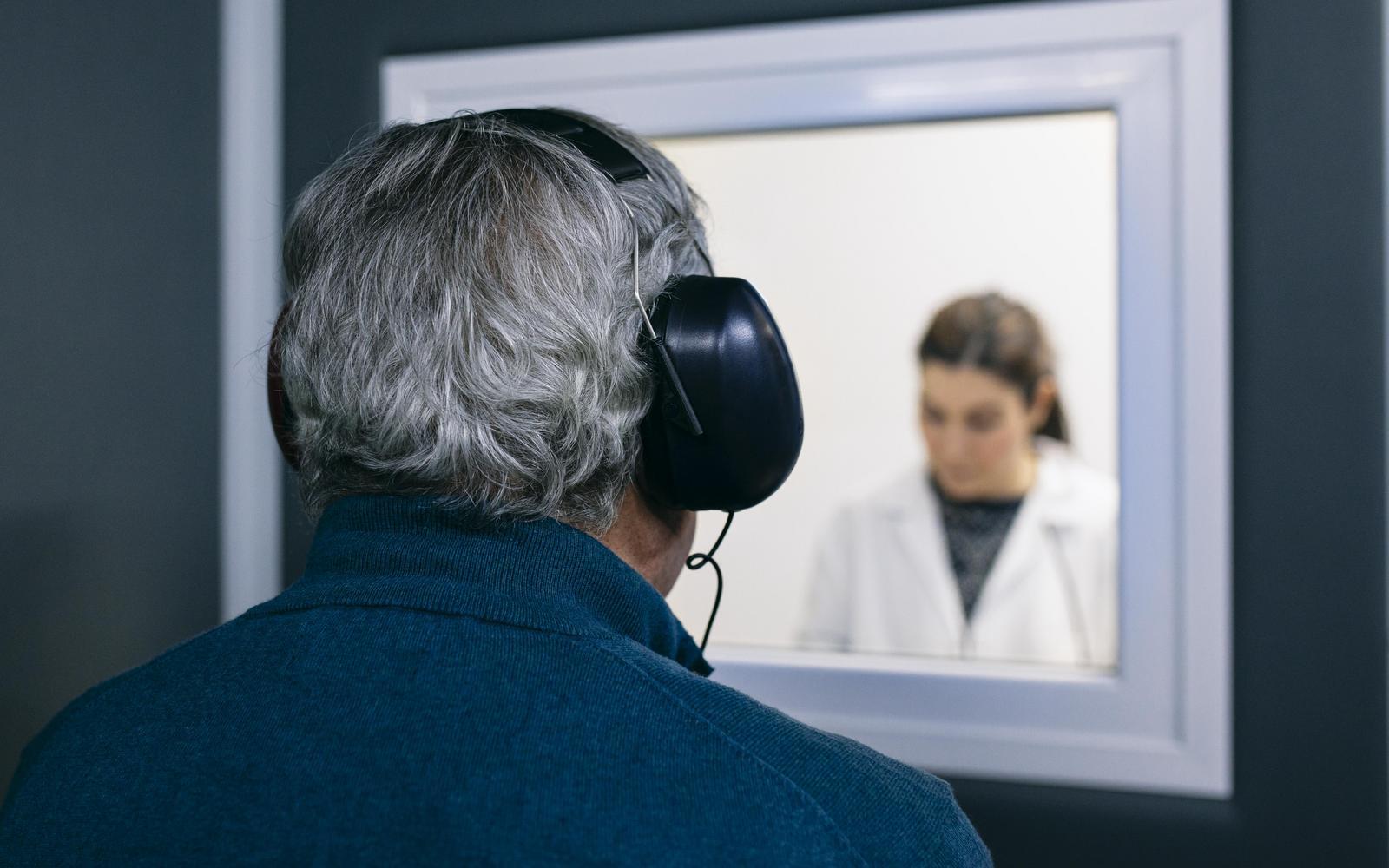
Hearing Aids for Usable Hearing
When the affected ear still possesses some functional hearing, a unilateral hearing aid can be a viable solution. These devices amplify sounds, making them clearer and louder for the wearer, thereby improving speech comprehension in quieter environments. However, a single hearing aid does not typically address the directional hearing or sound localization challenges posed by SSD.
CROS/BiCROS Hearing Aid Systems
For individuals with SSD where the better ear is unaffected, a CROS (Contralateral Routing of Signal) system offers a significant improvement. This innovative technology involves a transmitter worn on the deaf ear that picks up sound and wirelessly transmits it to a receiver worn on the better-hearing ear. This allows sounds from the "deaf" side to be heard by the "good" ear. A BiCROS system is used when the better ear also has some degree of hearing loss, providing amplification on that side in addition to routing sound from the deaf ear. While CROS/BiCROS systems enhance awareness of sounds from the poorer-hearing side, they do not restore the ability to accurately localize sound.
Bone Conduction Devices
Bone conduction devices offer a different approach by transmitting sound vibrations directly through the skull to the inner ear, bypassing the outer and middle ear. Systems like MED-EL’s ADHEAR (a non-surgical adhesive-based system) and BONEBRIDGE (a surgically implanted active bone conduction system) are designed to help individuals with SSD or conductive hearing loss. These devices can improve sound awareness and audibility. They are particularly beneficial as they do not block the ear canal, which can be important for individuals with certain ear conditions. However, similar to CROS systems, they do not fully restore sound localization capabilities. The effectiveness of bone conduction devices has been bolstered by clinical data showing significant improvements in speech understanding in noise and overall sound awareness for SSD patients. For example, studies have reported that individuals using bone conduction solutions can experience an improvement of up to 30% in speech comprehension in noisy environments compared to wearing no aid.
Cochlear Implants for Single-Sided Deafness
For individuals with severe to profound unilateral hearing loss, cochlear implants (CIs) represent a transformative treatment option. Unlike hearing aids that amplify sound, CIs bypass damaged parts of the ear and directly stimulate the auditory nerve, allowing the brain to interpret sound. In the context of SSD, cochlear implantation is a well-established treatment that can offer substantial benefits:
- Improved Speech Understanding in Noise: CIs can significantly enhance the ability to understand speech in challenging listening environments, a common difficulty for individuals with SSD.
- Enhanced Sound Localization: By providing auditory input to both ears (the natural hearing in one and the CI in the other), CIs can help restore some degree of sound localization, improving spatial awareness.
- Tinnitus Reduction: Many CI users report a significant reduction or complete elimination of tinnitus in the implanted ear.
- Improved Quality of Life: The restoration of hearing and improved communication capabilities often lead to a marked improvement in an individual’s overall quality of life, social engagement, and emotional well-being.
Receiving a cochlear implant involves a rigorous process that includes a comprehensive specialist assessment to determine candidacy. This evaluation typically involves detailed audiological testing, imaging studies to assess the cochlea and auditory nerve, and often a trial period with a hearing aid or bone conduction device to gauge potential benefits. The success of cochlear implantation in SSD has been well-documented, with numerous studies indicating high satisfaction rates among recipients, with many reporting feeling as though they have "two functional ears" again. For instance, a significant proportion of CI users with SSD report returning to activities like watching television without subtitles or participating in conversations in busy restaurants, which were previously challenging or impossible.

Next Steps for Those Suspecting Unilateral Hearing Loss
If you suspect you are experiencing unilateral hearing loss or any sudden changes in your hearing, taking proactive steps is crucial:
- Schedule a Hearing Test: Consult an audiologist or hearing healthcare professional for a comprehensive evaluation.
- Discuss Symptoms with Your Doctor: If you experience sudden hearing loss or unilateral tinnitus, seek immediate medical attention from an ENT specialist.
- Explore Treatment Options: Understand the range of available treatments and discuss with your healthcare provider which option best suits your specific needs and lifestyle.
- Consider the Impact on Daily Life: Reflect on how hearing loss affects your communication, safety, and overall well-being, and communicate these concerns to your medical team.
The Broader Implications of Unilateral Hearing Loss
The prevalence of unilateral hearing loss, while not as widely discussed as bilateral hearing impairment, affects millions globally. The implications extend beyond individual communication challenges, impacting educational attainment, workplace productivity, and social inclusion. As awareness grows and technological advancements in hearing restoration continue, the focus is shifting towards ensuring that individuals with SSD have access to timely diagnosis and effective, personalized treatment solutions. The development of sophisticated hearing solutions, from advanced hearing aids and bone conduction devices to life-changing cochlear implants, signifies a growing commitment to addressing the full spectrum of hearing loss and improving the lives of those affected. Public health initiatives aimed at early detection and intervention, particularly for sudden hearing loss, are vital to maximize recovery potential and prevent long-term consequences. The ongoing research and development in audiology and otolaryngology promise even more effective and accessible solutions in the future.
This article was originally published on February 17, 2026, by Dr. Yi Ge, Senior Manager of Medical Affairs at MED-EL Innsbruck.