


Unilateral hearing loss, characterized by reduced or absent hearing in one ear while the other ear maintains normal or near-normal function, presents a unique set of challenges that can significantly impact an individual’s daily life. When this loss is profound, it is also known as unilateral deafness, single-sided deafness (SSD), or one-sided deafness. This comprehensive guide delves into the intricacies of this condition, exploring its various causes, the urgent warning signs of sudden onset, the perplexing phenomenon of unilateral tinnitus without accompanying hearing loss, and the diverse spectrum of treatment options available, ranging from conventional hearing aids to cutting-edge bone conduction implants and cochlear implants.
Defining Unilateral Hearing Loss
At its core, unilateral hearing loss signifies a diminished capacity to perceive sound in a single ear. This impairment can manifest across a spectrum, from a mild reduction in auditory acuity to profound deafness in one ear. For those affected, sounds emanating from the compromised side may appear softer, less distinct, or more difficult to decipher. The onset and progression of this hearing loss can vary; it may be a transient episode, a fluctuating condition, a gradual decline, or a permanent deficit. When one ear possesses little to no functional hearing, the condition is frequently referred to as single-sided deafness (SSD).
The Enigma of One-Sided Deafness: Unraveling the Causes
The question "Why am I deaf in my right or left ear?" is a common and pressing concern for individuals experiencing unilateral hearing loss. The underlying reasons are multifaceted, spanning from readily addressable temporary obstructions to more complex sensorineural damage affecting the inner ear or the auditory nerve.
Causes Affecting Sound Transmission (Often Reversible):
These issues typically interfere with the physical passage of sound waves through the ear canal, the eardrum, or the middle ear ossicles. Fortunately, many of these causes are amenable to medical intervention and can lead to significant or complete hearing restoration.

- Earwax Impaction: An accumulation of cerumen can physically block the ear canal, muffling sounds and creating a sensation of fullness.
- Middle Ear Infections (Otitis Media): Inflammation and fluid buildup in the middle ear can impede the vibration of the eardrum and ossicles, affecting sound conduction. This is particularly common in children but can affect adults as well.
- Eustachian Tube Dysfunction: Problems with the tube connecting the middle ear to the nasopharynx can lead to pressure imbalances and fluid accumulation.
- Perforated Eardrum: A tear or hole in the eardrum can disrupt its ability to vibrate effectively, impacting sound transmission.
- Otosclerosis: A condition characterized by abnormal bone growth in the middle ear, which can immobilize the stapes bone and hinder sound conduction.
- Cholesteatoma: A non-cancerous skin growth that can develop in the middle ear and mastoid, potentially damaging delicate structures and affecting hearing.
Causes Affecting Sound Transduction (Inner Ear) or Neural Transmission (Auditory Nerve):
When the damage occurs within the cochlea (the organ of hearing in the inner ear) or along the auditory nerve, the condition is classified as unilateral sensorineural hearing loss. This type of hearing loss is typically permanent, as it involves damage to the delicate hair cells within the cochlea or the nerve fibers responsible for transmitting auditory signals to the brain.
- Age-Related Hearing Loss (Presbycusis): While often bilateral, presbycusis can sometimes manifest more prominently in one ear.
- Noise-Induced Hearing Loss: Prolonged exposure to loud noises, whether from occupational settings, recreational activities, or sudden impulse sounds, can damage the hair cells in the cochlea. This can be more pronounced in one ear if the noise source is consistently on that side.
- Viral or Bacterial Infections: Certain infections, such as meningitis, measles, mumps, or cytomegalovirus (CMV), can affect the inner ear or auditory nerve.
- Meniere’s Disease: This inner ear disorder is characterized by fluctuating hearing loss, tinnitus, vertigo, and a feeling of fullness in the ear, often affecting one ear initially.
- Acoustic Neuroma (Vestibular Schwannoma): A benign tumor that grows on the auditory nerve, it can compress the nerve and lead to progressive, unilateral hearing loss, tinnitus, and balance problems.
- Head Trauma or Injury: Traumatic brain injuries or direct blows to the head can damage the structures of the inner ear or the auditory nerve.
- Ototoxic Medications: Certain drugs, including some chemotherapy agents, antibiotics (like aminoglycosides), and high-dose aspirin, can be toxic to the inner ear and cause hearing loss, sometimes unilaterally.
- Vascular Issues: Reduced blood flow to the inner ear can lead to damage and hearing loss.
Less Common but Significant Causes:
- Autoimmune Inner Ear Disease (AIED): A rare condition where the body’s immune system attacks the inner ear.
- Congenital Abnormalities: Some individuals may be born with underdeveloped or absent structures in one ear.
- Idiopathic Causes: In a notable percentage of cases, even after thorough medical evaluation, the precise cause of unilateral hearing loss remains elusive.
The Alarming Red Flags: Urgent Warning Signs of Sudden Unilateral Hearing Loss
Sudden unilateral hearing loss is a medical emergency that demands immediate attention. This rapid onset, typically occurring over a period of hours to a few days, is often described by individuals as waking up with a sensation of a blocked or muffled ear. This abrupt change is frequently associated with sudden sensorineural hearing loss (SSNHL).
Immediate Actions for Sudden Unilateral Hearing Loss:
- Seek Emergency Medical Care: Contact your physician or proceed to the nearest emergency room without delay.
- Undergo a Hearing Evaluation: A prompt audiometric assessment is crucial to determine the extent and nature of the hearing loss.
- Consider Prompt Treatment: Early intervention, often involving corticosteroids, can significantly improve the chances of hearing recovery. The effectiveness of treatment is highly time-sensitive.
The urgency stems from the potential for irreversible damage to the inner ear or auditory nerve if treatment is delayed. Studies have shown that timely intervention, particularly within the first 72 hours of symptom onset, offers the best prognosis for regaining hearing function. For instance, research published in the Laryngoscope journal has indicated that prompt corticosteroid therapy can lead to partial or complete recovery in a significant percentage of SSNHL cases.

The Puzzling Case of Unilateral Tinnitus Without Hearing Loss
The experience of unilateral tinnitus – a perception of ringing, buzzing, or other sounds in one ear without an apparent accompanying hearing deficit – can be equally disconcerting. While a standard hearing test might yield normal results, tinnitus can still arise from subtle underlying issues.
Possible Explanations for Unilateral Tinnitus Without Apparent Hearing Loss:
- Early-Stage Sensorineural Hearing Loss: Tinnitus can sometimes be an early indicator of damage to the inner ear or auditory nerve that has not yet progressed to a level detectable by standard audiometry. This subtle damage might affect the perception of specific frequencies.
- Vascular Abnormalities: Pulsatile tinnitus, which sounds like a heartbeat in the ear, can sometimes be unilateral and may be related to blood flow abnormalities near the ear.
- Neurological Factors: While rare, conditions affecting the auditory pathways in the brain can manifest as unilateral tinnitus.
- Temporomandibular Joint (TMJ) Disorders: Issues with the jaw joint can sometimes refer sound sensations to the ear.
- Medication Side Effects: Certain medications can cause tinnitus as a side effect, and it may manifest unilaterally.
When to Seek Medical Attention for Unilateral Tinnitus:
- If the tinnitus is unilateral.
- If it is pulsatile (matches your heartbeat).
- If it is accompanied by dizziness or vertigo.
- If it is persistent or worsening.
- If it significantly impacts your quality of life.
Unilateral tinnitus, even in the absence of overt hearing loss, warrants a thorough medical investigation to rule out serious underlying conditions and to explore potential management strategies.
Navigating Treatment Options for Unilateral Hearing Loss
The optimal treatment strategy for unilateral hearing loss is highly individualized, taking into account the degree of hearing loss in the affected ear, the patient’s specific listening needs, and their overall lifestyle. A multidisciplinary approach involving audiologists and otolaryngologists is essential for comprehensive management.
Medical Management
For hearing loss attributable to conductive issues, such as earwax impaction or middle ear infections, medical or surgical treatment of the underlying condition can often restore hearing to normal or near-normal levels. For example, the removal of impacted earwax is a simple in-office procedure, while surgical interventions like myringoplasty for a perforated eardrum or tympanoplasty for middle ear reconstruction can be highly effective.
Hearing Aids for Usable Hearing
When the affected ear still possesses some degree of usable hearing, a unilateral hearing aid can be a valuable tool. These devices amplify sounds for the impaired ear, thereby improving speech understanding, particularly in quieter environments. However, it’s important to note that a single hearing aid does not address the binaural hearing challenges associated with SSD.
CROS and BiCROS Hearing Aid Systems
For individuals with single-sided deafness where the better ear cannot be adequately amplified without feedback or occlusion, Contralateral Routing of Signal (CROS) systems offer a technological solution. A CROS system consists of a transmitter worn on the deaf ear, which picks up sound and transmits it wirelessly to a receiver worn on the better-hearing ear. This allows sounds from the deaf side to be heard by the hearing ear. A BiCROS system is used when the better ear also has some degree of hearing loss, providing amplification in addition to routing the signal from the deaf ear. While CROS/BiCROS systems significantly enhance sound awareness on the poorer-hearing side, they do not fully restore the ability to localize sound.
Bone Conduction Devices
Bone conduction devices offer an alternative approach for individuals with SSD or conductive hearing loss. These systems work by transmitting sound vibrations through the skull directly to the cochlea, bypassing the outer and middle ear. Devices like MED-EL’s ADHEAR (a non-surgical adhesive system) and BONEBRIDGE (a surgically implanted active transcutaneous bone conduction system) can provide improved sound awareness. They are particularly beneficial as they do not block the ear canal, allowing for natural sound perception in the better ear. However, similar to CROS systems, they do not restore binaural hearing or sound localization capabilities.
Cochlear Implants for Single-Sided Deafness
Cochlear implants (CIs) represent a more advanced and transformative solution for individuals with severe to profound unilateral hearing loss. Unlike hearing aids that amplify sound, CIs bypass damaged parts of the inner ear and directly stimulate the auditory nerve with electrical signals. For SSD, cochlear implantation has emerged as a highly effective option, offering significant benefits that extend beyond simply hearing sound.
Benefits of Cochlear Implants for SSD:
- Improved Speech Understanding in Noise: CIs can dramatically enhance the ability to understand speech in noisy environments, a common challenge for individuals with SSD.
- Restored Sound Localization: The brain, with input from both ears (even if one is a CI), can learn to better perceive the direction of sounds, a crucial skill for safety and spatial awareness.
- Tinnitus Reduction: Many CI users report a significant reduction or complete cessation of tinnitus in the implanted ear.
- Enhanced Quality of Life: By improving communication, safety, and reducing tinnitus, CIs can lead to a substantial improvement in overall well-being and engagement in daily activities.
The candidacy for a cochlear implant for SSD is determined through a rigorous specialist assessment and evaluation process. This typically involves comprehensive audiological testing, imaging studies (such as MRI to assess the auditory nerve and cochlea), and a thorough medical examination. MED-EL, a leading innovator in hearing implant systems, offers advanced cochlear implant solutions designed to optimize outcomes for individuals with SSD.

Next Steps for Suspected Unilateral Hearing Loss
If you suspect you are experiencing unilateral hearing loss, a structured approach to diagnosis and management is recommended:
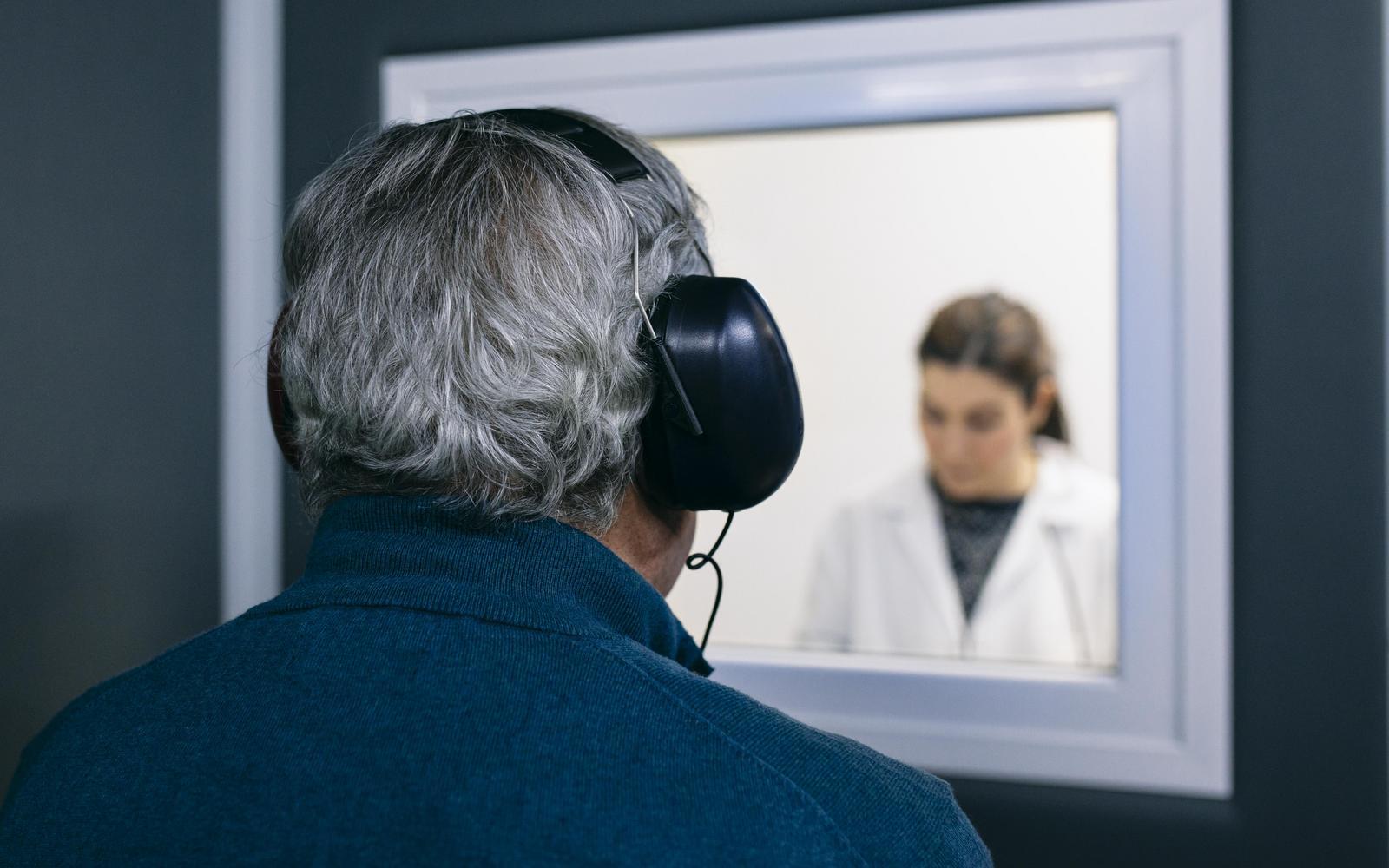
- Schedule an Audiological Evaluation: This is the foundational step to accurately assess your hearing in both ears and identify the type and degree of loss.
- Consult an Otolaryngologist (ENT Doctor): A medical doctor specializing in ear, nose, and throat conditions can diagnose the underlying cause of your hearing loss and recommend appropriate medical or surgical treatments.
- Discuss All Treatment Options: Engage in an open dialogue with your healthcare providers about the full range of available solutions, including hearing aids, bone conduction devices, and cochlear implants, considering your individual needs and lifestyle.
- Consider a Free Online Hearing Test: As a preliminary screening tool, an online hearing test can offer a quick assessment of your hearing capabilities and encourage you to seek professional evaluation if concerns arise.
Unilateral hearing loss is a condition that, while challenging, is increasingly manageable with advancements in audiology and medical technology. By understanding its causes, recognizing its symptoms, and exploring the available treatment options, individuals can take proactive steps towards improving their hearing and overall quality of life.
Disclaimer: The content provided in this article is for general informational purposes only and does not constitute medical advice. It is essential to consult with a qualified healthcare professional for any health concerns or before making any decisions related to your health or treatment. Not all products and features mentioned may be approved in all countries.