

The vestibular system, a sophisticated network located within the inner ear, serves as the body’s primary mechanism for maintaining balance, spatial orientation, and gaze stability. When the vestibular nerve—the vital conduit responsible for transmitting motion and gravity data from the ear to the brain—is compromised, the result is often a profound and debilitating disruption of daily life. For many patients, the journey from an acute injury to a state of being "mostly better" is marked by a complex interplay of neurological recalibration, physical sensitivity, and the persistent risk of symptom recurrence triggered by seemingly benign activities, such as receiving a massage or maintaining specific head positions.
The Functional Anatomy of the Vestibular System
The vestibular nerve, or the eighth cranial nerve, is a critical component of the sensory system. It originates in the vestibular apparatus of the inner ear, which includes the semicircular canals and the otolith organs. These structures detect rotational movements and linear acceleration, respectively. This data is converted into electrical signals and sent via the vestibular nerve to the vestibular nuclei in the brainstem and the cerebellum.
The brain integrates this information with visual input and proprioceptive signals from the muscles and joints to create a cohesive understanding of where the body is in space. When the vestibular nerve is damaged—a condition often referred to as vestibular neuritis or labyrinthitis—the flow of information becomes asymmetrical or nonexistent. The brain suddenly receives conflicting data, leading to the hallmark symptoms of vestibular dysfunction: vertigo, nausea, oscillopsia (the illusion that the environment is shaking), and significant motion sensitivity.
Chronology of a Vestibular Injury and the Recovery Process
The progression of a vestibular disorder typically follows a distinct chronological path, though the duration of each phase varies significantly between individuals.
The Acute Phase
The onset of a vestibular nerve injury is often sudden and dramatic. Patients frequently report a "spinning" sensation that can last for several days. During this window, the nervous system is in a state of crisis as it attempts to reconcile the loss of input from one side of the balance system. Medical intervention during this phase focuses on symptom management, often utilizing vestibular suppressants or anti-nausea medications.
The Sub-Acute Phase and Compensation
As the initial inflammation or irritation of the nerve subsides, the brain begins a process known as central compensation. Because the damaged nerve may never fully return to its baseline function, the brain must learn to ignore the faulty signals and rely more heavily on the healthy ear, vision, and touch. This neurological "rewiring" is the cornerstone of recovery. It is during this phase that patients often begin Vestibular Rehabilitation Therapy (VRT), a specialized form of physical therapy designed to accelerate compensation through targeted exercises.
The Chronic or "Residual" Phase
Many patients eventually reach a plateau where they feel "mostly better." However, this state is often fragile. While the brain has compensated for the injury under normal circumstances, its "reserve" is lowered. High-stress situations, fatigue, or unusual sensory environments can overwhelm the brain’s compensated state, leading to a temporary return of symptoms. This phenomenon explains why individuals who have recovered from an initial injury may still experience incapacitating dizziness years later when exposed to specific triggers.
Analyzing the Impact of Muscle Tension and Proprioception
One of the most frequent points of confusion for patients is the relationship between muscle tightness, spinal alignment, and vestibular symptoms. While the vestibular nerve itself is housed deep within the temporal bone of the skull and is not typically compressed by external muscles or vertebrae, the neck plays a secondary but vital role in balance.
The neck contains a high density of muscle spindles that provide the brain with proprioceptive information—data about the position of the head relative to the body. This is known as the cervicocollic reflex. When a patient experiences a vestibular injury, they often subconsciously stiffen their neck and shoulder muscles to "guard" their head and limit movement that might cause dizziness.
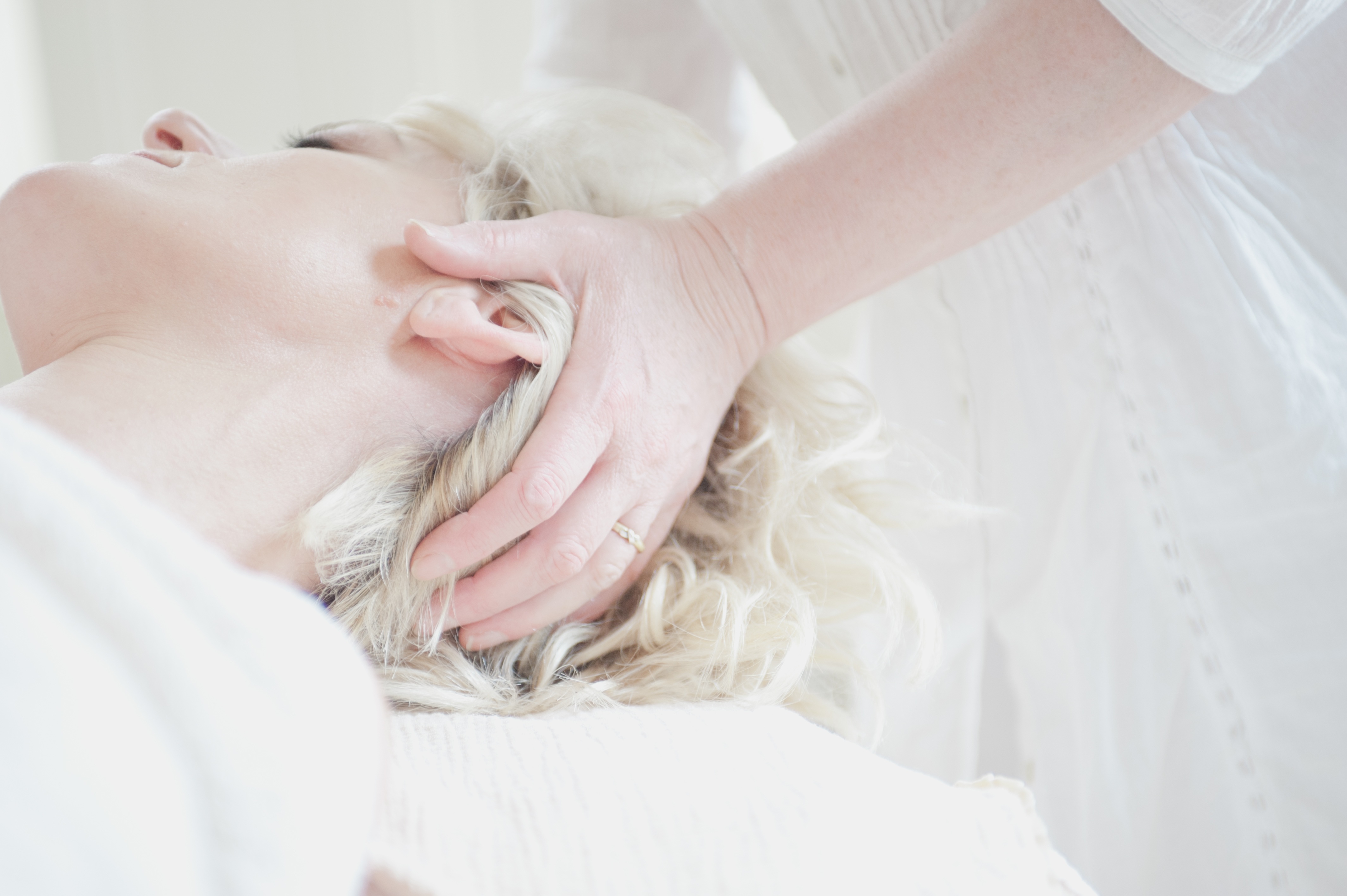
Over time, this chronic muscle tension can create its own sensory interference. If the neck muscles are excessively tight or fatigued, the proprioceptive signals they send to the brain may become "noisy" or inaccurate. When the brain receives faulty data from the neck on top of the already compromised data from the vestibular nerve, the result is an increase in disorientation and motion sensitivity. This creates a feedback loop where dizziness leads to tension, and tension leads to further dizziness.
The Challenge of Physical Therapy and Massage Positions
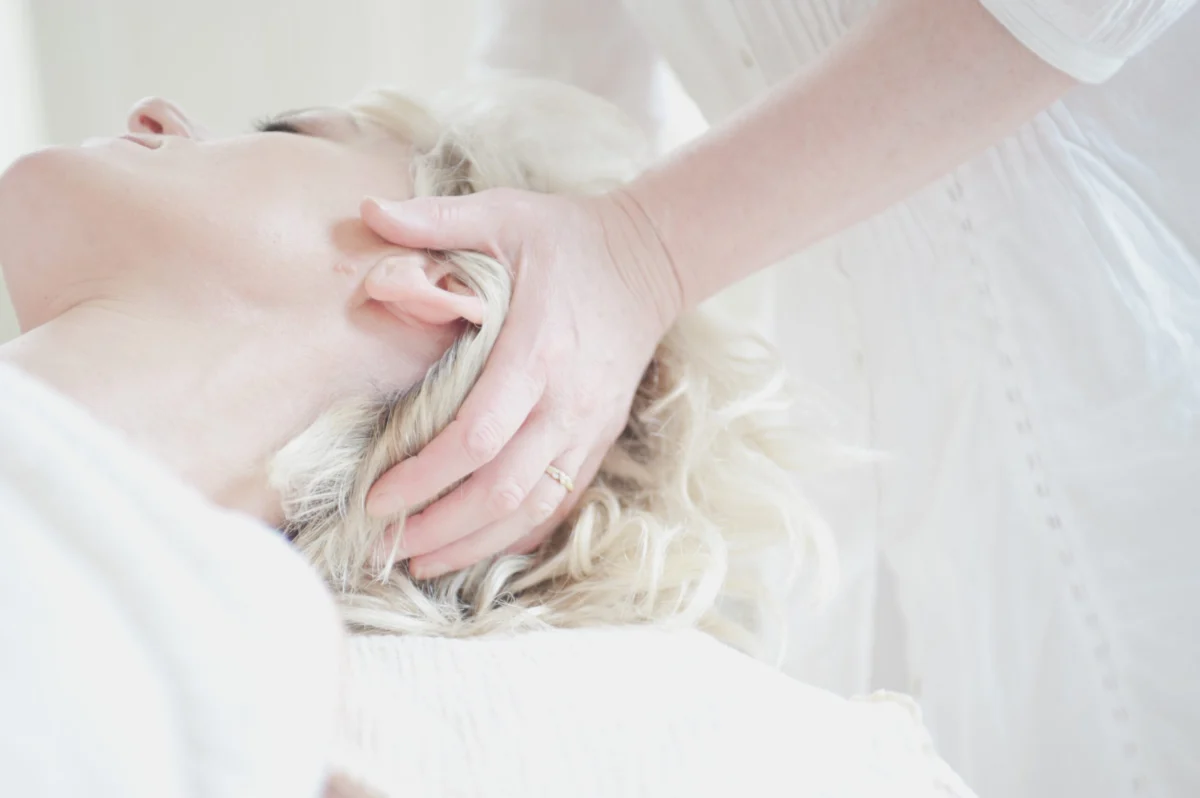
The specific case of symptoms arising during a massage highlights the vulnerability of a compensated vestibular system. Being face-down (prone) in a massage cradle for an extended period presents several challenges:
- Sustained Head Positioning: Maintaining the head in a fixed, downward-tilted position can alter the fluid dynamics within the inner ear and place unique strain on the cervical proprioceptors.
- Visual Deprivation: In a face-down position, the patient loses the visual "anchor" that the brain uses to compensate for vestibular deficits. Without sight to confirm stability, the brain must rely entirely on the damaged vestibular system and the potentially "noisy" neck muscles.
- Pressure Changes: Deep tissue work on the neck and upper back can temporarily alter blood flow or stimulate nerves that the brain, in its heightened state of sensitivity, interprets as a threat to balance.
- The Transition Period: Moving from a prolonged prone position to standing up requires a rapid recalibration of the vestibular-ocular reflex (VOR). For a brain that has learned to be cautious, this transition can trigger a "vestibular migraine" or a bout of motion sickness.
Supporting Data and Prevalence of Vestibular Disorders
Data from the National Institute on Deafness and Other Communication Disorders (NIDCD) suggests that vestibular disorders are a significant public health concern. Approximately 35% of U.S. adults aged 40 years and older—roughly 69 million people—have experienced some form of vestibular dysfunction.
Furthermore, research indicates that vestibular issues are a leading cause of falls in the elderly, contributing to significant healthcare costs. A study published in the Journal of Vestibular Research found that patients with chronic vestibular symptoms often suffer from a decreased quality of life comparable to those with chronic heart disease or severe arthritis. The economic impact is also substantial, with billions of dollars lost annually due to missed work and the high cost of diagnostic testing, which often involves multiple specialist visits before a correct diagnosis is reached.
Clinical Perspectives and Management Strategies
Medical professionals, including Doctors of Physical Therapy (DPT) specializing in vestibular care, emphasize that recovery is rarely a straight line. "Central compensation is a robust process, but it is not invincible," notes the clinical consensus among vestibular specialists.
To manage recurring symptoms, clinicians recommend several strategies:
- Modified Positioning: For patients who enjoy massage, practitioners suggest side-lying or semi-reclined positions instead of the traditional face-down posture. This allows the head to remain in a more neutral alignment.
- Incremental Exposure: Gradually reintroducing movements that cause sensitivity can help the brain "desensitize" to the stimulus.
- Stress Management: Because the vestibular system is closely linked to the autonomic nervous system, high levels of cortisol and adrenaline can exacerbate dizziness. Mindful breathing and stress reduction are often clinical recommendations for vestibular health.
- Hydration and Nutrition: Fluctuations in inner ear fluid (endolymph) can be influenced by salt intake and hydration levels, making dietary consistency an important factor for some patients.
Broader Implications and Future Outlook
The long-term management of vestibular nerve injuries has broader implications for how the medical community approaches "invisible" disabilities. Because patients often look healthy and their primary diagnostic tests (like MRIs) may come back clear, their symptoms are sometimes dismissed as psychological or minor. However, the neurological reality of a sensitive vestibular system is a physical condition that requires specialized understanding.
As research into neuroplasticity advances, there is growing hope for more effective treatments for chronic motion sensitivity. Technologies such as vestibular implants—similar to cochlear implants—are currently in clinical trials and may one day provide a solution for those with bilateral vestibular loss.
For the millions of individuals living with the aftermath of a vestibular injury, the path forward involves a combination of patience, specialized physical therapy, and an understanding that the body’s balance system is an intricate, interconnected web. While the nerve may have been "tweaked" or injured in the past, the brain’s ability to adapt remains its greatest asset, provided the environment and physical stresses are managed with care. Supporting those with these conditions requires recognizing that "mostly better" is a milestone, but the journey toward total stability is an ongoing process of neurological maintenance.