


The human experience of sound is fundamental to connection, learning, and overall well-being. Yet, many individuals encounter changes in their hearing at various stages of life, ranging from subtle shifts to significant impairments. These auditory alterations can manifest gradually or abruptly, affecting people of all ages. A comprehensive understanding of the causes of hearing loss is crucial for navigating these changes, making informed decisions, and exploring available pathways to restoring auditory function and enhancing quality of life.
The Intricacies of Hearing: A Journey from Sound Waves to Brain Signals
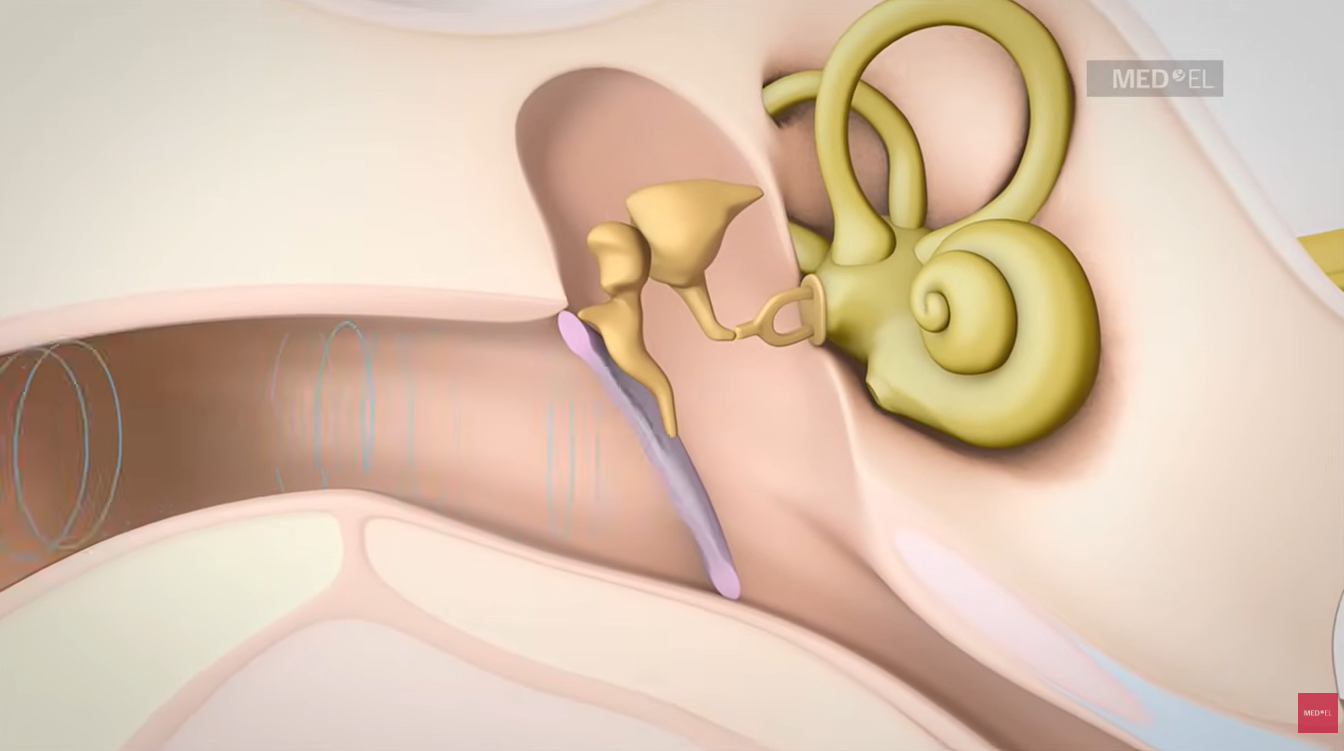
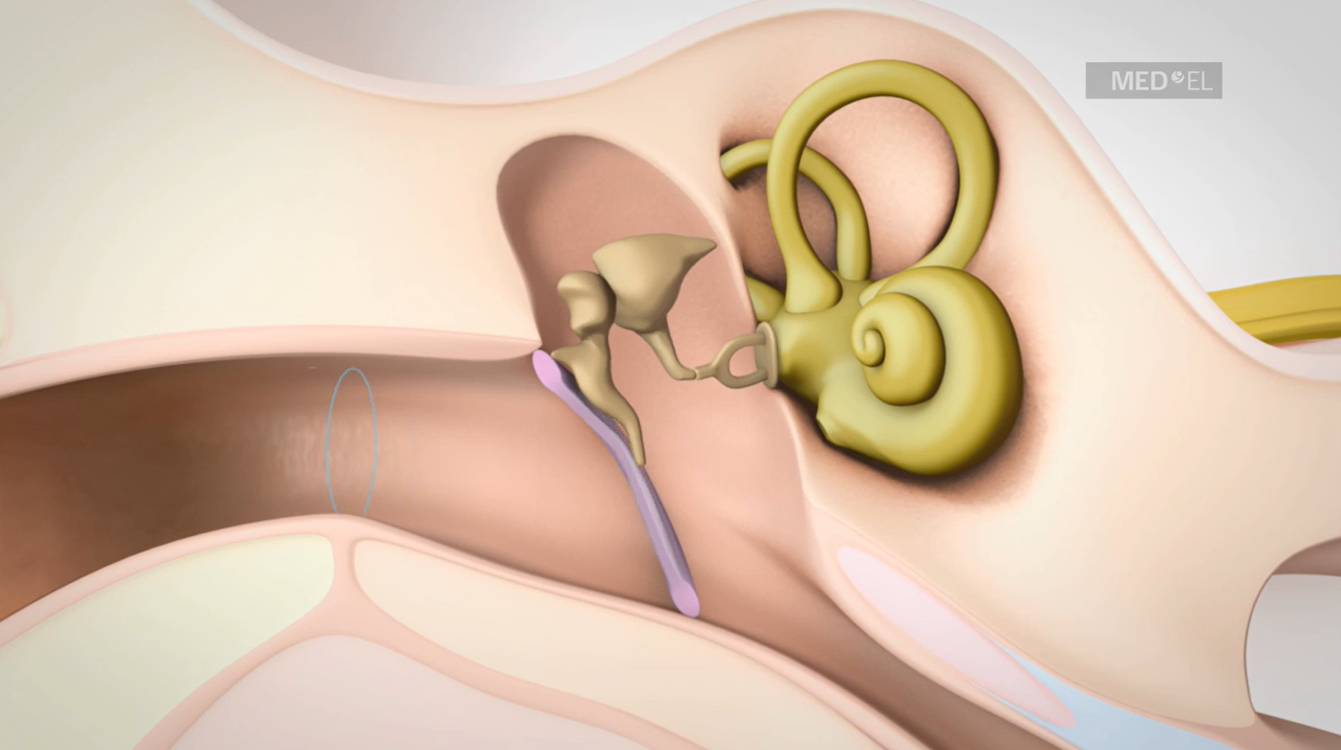
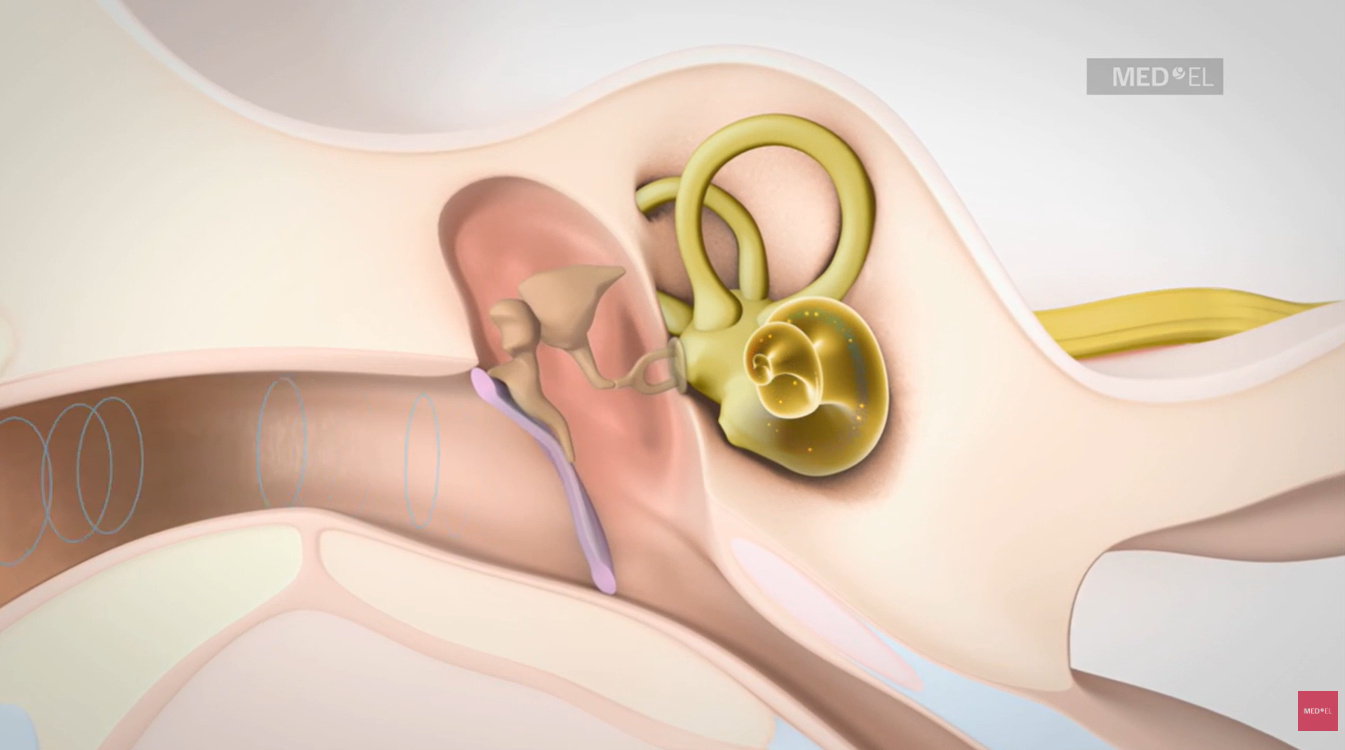
To grasp the complexities of hearing loss, it is essential to first understand the remarkable process of hearing itself. Sound, in the form of acoustic waves, embarks on a journey from the environment through the outer ear. Here, the pinna and ear canal work in concert to capture and channel these vibrations towards the eardrum. The eardrum, a taut membrane, vibrates in response to these incoming waves.
These vibrations are then transmitted to the middle ear, a small, air-filled cavity containing three tiny bones known as the ossicles: the malleus, incus, and stapes. These ossicles act as a sophisticated mechanical amplifier, transferring and intensifying the sound vibrations before transmitting them to the inner ear.
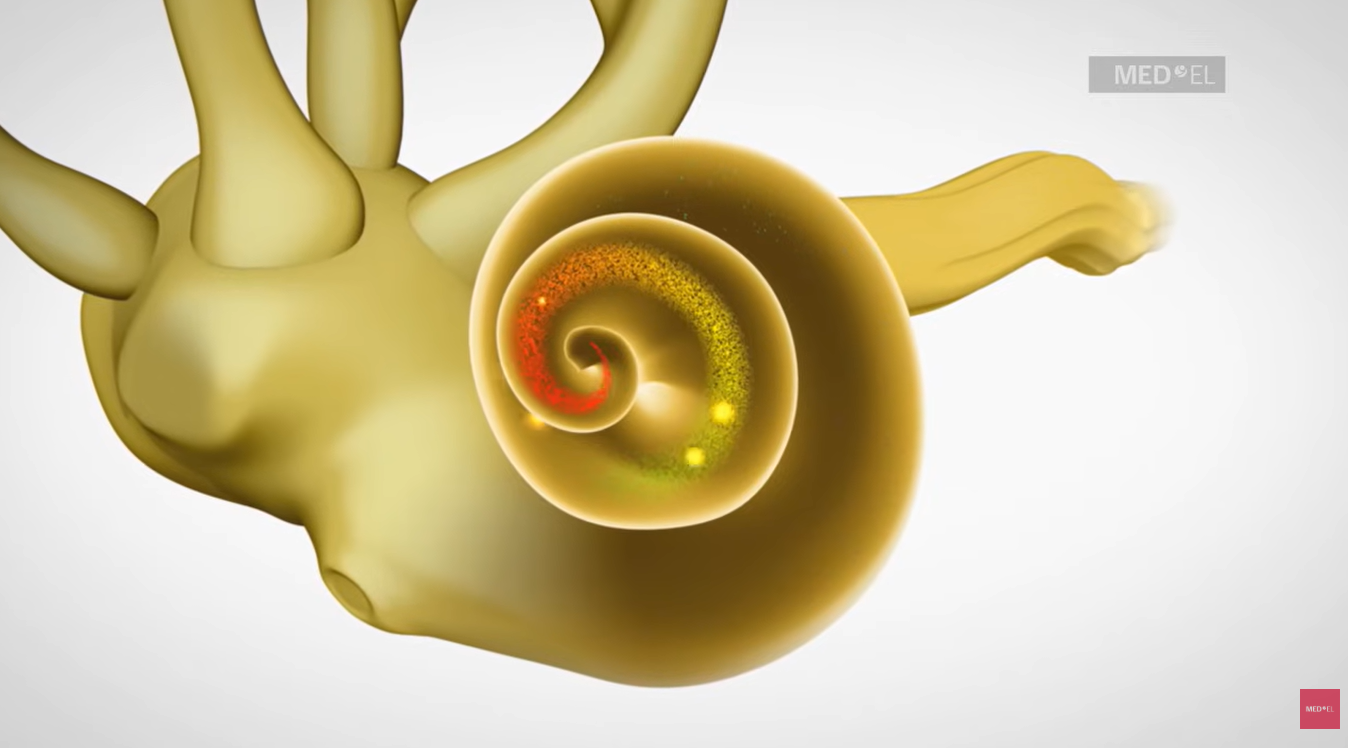
The inner ear, a marvel of biological engineering, houses the cochlea, a fluid-filled, snail-shaped structure. Within the cochlea reside thousands of delicate sensory hair cells. As the fluid moves in response to the incoming vibrations, these hair cells bend and flex. This mechanical motion is converted into electrical signals, which are then transmitted along the auditory nerve to the brain. It is within the brain that these electrical impulses are interpreted and recognized as sound, allowing us to comprehend speech, appreciate music, and perceive our auditory surroundings. Hearing loss can occur at any point along this intricate pathway, disrupting the seamless transmission and interpretation of sound.

Categorizing Auditory Impairment: Types of Hearing Loss
Hearing professionals classify hearing loss into distinct categories based on the specific part of the auditory system that is affected. This categorization is vital for accurately diagnosing the root cause and determining the most effective treatment strategies. Hearing loss can also be categorized by its duration, being either temporary or permanent.
Sensorineural Hearing Loss: Damage to the Inner Ear and Auditory Nerve
Sensorineural hearing loss (SNHL) arises from damage to the inner ear, specifically the cochlear hair cells, or to the auditory nerve itself. This form of hearing loss is the most prevalent, accounting for the majority of cases diagnosed.
Common Causes of Sensorineural Hearing Loss:
- Age-Related Hearing Loss (Presbycusis): As individuals age, natural physiological changes occur within the inner ear. These changes, including wear and tear on the hair cells and auditory nerve, lead to a gradual, typically bilateral, decline in hearing, particularly affecting higher frequencies. Presbycusis is generally irreversible.
- Noise-Induced Hearing Loss (NIHL): Prolonged or intense exposure to loud noises is a significant contributor to SNHL. This can result from occupational noise, recreational activities such as attending loud concerts or using power tools without protection, or sudden, extremely loud events. The cumulative effect of noise damage to the delicate hair cells is often permanent. Data from the World Health Organization (WHO) indicates that at least 1.1 billion young people globally are at risk of hearing loss due to unsafe listening practices.
- Ototoxic Medications: Certain medications, including some antibiotics, chemotherapy drugs, and high-dose aspirin, can have a toxic effect on the inner ear, leading to SNHL.
- Genetic Factors: Hereditary predispositions can play a role in the development of SNHL, with some individuals being more susceptible to hearing loss from an early age.
- Certain Illnesses: Diseases such as Meniere’s disease, meningitis, and viral infections can damage the inner ear or auditory nerve.
Due to the non-regenerative nature of inner ear hair cells, SNHL is often permanent. However, advancements in hearing technology offer significant potential for restoring communicative abilities.
Conductive Hearing Loss: Obstructions in the Outer and Middle Ear
Conductive hearing loss occurs when sound waves are unable to travel efficiently through the outer or middle ear to reach the inner ear. This type of hearing loss is often treatable and can sometimes be temporary.
Common Causes of Conductive Hearing Loss:
- Earwax Blockage: An accumulation of earwax can physically obstruct the ear canal, preventing sound from reaching the eardrum.
- Ear Infections (Otitis Media): Infections in the middle ear can lead to fluid buildup, which interferes with the vibration of the eardrum and ossicles. Chronic or recurrent ear infections, particularly in children, can lead to significant conductive hearing loss.
- Perforated Eardrum: A tear or hole in the eardrum, often caused by injury or infection, can impair its ability to vibrate effectively.
- Otosclerosis: This condition involves abnormal bone growth in the middle ear, which can impede the movement of the stapes bone, thus affecting sound transmission.
- Structural Abnormalities: Congenital or acquired structural issues in the outer or middle ear can also result in conductive hearing loss.
Many causes of conductive hearing loss can be resolved with medical intervention, such as removing earwax, treating infections, or surgical repair of the eardrum.
Mixed Hearing Loss: A Combination of Issues
Mixed hearing loss is characterized by the presence of both sensorineural and conductive components. This means that there is damage to the inner ear or auditory nerve, combined with a problem in the outer or middle ear that impedes sound conduction. Treatment for mixed hearing loss is often more complex and requires a personalized approach, addressing both contributing factors.
The Critical Importance of Diagnosis: Understanding the "Why"
Identifying the precise cause of hearing loss is not merely an academic exercise; it is fundamental to effective management and treatment. A definitive diagnosis allows healthcare professionals to:
- Tailor Treatment Plans: Different types and causes of hearing loss necessitate distinct therapeutic interventions. For instance, a treatable ear infection requires a different approach than age-related sensorineural hearing loss.
- Prevent Further Damage: Understanding the cause can help in implementing strategies to protect any remaining hearing function and prevent the progression of the loss.
- Manage Expectations and Plan for the Future: Knowing the underlying reason for hearing impairment provides clarity and enables individuals to make informed decisions about assistive listening devices and long-term communication strategies. Early identification of causes can also inform prognosis and the potential for recovery.
Navigating the Diagnostic Pathway: Hearing Tests and Professional Evaluation
The journey to understanding hearing loss typically begins with recognizing the subtle or overt signs that indicate a change in auditory perception. These signs can include difficulty understanding speech in noisy environments, asking for repetitions, turning up the volume on television or radio, experiencing ringing in the ears (tinnitus), or feeling that others are mumbling.
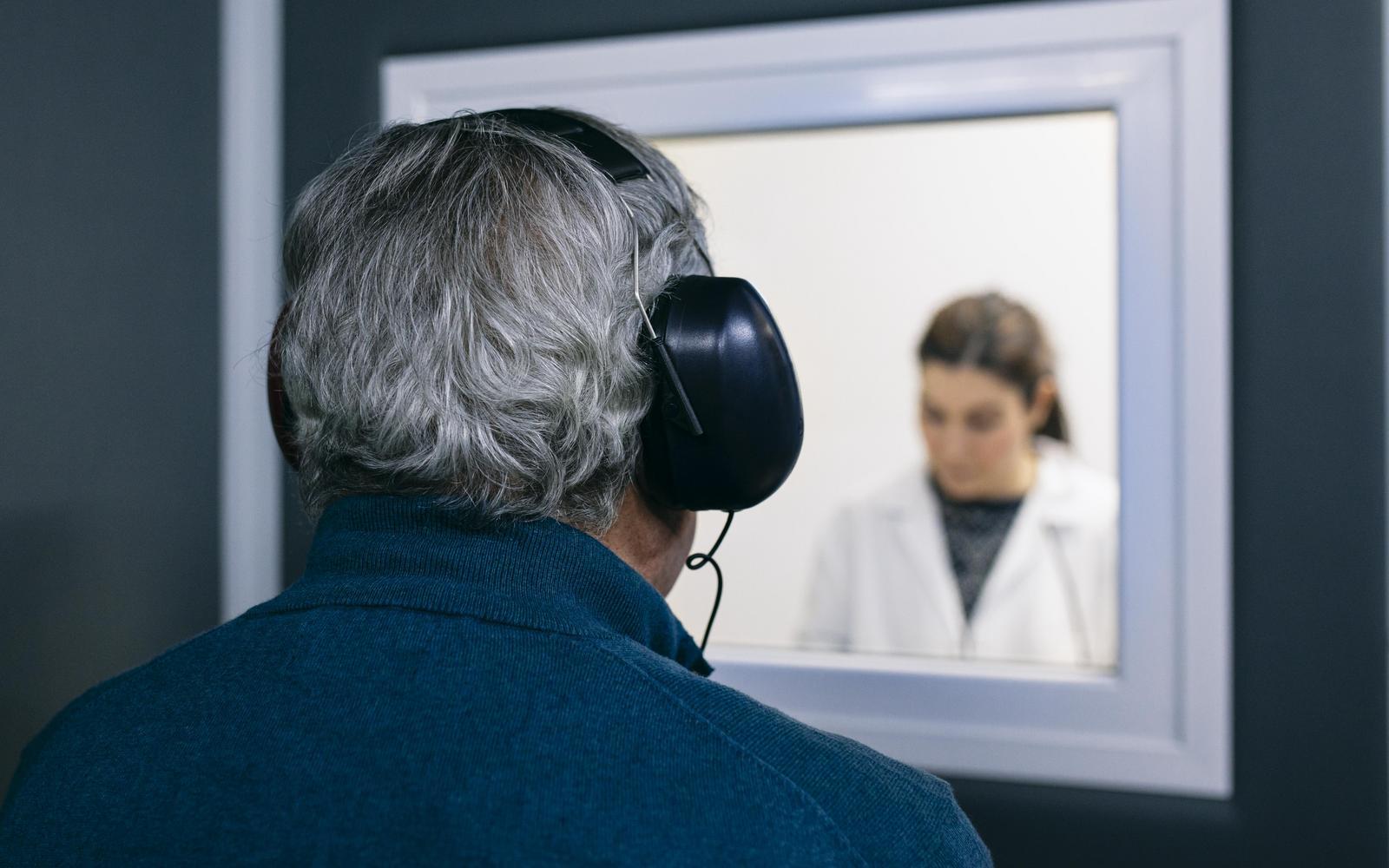
The cornerstone of diagnosis is a professional hearing assessment. These tests are non-invasive and designed to accurately measure an individual’s hearing capabilities across a range of frequencies and intensities.
- Pure-Tone Audiometry: This is the most common type of hearing test. It involves presenting a series of tones at different pitches and volumes to each ear, and the individual indicates when they can hear the sound. The results are plotted on an audiogram, a graph that maps hearing thresholds.
- Speech Audiometry: This test assesses an individual’s ability to understand spoken words at various volumes, often in the presence of background noise. It helps to gauge the practical impact of hearing loss on communication.
- Tympanometry: This test measures the function of the middle ear, including the eardrum’s movement and the pressure within the middle ear space. It is particularly useful for identifying conductive hearing loss issues such as fluid buildup or eardrum perforations.
- Otoacoustic Emissions (OAEs): This test measures the "echoes" produced by the inner ear in response to sound. It is often used to screen hearing in infants and to assess the function of the outer hair cells in the cochlea.
While professional testing is essential, preliminary self-assessment tools like online hearing tests can offer an initial indication of potential hearing issues, encouraging individuals to seek professional consultation.

Therapeutic Horizons: Restoring Sound and Reconnecting Lives
The landscape of hearing loss treatment has evolved dramatically, offering a spectrum of solutions designed to address diverse needs and severities of impairment. The optimal treatment strategy is intricately linked to the identified cause and type of hearing loss.
When Hearing Aids Offer a Solution
For many individuals with mild to moderate sensorineural, conductive, or mixed hearing loss, hearing aids serve as a highly effective assistive device. These sophisticated electronic instruments work by amplifying sounds, making them audible to the wearer. Modern hearing aids are discreet, customizable, and equipped with advanced features to enhance speech understanding in challenging listening environments. Their selection is based on a comprehensive assessment of the individual’s hearing profile, lifestyle, and personal preferences, ensuring optimal benefit.
The Transformative Power of Cochlear Implants
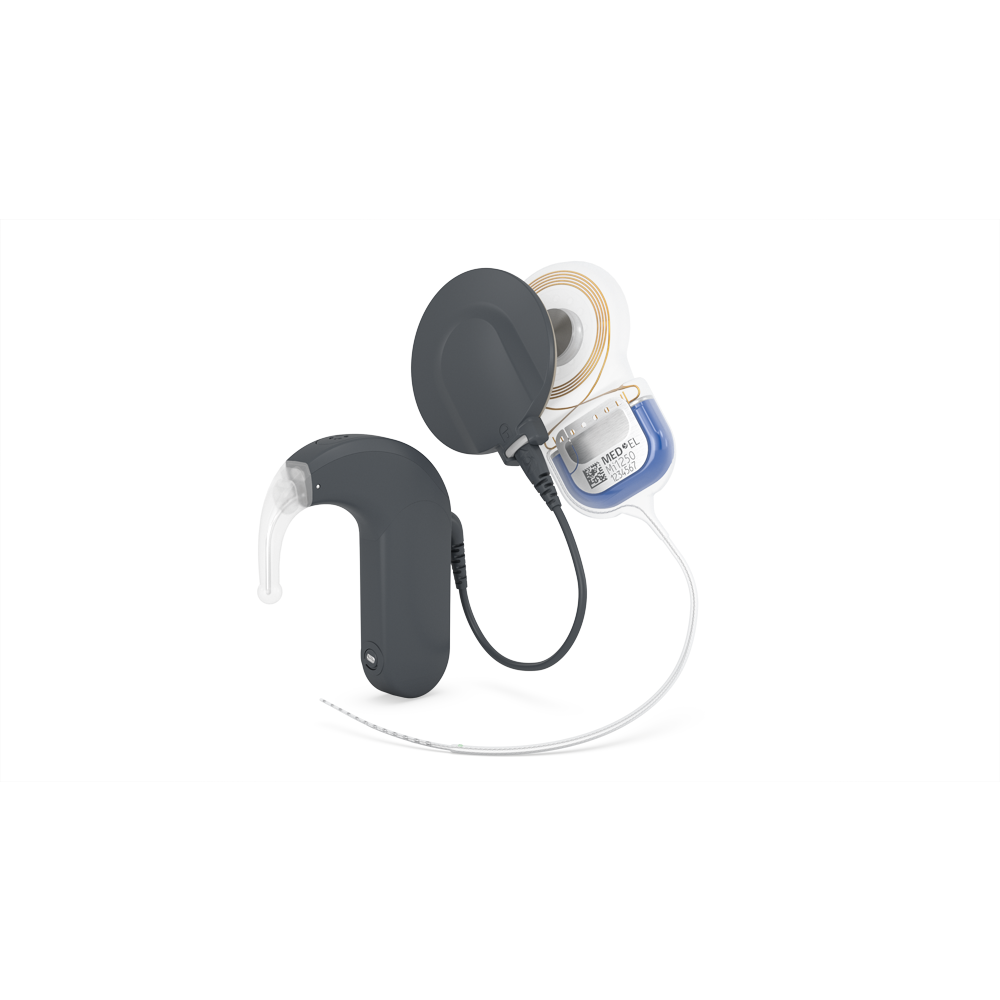
When hearing aids no longer provide sufficient benefit, particularly in cases of severe to profound sensorineural hearing loss, cochlear implants emerge as a powerful alternative. Unlike hearing aids that amplify sound, cochlear implants bypass the damaged parts of the inner ear. They convert sound into electrical signals that are directly transmitted to the auditory nerve, which then relays these signals to the brain.
Cochlear implants represent a significant medical advancement, offering the potential to restore a sense of sound and profoundly improve communication abilities for individuals who would otherwise experience limited benefit from conventional hearing aids. They are an option for both adults and children, depending on the specific diagnosis and the potential for improved auditory perception. Global adoption of cochlear implants has steadily increased, with the number of implanted individuals projected to grow significantly in the coming years, driven by increased awareness and technological innovation.
Other Advanced Hearing Solutions
Beyond hearing aids and cochlear implants, a range of other sophisticated devices can address specific types of hearing loss:

- Bone Conduction Devices: These devices transmit sound vibrations directly to the inner ear through the bones of the skull. They are particularly beneficial for individuals with conductive or mixed hearing loss, or single-sided deafness, where conventional hearing aids may not be effective.
- Middle Ear Implants: These semi-implantable or fully implantable devices can be an option for certain types of conductive, mixed, or sensorineural hearing losses, especially when conventional hearing aids are not suitable or provide insufficient amplification. They are designed to enhance the natural hearing mechanism.
Taking Proactive Steps: The Path Forward
For anyone experiencing concerns about changes in their hearing, the most crucial step is to take immediate action. The pathway to regaining auditory clarity and improving overall quality of life begins with a commitment to understanding and addressing the issue.
- Initiate Self-Assessment: Begin by taking an online hearing test to gain an initial understanding of your hearing capabilities.
- Seek Professional Evaluation: Schedule an appointment with a qualified audiologist or hearing healthcare professional for a comprehensive hearing assessment. This will provide a definitive diagnosis of the type and cause of any hearing loss.
- Explore Treatment Options: Based on the diagnostic findings, discuss the range of available treatment options with your healthcare provider. This may include medical interventions, hearing aids, cochlear implants, or other assistive listening devices.
- Embrace Proactive Management: Early intervention and consistent management of hearing loss are paramount. Taking proactive steps can not only protect existing hearing but also significantly enhance communication, social engagement, and overall well-being.
By understanding the intricate workings of hearing, recognizing the diverse causes of auditory impairment, and embracing the advanced diagnostic and therapeutic solutions available, individuals can navigate the challenges of hearing loss and reclaim their connection to the world of sound. The future of hearing healthcare is one of continuous innovation, offering hope and improved outcomes for millions worldwide.