


The human ear, a marvel of biological engineering, processes an astonishing array of auditory information daily. However, for a significant portion of the global population, the ability to perceive and interpret these sounds diminishes over time. Hearing loss, a condition that can manifest gradually or abruptly, at any stage of life, presents a complex challenge with profound implications for communication, social interaction, and overall quality of life. This comprehensive guide, drawing upon insights from leading experts and medical professionals, delves into the intricacies of hearing loss, exploring its fundamental mechanisms, diverse causes, diagnostic pathways, and the evolving landscape of treatment and management.
The Symphony of Sound: How Hearing Works and Where it Can Go Wrong
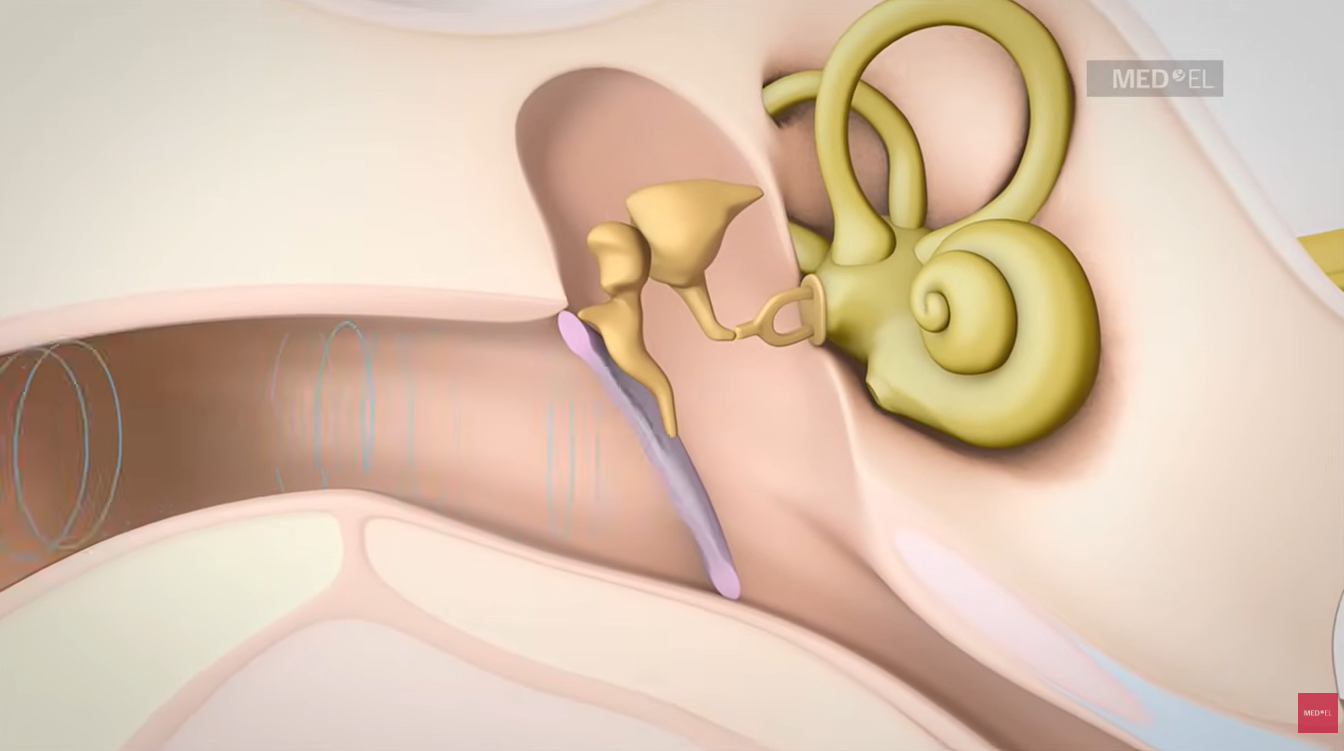
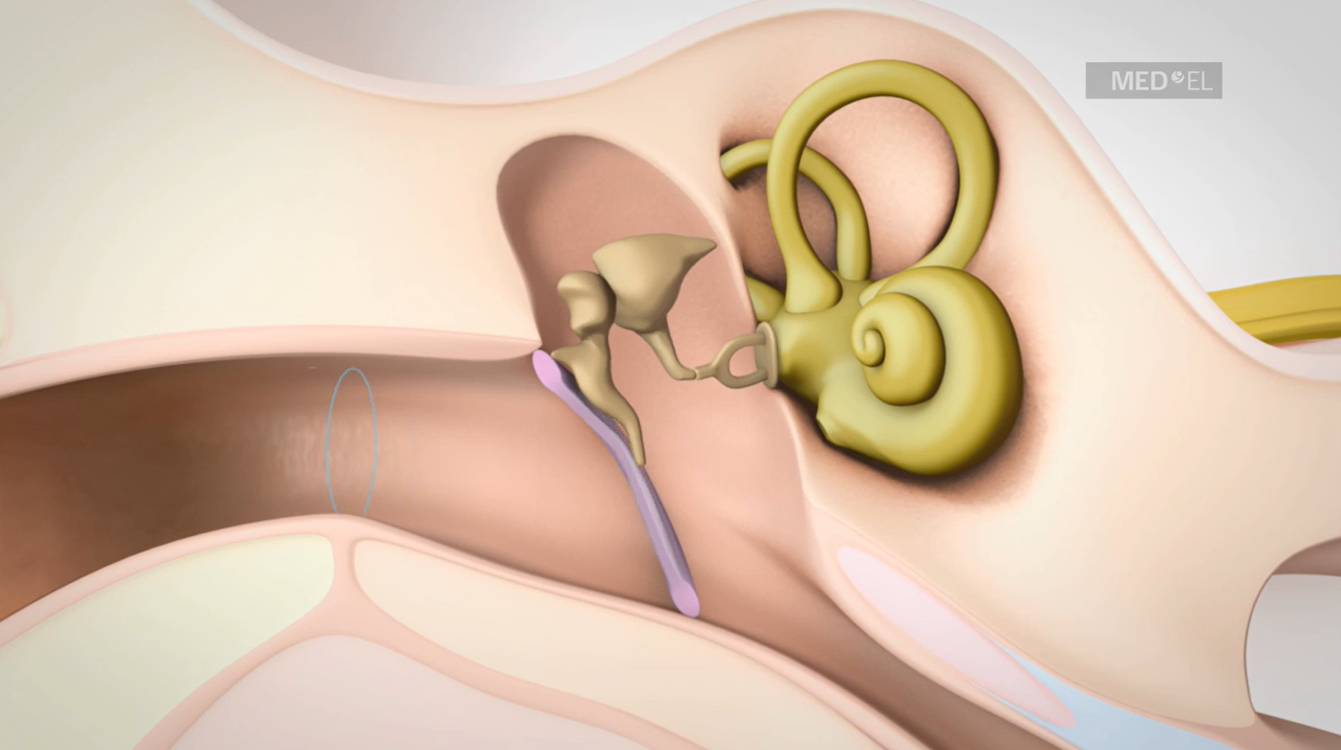
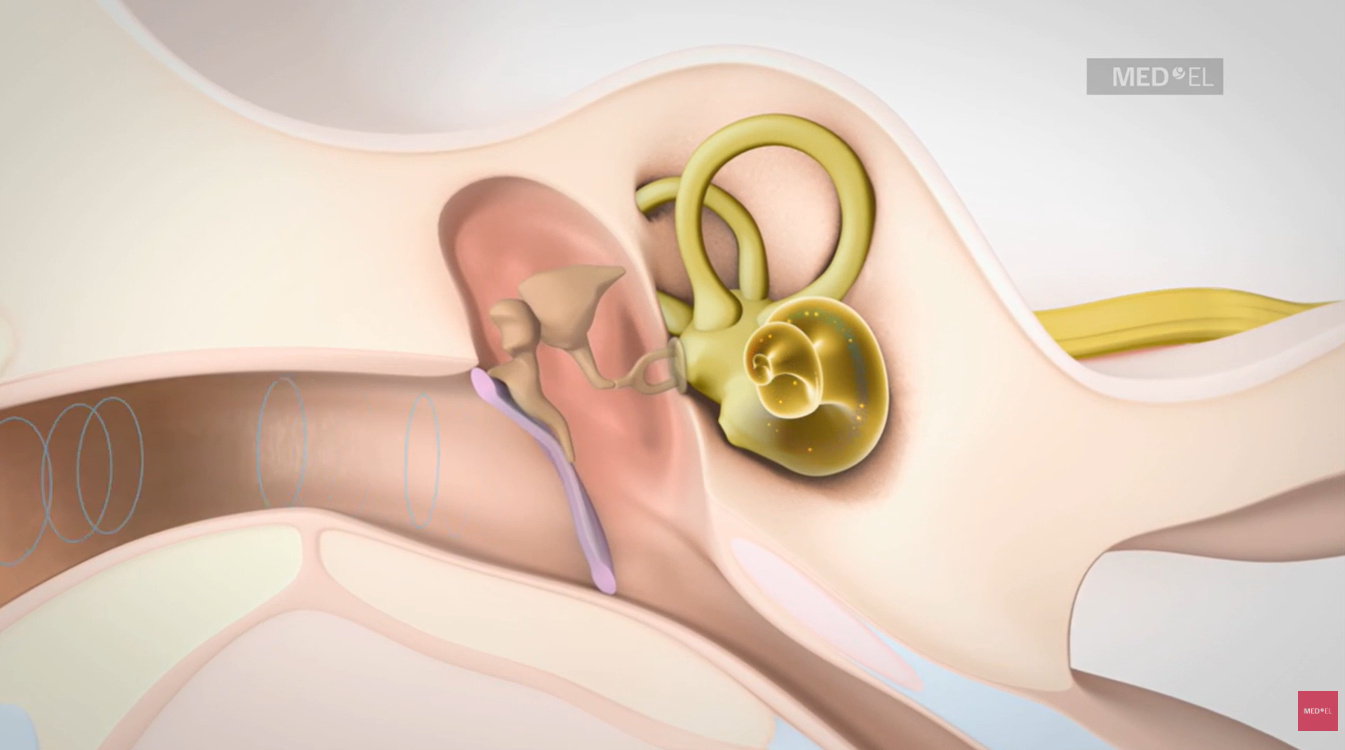
To grasp the myriad causes of hearing loss, it is essential to first understand the intricate process by which we hear. Sound, in the form of energy waves, travels from its source and enters the ear. The outer ear, comprising the visible auricle and the ear canal, acts as a sophisticated funnel, capturing these sound waves and directing them toward the eardrum.
Upon reaching the eardrum, these sound waves are converted into mechanical vibrations. These vibrations are then transmitted through the middle ear, a small air-filled cavity containing three tiny bones known as ossicles: the malleus, incus, and stapes. The ossicles act as a lever system, amplifying the vibrations and transferring them to the oval window, an opening to the inner ear.
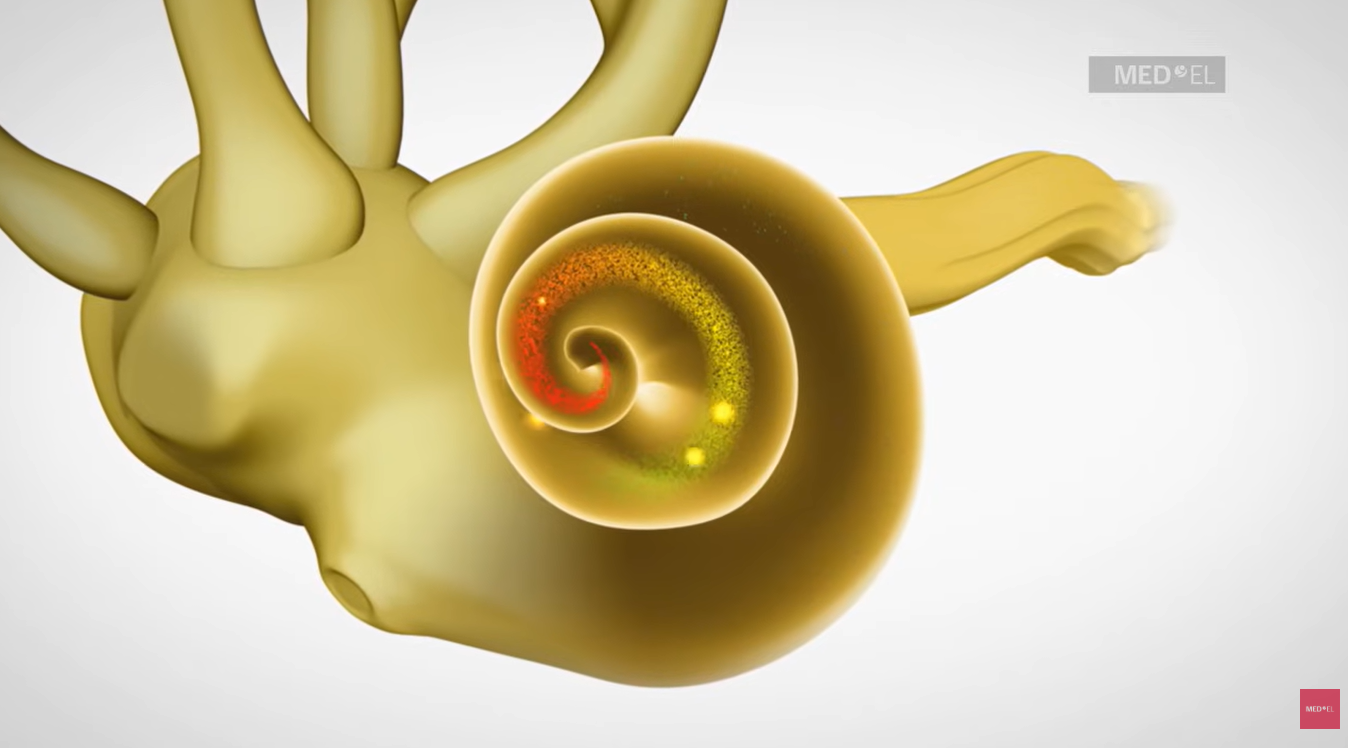
The inner ear, a fluid-filled structure resembling a snail shell, houses the cochlea. Within the cochlea are thousands of microscopic hair cells, the sensory receptors of hearing. As the fluid within the cochlea vibrates, these hair cells bend, generating electrical signals. These signals are then transmitted along the auditory nerve to the brain’s auditory cortex, where they are interpreted as recognizable sounds.
Hearing loss occurs when any part of this intricate pathway is compromised. Blockages in the outer ear, infections or structural issues in the middle ear, or damage to the delicate hair cells or auditory nerve in the inner ear can all disrupt the transmission and interpretation of sound.
Categorizing Auditory Challenges: Types of Hearing Loss

Audiologists and otolaryngologists typically classify hearing loss into three primary categories, each indicating a different point of origin within the auditory system:
- Sensorineural Hearing Loss (SNHL): This is the most common form of hearing loss and arises from damage to the inner ear (cochlea), the auditory nerve, or the brain’s auditory pathways. It often affects the ability to hear high-frequency sounds and can impact speech clarity. SNHL is typically permanent because the delicate hair cells in the cochlea do not regenerate.
- Conductive Hearing Loss (CHL): This type of hearing loss occurs when sound waves are blocked or prevented from reaching the inner ear. It involves a problem in the outer or middle ear, such as earwax impaction, ear infections, fluid buildup, or structural abnormalities of the ear bones. CHL can often be treated medically or surgically, and hearing can sometimes be restored.
- Mixed Hearing Loss (MHL): As the name suggests, mixed hearing loss is a combination of both sensorineural and conductive hearing loss. This means there is damage to both the outer/middle ear and the inner ear or auditory nerve. Treatment for mixed hearing loss is often more complex and tailored to the individual’s specific situation.
Unraveling the Origins: Common Causes of Hearing Loss
The causes of hearing loss are diverse, ranging from natural aging processes to environmental factors and underlying medical conditions. Understanding these causes is paramount for effective diagnosis and management.
1. Age-Related Hearing Loss (Presbycusis):
With advancing age, natural physiological changes occur within the auditory system. The gradual deterioration of hair cells in the cochlea and changes in the auditory nerve are the primary drivers of presbycusis. This type of hearing loss typically affects both ears (bilateral) and often manifests as a difficulty hearing high-frequency sounds, making speech in noisy environments particularly challenging. According to the World Health Organization (WHO), presbycusis affects an estimated one-third of people aged 65 and older, and the prevalence increases significantly with age.
2. Noise-Induced Hearing Loss (NIHL):
Exposure to loud noises is a significant and often preventable cause of hearing loss. This can occur from a single, extremely loud event, such as an explosion or gunshot, or from prolonged exposure to moderately loud sounds. The intensity of sound is measured in decibels (dB). Sustained exposure to sounds above 85 dB can cause damage to hair cells. Common culprits include loud concerts, construction sites, firearms, loud music through headphones, and certain recreational activities like snowmobiling or motorcycling. NIHL can result in sensorineural hearing loss, but severe acute noise trauma can also damage the eardrum or ossicles, leading to conductive or mixed hearing loss. The Centers for Disease Control and Prevention (CDC) estimates that approximately 22 million workers are exposed to potentially damaging noise levels each year in the United States.
3. Ear Infections and Middle Ear Problems:
Middle ear infections (otitis media) are common, particularly in children, and can lead to temporary conductive hearing loss due to fluid buildup behind the eardrum. Chronic or recurrent infections can cause scarring and damage to the middle ear structures, potentially leading to more persistent hearing issues. Other middle ear problems, such as otosclerosis (a condition causing abnormal bone growth in the middle ear), can also impede sound transmission.
4. Medical Conditions and Medications:
A variety of systemic medical conditions can impact hearing. These include:
- Ménière’s disease: A disorder of the inner ear that can cause fluctuating hearing loss, vertigo, and tinnitus.
- Ototoxic medications: Certain drugs, including some antibiotics, chemotherapy agents, and aspirin in high doses, can damage the inner ear and lead to hearing loss or tinnitus. The National Institute on Deafness and Other Communication Disorders (NIDCD) notes that over 200 medications are known to be ototoxic.
- Autoimmune diseases: Conditions like lupus or rheumatoid arthritis can sometimes affect the auditory system.
- Cardiovascular diseases: Impaired blood flow to the inner ear can contribute to hearing loss.
- Neurological disorders: Conditions affecting the brain and nerves, such as multiple sclerosis or acoustic neuromas (benign tumors on the auditory nerve), can cause hearing impairment.
5. Genetic Factors and Congenital Hearing Loss:
Hearing loss can be inherited, with genetic mutations playing a role in both pre-natal and post-natal development of the auditory system. Congenital hearing loss, present at birth, can be caused by genetic factors, infections during pregnancy (like rubella or cytomegalovirus), or complications during childbirth. It is estimated that 1 to 3 out of every 1,000 newborns worldwide are born with some degree of hearing loss.
6. Traumatic Injuries:
Head injuries, particularly those involving the temporal bone, can damage the structures of the ear, leading to hearing loss. Direct injury to the ear, such as a blow to the ear or insertion of foreign objects, can also cause damage to the eardrum or middle ear.
7. Other Causes:
Less common causes include certain viral infections, tumors, and structural abnormalities of the ear that are present from birth. Sudden sensorineural hearing loss (SSHL), a rapid loss of hearing that occurs in one ear, is often of unknown origin but may be linked to viral infections or vascular issues.
The Diagnostic Journey: Identifying Hearing Loss
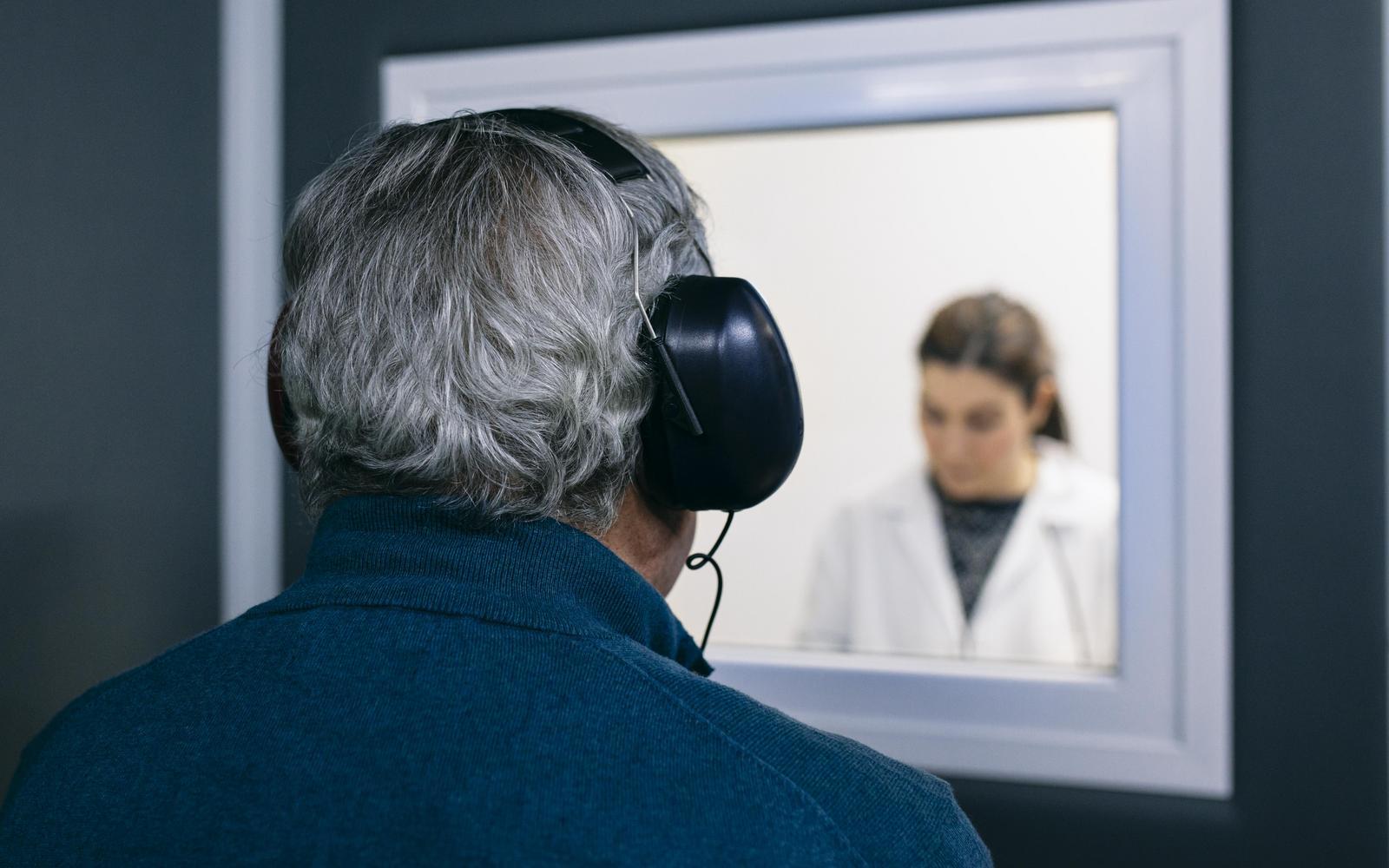
Recognizing the signs of hearing loss is the crucial first step towards intervention. These signs can include difficulty understanding conversations, especially in noisy environments, asking others to repeat themselves frequently, turning up the volume on television or radio excessively, experiencing ringing or buzzing in the ears (tinnitus), or feeling that others are mumbling.
When hearing concerns arise, a professional audiological evaluation is essential. This typically begins with:
- Case History: A detailed discussion about the onset, duration, nature, and impact of hearing difficulties, as well as any relevant medical history.
- Otoscopy: A visual examination of the ear canal and eardrum to check for blockages, infections, or other abnormalities.
- Audiometry: A series of tests to measure hearing sensitivity across different frequencies and loudness levels. This includes:
- Pure-tone audiometry: This test determines the softest sounds a person can hear at various pitches. Results are plotted on an audiogram, a graph that visually represents hearing ability.
- Speech audiometry: This assesses how well a person can hear and understand speech at different volumes.
- Tympanometry: This test measures the function of the middle ear and eardrum by introducing air pressure into the ear canal.
- Otoacoustic emissions (OAEs): These tests measure the response of the inner ear hair cells to sound.
- Auditory Brainstem Response (ABR): This test measures the electrical activity in the auditory nerve and brainstem in response to sound.
For individuals experiencing sudden hearing loss or significant changes, an otolaryngologist (ear, nose, and throat doctor) will likely conduct further diagnostic tests to rule out underlying medical conditions and determine the most appropriate course of treatment.
The Spectrum of Solutions: Treatment and Management Options
The approach to managing hearing loss is highly individualized, depending on the type, severity, and cause of the hearing impairment, as well as the patient’s lifestyle and preferences.
1. Medical and Surgical Interventions:
For conductive hearing loss resulting from treatable conditions like earwax impaction or middle ear infections, medical or surgical interventions can often restore hearing. Procedures such as myringotomy (creating a small incision in the eardrum to drain fluid) or tympanoplasty (surgical repair of the eardrum) can be highly effective. For conditions like otosclerosis, stapedectomy (surgical removal of the stapes bone and replacement with a prosthesis) can significantly improve hearing.
2. Hearing Aids:
Hearing aids are electronic devices that amplify sound, making it easier for individuals with sensorineural, conductive, or mixed hearing loss to hear and understand speech. Modern hearing aids are sophisticated, offering a range of features such as noise reduction, directional microphones, and Bluetooth connectivity. They are custom-programmed based on an individual’s audiogram and lifestyle needs. While hearing aids do not restore normal hearing, they can significantly improve communication and the ability to participate in social activities. Globally, the adoption rate of hearing aids remains a challenge, with estimates suggesting that only about 17-20% of people who could benefit from them actually use them, according to various market research reports.
3. Cochlear Implants:
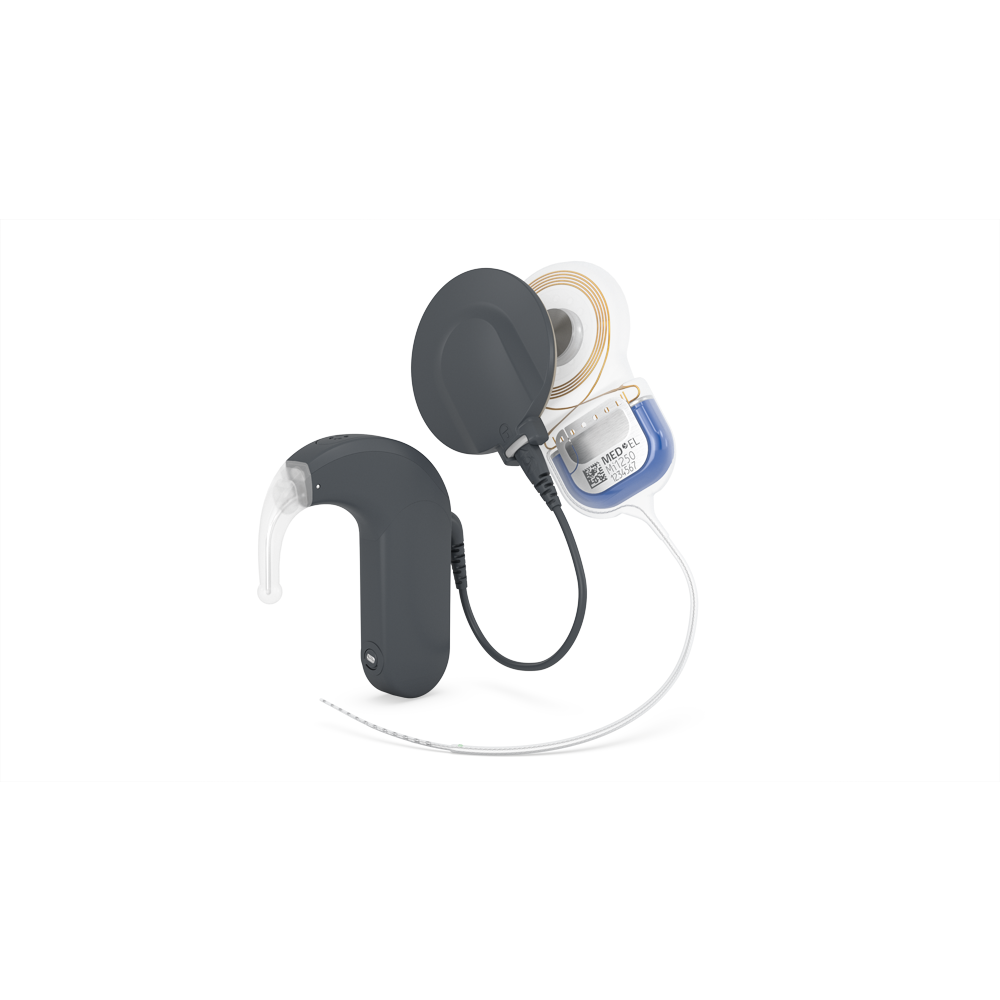
For individuals with severe to profound sensorineural hearing loss, for whom hearing aids provide insufficient benefit, cochlear implants offer a more advanced solution. Unlike hearing aids that amplify sound, cochlear implants bypass the damaged parts of the inner ear and directly stimulate the auditory nerve with electrical signals. This allows sound to be transmitted to the brain, enabling the perception of sound. Cochlear implant surgery is a complex procedure, and the effectiveness of the implant depends on various factors, including the duration of hearing loss, the health of the auditory nerve, and post-operative rehabilitation. MED-EL, a leading provider of hearing implant solutions, has been at the forefront of developing and refining cochlear implant technology for over three decades.
4. Bone Conduction Devices:
These devices are an option for individuals with conductive or mixed hearing loss, or single-sided deafness (hearing loss in only one ear). They work by transmitting sound vibrations through the bones of the skull directly to the inner ear, bypassing the outer and middle ear.

5. Assistive Listening Devices (ALDs):
Beyond hearing aids and cochlear implants, a variety of assistive listening devices can enhance communication in specific situations. These include personal amplifiers, alerting devices (e.g., flashing doorbells), and specialized systems for listening to televisions or phones.
The Importance of Early Intervention and Proactive Care
The implications of untreated hearing loss extend far beyond communication difficulties. Research has consistently linked untreated hearing loss to an increased risk of social isolation, depression, cognitive decline, and even a higher risk of falls. A study published in the Journal of the American Medical Association (JAMA) in 2020 found that individuals with hearing loss were at a 42% higher risk of dementia compared to those with normal hearing. This underscores the critical importance of addressing hearing health proactively.
Understanding the causes of hearing loss empowers individuals to take preventative measures. By protecting their ears from loud noises, managing underlying medical conditions, and seeking timely medical attention for ear-related issues, many instances of hearing loss can be prevented or mitigated. For those already experiencing hearing difficulties, early diagnosis and intervention can significantly improve their quality of life, foster stronger social connections, and support cognitive well-being.
As Dr. Yi Ge, Senior Manager of Medical Affairs at MED-EL Innsbruck, emphasizes, "Understanding the specific causes of hearing loss is not just about identifying a problem; it’s about unlocking the most effective pathway to regaining connection and improving one’s overall well-being. Early diagnosis and tailored solutions can make a profound difference in preserving hearing, supporting communication, and enhancing the quality of life for individuals and their families."
In conclusion, hearing loss is a multifaceted condition with a wide range of origins. By fostering a deeper understanding of how our hearing works, recognizing the diverse causes and signs of hearing impairment, and embracing the advancements in diagnostic and treatment technologies, individuals can navigate the challenges of hearing loss with greater confidence and reclaim the richness of a world filled with sound.