


Tinnitus UK officially commenced Tinnitus Week 2026 with the release of a landmark report titled Amplifying Awareness, presented at the House of Lords on February 5, 2026. The report, which serves as a clarion call for systemic change within the music sector, addresses the escalating risks of noise-induced hearing damage and the prevalence of tinnitus among those who frequent, perform at, and work within live music environments.
The event, attended by policymakers, industry leaders, and hearing health advocates, highlighted the critical need for a cultural shift in how sound exposure is managed. As the UK music industry continues to serve as a vital pillar of the national economy and cultural identity, the report argues that safeguarding the auditory health of audiences and professionals is a prerequisite for the long-term sustainability of the sector.
A Chronology of Research and Engagement
The foundation for Amplifying Awareness was laid during the summer of 2025, when Tinnitus UK initiated an extensive, multi-sector research project. Recognizing that hearing loss and tinnitus are not merely individual health issues but structural industry concerns, the organization surveyed a wide cross-section of stakeholders. Participants included gigging artists, tour managers, venue owners, sound engineers, festival organizers, and, perhaps most importantly, the music fans themselves.
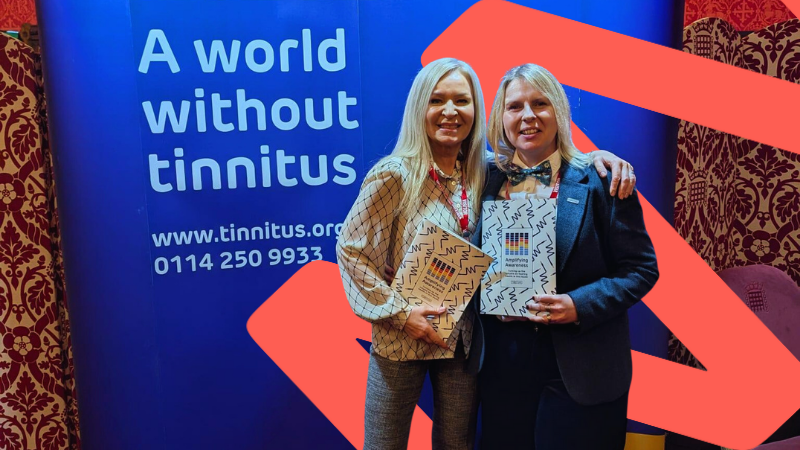
The data collection phase was designed to map the current state of hearing health protocols across various venue types, from intimate independent clubs to large-scale stadium tours. By gathering quantitative data on noise exposure levels and qualitative feedback on public awareness, the authors—Anne Savage and Sonja Jones—were able to construct a comprehensive picture of the current "postcode lottery" regarding hearing safety. The resulting document does not merely catalog the risks; it proposes a pragmatic framework for mitigation that avoids the pitfalls of prohibitive regulation.
The Findings: Why Current Practices Fall Short
The research reveals a stark inconsistency in safety standards. While some modern venues have integrated sophisticated acoustic management and provide clear information on noise levels, many others operate with minimal oversight regarding decibel management. The report identifies that while awareness of hearing protection is growing, the actual implementation of preventative measures remains disjointed.
Supporting data within the report indicates that a significant percentage of regular concert-goers report temporary tinnitus symptoms following events, with a smaller but concerning proportion experiencing persistent, life-altering conditions. For industry professionals—such as sound engineers and stage crew—the risk profile is even higher due to cumulative, long-term exposure. The report emphasizes that without standardized guidance, the responsibility for hearing health is currently placed entirely on the individual, which is insufficient given the technical complexity of modern sound systems and the unpredictability of acoustic environments.
Official Responses and the Call for Collaboration
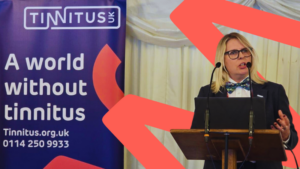
The launch event at the House of Lords served as a platform for industry experts to address the report’s findings. Key contributors included Diarmuid Flavin from Neuromod, Jono Heale of ACS, and Gordon Harrison from Specsavers. Each speaker underscored a shared sentiment: the technology and knowledge to protect hearing already exist, but the industry lacks a unified strategy to deploy them.

Diarmuid Flavin noted that innovation in medical device technology, such as neuromodulation, is only one part of the equation. The more critical, and perhaps more difficult, challenge is the environmental management of sound. Jono Heale emphasized the role of high-fidelity ear protection and the need to normalize its use among fans, moving away from the stigma that earplugs detract from the live music experience. Gordon Harrison, representing the broader audiology community, pointed out that early intervention and routine screening for those in the music industry should be as standard as annual fire safety checks.
The Live Music Hearing Health Pledge
Moving beyond the identification of problems, Tinnitus UK has launched the Live Music Hearing Health Pledge as the centerpiece of their new strategy. This initiative is designed to bridge the gap between awareness and implementation. By asking organizations to sign the pledge, Tinnitus UK is creating a network of accountability that spans the entire music ecosystem.
The pledge is built upon five fundamental commitments, designed to ensure that hearing health is treated with the same institutional seriousness as crowd control or structural integrity:
- Standardized Communication: Venues and promoters must commit to providing clear, accessible information regarding sound levels and the availability of hearing protection at all events.
- Technical Best Practice: A commitment to training sound engineers and technicians in safe listening practices and the use of acoustic management tools.
- Inclusive Policy: Ensuring that hearing health policies are integrated into the planning stages of all tours and festivals, rather than being treated as an afterthought.
- Data Sharing and Monitoring: Participants agree to contribute to ongoing research to refine safety standards and monitor the effectiveness of protective measures.
- Advocacy and Education: A collective promise to promote hearing health awareness to the public, challenging the normalization of ringing ears as a "normal" side effect of live music.
Implications for the Future of Live Music
The implications of the Amplifying Awareness report are far-reaching. By advocating for a collaborative, rather than adversarial, approach, Tinnitus UK is positioning hearing health as an essential component of the "social license" to operate within the music industry.
There is a growing realization that if the industry does not self-regulate, it may eventually face external pressure from health authorities and litigation, which could lead to rigid, heavy-handed mandates. The pledge offers an alternative: a proactive, industry-led solution that protects the health of the workforce and the public while preserving the artistic integrity of the performances.
Furthermore, the report highlights the economic sustainability of this initiative. A workforce that suffers from chronic tinnitus or hearing loss is a workforce at risk of early retirement and reduced productivity. Similarly, an audience that is deterred by the physical discomfort of loud, unmanaged sound represents a loss of potential revenue and long-term engagement for the sector.
A Sustainable Path Forward
As Tinnitus UK moves into the implementation phase of the pledge, the focus will shift toward building a robust coalition of signatories. The organization has made it clear that this is a long-term project. The launch at the House of Lords was not a conclusion, but a starting point for a series of workshops, policy discussions, and public-facing campaigns aimed at changing the culture of listening.
The ultimate goal is to reach a point where hearing protection is as ubiquitous and accepted as seatbelts in cars or safety gear on construction sites. By embedding these practices into the fabric of the live music industry, Tinnitus UK hopes to ensure that the next generation of music lovers can enjoy decades of performances without the shadow of permanent hearing damage.
In the coming months, Tinnitus UK intends to track the progress of the pledge, providing updates on the number of organizations that have joined and the tangible changes implemented in venues across the country. The success of this initiative will be measured not by the volume of rhetoric, but by the measurable improvement in the auditory environments provided to the public and the professionals who sustain the UK’s vibrant music scene.
Ultimately, the message from the House of Lords is clear: the price of admission to a live music event should not be the sacrifice of one’s hearing. Through the concerted efforts of promoters, artists, and policymakers, the industry is now being asked to take responsibility for the future of the very ears that make the business possible. As the Amplifying Awareness report concludes, the transition from evidence to action is the most significant step the industry has taken in decades to secure a future where live music remains a lifelong passion, rather than a cause of lifelong suffering.