

As the international community prepares for the 14th annual Global Accessibility Awareness Day (GAAD) on Thursday, May 15, 2025, the focus on digital inclusivity has moved from a niche technical requirement to a fundamental aspect of modern organizational operations. In an era where remote work and digital interaction have become the standard for professional engagement, the necessity of hosting meetings, webinars, and conferences that are accessible to all participants—regardless of physical or cognitive abilities—is paramount. Accessibility in the digital sphere fosters an environment of equity, ensuring that information is not just disseminated, but also understood and acted upon by a diverse audience. The following comprehensive guidelines provide a strategic framework for planning, designing, and executing online events that adhere to high standards of inclusivity and technical accessibility.
The Evolution of Digital Accessibility and the Road to GAAD 2025
The concept of digital accessibility has undergone significant evolution over the past three decades. Historically rooted in physical infrastructure requirements, such as the Americans with Disabilities Act (1990) in the United States and the Disability Discrimination Act (1995) in the United Kingdom, the focus shifted toward the digital landscape as the internet became the primary medium for public service delivery. The introduction of the Web Content Accessibility Guidelines (WCAG) provided a technical roadmap for developers, but it was the Public Sector Bodies (Websites and Mobile Applications) Accessibility Regulations 2018 that mandated a higher standard for government entities and public institutions in the UK.
Global Accessibility Awareness Day, founded in 2012, serves as a pivotal annual milestone to encourage designers, developers, and event organizers to think about digital access and inclusion. For 2025, the emphasis has shifted toward "lived experience," moving beyond mere compliance with regulations toward creating meaningful participation. Data from the World Health Organization (WHO) indicates that approximately 1.3 billion people—or 1 in 6 people worldwide—experience significant disability. In the United Kingdom alone, Department for Work and Pensions (DWP) statistics show that there are 16 million disabled people, representing 24% of the population. This demographic reality underscores the importance of the Government Digital Service (GDS) and other regulatory bodies in promoting best practices for online events.
Phase One: Strategic Planning and Technical Preparation
The foundation of an inclusive event is laid long before the first participant joins the digital lobby. Effective planning requires a shift in perspective from a "one-size-fits-all" approach to a "flexible-by-design" methodology.
Understanding Audience Requirements
Organizers must move beyond assumptions by actively soliciting information regarding the specific needs of their attendees. Pre-event registration forms should include dedicated sections for accessibility requirements. This data collection must be handled with sensitivity and in compliance with data protection regulations such as GDPR. Inquiries should cover a range of needs, from screen reader compatibility and sign language interpretation to requirements for neurodivergent participants, such as the need for advanced copies of presentation materials.
Structural Design of Agendas
The cognitive load of online meetings is significantly higher than that of in-person interactions. This phenomenon, often termed "Zoom fatigue," disproportionately affects participants with certain disabilities. An accessible agenda must incorporate frequent and substantial breaks. While a standard 10-minute interval may suffice for some, participants managing chronic pain, mobility issues, or neurodivergent conditions may require longer periods to rest or reset. Furthermore, providing the agenda in advance allows participants to manage their energy and focus levels effectively throughout the session.
Technical Infrastructure and Platform Evaluation
Not all digital conferencing platforms are created equal in terms of accessibility. Before finalizing a choice, organizers must evaluate features such as keyboard navigation (ensuring all functions can be accessed without a mouse), screen reader compatibility, and the ability for participants to customize their viewing experience (such as pinning a sign language interpreter). Testing these features in a live environment—checking polls, chat functions, and breakout rooms—is a critical step in the "pre-flight" checklist.
Phase Two: Communication and Inclusive Promotion
Clear and transparent communication is the primary bridge between an event organizer and a diverse audience. If promotional materials are inaccessible, a significant portion of the potential audience is excluded before the event even begins.
Accessible Marketing Collateral
All promotional materials, whether distributed via email, social media, or web pages, must adhere to accessibility standards. This includes maintaining high color contrast (following WCAG 2.1 or 2.2 Level AA standards), using sans-serif fonts at a legible size (minimum 12pt for documents, larger for slides), and providing alternative text (alt-text) for all images. Jargon-free, plain English is essential to ensure that the purpose and value of the event are understood by everyone, including non-native speakers and individuals with cognitive impairments.
Multi-Format Resource Delivery
To accommodate different learning styles and assistive technologies, information should be provided in multiple formats. This may include:
- Braille or Large Print: For participants with visual impairments who may use physical assistive devices.
- Audio Descriptions: For visual elements of the presentation.
- Text-Only Versions: For participants using older hardware or low-bandwidth connections.
- Advanced Materials: Sharing slide decks and group exercise prompts at least 24 to 48 hours in advance allows participants using screen readers to familiarize themselves with the content at their own pace.
Phase Three: Execution and Real-Time Inclusive Practices
The live portion of an online event is where technical preparation meets human interaction. Maintaining an inclusive environment during the session requires active management and attention to detail.
Visual and Auditory Clarity
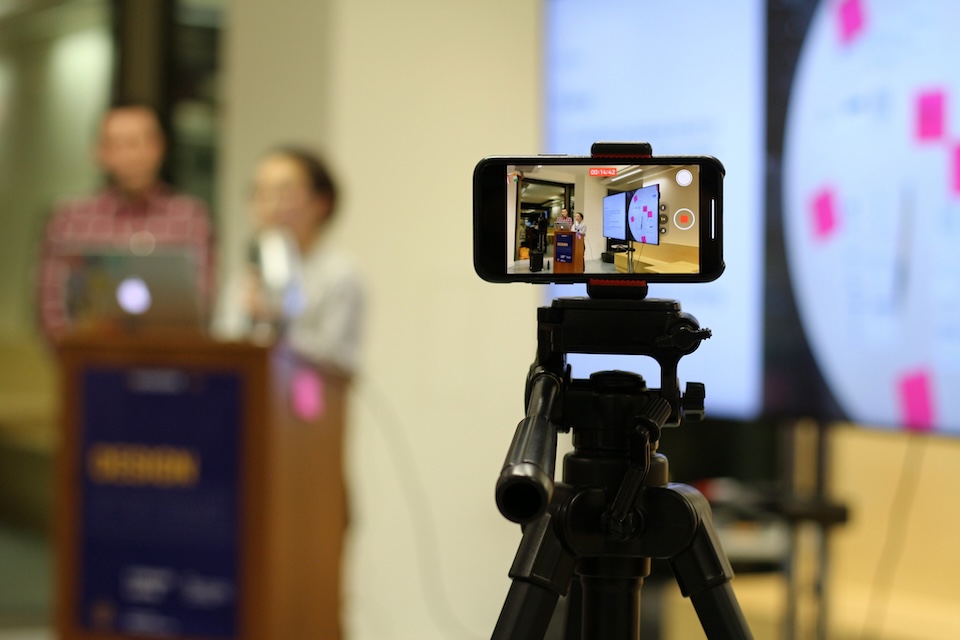
Presenters should be mindful of their physical environment. High-quality lighting that illuminates the face without creating harsh shadows is vital for participants who rely on lip-reading. Similarly, the use of external headsets rather than built-in computer microphones significantly reduces background noise and improves the clarity of the audio feed, which is essential for both human listeners and automated captioning software.
Integration of Live Support Services
Live captioning is no longer an optional luxury but a core requirement for accessible events. While AI-driven captions have improved, human-generated Communication Access Realtime Translation (CART) remains the gold standard for accuracy, especially during technical or specialized discussions. If sign language interpreters are employed, they must be "pinned" or spotlighted so that they remain visible regardless of who is speaking or what content is being shared on the screen.
Real-Time Monitoring and Responsiveness
A dedicated "accessibility officer" or moderator should monitor the chat and technical feeds specifically for accessibility issues. If a participant reports that the captions have failed or that a presenter is speaking too quickly, the moderator must have the authority to intervene and rectify the situation immediately. This proactive approach prevents participants from being left behind during the live discourse.
Phase Four: Post-Event Engagement and Analysis
The conclusion of the live session marks the beginning of the follow-up phase, which is crucial for long-term inclusivity and the continuous improvement of organizational standards.
Archiving and Accessibility of Records
Recording sessions is a standard practice, but for a recording to be truly accessible, it must be accompanied by a corrected transcript and, ideally, a version with audio descriptions. These resources should be hosted on an accessible platform and shared promptly. For many, the ability to review content at a slower pace or revisit complex sections is the difference between a successful learning experience and a failed one.
The Feedback Loop
Post-event surveys should specifically ask for feedback on accessibility features. Did the captions work? Was the pace of the presentation appropriate? Were the materials easy to navigate? Following up directly with participants who requested specific accommodations shows a commitment to inclusion and provides invaluable data for future planning.
Data-Driven Insights and Economic Impact
The drive for digital accessibility is supported by compelling economic and social data. The "Purple Pound"—the spending power of disabled people and their families—is estimated at £274 billion per year in the UK. Organizations that fail to provide accessible digital experiences effectively lock themselves out of a significant market segment. Furthermore, the "Curb-Cut Effect" demonstrates that accessibility features designed for disabled people often benefit the wider population. For instance, captions are frequently used by individuals in noisy environments or by those for whom the presentation language is a second language.
Research by the Business Disability Forum indicates that 75% of disabled consumers have walked away from a service provider due to poor accessibility. In the context of online events, this translates to lost engagement, diminished brand reputation, and potential legal liabilities under the Equality Act 2010.
Institutional Perspectives and Broader Implications
Governmental bodies and advocacy groups have lauded the shift toward more rigorous accessibility standards. In a recent internal briefing, digital inclusion advocates noted that the transition to online-first communication during the early 2020s acted as a catalyst for innovation. However, they also cautioned that "accessibility debt"—the backlog of inaccessible legacy content and systems—remains a challenge for many large organizations.
The implications of accessible online events extend beyond the immediate participants. By normalizing inclusive practices, organizations contribute to a broader cultural shift where accessibility is viewed as a prerequisite for professional excellence rather than an afterthought. As GAAD 2025 approaches, the focus remains on the principle that digital spaces should be as open and navigable as physical ones.
Conclusion
Hosting accessible online meetings and webinars is a multifaceted endeavor that requires technical proficiency, strategic foresight, and a genuine commitment to equity. By implementing structured planning, clear communication, real-time support, and thorough post-event analysis, organizers can ensure that their digital platforms are truly inclusive. As technology continues to evolve, the standards for accessibility will undoubtedly rise, requiring a continuous cycle of learning and adaptation. Ultimately, the goal is to create a digital environment where every participant, regardless of their background or ability, can engage, contribute, and succeed. Accessibility is not merely a checklist for compliance; it is the cornerstone of a democratic and equitable digital future.