


Tinnitus Week 2026 has officially concluded, marking a significant milestone in the ongoing efforts to address the intersection of live music, public health, and hearing safety. Organized by Tinnitus UK, the week-long initiative sought to bridge the gap between the vibrancy of the live music industry and the necessity of protecting audience members and professionals from noise-induced hearing damage. The campaign’s climax saw the release of a comprehensive research report, Amplifying Awareness, alongside the staging of Quiet Night Out, an experimental concert designed to demonstrate that high-fidelity performance can exist within strictly controlled, safe sound parameters.
The Genesis of the 2026 Campaign
The initiative was born out of growing concerns regarding the prevalence of tinnitus and sound sensitivity among music enthusiasts and industry professionals. Earlier in 2026, Tinnitus UK conducted an extensive survey to quantify the relationship between live music participation and hearing health. The findings indicated a widespread lack of awareness regarding safe listening levels and a pervasive belief that "loudness equals quality," a misconception the organization aimed to dismantle.

The campaign was structured to move beyond mere education, aiming instead to foster systemic change through the "Live Music Hearing Health Alliance Pledge." This pledge encourages stakeholders across the music, public health, and events management sectors to adopt five core commitments focused on education, monitoring, and support for those with hearing vulnerabilities.
Chronology of Events
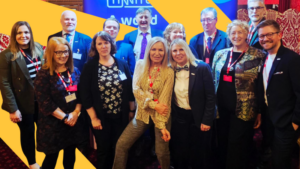
The week commenced at the House of Lords, where the Amplifying Awareness report was formally presented to stakeholders, policymakers, and industry figures. The event featured expert testimony from representatives of the hearing technology sector, including Neuromod, ACS, and Specsavers, who provided insights into the physiological impact of prolonged exposure to high-decibel environments.
Following the policy launch, the focus shifted to the practical application of these findings. On February 5, the Union Chapel in London hosted Quiet Night Out. This event served as a pilot program to test new safety protocols in a live venue. Unlike traditional concerts that often exceed recommended safety thresholds, this event utilized calibrated monitoring to ensure sound pressure levels remained below 90 dB, with many segments of the performance operating at significantly lower levels. The technical team prioritized acoustic clarity, proving that auditory impact does not have to rely on sheer volume.
The week concluded with the launch of the educational webinar, A Journey Through Sound, which featured technical expertise on the mechanics of hearing and the preventive measures available to those working in or frequenting high-noise environments.
Data and Findings: The Case for Change
The Amplifying Awareness report highlights a critical need for reform within the live music industry. Survey data collected throughout the summer of 2025 revealed that a significant portion of frequent concert-goers report post-gig symptoms such as temporary tinnitus or muffled hearing, often referred to as a "temporary threshold shift."
Key findings from the research include:
- A correlation between high-frequency exposure at live events and long-term tinnitus development in younger demographics.
- A disparity in the availability of "quiet spaces" at large-scale venues, leaving those with hyperacusis (sound sensitivity) unable to attend live music safely.
- A widespread lack of standardized protocols for monitoring sound levels, leading to inconsistent safety standards across different venues and tour productions.
The report argues that without standardized industry regulation, the long-term sustainability of the live music sector is at risk, as the very audience it relies on faces potential permanent hearing loss.
Official Responses and Industry Collaboration
The reception at the House of Lords underscored the cross-sector support for the Tinnitus UK agenda. Industry professionals, including artists like Justin Sullivan of New Model Army and Penguin Cafe, have publicly backed the push for safer listening environments. The involvement of tech firms such as ACS, which provided high-fidelity custom earplugs to all attendees at the Quiet Night Out concert, illustrates a growing trend of corporate responsibility in the hearing health sector.
Tim Bricheno, a musician who attended the Quiet Night Out event, offered a poignant testimony regarding the psychological toll of tinnitus. After seven years of avoiding live music due to his condition, Bricheno utilized the safety measures provided at the Union Chapel to re-engage with his passion. His story has become a cornerstone of the campaign, highlighting that support must be both clinical and accessible to allow individuals to maintain their quality of life.

The Live Music Hearing Health Pledge
The core mechanism for future change is the Live Music Hearing Health Alliance Pledge. By standardizing the approach to safety, Tinnitus UK hopes to move away from ad-hoc solutions and toward a universal standard. The five commitments of the pledge center on:
- Risk Assessment: Mandating that all venues and promoters evaluate sound exposure risks during the planning phase of events.
- Sound Monitoring: The implementation of real-time decibel monitoring to ensure performances stay within safe limits.
- Audience Education: Providing clear information to ticketholders regarding the sound environment and the availability of protective equipment.
- Venue Infrastructure: Ensuring that quiet zones are available at all large-scale venues for those who need to manage their sound exposure.
- Professional Training: Offering hearing health training for sound engineers and venue staff to prioritize long-term ear health alongside technical performance.
Broader Implications and Future Outlook
The success of Tinnitus Week 2026 suggests that the music industry is at a turning point. The shift toward "clarity over loudness" represents a potential paradigm shift in concert production. If the model established at the Union Chapel can be scaled, it could fundamentally change the concert-going experience, making it more inclusive for the millions of people living with tinnitus and sound-related conditions.
However, the implementation of these standards faces economic and logistical challenges. Venues often operate on thin margins, and the investment in acoustic treatment or high-end sound monitoring systems represents a significant cost. Furthermore, changing the cultural expectation of what a "loud" concert should sound like requires a concerted effort from artists and promoters alike.

Tinnitus UK’s appeal for donations and continued support is designed to sustain the momentum generated during the week. These funds are allocated toward the continued distribution of protective equipment, the development of public awareness materials, and the ongoing advocacy work required to influence legislative changes in noise regulations.
As the industry reflects on the events of the past week, the overarching takeaway is clear: the future of live music depends on the preservation of the audience’s hearing. By integrating technology, education, and thoughtful design, Tinnitus UK has provided a roadmap for a future where music can be experienced with intensity and clarity, without the permanent cost of auditory health. The 2026 campaign has effectively set the stage for a long-term transition, shifting the focus from reactive treatment to proactive, industry-wide prevention.