

The landscape of tinnitus management and research is entering a new phase of strategic alignment following the inaugural meeting of the Research Evolution Group (REG), a high-level initiative spearheaded by the national charity Tinnitus UK. Convened on February 24, 2026, the group brings together an interdisciplinary cohort of clinicians, academic researchers, industry innovators, and patient advocates. This assembly aims to synthesize disparate strands of scientific inquiry into a cohesive, actionable research agenda designed to optimize resource allocation and expedite the development of both symptom-management tools and potential long-term cures.
For the estimated millions of people globally who experience persistent tinnitus—a condition characterized by the perception of sound in the absence of an external auditory stimulus—the formation of this group represents a shift from decentralized study toward a focused, outcome-oriented framework. Tinnitus, while not a disease in itself, is a complex symptom often linked to underlying auditory system damage, neurological changes, or psychological distress. Its multifaceted nature has historically made it a challenging subject for singular, localized research projects, leading to a fragmented therapeutic landscape.
The Mandate for Strategic Coordination
The primary objective of the Research Evolution Group is to address the "fragmentation problem." Historically, research into tinnitus has spanned brain imaging, pharmacological interventions, psychological behavioral therapies, and hearing aid technology. While each field has yielded valuable data, the lack of a unified roadmap has often resulted in redundant studies or a lack of focus on the specific areas where innovation could yield the highest clinical utility for patients.
During the initial meeting, the group established a rigorous four-month timeline to evaluate existing literature and identify critical knowledge gaps. This period will not be spent conducting new experiments, but rather in a strategic audit of the current global research output. The mandate is clear: identify where Tinnitus UK can exert the most leverage. By determining where funding and collaborative effort can produce the greatest "return on investment" regarding quality-of-life improvements, the charity intends to move beyond reactive funding and toward a proactive, agenda-setting role.
An Interdisciplinary Approach to a Complex Symptom
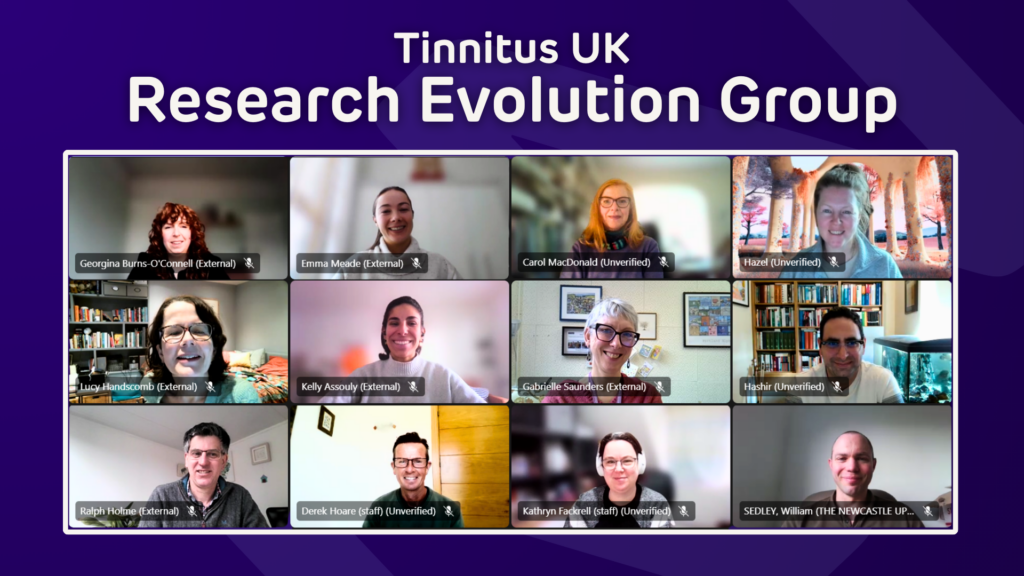
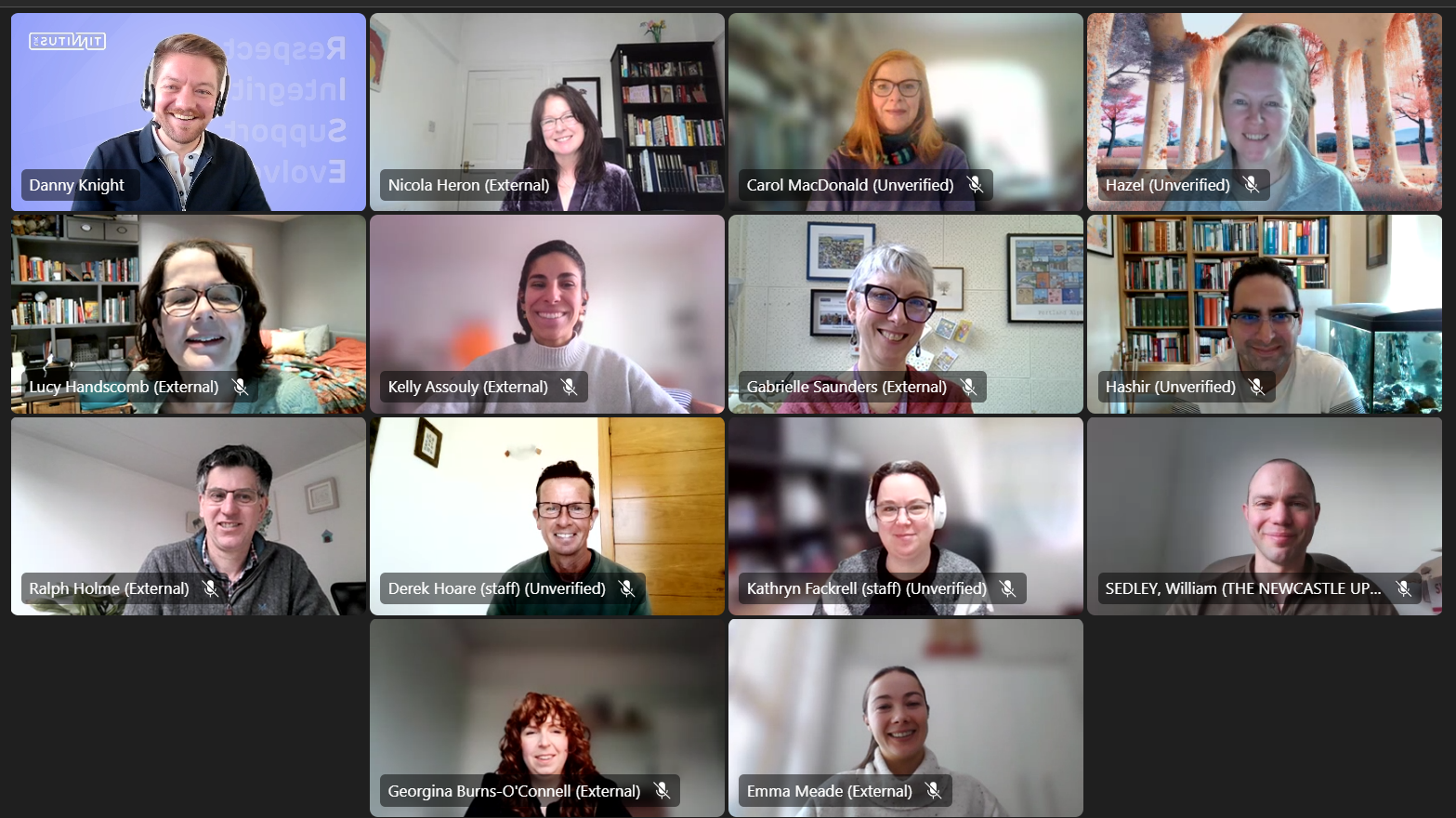
The composition of the REG reflects the diversity of the challenge. The group includes leading figures from the Medicines Discovery Catapult, the Nottingham Biomedical Research Centre, University College London, and the University of Manchester, alongside industry representatives from Cochlear and Neuromod. By involving clinical specialists like Dr. Hashir Aazh alongside patient advocacy organizations like Tinnitus Hub, the group ensures that laboratory-based research remains tethered to the realities of patient care.
This integration is vital because tinnitus is not merely a hearing impairment; it is a biopsychosocial experience. It impacts sleep quality, cognitive performance, emotional regulation, and social interaction. Consequently, the research strategy will likely balance "cure-focused" biomedical research—such as investigating neural plasticity and auditory nerve regeneration—with "management-focused" research, which seeks to refine cognitive behavioral therapy (CBT) and sound-masking technologies to help patients habituate to the condition.
Supporting Data and the Burden of Tinnitus
The impetus for this initiative is supported by the significant socioeconomic and public health burden posed by tinnitus. According to current health estimates, between 10% and 15% of the adult population experiences some form of tinnitus, with a smaller but significant subset suffering from severe, debilitating symptoms that result in clinical depression, anxiety, and work-related disability.
Despite its prevalence, tinnitus has historically been underserved in terms of federal and private research funding when compared to other chronic conditions. The lack of standardized objective diagnostic tests—such as a "tinnitus blood test" or definitive scan—has complicated clinical trials, as researchers must rely largely on patient-reported outcomes. The REG aims to address this by prioritizing the development of standardized outcome measures, which will allow for more accurate comparisons between different treatment modalities.
Chronology of the Strategic Roadmap
The launch of the REG follows a series of sector-wide discussions that gained momentum throughout 2025. Following the Tinnitus Conference 2025, where experts signaled a growing consensus that "steady, thoughtful progress" was superior to the search for an improbable "silver bullet," Tinnitus UK began identifying key stakeholders to form this permanent advisory body.

The current schedule for the initiative is as follows:
- February 2026: Formation and inaugural planning meeting.
- March – April 2026: Evidence gathering, stakeholder consultation, and identification of key research priority areas.
- May 2026: Synthesis of findings and drafting of the new research strategy.
- June 2026: Finalization and publication of the strategic roadmap, with subsequent rollout of grant-funding criteria.
This structured timeline is intended to provide transparency to the research community and confidence to the patient population that progress is being managed with professional rigor.
Official Perspectives and Industry Reaction
Leadership within the group emphasizes that the success of the initiative will be defined by its discipline in saying "no" as much as its ability to say "yes." By intentionally excluding lower-impact areas of study, the charity seeks to concentrate its limited financial resources on high-potential interventions.
"Tinnitus UK is uniquely positioned to represent the voice of patients and act as a bridge," noted a spokesperson for the group during the inaugural session. This bridging role is essential. Academic researchers often lack the direct line to patient populations required to conduct large-scale longitudinal studies, while industry innovators sometimes lack the clinical insight to tailor their technologies to the specific, nuanced needs of those living with chronic tinnitus. By acting as a central clearinghouse for research priorities, Tinnitus UK is attempting to synchronize these stakeholders.
Broader Implications for Clinical Practice
The implications of this strategy extend beyond the laboratory. If the REG succeeds in defining a clear, evidence-based roadmap, it could influence national clinical guidelines. For instance, by providing clearer evidence on which behavioral therapies are most effective for specific subtypes of tinnitus, the group could help health services streamline patient care, reducing waiting times and ensuring that patients receive evidence-based support earlier in their diagnosis.
Furthermore, the involvement of industry leaders from the device and pharmaceutical sectors suggests a focus on accelerating the translation of bench science into commercialized, accessible treatments. This is a critical hurdle in the medical field, where many promising treatments fail to reach the market due to a lack of clear pathways for clinical validation.
Conclusion: A Shift Toward Sustainable Momentum
The creation of the Research Evolution Group marks a maturation of the field. By moving away from sporadic, disconnected research projects and toward a deliberate, coordinated strategy, the organization is acknowledging the long-term nature of the challenge. The message to the public is one of measured optimism: while a universal, instant cure may not be on the immediate horizon, the systemic approach being adopted today is the most effective path toward reducing the global impact of the condition.
For the millions of individuals currently navigating the complexities of tinnitus, the significance of this development lies in the professionalization of their hope. Through rigorous debate, expert oversight, and a commitment to patient-centric outcomes, the Research Evolution Group is working to ensure that the future of tinnitus treatment is defined by tangible progress, clearer diagnostic pathways, and, ultimately, a quieter, more manageable reality.