

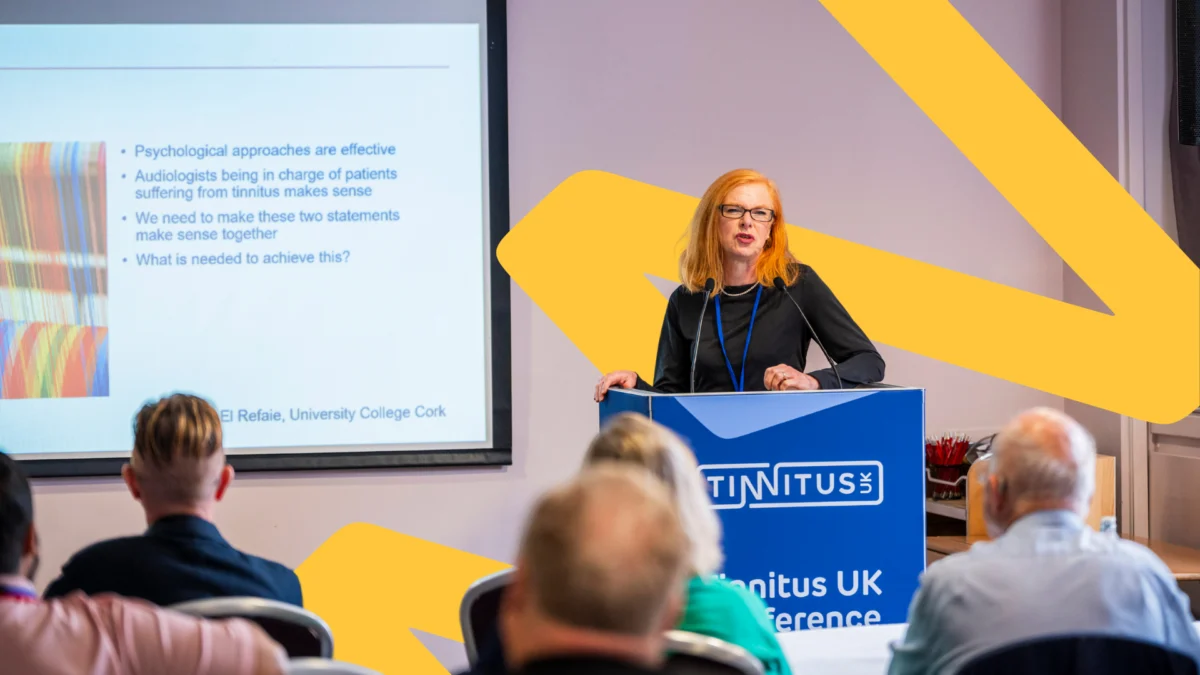
The landscape of tinnitus research in the United Kingdom has entered a new phase of strategic alignment with the inaugural meeting of the Research Evolution Group (REG). Convened by Tinnitus UK on February 24, 2026, this multidisciplinary body marks a significant shift in how the charity intends to direct its resources, influence policy, and bridge the gap between laboratory science and real-world clinical application. By gathering a coalition of experts from academia, medical technology, and patient advocacy, the organization aims to move beyond isolated research projects toward a cohesive, long-term strategy designed to tackle the complexities of a condition that affects an estimated 10 to 15 percent of the global population.
The Mandate for Change
For millions of individuals, tinnitus—the perception of sound in the absence of an external acoustic source—remains a persistent and often debilitating condition. Despite its prevalence, the absence of a standardized, universal cure has frequently left patients feeling sidelined by the medical community. The Research Evolution Group was established to address this stagnation. Its primary objective is to evaluate current research methodologies and identify the specific niches where Tinnitus UK can exert the most leverage.
The mandate of the group is not merely to fund research, but to define the research ecosystem. By fostering a collaborative environment, the charity hopes to mitigate the risk of fragmented, overlapping studies that often characterize early-stage medical research. Instead, the focus is on a structured, four-month developmental cycle intended to culminate in a comprehensive national strategy.
A Multidisciplinary Collaborative Approach
The composition of the REG reflects the multifaceted nature of tinnitus, which requires input from disciplines as varied as neurobiology, audiology, psychology, and pharmaceutical development. The leadership of the group includes figures such as Nicola Heron of the Medicines Discovery Catapult, who brings a focus on the acceleration of drug discovery, and clinical experts from the Nottingham Biomedical Research Centre and the University of Manchester.
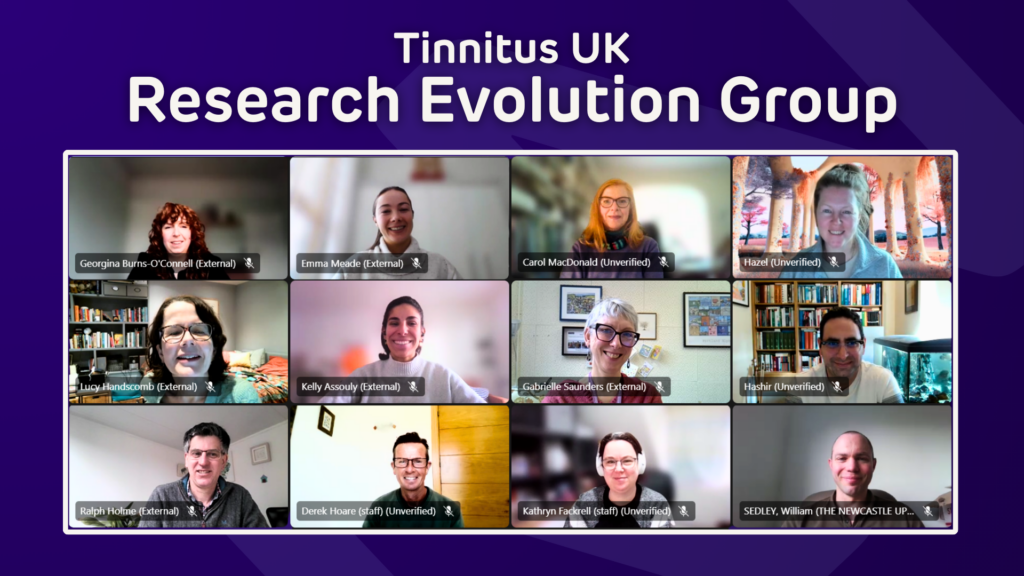
The inclusion of representatives from private industry, such as Neuromod and Cochlear, alongside academic powerhouses like UCL and Newcastle University, indicates a push toward a more commercial and translational approach. This integration of industry expertise is crucial for the development of medical devices and pharmacological interventions that can move from clinical trials to the marketplace, thereby ensuring that breakthroughs reach the patients who need them most.
Furthermore, the involvement of patient-led advocacy groups, such as Tinnitus Hub, ensures that the research agenda remains anchored in the lived experience of the patient. This, according to group members, is a vital check against the tendency of pure academic research to prioritize theoretical breakthroughs over practical improvements in quality of life.
The Chronology of Strategic Development
The formation of the REG is the result of a long-term internal review process at Tinnitus UK. Following a series of conferences throughout 2025—which highlighted both the potential for new technology and the systemic barriers to effective treatment—the charity moved to formalize its research oversight.
The February 2026 meeting served as the foundational session. Participants were tasked with defining the "rules of engagement," which included a commitment to radical transparency, rigorous peer challenge, and the creation of a "safe harbor" for discussing high-risk, high-reward research avenues. The group’s agenda for the coming four months is structured as follows:
- Month 1: Baseline mapping of existing global research gaps.
- Month 2: Analysis of funding efficacy and identification of under-researched, high-impact areas.
- Month 3: Development of the "Strategic Research Framework," focusing on priority areas such as neuro-modulation and behavioral therapy integration.
- Month 4: Finalization of the roadmap and the initiation of long-term collaborative partnerships.
Fact-Based Analysis of the Tinnitus Landscape
The global burden of tinnitus is substantial. Data from the World Health Organization and various national health institutes suggest that the economic impact of the condition, when accounting for lost productivity, mental health comorbidities, and the utilization of primary care services, runs into the billions annually.

Despite this, research funding for tinnitus has historically lagged behind other sensory disorders. A significant challenge in this field is the heterogeneity of the condition; "tinnitus" is a symptom rather than a single disease, originating from a diverse range of auditory, neurological, and psychological triggers. The REG’s strategy specifically targets this issue by advocating for "stratified medicine"—an approach that attempts to group patients by the underlying cause of their tinnitus to provide more targeted, effective interventions.
Implications for Patients and the Clinical Community
The formation of this group carries profound implications for the patient community. For those who have lived with chronic, intrusive tinnitus, the news of a structured, expert-led initiative offers more than just a scientific update; it provides a sense of tangible movement.
However, the group has been careful to manage expectations. A central tenet of their first meeting was the necessity of "measured optimism." By prioritizing specific, high-impact research trajectories, the group is explicitly choosing to de-prioritize less promising avenues. While this may be viewed as a narrowing of scope, the consensus among members is that focused investment is the only viable path to achieving a verifiable, medical breakthrough.
The implications for the broader medical community are equally significant. If successful, the REG’s framework could serve as a template for other charities representing conditions that suffer from high prevalence but low clinical funding. By acting as a "bridge" between the laboratory, the clinic, and the patient, Tinnitus UK is positioning itself as a central clearinghouse for innovation.
Looking Toward the Future
As the Research Evolution Group moves into its next phase, the focus will shift from high-level discussion to the implementation of concrete pilot programs. The group has indicated that it will be looking closely at how to better integrate digital health technologies—such as mobile apps and wearable neuro-stimulation devices—with traditional clinical therapy.

The final strategy, expected later in 2026, will likely advocate for a shift in funding towards longitudinal studies that track patient outcomes over years, rather than months. This change in methodology is intended to provide the robust, data-driven evidence required to convince national health services to invest in and adopt new, evidence-based treatments for tinnitus.
For the millions of people who currently manage their condition through trial-and-error, the work of the Research Evolution Group represents a promise of stability and progress. By fostering an environment where academia, industry, and patients speak the same language, Tinnitus UK is setting the stage for a future where tinnitus is no longer an insurmountable mystery, but a condition that can be treated, managed, and eventually, silenced. The road ahead remains complex, but with the establishment of this group, the path to a brighter, quieter future has become significantly more defined.