

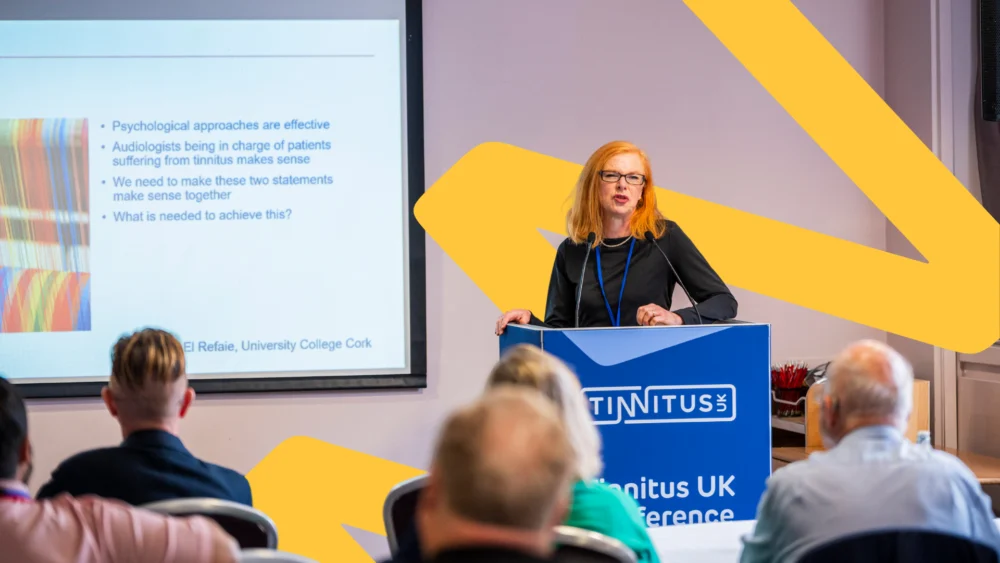
For the estimated seven million adults in the United Kingdom living with tinnitus, the condition is far more than a persistent ringing or buzzing in the ears. It is a complex, multifaceted health challenge that often dictates sleep patterns, mental health, and social participation. On February 24, 2026, Tinnitus UK took a decisive step toward addressing this widespread issue by convening the inaugural meeting of the Research Evolution Group (REG), a high-level assembly of experts tasked with recalibrating the nation’s approach to tinnitus research and management.
The establishment of the REG represents a strategic pivot for the charity. Rather than attempting to cast a wide net across all branches of auditory science, the group has been mandated to identify specific, high-impact areas where Tinnitus UK can leverage its unique position as a bridge between patient advocacy and clinical innovation.
The Genesis of the Research Evolution Group
The formation of the REG follows a period of mounting pressure on the health sector to provide more than just coping mechanisms for those affected by chronic tinnitus. While global research into neuroplasticity and auditory pathways has advanced significantly, the translation of these findings into clinical practice has often been fragmented.
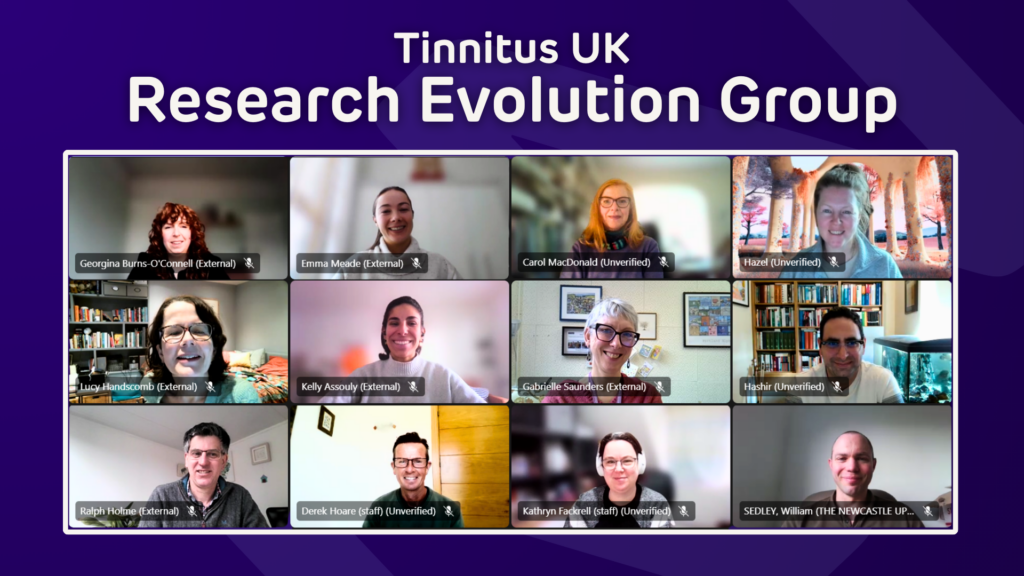
The REG serves as a structured response to this fragmentation. By formalizing a four-month intensive consultation period, Tinnitus UK aims to transition from general awareness-raising to a targeted, evidence-based research agenda. The primary objective is to define a "strategic footprint"—a set of research priorities that will guide the organization’s funding allocations and policy advocacy over the next three to five years.
Expert Composition and Multi-Disciplinary Oversight
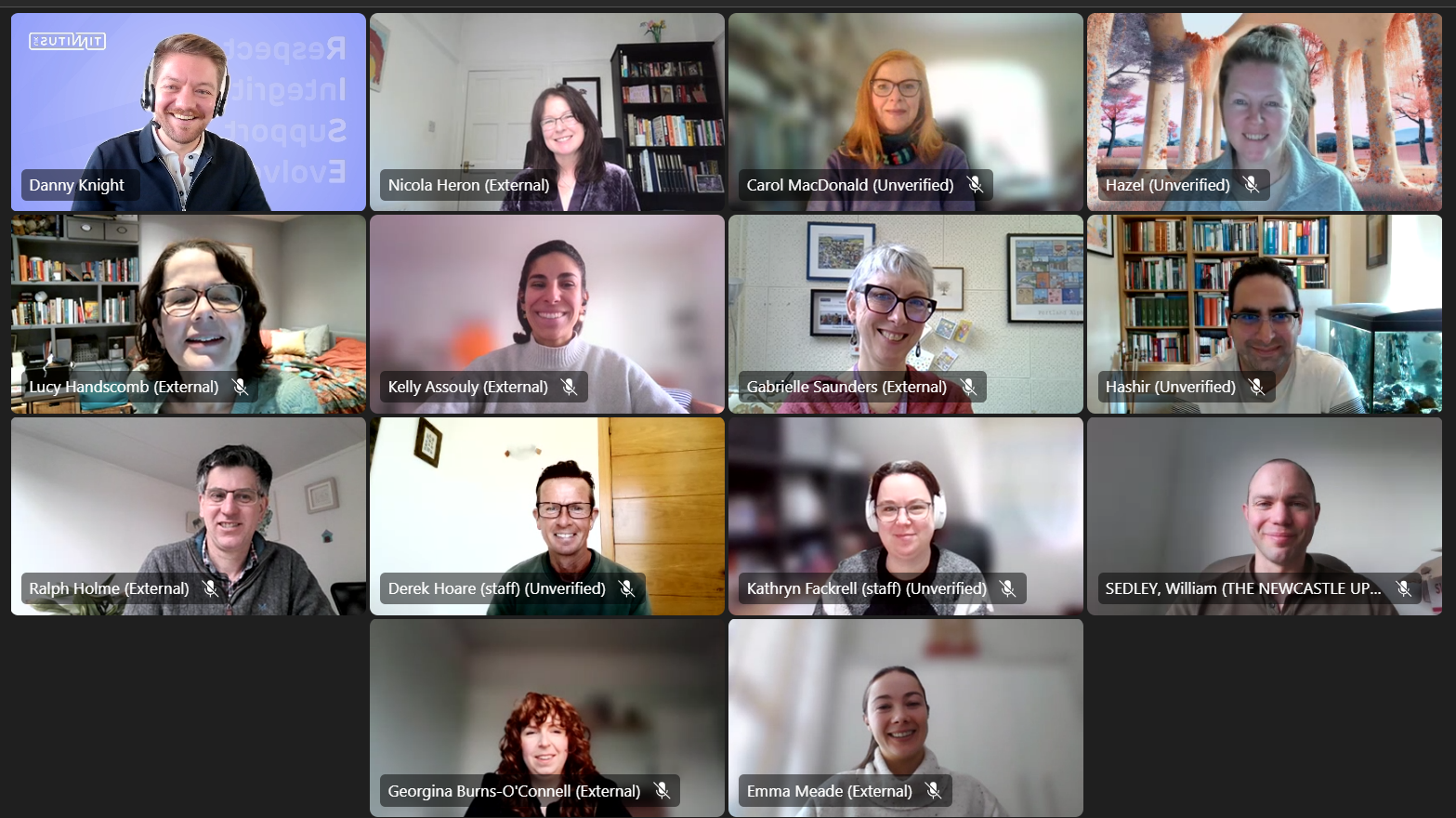
The credibility of the initiative rests on the breadth of expertise assembled. The group is chaired by leaders from the Medicines Discovery Catapult and includes senior researchers from the Nottingham Biomedical Research Centre, University College London (UCL), and the University of Manchester.
The inclusion of industry representatives from companies like Neuromod and Cochlear underscores the necessity of integrating commercial innovation with academic rigor. Furthermore, the presence of advocacy groups such as Tinnitus Hub ensures that the research remains grounded in the realities of patient lived experience. This multi-disciplinary approach acknowledges that tinnitus is not merely an ear-based problem; it is a neurological and psychological phenomenon that requires a holistic approach to intervention.
Contextualizing the Burden of Tinnitus
To understand the urgency behind the REG’s mission, one must look at the current data. According to the World Health Organization and national health audits, the global prevalence of tinnitus continues to rise, exacerbated by an aging population and increased exposure to noise pollution.

In the UK, the economic impact is substantial. Lost productivity, coupled with the increased burden on the National Health Service (NHS) for mental health support related to tinnitus-induced distress, amounts to billions of pounds annually. Despite these figures, dedicated research funding for tinnitus has historically lagged behind other sensory disorders. The REG intends to use its collective influence to lobby for greater investment, arguing that the social return on investment for tinnitus research is among the highest in the field of audiology.
A Four-Month Roadmap for Change
The inaugural meeting was not intended to produce an immediate cure, but rather to establish the parameters for a sustainable research ecosystem. The group’s work over the next four months will follow a rigorous, three-phase chronology:
- Phase One: Identification of Knowledge Gaps (February–March 2026). The group is currently auditing existing research to determine where scientific consensus exists and where significant gaps persist. This phase focuses on the "low-hanging fruit"—treatments that could be improved with minor refinements—versus long-term, high-risk biological research.
- Phase Two: Prioritization and Resource Allocation (April 2026). Following the audit, the group will begin the difficult process of excluding non-essential research avenues. By narrowing the focus, the charity aims to prevent the dilution of limited resources, ensuring that every pound of funding contributes to a clear, measurable outcome.
- Phase Three: Strategic Implementation (May 2026). The final stage will involve the publication of a formal research roadmap, which will be presented to the medical community, government funding bodies, and the public.
Analytical Perspective: The Shift Toward Precision Medicine
The formation of the REG signals a broader shift toward "precision medicine" in the treatment of tinnitus. Experts within the group have noted that because tinnitus manifests differently in every patient, a "one-size-fits-all" treatment strategy is statistically unlikely to succeed. By focusing on sub-types of tinnitus—such as somatic, sensorineural, and psychological—the group hopes to move toward personalized therapeutic models.
Furthermore, the emphasis on "what not to do" is a mature, necessary development in the charity’s strategy. Research, by nature, is prone to duplication and inefficiency. By creating a central clearinghouse for research priorities, Tinnitus UK is effectively acting as a coordinator for the UK’s tinnitus research sector, potentially saving years of redundant effort across different university laboratories and clinics.
Responses and Institutional Implications
While the initiative is in its early stages, the initial reaction from the broader scientific community has been one of cautious optimism. Dr. Derek Hoare, a key contributor from the Nottingham Biomedical Research Centre, noted that the strength of the group lies in its ability to reconcile the academic desire for discovery with the patient’s desire for relief.
"The goal is to translate the bench-to-bedside timeline into something that feels tangible for the patient," said one participant, speaking on condition of anonymity regarding the internal deliberations. "We are moving away from the abstract concept of ‘a cure’ and toward the reality of ‘better lives’ through superior management tools and perhaps, in time, pharmaceutical or technological interventions."
Looking Toward the Future
As the Research Evolution Group progresses through its current mandate, the focus remains on long-term sustainability. The challenge for Tinnitus UK will be to maintain momentum beyond the initial four-month cycle. If successful, this model of collaborative, expert-led governance could provide a blueprint for other health charities operating in under-funded or complex disease spaces.
For the millions of people who navigate the daily reality of tinnitus, the launch of this group offers a clear signal: the silence is being broken by meaningful, structured, and collaborative action. The path forward is being paved not by the promise of overnight miracles, but by the steady, deliberate, and scientific refinement of how we understand, treat, and live with the condition. As the group moves into its next series of sessions, the focus will remain fixed on one fundamental question: how can we best serve the millions whose lives depend on the outcome of this work? The answers generated in the coming months will likely define the landscape of tinnitus care for the next decade.