


Firefighting gear is undergoing a fundamental transformation, driven by a convergence of legislative pressure, health advocacy and a demand for radical transparency. As fire departments across the country grapple with a patchwork of state regulations, the focus has shifted from simple manufacturer claims to rigorous, independent verification. In late 2025, Milliken & Company took a decisive step by securing voluntary, third-party testing from Forever Analytical, marking a significant milestone in the fire service industry’s efforts to eliminate per- and polyfluoroalkyl substances (PFAS) from turnout gear. This move represents an inflection point in the industry, moving away from self-policing toward a model of objective, data-driven accountability.
The Genesis of the PFAS Crisis in Firefighting
The history of PFAS in firefighting gear is rooted in the material’s unparalleled ability to resist heat, water, and oil. For decades, these synthetic chemicals—often referred to as "forever chemicals" due to their extreme persistence in the environment and the human body—were standard components in moisture barriers and outer shells of turnout gear. They provided the durability and safety required for high-intensity thermal environments.
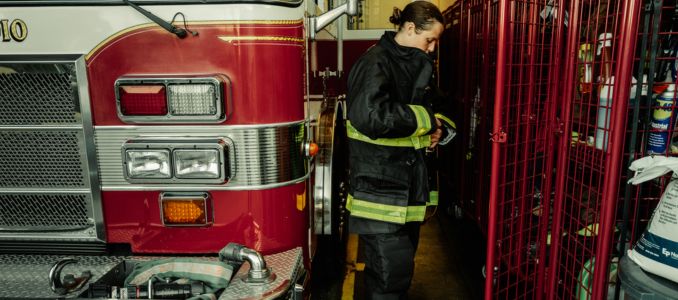
However, the scientific consensus regarding the health risks associated with PFAS has shifted dramatically over the past decade. Studies from organizations such as the International Agency for Research on Cancer (IARC) and various university research programs have identified correlations between PFAS exposure and increased rates of specific cancers, immune system disruption, and other chronic health issues. Because firefighters operate in environments where their gear is subject to extreme wear and degradation, the potential for these chemicals to migrate from the fabric to the skin—or to be released as particulates during fires—became a primary concern for advocacy groups and labor unions.
A Chronology of Regulatory Evolution
The transition toward PFAS-free gear has been marked by a transition from voluntary industry guidelines to mandatory state-level legislative action. The timeline of this shift highlights the urgency felt by stakeholders:
- 2019–2021: Early advocacy efforts gain traction as peer-reviewed studies highlight the prevalence of PFAS in structural firefighting PPE. Industry manufacturers begin initial investigations into material alternatives.
- 2022: States like Maine and Washington pass landmark legislation aimed at phasing out PFAS in consumer products, sparking intense debate over the inclusion of "essential" items like emergency responder PPE.
- 2023–2024: A wave of state-level bills gains momentum. Legislative bodies in states including California, New York, and Massachusetts begin drafting mandates that require manufacturers to disclose the use of PFAS and eventually meet "non-detect" thresholds for total fluorine.
- 2025: As compliance deadlines loom, manufacturers realize that relying on internal testing is insufficient to meet the demands of procurement officers and legal counsel. Milliken & Company initiates third-party verification through Forever Analytical.
Navigating a Complex Regulatory Landscape
The regulatory environment today is characterized by its lack of uniformity. More than 18 states have enacted or proposed legislation regarding PFAS, and the criteria for compliance vary wildly. Some statutes focus on "intentionally added" PFAS, which allows for trace amounts resulting from manufacturing contaminants. Others, significantly more stringent, define compliance based on "total organic fluorine" levels.
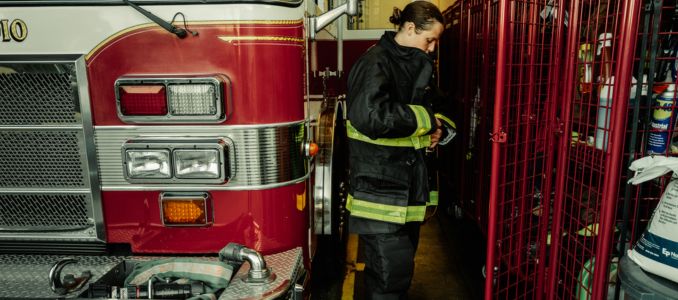
This variance creates a logistical nightmare for fire departments, many of which serve regional areas that cross state lines or operate under different local mandates. Ramesh Kesh, senior vice president and business manager for Milliken’s apparel business, noted that the industry is currently grappling with a "patchwork of requirements."
"The fire service industry is at an inflection point," Kesh said. "Over the past several years, awareness of the use of PFAS in turnout gear has accelerated due to firefighter-led advocacy, evolving state legislation and increasing scrutiny of supply chain claims. Our decision to seek independent verification was a direct response to this environment. Departments are no longer satisfied with general claims; they require objective, defensible data to support their procurement decisions."
The Science of Verification: Moving Beyond Targeted Testing
A critical component of Milliken’s recent verification effort is the methodology employed by Forever Analytical. Historically, manufacturers used targeted testing, which looks for a specific list of known PFAS compounds. However, the chemistry of "forever chemicals" is vast, with thousands of variants currently in existence. Relying on a narrow list allows for the accidental inclusion of replacement chemistries that may share the same toxicological profiles as the banned substances.
By testing for "total fluorine," Forever Analytical provides a more holistic view. If a fabric sample shows no detectable levels of fluorine, it is a strong indicator that no PFAS—known or unknown—are present in the material. This "non-detect" approach is becoming the gold standard for public safety procurement, providing a "failsafe" for departments that cannot afford to have their gear audited for compliance after the purchase has been made.
Industry Implications and Future Outlook
The shift toward independent, third-party verification has profound implications for the PPE supply chain. First, it forces raw material suppliers to be more transparent with textile manufacturers. If a fabric producer cannot verify the composition of their fibers or coatings, they risk being excluded from the market as departments prioritize gear that meets high-transparency benchmarks.
Second, the cost of procurement is likely to rise in the short term. Rigorous, independent testing is an additional expense that must be accounted for in the manufacturing process. However, many industry analysts argue that the long-term cost of litigation, potential health liabilities, and the risk of premature gear replacement due to shifting regulations far outweighs the initial cost of verification.

Third, this trend will likely lead to the consolidation of the industry. Smaller manufacturers that lack the capital or the supply chain oversight to meet these new, stringent verification standards may find it increasingly difficult to compete with larger firms like Milliken that are investing heavily in compliance and transparency.
Official Responses and Stakeholder Reactions
While the industry is largely supportive of these moves, the path forward remains complex. Fire departments are currently in a delicate position: they must balance the urgent need for protective equipment with the necessity of ensuring that the gear itself does not pose a long-term health risk.
Labor unions, such as the International Association of Fire Fighters (IAFF), have been vocal in their demands for safer gear. Their position has been that the burden of safety should not lie with the individual firefighter, but with the manufacturers and the regulatory bodies that govern equipment standards. The move toward third-party verification is being viewed as a victory for these advocacy groups, as it forces the industry to meet the standards that the scientific community has been advocating for years.

Conclusion: The Path Toward Transparency
The commitment to PFAS-free fabrics is not merely a technical adjustment; it is a fundamental shift in the relationship between manufacturers and the first responders they serve. As the industry moves into 2026 and beyond, the focus will likely remain on maintaining this "non-detect" status while simultaneously ensuring that the performance characteristics of turnout gear—durability, heat resistance, and breathability—are not compromised.
The initiative taken by Milliken & Company to subject their materials to independent, third-party scrutiny serves as a template for the rest of the industry. As departments across the nation continue to navigate the complexities of state laws and the ongoing health concerns regarding PFAS, the demand for objective data will only grow. Ultimately, this inflection point marks the beginning of an era where transparency is as critical to firefighter safety as the gear itself. By embracing rigorous verification, the industry is not just complying with the law; it is taking a necessary step toward protecting the health and well-being of the individuals who risk their lives in the line of duty.