

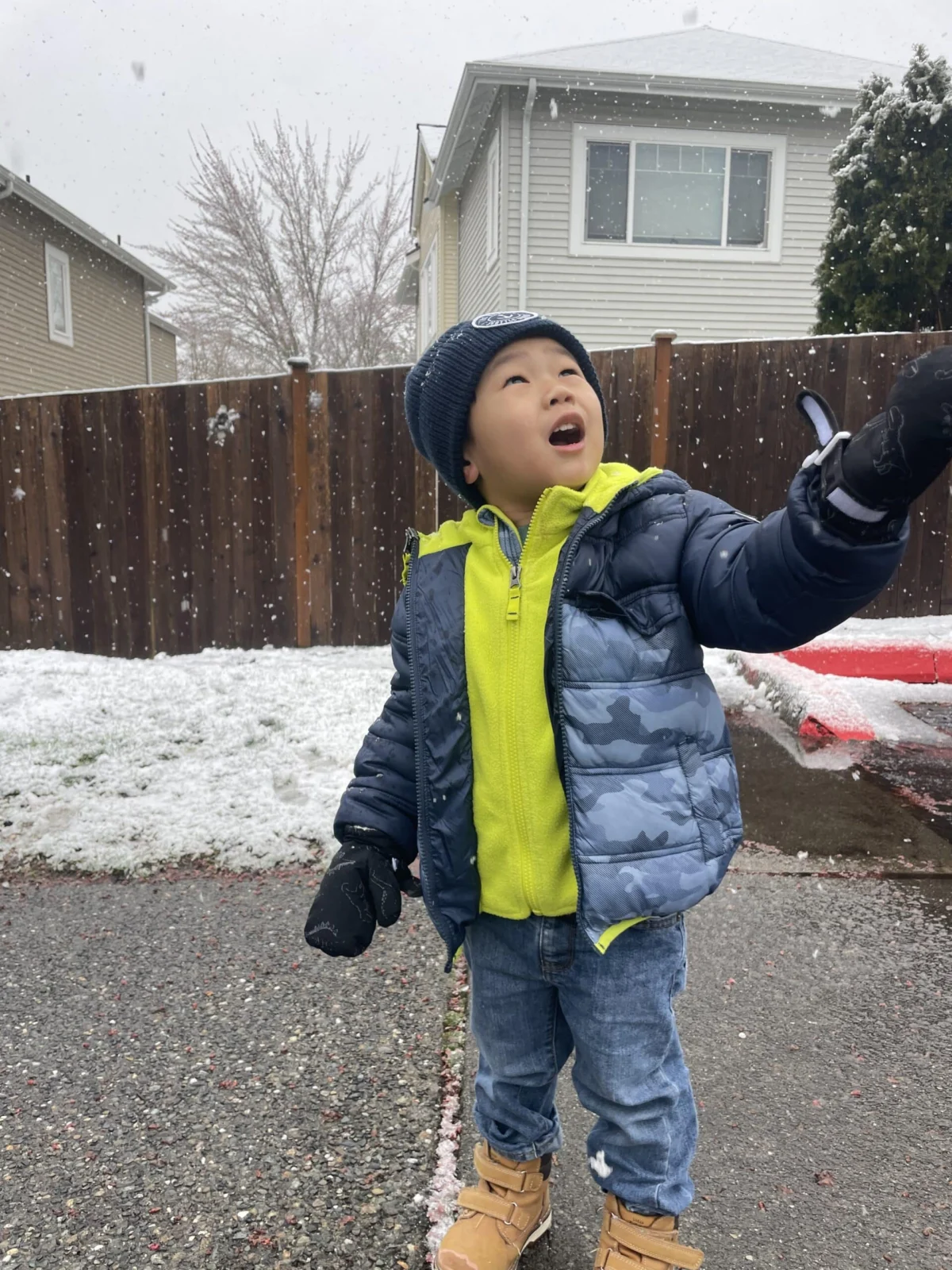
Shortly after his birth, a young boy named Raiden was diagnosed with Auditory Neuropathy Spectrum Disorder (ANSD) in his right ear, a complex hearing condition that disrupts the transmission of sound from the inner ear to the brain. For his family, this diagnosis served as the catalyst for a rigorous, ongoing journey to understand the nuances of his condition and to secure the specialized educational resources necessary for his long-term developmental success. Today, as a student in the Blended Classroom program at Listen & Talk, Raiden’s progress stands as a testament to the efficacy of early intervention, auditory-verbal therapy, and the importance of fostering self-advocacy skills in children who are deaf or hard of hearing.
Understanding Auditory Neuropathy Spectrum Disorder
Auditory Neuropathy Spectrum Disorder is a unique hearing impairment where the cochlea—the snail-shaped organ in the inner ear—functions normally, but the signal transmission to the brain is either impaired or asynchronous. According to clinical data from organizations like the National Institute on Deafness and Other Communication Disorders (NIDCD), ANSD presents a wide spectrum of severity. In Raiden’s case, the diagnosis manifested as moderate to severe hearing loss across specific frequency ranges, which significantly impacted his early speech and language development.
Unlike traditional sensorineural hearing loss, which is often addressed through simple amplification, ANSD requires a highly specialized approach. Because the timing of sound delivery to the brain is affected, children with this condition often experience difficulties with speech perception, especially in noisy environments. The medical and therapeutic community emphasizes that early identification—typically within the first few months of life—is the single most significant factor in determining future linguistic outcomes. For Raiden, the path forward involved a combination of sophisticated amplification technology and intensive, targeted speech therapy.
The Chronology of Early Intervention
The timeline of Raiden’s development highlights the critical nature of timely support. Following his initial diagnosis, his parents were faced with the daunting task of navigating the healthcare and education systems to find a supportive environment. The first phase involved frequent audiometric testing to map the specific pitches where Raiden struggled, followed by the fitting of a hearing aid designed to optimize his residual hearing.
By the fall of the previous year, the family transitioned to the Listen & Talk Blended Classroom model. The decision was not made lightly; the family resided nearly an hour away from the campus, necessitating a significant daily commitment. However, after touring the facility and observing the integration of on-site audiology booths and high-fidelity classroom amplification systems, the family concluded that the benefits of specialized intervention outweighed the logistical challenges.
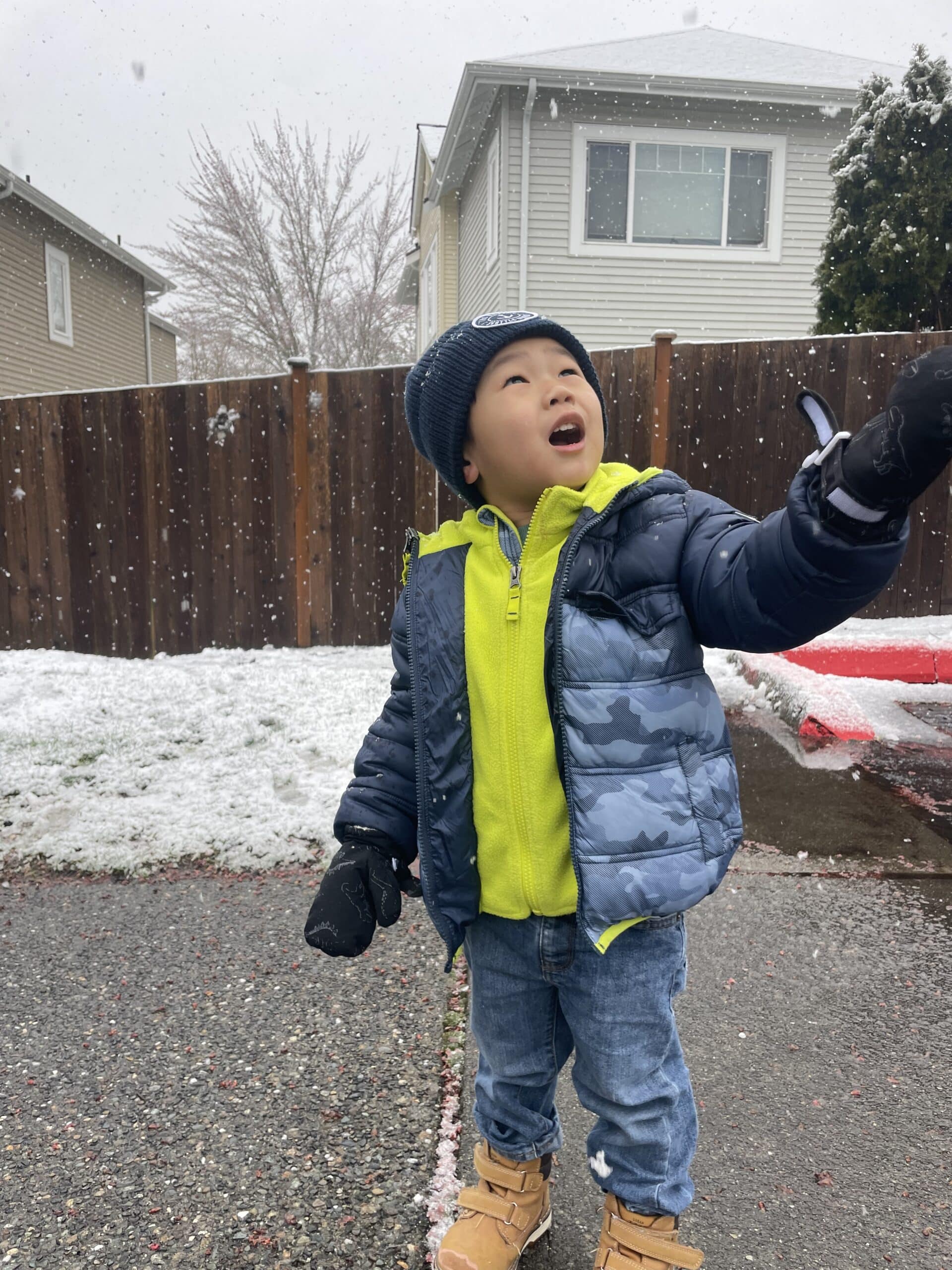
In just a few months, the impact of this environment became clear. Through consistent daily usage and the application of desensitization techniques—designed to reduce the child’s ear defensiveness—Raiden began to wear his hearing aid for longer durations. This physiological adjustment directly translated into measurable communication gains: his linguistic output expanded from simple one-to-two-word phrases to complex three-to-four-word sentences, and he began to take the initiative in social conversations.
The Blended Classroom Model: A Framework for Inclusion
The Listen & Talk Blended Classroom is a specialized educational structure that integrates children with hearing loss alongside their typically hearing peers. This model is designed to create an "auditory-rich" environment, which researchers have identified as a primary driver for language acquisition in children with hearing impairments.
In this setting, the curriculum is not merely academic; it is therapeutic. While the classroom experience provides the social and linguistic benefits of peer-to-peer interaction, children with hearing loss are periodically pulled out for one-on-one speech therapy. This dual-track approach ensures that the child receives the individualized attention required to address their specific hearing deficit while participating in the broader social fabric of a standard classroom.
A core component of this model is the development of self-advocacy. By training children to recognize when they cannot hear or understand a speaker, and teaching them how to communicate those needs to teachers, coaches, or peers, the program prepares students for the transition to traditional K-12 education. Advocacy is not just a soft skill; it is a critical tool for academic survival for children with hearing loss. It ensures that when these children enter larger, less controlled environments, they possess the agency to request preferential seating, verify that a speaker is using an FM system, or ask for repetition to ensure full comprehension.
Broader Implications and Statistical Context
The challenges faced by the family are mirrored by thousands of households across the country. According to the Centers for Disease Control and Prevention (CDC), hearing loss is the most common birth defect in the United States, with approximately 1 to 3 per 1,000 infants born with some degree of hearing impairment. When including conditions like ANSD, the need for specialized, early-intervention programs becomes even more pronounced.
The socioeconomic and developmental implications of untreated hearing loss are profound. Studies from the Early Hearing Detection and Intervention (EHDI) programs consistently show that children who receive intervention before the age of six months show significantly higher linguistic performance compared to those who do not. The “social impact enterprise” model—such as the one utilized by Listen & Talk—serves as a bridge for families who may otherwise lack access to these highly specialized resources. By funding audiology testing, speech therapy, and parental education, such programs reduce the long-term public burden of specialized education and support services by empowering children to reach their full potential early in life.

The Path to Advocacy and Future Success
For parents of children with hearing loss, the journey is often characterized by the tension between providing specialized care and ensuring the child feels a sense of normalcy. As Lace Yamamoto of the Listen & Talk program notes, the goal is to create a future where "no child is limited by hearing loss." This vision requires a shift in how society views deafness and hard-of-hearing conditions—moving away from a deficit-based model to one that emphasizes empowerment, technology, and inclusion.
The success of students like Raiden serves as a practical blueprint for this approach. By focusing on the intersection of technology (hearing aids and classroom amplification), therapy (speech and language support), and advocacy (teaching the child to speak up for their own needs), the educational community can effectively close the gap between deaf and hearing students.
As Raiden continues to grow, his ability to participate in the classroom and initiate conversations with his peers serves as a reminder that the early years are not just about learning vocabulary or grammar; they are about building the confidence to exist in a world that is not always designed for those with hearing differences. The support provided by charitable contributions to such programs ensures that this high-level care remains accessible, not just for those who can easily commute to specialized centers, but for all families who require it.
In conclusion, the story of Raiden highlights a critical reality in modern pediatrics and education: early diagnosis is only the beginning. It is the subsequent integration of the child into a supportive, specialized environment that defines the trajectory of their life. As society continues to refine its approach to neurodiversity and sensory differences, the blended classroom model stands out as a robust, evidence-based solution that prioritizes both the clinical and human aspects of development. Through continued investment in these programs, the dream of a future where hearing loss does not define a child’s limitations becomes an increasingly attainable reality.