


Muffled hearing in one ear can be a disorienting and concerning symptom, often described as a feeling of blockage, fullness, or being underwater. While frequently attributed to temporary and treatable causes such as earwax buildup, congestion, fluid accumulation, or pressure changes, the unilateral nature of this symptom necessitates careful consideration and, in some instances, prompt medical evaluation. Understanding the potential causes, recognizing the signs of urgency, and knowing when to seek professional help are crucial for effective management and preserving auditory health.
The Multifaceted Nature of Muffled Hearing
Muffled hearing signifies a reduction in the clarity or volume of sounds perceived by one ear. This auditory alteration can manifest as a sensation of the ear being "plugged" or an inability to distinguish nuances in sound. The experience is often accompanied by a feeling of pressure or fullness within the affected ear. Medically, these symptoms can arise from issues affecting the outer ear, middle ear, or inner ear, each presenting distinct diagnostic pathways and treatment strategies.
-
Outer and Middle Ear Blockages: Many common causes of muffled hearing stem from obstructions or alterations in the outer or middle ear, impeding the transmission of sound waves to the inner ear. These include:

- Earwax Buildup (Cerumen Impaction): The ear canal naturally produces wax, which serves a protective function. However, an excessive accumulation can lead to impaction, blocking sound waves and causing muffled hearing, a sensation of fullness, and sometimes a dull ache. Self-treatment with cotton swabs can exacerbate the issue by pushing wax deeper.
- Congestion and Fluid (Otitis Media with Effusion): Following a cold, sinus infection, or allergic reaction, fluid can accumulate in the middle ear space, behind the eardrum. This fluid impedes the vibration of the eardrum and ossicles, leading to muffled hearing and a feeling of pressure. This condition is particularly common in children but can affect adults as well.
- Eustachian Tube Dysfunction: The Eustachian tube connects the middle ear to the nasopharynx, regulating pressure. When this tube becomes blocked or inflamed (often due to colds or allergies), pressure imbalances can occur, leading to muffled hearing, popping sensations, and discomfort, especially during changes in altitude.
- Middle Ear Infections (Otitis Media): While often associated with pain, middle ear infections can also present with muffled hearing, pressure, and sometimes discharge. Prompt treatment is vital to prevent complications.
- Perforated Eardrum: A rupture in the eardrum, whether from trauma, infection, or sudden pressure changes, can lead to muffled hearing, pain, and potential drainage.
-
Inner Ear Involvement: While less common for isolated muffled hearing, conditions affecting the inner ear can also be a cause, particularly when the onset is sudden.
- Sudden Sensorineural Hearing Loss (SSNHL): This is a critical condition characterized by a rapid, significant loss of hearing in one ear, often occurring within minutes to 72 hours. It is typically accompanied by tinnitus (ringing in the ear) and sometimes dizziness or vertigo. SSNHL is considered a medical emergency, as early intervention with corticosteroids can significantly improve the chances of hearing recovery.
When Muffled Hearing Demands Urgent Attention
While many instances of muffled hearing are benign, the unilateral nature of the symptom can sometimes signal a more serious underlying issue. It is imperative to recognize the warning signs that necessitate immediate medical evaluation.
Urgent ENT Evaluation is Crucial if Muffled Hearing in One Ear is Accompanied by Any of the Following:
- Sudden or Overnight Hearing Loss: A dramatic and rapid decline in hearing in one ear is a hallmark of SSNHL and requires immediate attention.
- Severe Ear Pain: Intense pain can indicate an infection or other acute conditions requiring urgent treatment.
- Drainage from the Ear: Otorrhea, or discharge from the ear, especially if accompanied by foul odor, can signify an infection or eardrum perforation.
- Dizziness or Vertigo: The sensation of spinning or imbalance, when occurring alongside muffled hearing, can point to inner ear issues, including SSNHL or Meniere’s disease.
- Neurological Symptoms: Weakness, numbness, facial paralysis, or difficulty speaking are red flags that could indicate a more serious neurological event affecting auditory pathways.
- Tinnitus (Ringing in the Ear): Persistent or sudden onset of ringing in the affected ear, particularly when paired with hearing loss, warrants prompt investigation.
Other Symptoms Suggesting Alternative Diagnoses Requiring Same-Day Evaluation:

- Visible Trauma to the Ear: Any injury to the ear should be assessed by a medical professional to rule out damage.
- History of Ear Surgery: Previous surgical interventions can make the ear more susceptible to certain complications.
- Fever: A fever in conjunction with ear symptoms may indicate an infection requiring medical treatment.
The Criticality of Sudden Sensorineural Hearing Loss (SSNHL)
SSNHL represents a significant challenge in audiology due to its potential for permanent hearing loss if not treated promptly. The exact cause of SSNHL remains unknown in many cases, but it is often associated with viral infections, vascular issues, autoimmune disorders, or acoustic neuroma (a benign tumor on the auditory nerve). The window for effective treatment is narrow, typically within the first 72 hours of symptom onset. Corticosteroid therapy, often administered orally or intratympanically (injected directly into the middle ear), is the primary treatment modality. Early diagnosis and intervention by an Ear, Nose, and Throat (ENT) specialist are paramount to maximizing the chances of hearing recovery. Medical professionals will typically conduct a thorough ear examination and audiological testing to assess the extent of the hearing loss and guide treatment.
Common Causes and Self-Care Strategies
While the potential for serious conditions exists, many cases of muffled hearing in one ear are due to more common and manageable issues.
| Cause | Typical Clues | What You Can Do Safely | When to Seek Care |
|---|---|---|---|
| Earwax Buildup | Gradual muffled or blocked feeling, ear fullness, often no pain. | Avoid cotton swabs; consider professional ear cleaning if symptoms persist or worsen. | If hearing doesn’t improve, pain develops, or you have a history of ear surgery. |
| Congestion/Fluid (Cold/Allergies) | Muffled hearing with pressure, popping, recent cold or allergy symptoms. | Swallow or yawn to gently equalize pressure; manage congestion with standard cold/allergy care. | If symptoms last more than a few days or worsen significantly. |
| Eustachian Tube Dysfunction | Ear pressure or popping, often worse with altitude changes. | Swallow, chew gum, avoid forceful ear "popping." | If pressure or muffled hearing persists beyond a reasonable period. |
| Pressure Changes (Flying/Diving) | Sudden clogged feeling after flying or diving. | Swallow or yawn to gently equalize pressure. | If pain is severe, bleeding occurs, or hearing doesn’t return to normal within a reasonable timeframe. |
| Ear Infection | Pain, fever, drainage, increasing pressure. | Keep the ear dry; avoid inserting objects. | If pain, fever, or drainage is present; seek immediate care. |
| Sudden Sensorineural Hearing Loss (SSNHL) | Sudden or overnight hearing loss, often with tinnitus or dizziness. | Seek urgent medical evaluation immediately; do not wait. | Emergency or same-day medical care is highly recommended. |
Navigating Home Management and When to Seek Professional Help
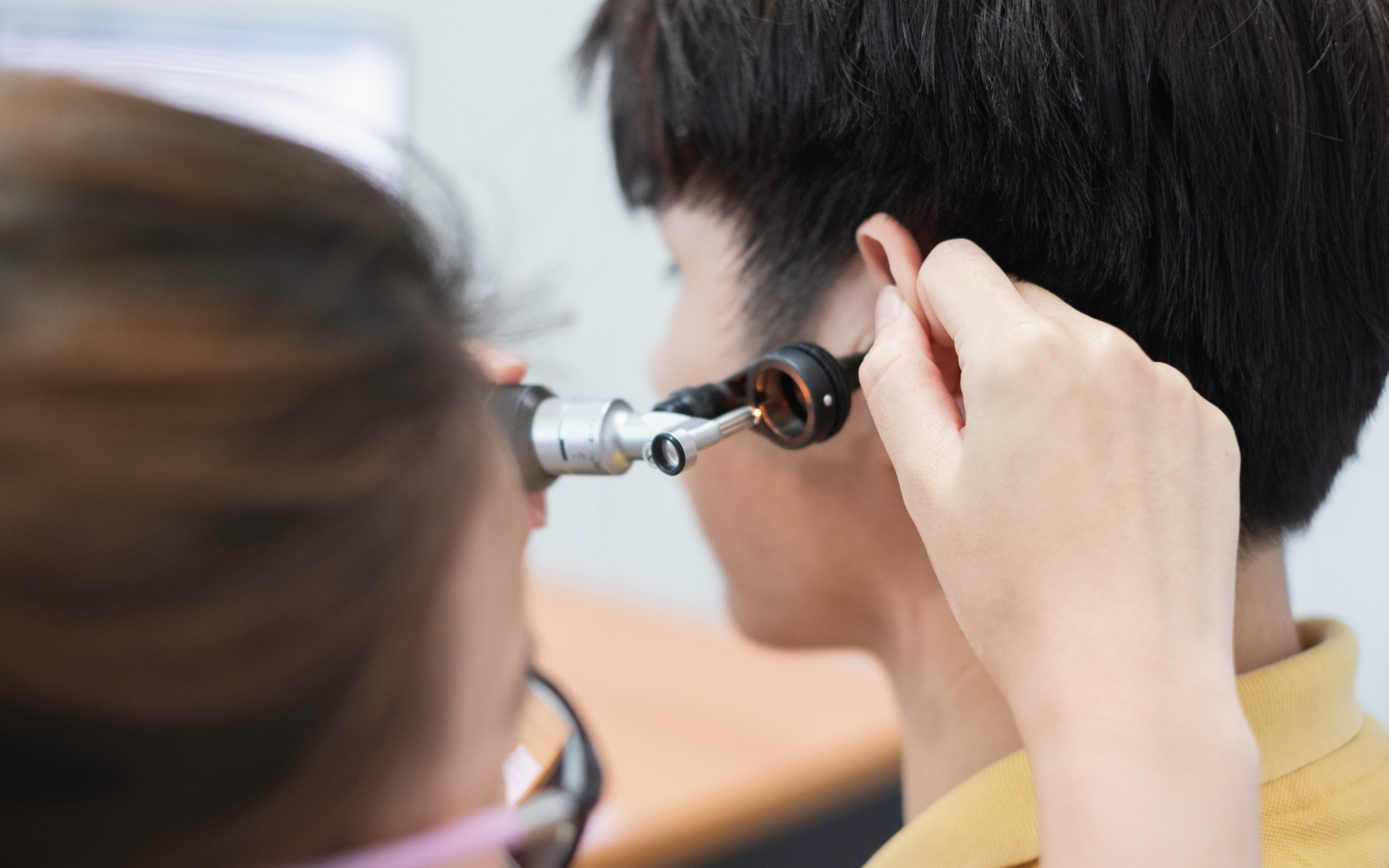
When experiencing muffled hearing in one ear, a systematic approach to assessment and action is advisable.
- Identify Recent Triggers: Consider recent events that might be linked to the symptom. Was there a cold or allergy flare-up? Were you flying or diving? Did you have any head trauma? Was there a change in your environment or activities?
- Screen for Warning Signs: Critically assess for any of the aforementioned urgent symptoms. If present, immediate medical attention is paramount.
- Avoid Risky Home Remedies: It is crucial to refrain from inserting any objects, including cotton swabs or ear candles, into the ear canal. These practices can cause injury, push earwax deeper, or lead to infections. Aggressive ear flushing should also be avoided without professional guidance.
- Gentle Pressure Relief: For suspected pressure-related issues, simple actions like swallowing, yawning, or chewing gum can help equalize pressure in the middle ear. Forceful maneuvers should be avoided.
- The Nuance of "No Pain": The absence of pain does not always correlate with the absence of a significant problem. While muffled hearing without pain often points to wax or congestion, a sudden onset or persistent nature of the symptom warrants medical investigation, especially if it doesn’t resolve within 24 to 48 hours.
Prognosis and Treatment Pathways
The prognosis for muffled hearing in one ear is generally positive, particularly when the cause is temporary and treatable. Hearing often returns to normal once the underlying issue is resolved. For instance, earwax impaction can be cleared, and fluid behind the eardrum may resolve on its own or with medical intervention.
However, if hearing does not improve, worsens, or if a sudden hearing loss occurs, seeking prompt medical treatment is essential. A healthcare professional, typically an ENT specialist, will conduct a comprehensive examination of the ear and may perform audiological tests to determine the exact cause of the hearing alteration.
Treatment strategies are tailored to the specific diagnosis:

- Conductive Hearing Loss (Blockage, Pressure, Fluid):
- Earwax Removal: Professional irrigation or manual removal of earwax.
- Medications: Decongestants, antihistamines, or nasal corticosteroids for congestion and Eustachian tube dysfunction. Antibiotics may be prescribed for ear infections.
- Myringotomy and Ventilation Tubes: In cases of persistent fluid, a small incision in the eardrum may be made to insert a ventilation tube, allowing fluid to drain and equalize pressure.
- Sensorineural Hearing Loss (Inner Ear Issues):
- Corticosteroids: As mentioned, early treatment with steroids is critical for SSNHL.
- Hearing Aids: For permanent sensorineural hearing loss, hearing aids can amplify sounds and improve clarity.
- Bone Conduction Solutions: For individuals with specific types of hearing loss or single-sided deafness, bone conduction devices can transmit sound vibrations directly to the inner ear through the bones of the skull.
- Cochlear Implants: In cases of severe to profound sensorineural hearing loss where hearing aids are insufficient, cochlear implants can bypass damaged parts of the inner ear to directly stimulate the auditory nerve, offering the potential for sound perception.
Preventative Measures and Ear Care
While not all causes of muffled hearing can be prevented, adopting good ear care practices can reduce the risk of common issues:
- Avoid Inserting Objects into the Ear Canal: This is the most critical rule for preventing earwax impaction and injury.
- Manage Allergies and Colds Effectively: Prompt treatment of respiratory infections and allergies can help prevent fluid buildup in the middle ear.
- Practice Safe Earwax Management: If you experience earwax buildup, consult a healthcare professional for safe removal methods rather than attempting to clean it yourself with cotton swabs.
- Protect Hearing from Loud Noise: Prolonged exposure to loud sounds can damage the delicate structures of the inner ear and contribute to hearing loss.
- Stay Hydrated: Adequate hydration can help maintain the health of mucous membranes, potentially aiding in Eustachian tube function.
Conclusion: Prioritizing Auditory Health
Muffled hearing in one ear, while often a transient symptom stemming from benign causes like earwax or congestion, should never be dismissed, especially when it occurs suddenly or is accompanied by other concerning symptoms. The potential for serious conditions like Sudden Sensorineural Hearing Loss necessitates vigilance and prompt medical consultation. By understanding the various causes, recognizing the red flags, and adhering to safe ear care practices, individuals can effectively manage their auditory health and ensure that any hearing concerns are addressed in a timely and appropriate manner. Seeking professional advice sooner rather than later is always the safest course of action when faced with changes in hearing.
Disclaimer: This article is intended for general informational purposes only and does not constitute medical advice. Always consult with a qualified healthcare professional for any health concerns or before making any decisions related to your health or treatment.