

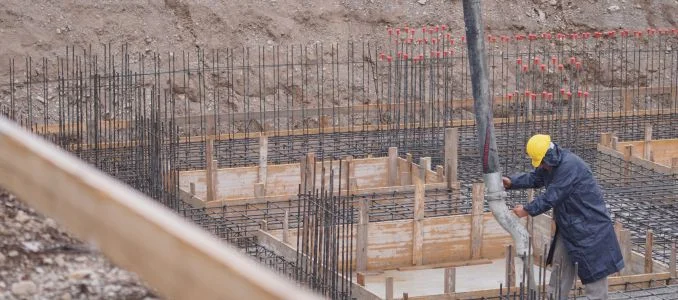
A powerful coalition of nine leading safety organizations has formally petitioned the Occupational Safety and Health Administration (OSHA) to overhaul its regulatory references concerning Personal Protective Equipment (PPE). This initiative, spearheaded by the International Safety Equipment Association (ISEA), seeks to bridge the widening gap between federal safety mandates and the realities of modern workplace protection. By calling for the adoption of updated consensus standards, the coalition aims to provide over 125 million American workers with access to the most effective, science-backed safety equipment currently available.
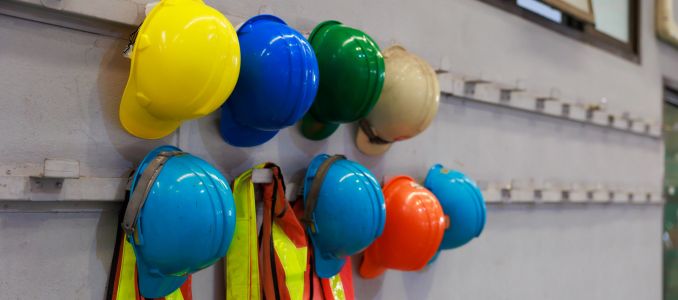
The petition centers on three critical pillars of workplace safety: eye and face protection, occupational head protection, and the contents and design of workplace first aid kits. According to the petition, current OSHA regulations are anchored to standards that, in some instances, have not been updated since 1989. This regulatory stagnation poses a significant challenge for safety managers and employers who operate in a rapidly evolving technological landscape where materials, manufacturing processes, and risk assessment methodologies have undergone fundamental shifts over the past three decades.
A Chronology of Regulatory Stagnation
The disparity between existing federal regulations and modern safety capabilities has been a growing concern within the industrial safety sector. Throughout the late 20th century, OSHA maintained a rigorous pace of incorporating consensus standards—voluntary industry guidelines developed by expert groups like the American National Standards Institute (ANSI)—into its legal framework. However, as the 21st century progressed, the administrative process for updating these references slowed significantly.
By 2026, the cumulative effect of this delay has created a disconnect. While manufacturers have continued to innovate, developing advanced polymers for helmets, high-definition optical materials for eye protection, and more robust, comprehensive first aid protocols, the "law of the land" remains tied to 1980s-era benchmarks. The ISEA and its partners argue that this creates a paradoxical environment: employers often provide gear that exceeds federal requirements because they follow modern industry best practices, yet they remain technically tethered to outdated regulatory language that fails to recognize these advancements.
The Technical Case for Reform
The petition specifically advocates for the integration of the latest versions of three primary standards: ANSI/ISEA Z87.1 for eye and face protection, Z89.1 for head protection, and Z308.1 for workplace first aid.
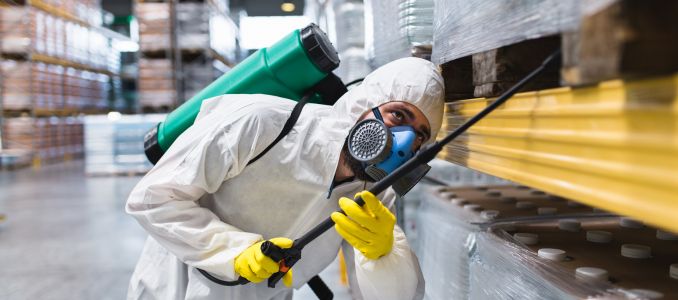
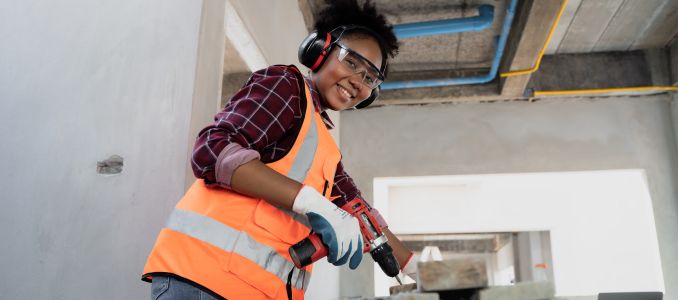
The arguments for these updates are rooted in technical necessity. For instance, the evolution of head protection has moved beyond simple impact resistance. Modern standards now account for rotational force mitigation and integrated systems that combine hearing protection, communication devices, and high-visibility requirements. Similarly, the shift in eye protection standards addresses the rise of modern manufacturing environments where lasers, intense UV light, and sophisticated chemical compounds require advanced filtration and structural integrity that were not envisioned in the 1989 standards.
Regarding first aid, the petition highlights that the current requirements for kits are woefully inadequate for modern office and industrial settings. Updated standards include provisions for more sophisticated medical supplies and clearer, more effective guidance on handling biological hazards, which have become a heightened concern in the post-pandemic era.

Economic and Practical Implications
A key argument presented by the coalition is that updating these references would impose zero additional regulatory costs on the American economy. Because the manufacturing sector has already largely adopted these newer standards to remain competitive and meet international quality benchmarks, the equipment is already on the market. Manufacturers are not asking for new, expensive mandates; they are asking for the government to simply acknowledge the current standard of care.
From a compliance perspective, the updates would provide clarity. When OSHA regulations and industry best practices are misaligned, safety officers are forced to navigate a complex legal landscape. By updating the regulatory references, OSHA would streamline compliance, reduce the ambiguity that often leads to safety violations, and simplify the inspection process for compliance officers.
Industry and Stakeholder Perspectives
Cam Mackey, president and CEO of the ISEA, has been a vocal proponent of the petition, framing the issue as one of fundamental responsibility. "Safety regulations should reflect the best knowledge and protective practices available today—not from decades ago," Mackey stated. He emphasized that the petition is a "straightforward step" that allows the agency to maintain the integrity of its regulatory framework without the need for extensive new rule-making or legislative action.
While OSHA has yet to issue a formal response to the petition, labor advocates and industrial hygienists have largely supported the move. Many experts point out that relying on 35-year-old standards creates a "false sense of security" where an employer might believe they are in full compliance simply by meeting a legal minimum that is, in reality, functionally obsolete.

Broader Impact on the American Workforce
The scale of this issue cannot be understated. With over 125 million workers covered under OSHA’s jurisdiction, the potential for improved safety outcomes is massive. If implemented, these changes would affect virtually every sector of the U.S. economy, from construction and manufacturing to healthcare and logistics.
The impact of better PPE extends beyond immediate injury prevention. Improved ergonomics in head protection lead to higher worker comfort, which increases compliance rates—workers are far more likely to wear equipment that is lighter, more adjustable, and better ventilated. Enhanced eye protection reduces long-term ocular damage and improves productivity by allowing for better visibility in hazardous conditions. Updated first aid kits mean that when accidents do occur, the response is more effective, potentially reducing the severity of injuries and the associated recovery times.

Looking Toward the Future
The petition serves as a litmus test for the agility of federal regulatory agencies in the digital and high-tech age. As materials science continues to advance—with the integration of "smart" PPE, such as sensors that monitor vital signs or ambient environmental conditions—the need for a faster, more responsive regulatory update process will only grow.
If OSHA accepts the petition and begins the process of updating these references, it will signal a commitment to a "dynamic regulatory" approach. This model favors the frequent, incremental update of standards to keep pace with industry innovation, rather than the "all-at-once" overhaul that has characterized the past decades.
For now, the safety community remains in a state of watchful waiting. The full text of the petition is available for public and industry review, and the coalition plans to continue lobbying for a swift response. The move is widely seen as a non-partisan effort, as the benefits of improved safety reach across the spectrum of labor and management. By aligning the law with the latest in safety science, the coalition hopes to secure a standard of protection that is truly commensurate with the risks of the modern workplace. The ultimate success of this effort will depend on OSHA’s willingness to prioritize the modernization of its foundational references, ensuring that the shield protecting the American worker is as advanced as the work they perform.