


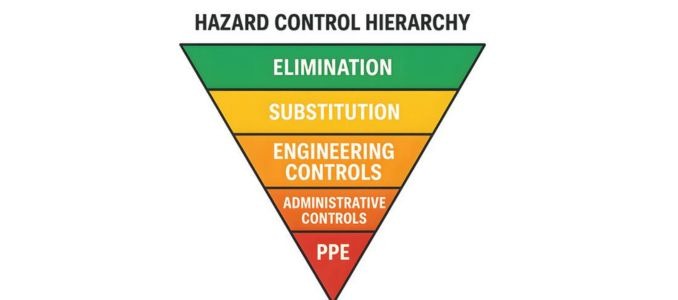
The Hierarchy of Controls stands as the bedrock of modern occupational health and safety (OHS), yet a persistent gap remains between the theoretical framework and its practical application in industrial environments. While safety professionals universally recognize the pyramid structure—prioritizing elimination, substitution, engineering controls, administrative measures, and personal protective equipment (PPE)—organizations frequently invert this priority. In practice, many firms default to PPE as a primary solution rather than a final line of defense, a tendency that perpetuates reactive safety cultures rather than proactive risk reduction. Addressing this systemic imbalance is essential for reducing injury rates and building resilient, sustainable workplaces.
The Evolution of Industrial Safety Standards
The concept of the Hierarchy of Controls did not emerge in a vacuum; it was a response to the rapid, often hazardous industrialization of the early 20th century. During the peak of the Second Industrial Revolution, mechanical and chemical hazards were managed with little regard for systemic design. Safety was viewed through the lens of human error, where the burden of preventing injury fell squarely on the worker. If a machine caused an injury, the industry consensus of the era often suggested that the worker had been "careless."
By the mid-20th century, the shift toward occupational hygiene began to challenge this narrative. Research conducted by entities such as the National Safety Council and early regulatory bodies started to quantify the relationship between environmental design and injury frequency. The chronology of this shift is marked by a series of legislative and professional milestones:
- 1910s–1930s: The "Safety First" movement gains traction, focusing on rudimentary machine guarding and basic housekeeping.
- 1950s: The emergence of modern occupational hygiene principles, emphasizing the "source-path-receiver" model of hazard control.
- 1970: The passage of the Occupational Safety and Health Act (OSHA) in the United States, which formally codified the requirement for employers to provide a workplace free from recognized hazards, effectively mandating higher-level controls.
- 1990s–Present: Global adoption of standards like ISO 45001, which mandates a risk-based approach that prioritizes elimination over administrative dependency.
The Anatomy of the Hierarchy: A Re-evaluation
To understand why the hierarchy is frequently inverted, one must examine the levels of control through the lens of organizational psychology and economic pressure.
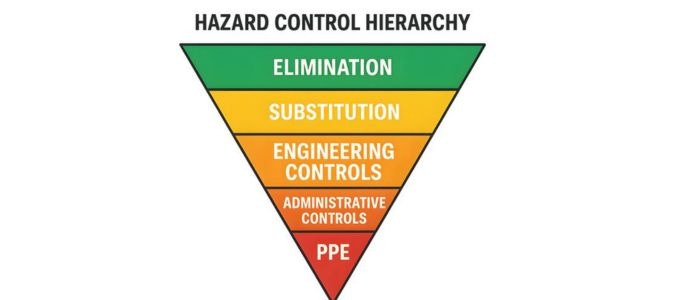
- Elimination: The most effective control, removing the hazard entirely. An example would be automating a task to remove the need for human proximity to high-voltage equipment.
- Substitution: Replacing a hazardous material or process with a safer alternative, such as using water-based solvents instead of volatile organic compounds.
- Engineering Controls: Physically isolating the worker from the hazard. This includes ventilation systems, machine guards, or sound-dampening enclosures.
- Administrative Controls: Changing the way people work. This includes training, signage, rotation schedules, and strict standard operating procedures (SOPs).
- Personal Protective Equipment (PPE): The least effective control, relying on the correct usage and maintenance of equipment like respirators, hard hats, and gloves.
The "bottom-up" approach—relying on PPE first—is often driven by the perception of cost and speed. PPE is relatively inexpensive to purchase and simple to distribute, creating an illusion of immediate protection. Conversely, engineering controls or elimination often require significant capital investment, downtime for installation, and long-term planning. However, data indicates that the long-term costs of administrative reliance—including worker turnover, injury-related insurance hikes, and potential regulatory fines—far outweigh the upfront costs of elimination or engineering.

Supporting Data and Industry Trends
Data from the U.S. Bureau of Labor Statistics (BLS) and the National Safety Council (NSC) consistently show that administrative and PPE-based controls suffer from high failure rates. When safety relies on human behavior (administrative) or equipment integrity (PPE), the margin for error is razor-thin. If a worker fails to wear a mask, or if the mask is improperly fitted, the hazard remains unmitigated.
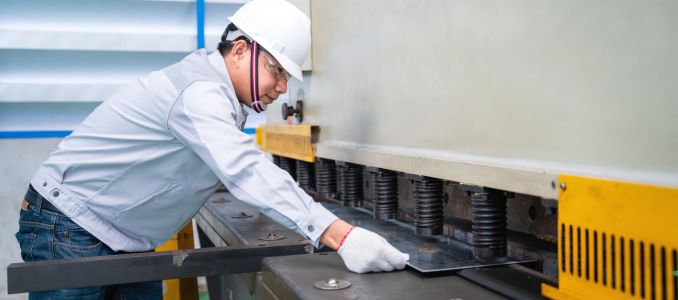
In contrast, engineering controls—such as an automatic shut-off sensor on a saw—remove the possibility of human error from the equation. According to industry analyses, companies that integrate "Prevention through Design" (PtD) initiatives—a proactive application of the hierarchy—report injury rates up to 40% lower than their counterparts who rely primarily on administrative and PPE-focused programs.

The Psychology of Reactive Safety
Why do organizations continue to rely on PPE? Safety experts suggest that "near-miss" culture often drives reactive decision-making. When a incident occurs, the immediate organizational response is to "do something" to demonstrate care for the workforce. Often, that "something" is a new rule (administrative) or a new piece of gear (PPE). These measures provide a tangible, visible response that satisfies stakeholders and regulatory requirements in the short term.
However, this cycle often fails to address the underlying root cause. If a worker slips on an oily floor, the reactive response is to mandate slip-resistant footwear (PPE). The proactive, higher-level response would be to identify the source of the oil leak and fix the seal or redesign the machinery (elimination/engineering). The latter is a permanent solution; the former is a temporary mitigation that requires constant monitoring and enforcement.

Implications for Modern Workplace Strategy
The shift toward a proactive hierarchy requires a cultural transformation. Industry leaders are now advocating for "Safety II" or "Safety Differently" models, which emphasize that safety is not merely the absence of accidents but the presence of robust, systemic defenses.
For safety managers and organizational leadership, the implications are clear:
- Financial Reallocation: Move capital expenditure budgets away from recurring PPE costs toward permanent engineering improvements.
- Integration of Design: Involve safety engineers during the procurement and design phases of new machinery, ensuring that hazards are "designed out" before they ever enter the facility.
- Metric Evolution: Shift key performance indicators (KPIs) from lagging indicators (e.g., injury rates) to leading indicators (e.g., number of engineering controls installed or hazards eliminated).
Official Perspectives and Future Directions
While the Occupational Safety and Health Administration (OSHA) and similar international bodies provide guidance that favors the hierarchy, enforcement often struggles to keep pace with innovation. Official responses from regulatory agencies frequently emphasize that PPE is intended only as a secondary measure when engineering or administrative controls are infeasible or during interim periods.
As technology advances, the ability to climb the hierarchy becomes more accessible. The rise of robotics, artificial intelligence, and advanced material science is enabling the elimination of hazards that were previously considered "inherent" to the job. For example, AI-driven surveillance can detect potential ergonomic strains before an injury occurs, allowing for the substitution of tasks or the redesign of workstations.

Conclusion
The Hierarchy of Controls remains the most powerful tool in the safety professional’s arsenal, yet its potential is often stifled by the convenience of reactive, bottom-tier measures. By rethinking the approach—prioritizing the elimination of hazards through design and innovation—organizations can transition from managing symptoms to ensuring long-term worker health.
The move away from PPE as a primary strategy is not merely a technical adjustment; it is a fundamental shift in how businesses value human life and operational efficiency. As the global industrial landscape grows increasingly complex, the organizations that thrive will be those that view the Hierarchy of Controls not as a regulatory checklist, but as a roadmap for sustainable, proactive, and effective safety management. The path forward is clear: when we remove the hazard, we remove the risk. Everything else is just a measure of how well we hope to survive the hazard.