

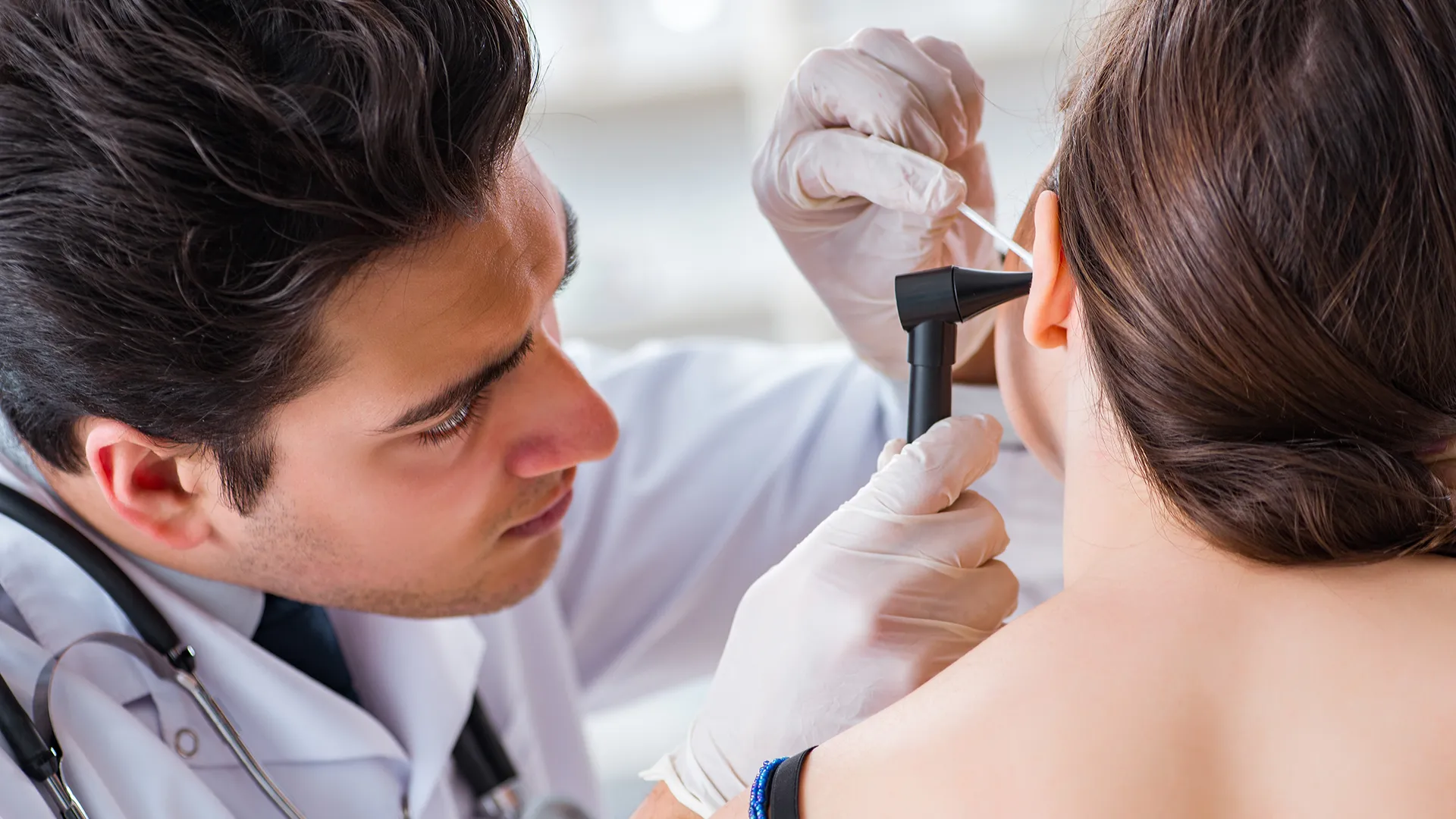
In a significant advancement for neurodiagnostic medicine, researchers have unveiled a novel, non-invasive screening method for Parkinson’s disease (PD) that utilizes the olfactory profile of human earwax. The study, recently published in the American Chemical Society’s journal Analytical Chemistry, details the development of an Artificial Intelligence Olfactory (AIO) system capable of identifying the disease with a 94% accuracy rate. By analyzing specific volatile organic compounds (VOCs) found within the ear canal, this method offers a potential solution to the long-standing challenge of early, affordable, and objective Parkinson’s diagnosis.
Parkinson’s disease is a progressive neurodegenerative disorder characterized by the loss of dopamine-producing neurons in the brain. While it is most commonly associated with motor symptoms such as tremors, rigidity, and bradykinesia (slowness of movement), the disease often begins years, if not decades, before these symptoms manifest. Current diagnostic protocols rely heavily on clinical observation and expensive imaging techniques, which are often inaccessible to patients in lower-income regions or those in the early stages of the condition. The introduction of an earwax-based screening tool could fundamentally alter the landscape of PD management by enabling intervention during the "prodromal" or early symptomatic phases.
The Scientific Foundation: Sebum and Volatile Organic Compounds
The genesis of this research lies in the understanding of sebum, an oily, waxy substance produced by the body’s sebaceous glands. For years, scientists have observed that individuals with Parkinson’s disease often exhibit changes in skin health, such as seborrheic dermatitis. Subsequent investigations revealed that these changes are not merely superficial; the chemical composition of sebum itself undergoes alterations as the disease progresses.
These alterations are driven by the complex physiological changes associated with PD, including systemic inflammation, oxidative stress, and neurodegeneration. As these processes occur, they influence the metabolic pathways of the body, leading to the release of specific Volatile Organic Compounds (VOCs). These compounds evaporate at room temperature and carry a distinct "chemical signature" or odor.
While previous studies attempted to analyze sebum from the skin—specifically the upper back and neck—environmental variables presented a significant hurdle. Sebum on the skin is frequently exposed to air pollution, fluctuating humidity, and personal hygiene products, all of which can contaminate the samples and lead to inconsistent results. To overcome this, the research team led by Hao Dong and Danhua Zhu turned their attention to the ear canal. The internal structure of the ear provides a protected environment where earwax, which is primarily composed of sebum and dead skin cells, remains shielded from the elements. This stability makes earwax an ideal medium for consistent biochemical analysis.
Methodology and Identification of Key Biomarkers
The study was conducted as a single-center experiment in China, involving a cohort of 209 human subjects. Of these participants, 108 had been clinically diagnosed with Parkinson’s disease, while the remaining 101 served as a healthy control group. The researchers utilized a standardized swabbing technique to collect secretions from the ear canals of all participants.
To decode the complex chemical makeup of the samples, the team employed gas chromatography-mass spectrometry (GC-MS). This high-precision analytical method allows scientists to separate, identify, and quantify the various molecules within a substance. Upon comparing the profiles of the PD group against the control group, the researchers identified significant differences in the concentration of several VOCs.
Through rigorous statistical analysis, four specific compounds were identified as potential biomarkers for Parkinson’s disease:
- Ethylbenzene: Often associated with metabolic changes and environmental exposure, its specific elevation in the PD cohort suggests a link to disease-related metabolic shifts.
- 4-Ethyltoluene: A compound whose presence in biological samples is frequently studied in the context of oxidative stress.
- Pentanal: An aldehyde known to be a byproduct of lipid peroxidation, a process where free radicals "steal" electrons from the lipids in cell membranes, resulting in cell damage—a hallmark of neurodegeneration.
- 2-Pentadecyl-1,3-dioxolane: A more complex molecule whose significant variance between the two groups provided a high degree of specificity for the screening model.
Training the Artificial Intelligence Olfactory (AIO) System
Identifying the biomarkers was only the first step. To make the discovery clinically applicable, the researchers integrated the chemical data into an Artificial Intelligence Olfactory (AIO) system. This "electronic nose" was designed to process the complex multidimensional data provided by the GC-MS analysis and recognize the specific patterns associated with Parkinson’s disease.
The AIO system was trained using a machine-learning algorithm that "learned" the difference between the VOC signatures of healthy individuals and those with PD. Once the training phase was complete, the model was tested on a separate set of earwax samples. The results were remarkably robust: the AIO system achieved a 94% accuracy rate in correctly categorizing the samples.
This high level of precision is particularly noteworthy when compared to traditional clinical assessments. In the early stages of Parkinson’s, clinical diagnosis by non-specialists can have an error rate as high as 25% to 30%, as the symptoms often overlap with other neurological conditions like essential tremor or multiple system atrophy. An objective, AI-driven tool could provide clinicians with a definitive "first-look" assessment to guide further testing.
Chronology of Progress in Parkinson’s Diagnostics
The development of the earwax screening tool represents a pivotal moment in a timeline of evolving diagnostic strategies:
- 1817: James Parkinson publishes "An Essay on the Shaking Palsy," defining the clinical symptoms of the disease.
- 1960s: The link between dopamine deficiency and PD is established, leading to the development of Levodopa.
- 2012: The case of Joy Milne, a "super-smeller" who could detect a change in her husband’s body odor years before his PD diagnosis, gains scientific attention, sparking interest in sebum-based VOCs.
- 2019-2021: Multiple studies confirm that the skin of PD patients carries a distinct odor, though environmental contamination remains a challenge for testing.
- 2023-2024: The Dong and Zhu team successfully identifies earwax as a stable medium and applies AI to achieve a 94% diagnostic accuracy, as reported in Analytical Chemistry.
Supporting Data and the "Diagnosis Gap"
The need for such a tool is underscored by global health statistics. According to the World Health Organization (WHO), the prevalence of Parkinson’s disease has doubled in the past 25 years. Global estimates suggest that over 10 million people are currently living with the disease. Furthermore, as the global population ages, the number of cases is projected to reach 12 million by 2040.
A major hurdle in managing this "Parkinson’s pandemic" is the diagnosis gap. In many parts of the world, specialized neurological care is scarce. Furthermore, the gold-standard imaging tool, the DaTscan (Dopamine Transporter Scan), can cost between $2,500 and $4,000 per session and requires the injection of radioactive tracers. In contrast, the earwax swab and GC-MS/AIO analysis could eventually be performed at a fraction of that cost, potentially in a standard laboratory setting.
The economic implications are also substantial. Early diagnosis allows for earlier intervention with neuroprotective strategies, lifestyle changes, and physical therapy. Studies have shown that delaying the progression of PD by even a few years can save healthcare systems billions of dollars in long-term care and hospitalization costs.
Stakeholder Reactions and Expert Analysis
While the broader medical community has welcomed the findings, experts emphasize the need for cautious optimism. Neurologists specializing in movement disorders note that while 94% accuracy is impressive, the study’s small sample size (209 subjects) means it must be validated in larger, more diverse populations.
"The results are highly promising," says Dr. Hao Dong, the study’s lead researcher. "However, we must acknowledge that this was a small-scale, single-center experiment conducted within a specific demographic in China. To truly understand the practical application of this method, we must see how these biomarkers hold up across different ethnicities, dietary habits, and environmental backgrounds."
Patient advocacy groups have also reacted positively. For many patients, the journey to a Parkinson’s diagnosis is a "diagnostic odyssey" lasting years and involving multiple misdiagnoses. A simple earwax test could provide the clarity needed to begin treatment sooner.
From a technical standpoint, the integration of AI is seen as the "force multiplier" in this research. The ability of machine learning to detect subtle nuances in chemical data that would be invisible to the human eye—or even to standard statistical models—is what allows for such high accuracy. This reflects a broader trend in medicine where "multi-omic" data (genomics, metabolomics, etc.) is being synthesized by AI to create personalized diagnostic profiles.
Implications for the Future of Healthcare
The successful development of an earwax-based screening tool for Parkinson’s disease has implications that extend far beyond a single condition. It serves as a proof-of-concept for the use of "bio-olfaction" in diagnosing other neurological and systemic diseases. If the body’s metabolic changes can be captured in the earwax for Parkinson’s, it is possible that similar signatures exist for Alzheimer’s disease, certain types of cancer, or metabolic disorders.
The next phase of research will focus on several key areas:
- Longitudinal Studies: Determining if these VOC changes can be detected in the prodromal phase—before any motor symptoms appear.
- Multi-Center Trials: Expanding the research to clinics in Europe, the Americas, and Africa to ensure the AIO system is universally applicable.
- Point-of-Care Development: Transitioning from large GC-MS machines to portable "electronic nose" devices that could be used in a primary care physician’s office.
As the research moves toward clinical trials and potential regulatory approval from bodies like the FDA or EMA, it stands as a testament to the power of interdisciplinary science. By combining the ancient biological markers of the human body with the cutting-edge capabilities of artificial intelligence, researchers are opening a new door to early detection, offering hope to millions for a future where Parkinson’s disease is caught early enough to change the course of the patient’s life.
The authors of the study acknowledge funding support from the National Natural Sciences Foundation of Science, the Pioneer and Leading Goose R&D Program of Zhejiang Province, and the Fundamental Research Funds for the Central Universities.