


The construction industry, a cornerstone of global infrastructure and economic development, stands at a critical crossroads as it faces a dual challenge: an acute, persistent labor shortage and a slow, often painful evolution toward genuine workforce inclusivity. According to the recently released State of Women in Construction 2026 report from Stack Construction Technologies, the industry’s struggle to diversify its ranks is not merely a matter of recruitment but a systemic issue rooted in workplace culture, inadequate safety infrastructure, and entrenched organizational barriers. While construction firms have spent years issuing pledges to increase female participation, this latest data suggests that the reality on the jobsite for many women remains fraught with bias, safety oversights, and limited professional mobility.

The Current Landscape: A Stagnant Trendline
For decades, women have remained significantly underrepresented in the construction sector, particularly in field-based roles and skilled trades. While the industry has seen minor fluctuations in hiring, the 2026 report highlights that the foundational obstacles to retention are as potent today as they were ten years ago. The report serves as a diagnostic tool for stakeholders, illustrating that the "leaky pipeline"—where women enter the industry but leave shortly thereafter—is caused by structural factors that are frequently overlooked by leadership.
At its core, the issue is twofold: a cultural environment that often treats women as outsiders and a physical jobsite environment that was historically designed exclusively for men. These issues converge to create a workplace that is, at best, uncomfortable and, at worst, unsafe.

Chronology of Industry Efforts
To understand the significance of the 2026 findings, it is necessary to view the industry’s trajectory over the past decade.
- 2016–2019: The industry began a concerted effort to address the "skilled trades gap," with various national associations launching campaigns to attract women to the field. These efforts focused primarily on recruitment numbers, often failing to account for the internal culture required to support new hires.
- 2020–2022: The COVID-19 pandemic acted as a catalyst for deeper discussions on worker health and safety. During this period, the conversation expanded to include mental health, harassment, and the necessity of adequate, gender-neutral sanitary facilities on jobsites.
- 2023–2025: Several major construction firms began implementing formal Diversity, Equity, and Inclusion (DEI) initiatives, alongside standardized anti-harassment training. However, these programs were often criticized for being "check-the-box" exercises that lacked enforcement.
- 2026: The Stack Construction Technologies report marks a shift in the discourse, moving away from anecdotal evidence toward empirical data that links specific equipment and facility gaps to the broader failure of retention strategies.
Data-Driven Realities: The Safety and PPE Gap
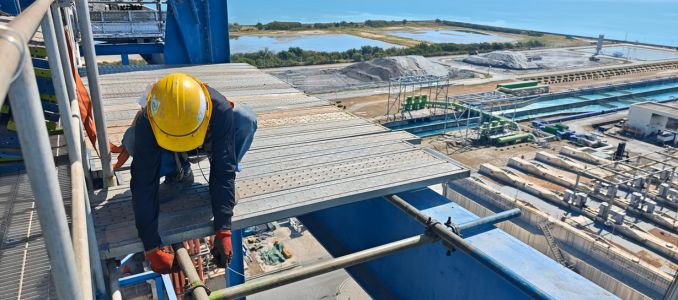
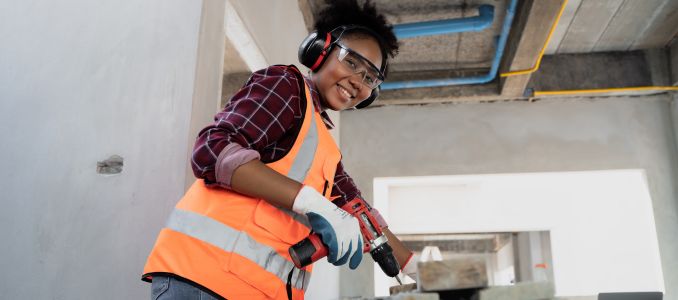
One of the most concerning revelations in the report is the persistent failure to provide adequate Personal Protective Equipment (PPE) for women. While it may appear to be a logistical oversight, the inability to access correctly fitting equipment is a major safety liability. PPE that is too large—designed for the average male frame—poses a significant hazard. Loose clothing can snag on machinery, while ill-fitting harnesses, gloves, and respiratory protection do not provide the necessary seal or stability required to prevent injury.
The report notes that when women are forced to wear "unisex" or ill-fitting men’s gear, it is not just a matter of inconvenience; it is a violation of the fundamental safety principle that equipment must fit the worker to protect them. This failure signals to female employees that their presence is an afterthought, further eroding their sense of belonging within the organization.
Beyond PPE, the report highlights the critical, yet often neglected, necessity of adequate jobsite facilities. The availability of clean, private, and safe restroom facilities remains a point of contention across the industry. Inadequate infrastructure is not just a dignity issue; it is a productivity and safety issue that disproportionately impacts female workers.
Organizational Barriers and the Bias Factor
Beyond physical safety, the report details the "invisible" barriers that hinder career advancement. Many respondents cited the prevalence of informal networking practices—often referred to as "old boys’ clubs"—that dictate project assignments, mentorship opportunities, and promotions.
In many construction firms, the path to leadership is not clearly defined by standardized performance metrics but by proximity to decision-makers and participation in extracurricular industry socializing. This informal structure creates a "glass ceiling" that is difficult to shatter because it is rarely written into policy but deeply ingrained in practice. Furthermore, the report finds that bias remains a frequent experience for women on the job, ranging from microaggressions to more overt forms of harassment. When these behaviors go unaddressed by management, they create a hostile work environment that inevitably leads to high turnover rates among female staff.

Broader Economic and Operational Implications
The failure to foster an inclusive environment is not just a moral or social concern; it is a significant business risk. With an aging workforce and a massive shortage of skilled laborers, the construction industry cannot afford to alienate half of the potential talent pool.
Industry analysts suggest that the firms that are most successful in the coming decade will be those that treat inclusivity as a core operational strategy rather than a secondary HR initiative. When firms fail to retain women, they lose institutional knowledge, face higher recruitment and onboarding costs, and suffer from a lack of diverse perspectives that are proven to improve project safety and innovation.
"The industry’s labor shortage is a math problem," one industry consultant noted. "If you are only recruiting from 50% of the population, and you are losing a large percentage of those you do recruit because your jobsite is not equipped for them, you will never bridge the gap."
The Path Forward: Standardization and Policy
The findings of the 2026 report suggest that solutions must be systemic rather than performative. The following areas have been identified as critical for industry transformation:
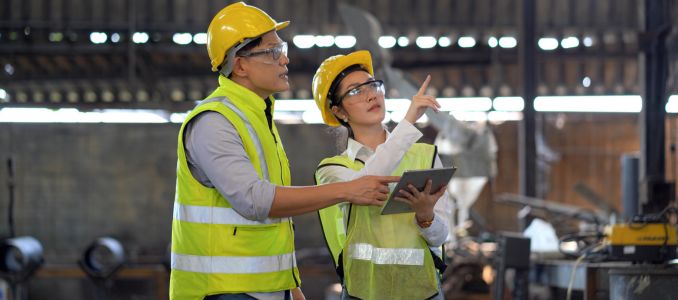
- Standardized Safety Programs: Incorporating inclusive design into safety planning, including the mandatory procurement of properly sized PPE for all body types.
- Infrastructure Investment: Ensuring that every jobsite, regardless of size or duration, provides adequate, safe, and clean sanitation facilities.
- Formalized Mentorship and Growth: Replacing informal networking with structured mentorship programs that offer clear, transparent pathways for promotion and leadership development.
- Inclusive Policy Enforcement: Implementing zero-tolerance policies for harassment and bias, backed by clear reporting mechanisms and independent investigations.
Analysis: A Call for Cultural Evolution
The evidence presented by Stack Construction Technologies reinforces a long-held belief in the safety community: you cannot have a truly safe site if you do not have an inclusive site. Safety is not merely about the absence of accidents; it is about the presence of a culture that respects every individual’s right to work in an environment where they are equipped, supported, and valued.
As the construction sector continues to grapple with the demands of rapid technological adoption and the need for greater efficiency, the human element remains the most significant variable. The 2026 report serves as a sobering reminder that while the industry is building the future, it must also reconstruct its own internal foundations. For construction firms, the choice is increasingly binary: adapt to the needs of a diverse, modern workforce, or continue to struggle against a self-inflicted labor deficit that threatens long-term stability. The organizations that prioritize these inclusive safety practices today are the ones that will define the industry’s success in the years to come.