


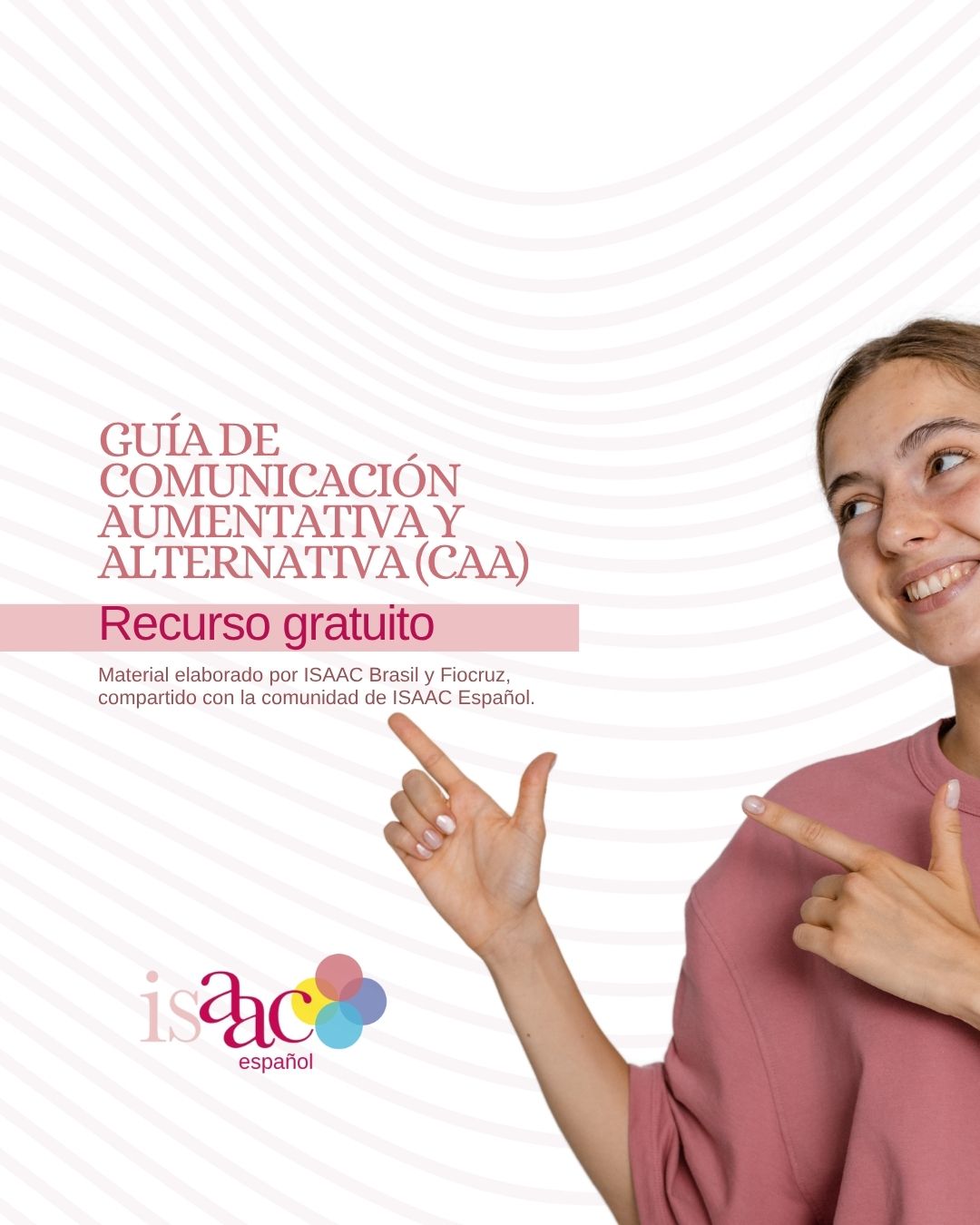
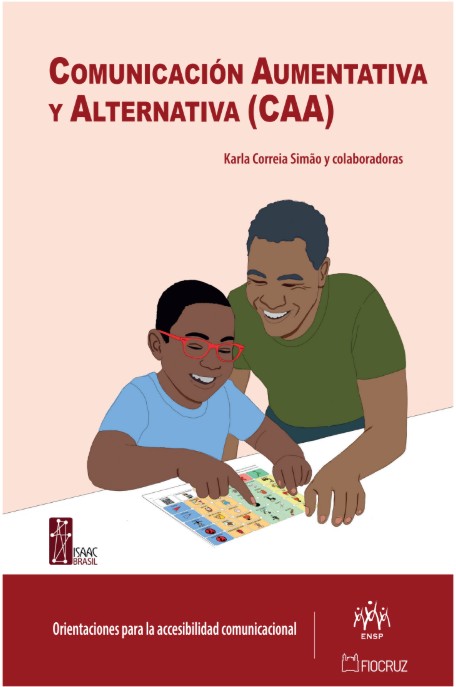
The release of the Guía de Comunicación Aumentativa y Alternativa (AAC Guide) marks a significant milestone in the ongoing effort to democratize communication support for individuals with complex communication needs (CCN). Developed through a high-profile international collaboration between ISAAC Brazil and the Oswaldo Cruz Foundation (Fiocruz), this initiative represents a strategic shift toward providing accessible, research-backed, and culturally relevant resources for the Spanish-speaking global community. The guide, which serves as a foundational manual for families, educators, and service providers, addresses the urgent need for standardized, high-quality information regarding Augmentative and Alternative Communication (AAC) systems.
Background and Collaborative Genesis
The genesis of this guide lies in the recognition of a persistent "information gap" in the Spanish-speaking world regarding AAC. While AAC technology and strategies have advanced rapidly in English-speaking territories, the distribution of pedagogical and clinical resources in Spanish has often been fragmented or geographically isolated. ISAAC (The International Society for Augmentative and Alternative Communication) identified this disparity as a barrier to equity.
By partnering with Fiocruz—a premier public health research institution in Brazil—the project leveraged interdisciplinary expertise. Fiocruz brings a deep history of social equity in health, while ISAAC Brazil provides the clinical and practical framework necessary for effective implementation. The transition of the document from its original Portuguese language to Spanish was not merely a translation task but an adaptation process, ensuring that the terminology resonates with the linguistic nuances of diverse Spanish-speaking regions across Latin America and Europe.
The Landscape of AAC: Current Data and Necessity
The necessity for this guide is underpinned by global prevalence data. According to clinical estimates, approximately 1.3% of the global population is unable to rely on speech to meet their daily communication needs. This demographic includes individuals with autism spectrum disorder, cerebral palsy, amyotrophic lateral sclerosis (ALS), and various neurodegenerative conditions.
In many developing regions, the lack of professional training for caregivers is a primary obstacle. Data suggests that without proper guidance, the implementation of AAC systems—ranging from low-tech communication boards to high-tech speech-generating devices—often fails due to a lack of caregiver consistency. The new guide aims to mitigate these failure rates by providing a clear, jargon-free roadmap for parents and community members, who are often the primary facilitators of AAC implementation in the home environment.
Chronology of the Initiative
The development of the guide followed a rigorous multi-stage timeline that prioritized community feedback and expert review:
- Q1 2025: Conceptualization of the project by ISAAC Brazil and Fiocruz, focusing on the identification of common misconceptions about AAC among primary caregivers.
- Q3 2025: Drafting and pilot testing of the Portuguese version within local clinical networks in Brazil to ensure the efficacy of the instructional diagrams.
- Q1 2026: Initiation of the Spanish translation and cultural adaptation phase, involving linguists and speech-language pathologists from Spanish-speaking chapters of ISAAC.
- April 3, 2026: Official public release of the Spanish-language digital edition, disseminated through international social media channels to ensure immediate accessibility for the global community.
Core Components of the Resource
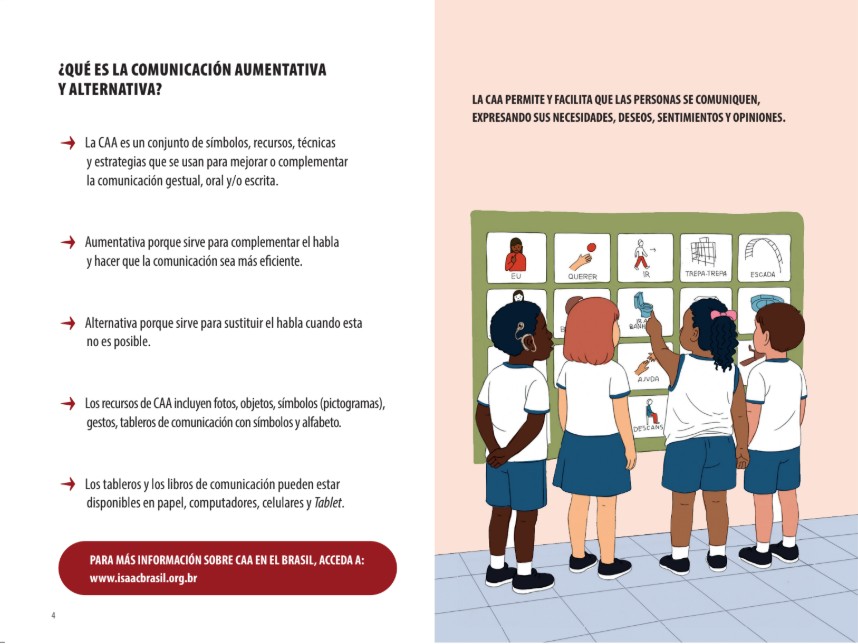
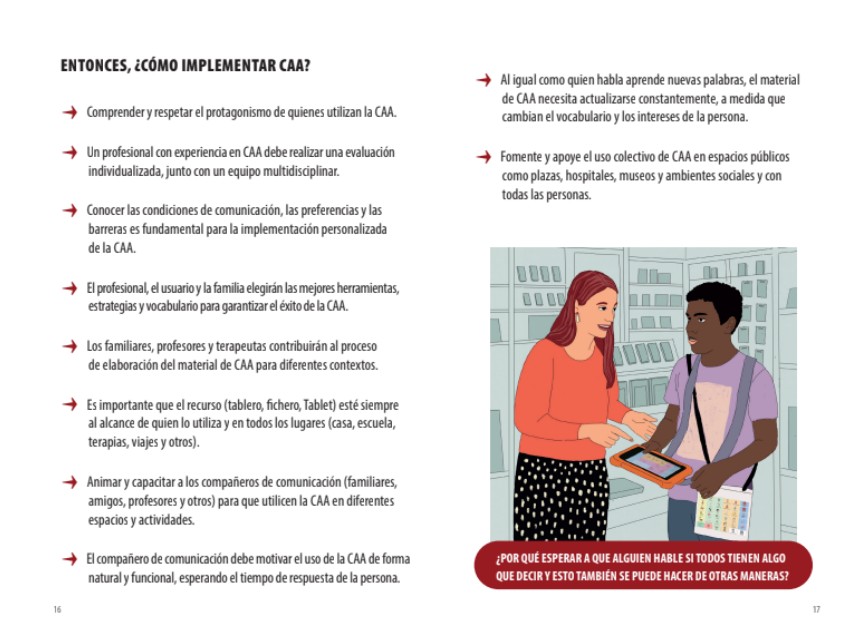
The guide is structured to address the "what," "why," and "how" of AAC. It avoids overly dense academic prose, opting instead for a user-friendly format that prioritizes visual learning. Key features of the document include:

- Foundational Rights: The guide asserts that communication is a fundamental human right, providing a framework for families to advocate for access to AAC services within their respective educational and healthcare systems.
- Implementation Frameworks: It outlines practical steps for incorporating communication boards and devices into daily routines, emphasizing that AAC is not just a tool for the clinic, but a lifestyle requirement.
- Visual Representation: A defining characteristic of the guide is its reliance on illustrations featuring real-world AAC users. This decision serves to normalize the use of assistive technology and reduce the social stigma often associated with non-verbal communication.
Official Perspectives and Institutional Impact
Representatives from the organizations involved have noted that the document is designed to be "living," meaning it is intended for constant iteration based on user feedback. In a formal statement accompanying the release, project coordinators emphasized that "accessibility is not a destination but a continuous process of refinement." By making the guide free to download, ISAAC and Fiocruz are directly challenging the economic barriers that often prevent lower-income families from accessing private consultation or proprietary training materials.
Industry analysts suggest that this collaborative model—where health research institutions provide the backing and professional societies provide the clinical roadmap—could become a template for future humanitarian efforts in the assistive technology sector. By bypassing traditional publishing routes, the project ensures that the information remains under the control of the community it serves.
Broader Implications and Strategic Analysis
The implications of this release extend beyond the immediate utility of the guide. By fostering a digital repository of accessible materials, ISAAC is effectively building a "community of practice" that connects isolated practitioners across borders. This has two primary effects: first, it encourages the standardization of AAC terminology in Spanish, which is vital for academic and clinical research; second, it provides a centralized platform for the future expansion of resources.
Furthermore, the integration of QR codes and digital download links within the dissemination strategy reflects a modern approach to outreach. By leveraging social media platforms like Instagram and Facebook, the project meets the target demographic where they are already seeking community support, effectively bypassing the gatekeeping often associated with traditional medical information dissemination.
However, challenges remain. Critics of purely digital distribution models point out that in areas with limited internet infrastructure, the impact of such a guide may be muted. Future efforts, therefore, may need to address the need for physical distribution or low-bandwidth versions of these materials to ensure that the "digital divide" does not inadvertently exclude the populations most in need of AAC support.
Conclusion and Future Outlook
As of April 2026, the Guía de Comunicación Aumentativa y Alternativa represents a sophisticated response to the systemic challenges facing individuals with complex communication needs. Its success will be measured not only by the number of downloads but by the qualitative improvement in the lives of those who use it to bridge the communication gap. The collaboration between ISAAC and Fiocruz signals a shift toward a more proactive, internationalized approach to disability advocacy.
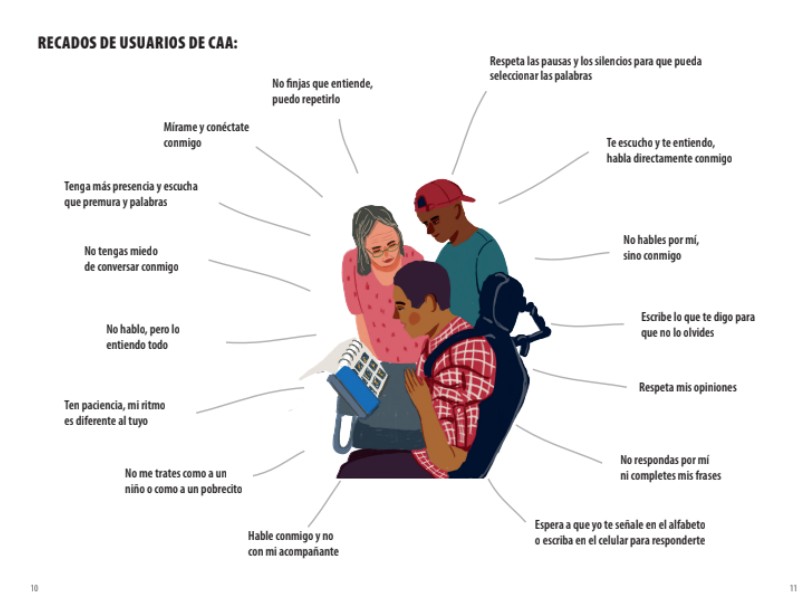
Looking forward, the success of this initiative may prompt further collaborations in other languages and regions. If the guide succeeds in its mission to empower caregivers and professionals, it will set a new precedent for how non-profit organizations can leverage digital technology to provide equitable access to essential information. For families and service providers, the message is clear: the path to more effective communication is now more accessible than ever before, provided they have the right tools to navigate the journey. As the international community continues to prioritize inclusion, this resource serves as a vital instrument in the ongoing struggle for universal communication rights.