

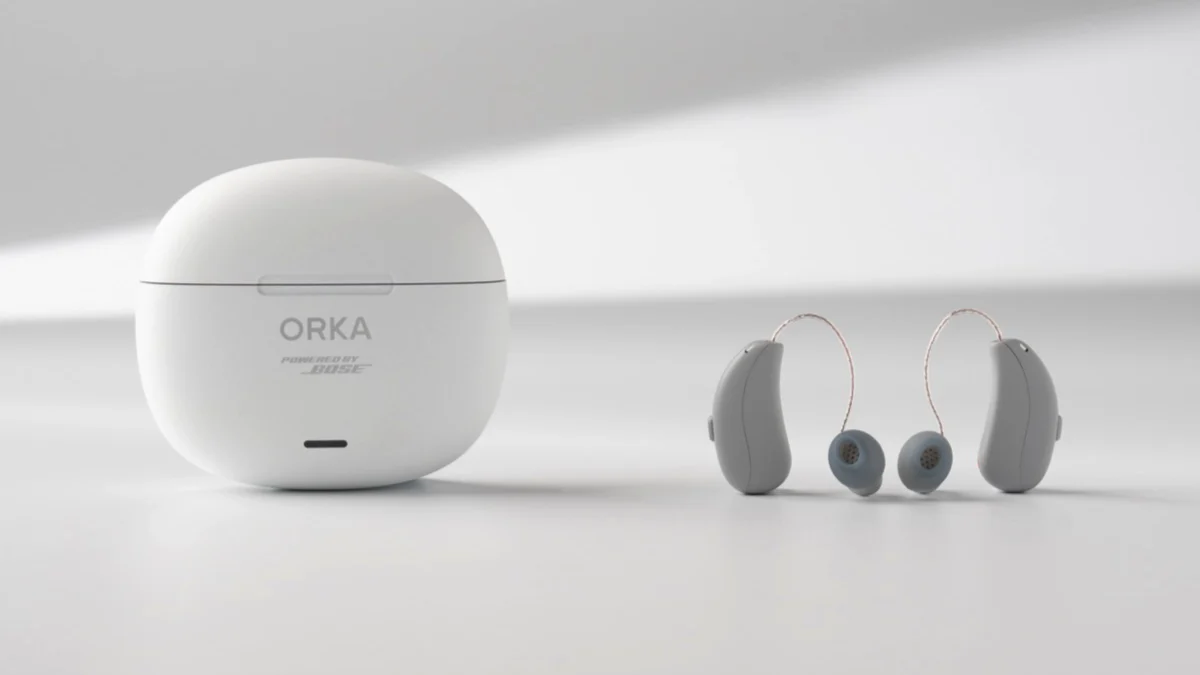
Shanghai, China – ORKA, a burgeoning innovator in hearing technology, has introduced its O1 Pro, a groundbreaking receiver-in-canal (RIC) hearing aid touted as the world’s first to integrate active noise cancellation (ANC) technology. Unveiled at the prestigious Appliance & Electronics World Expo (AWE) 2026 in Shanghai, the O1 Pro is the result of a significant co-development effort with audio giant Bose, leveraging Bose’s renowned "QuietControl" active noise cancellation technology. This launch marks a pivotal moment in the convergence of advanced consumer audio features with essential hearing healthcare devices, potentially redefining user expectations for clarity and comfort in challenging listening environments.
The announcement positions the O1 Pro as a frontier-pushing device, combining the discreet form factor and efficacy of modern RIC hearing aids with the sophisticated noise-canceling capabilities previously exclusive to high-end headphones. The collaboration with Bose, a company synonymous with pioneering noise cancellation, lends substantial credibility and technological depth to ORKA’s offering. Bose’s "QuietControl" technology, recognized for its effectiveness in consumer products, is now miniaturized and adapted for the intricate demands of a hearing aid, promising an unprecedented listening experience for individuals with hearing impairment.
AWE 2026: The Global Stage for Innovation
The Appliance & Electronics World Expo (AWE), held annually in Shanghai, serves as one of the largest and most influential trade shows for consumer electronics and home appliances globally. Running from March 12-15, AWE 2026 has provided an international platform for ORKA to showcase the O1 Pro, drawing attention from industry professionals, technology enthusiasts, and potential distributors worldwide. The choice of AWE for this significant launch underscores the O1 Pro’s dual identity as both a medical device and a high-tech consumer gadget, reflecting the broader industry trend of integrating advanced features from consumer electronics into health-focused wearables. The expo’s prominence in the Asian market also highlights the strategic importance of the region for innovation and market penetration in the rapidly evolving tech landscape.
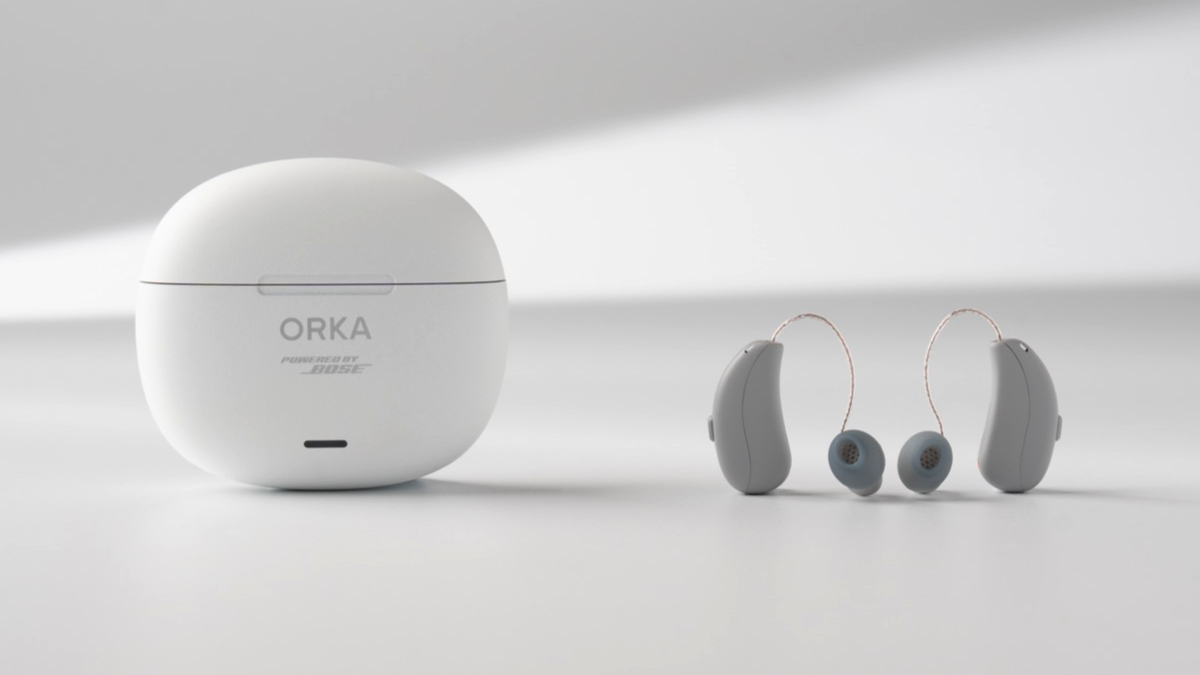
The images released alongside the announcement, depicting the sleek design of the ORKA O1 Pro hearing aids and their accompanying charging case, emphasize the product’s modern aesthetic and user-friendly design. One image shows two ORKA O1 RIC hearing aids with a white charging case, labeled "ORKA O1 Pro Powered by Bose," while another showcases the devices inside their charging case next to a computer, indicating seamless integration into contemporary lifestyles.
The Bose Partnership: A Deep Dive into "QuietControl"
The core of the O1 Pro’s innovative capability lies in its "Powered by Bose QuietControl Active Noise Cancellation technology." Yaniv Kaufman, Bose Head of Product Partnerships (Hearing), offered insights into the collaboration via a LinkedIn post, emphasizing the profound engineering achievement behind the O1 Pro. Kaufman stated that the device is "powered by our ultra-efficient ANC and proprietary micro driver," elaborating on the years of dedicated research and development that made it possible to deliver "Bose ANC that lasts all day in a device worn inside your ear." He further highlighted the significance of this development, characterizing the O1 Pro as marking "a new category of devices."
This partnership represents a strategic move for Bose, leveraging its expertise in noise cancellation and acoustic engineering in a new, impactful domain. For decades, Bose has been at the forefront of active noise cancellation, with its QuietComfort line of headphones setting industry benchmarks for silencing ambient noise. The transfer of this technology to a receiver-in-canal hearing aid presents unique challenges, primarily related to miniaturization, power efficiency, and acoustic integration within the confined space of an ear canal device. The successful implementation, as suggested by Kaufman, indicates a significant engineering feat in adapting a technology traditionally found in larger circumaural or in-ear consumer headphones to the delicate requirements of a medical-grade hearing aid. The "ultra-efficient ANC" and "proprietary micro driver" mentioned by Kaufman are key components, suggesting advancements in both the algorithms and the physical transducers necessary to deliver effective ANC without compromising battery life or sound fidelity.
Understanding Active Noise Cancellation in Hearing Aids
)
Active Noise Cancellation (ANC) operates on the principle of destructive interference. Microphones embedded in the device pick up ambient sounds, and an internal processor then generates an inverted sound wave—equal in amplitude but opposite in phase. When this generated anti-noise wave meets the incoming noise wave, they effectively cancel each other out, significantly reducing the perceived volume of the original sound. This technology is particularly effective at mitigating continuous, low-frequency sounds such as engine hums, air conditioning drones, and general traffic noise, which are often the most pervasive and fatiguing elements in noisy environments.
While traditional hearing aids incorporate various forms of digital noise reduction, these typically rely on algorithms that identify and suppress specific noise patterns or use directional microphones to focus on speech in front of the wearer. These methods, while effective to a degree, differ fundamentally from ANC. Digital noise reduction often works by attenuating certain frequencies or reducing the gain in noisy channels, which can sometimes also impact the clarity of speech or other desired sounds. ANC, by actively canceling the noise waveform, offers a more direct and often more potent solution for continuous background noise, particularly in the lower frequency ranges where conventional noise reduction can be less effective without compromising speech understanding.
The integration of ANC into RIC hearing aids is particularly challenging. RIC devices have a speaker (receiver) that sits directly in the ear canal, connected by a thin wire to a behind-the-ear (BTE) unit. While this design offers cosmetic appeal and acoustic benefits, the open or semi-open fit often leaves some leakage path for external sound, particularly low-frequency noise, to reach the eardrum directly. This "direct path" leakage can undermine the effectiveness of traditional noise reduction algorithms that process sound through the hearing aid’s microphone and amplifier. ANC, by creating an anti-noise wave directly within the ear canal, has the potential to counteract this leakage more effectively, thereby improving the overall signal-to-noise ratio (SNR) at the eardrum.
Academic Validation and Real-World Impact
The theoretical benefits of ANC in hearing aids have been explored in academic research. A recent paper published in Trends in Hearing by Andrew Sabin and colleagues at Bose delved into how ANC could indeed improve the signal-to-noise ratio (SNR) in hearing aids. The study highlighted that ANC could significantly benefit certain RIC-style hearing aids by reducing low-frequency leakage through the direct path. This reduction would then allow the SNR improvements from the hearing aid’s processed path to be more impactful at the eardrum, leading to potentially clearer sound perception for the user.
)
However, the paper also underscored critical prerequisites for the real-world success of ANC in hearing aids. These include a low-latency implementation, ensuring that the anti-noise wave is generated and delivered almost instantaneously to effectively cancel the incoming noise. Strong low-frequency cancellation capabilities are also essential, as these are the frequencies most prone to leakage and most fatiguing. Crucially, the paper emphasized the need for robust companion SNR-improving algorithms to work in conjunction with ANC. This suggests that ANC is not a standalone solution but rather a powerful enhancement that must be carefully integrated into a comprehensive sound processing strategy within the hearing aid. The authors noted that while ANC in RICs appears promising, its ultimate real-world impact on speech understanding remains uncertain without extensive human outcome data. This cautious optimism from research provides a critical framework for evaluating the O1 Pro’s performance in clinical and daily usage.
Bose’s Evolving Strategy in the Hearing Health Market
The ORKA O1 Pro launch is not Bose’s first foray into the hearing aid market, but it signifies a refined strategic approach. Bose has had a dynamic and evolving relationship with the hearing healthcare sector over the past few years.
In 2021, Bose made headlines with the introduction of the SoundControl Hearing Aid, which was notably the first self-fitting over-the-counter (OTC) hearing aid to receive FDA clearance. This product was a pioneering effort, aiming to make hearing amplification more accessible and affordable by allowing users to fit and adjust the devices themselves without needing a professional audiologist. The SoundControl represented Bose’s direct entry into the hearing aid market, leveraging its consumer audio expertise to address a significant public health need.
However, in 2022, Bose announced its decision to exit direct hearing aid sales. This strategic pivot was driven by various factors, including the complexities of navigating the medical device regulatory landscape, the specialized sales and support infrastructure required for hearing aids, and perhaps a re-evaluation of its core business model. Despite this withdrawal from direct sales, Bose signaled its continued commitment to the hearing health space through partnerships.
)
This commitment materialized in a collaboration with Lexie Hearing, a prominent player in the OTC hearing aid market. Through this partnership, Bose’s technology powers the Lexie B1 and B2 Plus OTC devices, effectively re-entering the category by licensing its innovations rather than managing direct sales and service. This model allowed Bose to contribute its technological prowess without shouldering the operational burdens of a full-fledged hearing aid company. The partnership with ORKA for the O1 Pro, particularly in a prescription-grade RIC device segment (though the article does not explicitly state prescription, RICs are typically fit by audiologists), indicates a further expansion of Bose’s licensing strategy, targeting different segments of the hearing aid market with its specialized ANC technology. This multi-pronged approach demonstrates Bose’s intent to remain a significant technology provider in the hearables space, adapting its business model to maximize impact and reach.
Broader Market Implications and Future Outlook
The unveiling of the ORKA O1 Pro has significant implications for the broader hearing aid industry and the future of hearing technology.
Convergence of Industries: This product epitomizes the ongoing convergence between consumer electronics and medical devices. As technology advances, the lines between gadgets for entertainment and tools for health are blurring. Features like ANC, once a premium differentiator in headphones, are now becoming integrated into essential health devices. This trend is likely to drive further innovation, pushing traditional hearing aid manufacturers to incorporate more advanced consumer-centric features to remain competitive. It also opens new avenues for collaboration between tech giants and specialized medical device companies.
Enhanced User Experience: For individuals with hearing loss, the O1 Pro promises a dramatically improved listening experience, particularly in noisy environments. The ability to actively cancel out background noise, rather than merely reduce it, could significantly lower listening effort and improve speech understanding. This could lead to greater participation in social activities, enhanced professional performance, and an overall better quality of life for users who often struggle in complex soundscapes. The promise of "ANC that lasts all day" addresses a critical user need for sustained performance.
)
Competitive Landscape: The introduction of the O1 Pro could intensify competition within the hearing aid market. Traditional manufacturers, who have long focused on sophisticated signal processing, feedback cancellation, and connectivity, may now be compelled to accelerate their own research and development into integrated ANC solutions. This could lead to a wave of new products featuring similar technologies, benefiting consumers through increased choice and innovation.
Over-the-Counter (OTC) Market Influence: While the O1 Pro is a RIC device, often associated with professional fitting, its underlying technology has strong implications for the burgeoning OTC hearing aid market. As OTC devices become more sophisticated, the integration of advanced features like ANC could become a standard expectation. Bose’s existing partnership with Lexie for OTC devices further reinforces this potential, suggesting a future where high-performance noise cancellation is accessible across various hearing aid categories.
Regulatory Considerations: The integration of such advanced technology also raises questions about regulatory frameworks. As hearing aids become more feature-rich and closer to consumer electronics, regulatory bodies like the FDA will need to continue adapting their guidelines to ensure both safety and efficacy, while also fostering innovation.
The ORKA O1 Pro, powered by Bose, represents more than just a new hearing aid; it signals a transformative shift in how hearing technology is conceived and delivered. By bringing world-class active noise cancellation to a receiver-in-canal form factor, ORKA and Bose are not only addressing a critical need for clearer sound in noisy environments but also charting a new course for the future of hearing health devices. As the AWE 2026 continues, the industry awaits further details and performance data that will undoubtedly shape the conversation around this pioneering advancement. HearingTracker plans to provide more detailed information about the product as it becomes available, offering a deeper analysis of its technical specifications, clinical performance, and market impact.