

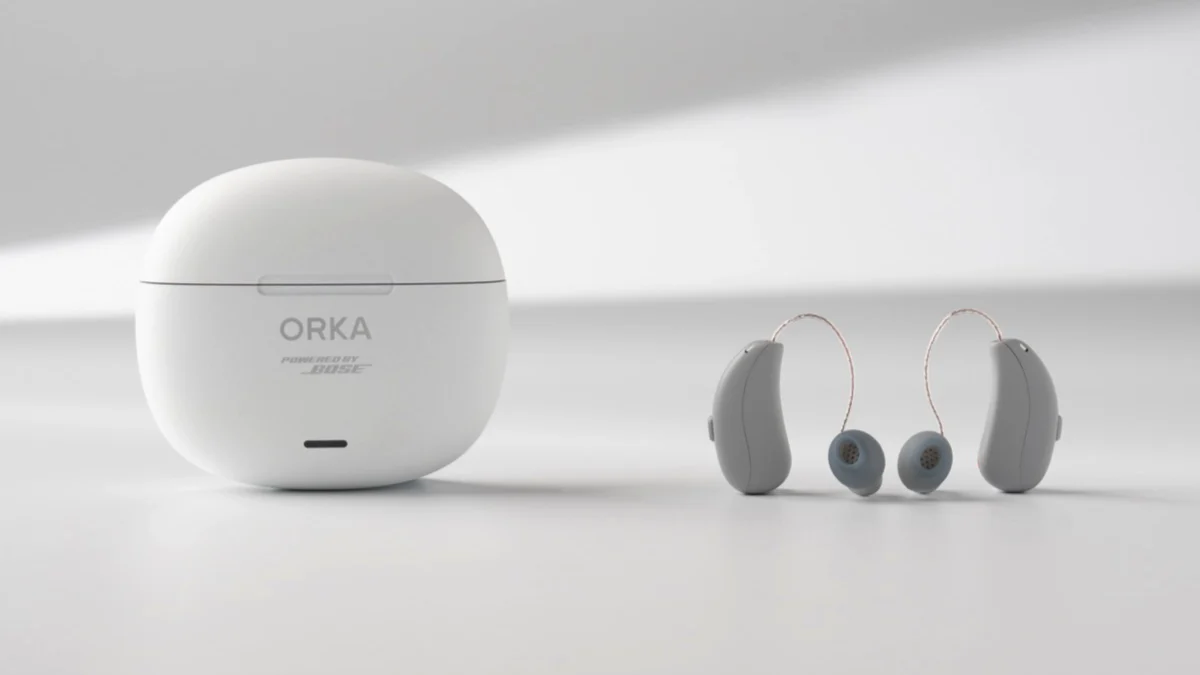
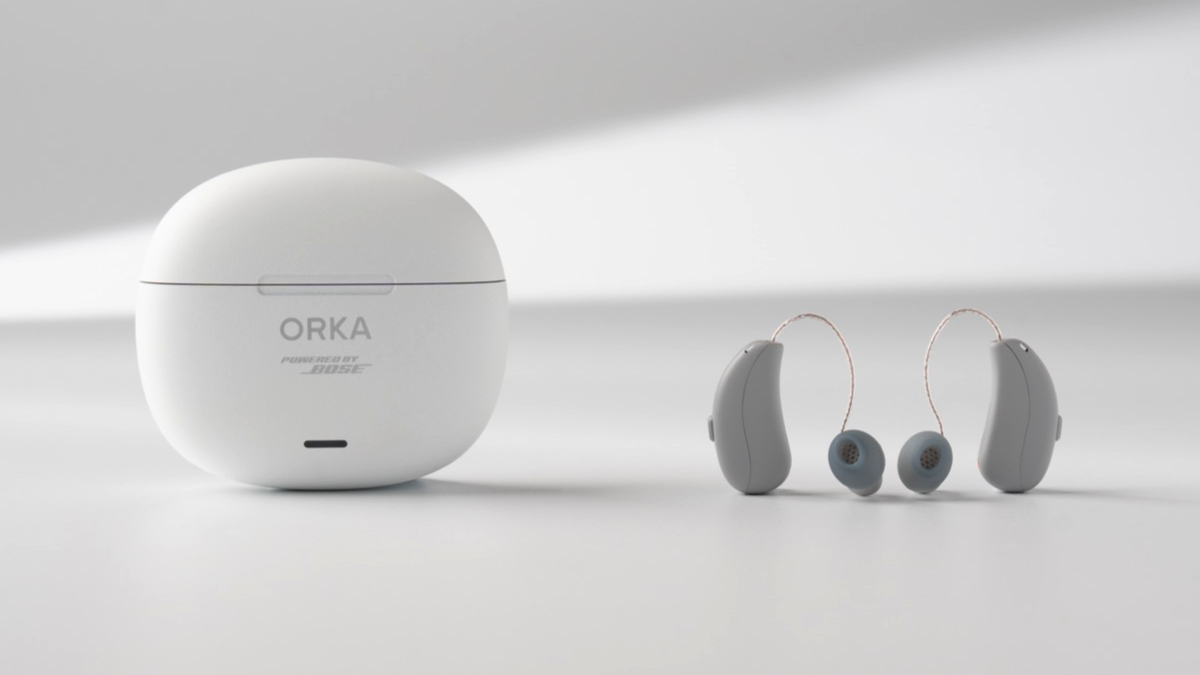
ORKA has officially introduced its groundbreaking O1 Pro hearing aid at the Appliance & Electronics World Expo (AWE) 2026 in Shanghai, positioning the device as a monumental leap in audiological technology. The company asserts that the O1 Pro is the world’s inaugural Receiver-in-Canal (RIC) hearing aid to feature active noise cancellation (ANC), a capability achieved through a significant co-development partnership with audio giant Bose. This innovative device integrates Bose’s renowned "QuietControl" active noise cancellation technology, promising to redefine the user experience for individuals with hearing loss by blending advanced medical acoustics with cutting-edge consumer audio features.
The Dawn of a New Era in Hearing Technology
The launch of the ORKA O1 Pro signifies a pivotal moment where the traditionally distinct realms of hearing healthcare and high-fidelity consumer audio technology are converging. This collaboration between ORKA and Bose leverages Bose’s decades-long expertise in noise cancellation, bringing a feature highly prized in headphones to the discreet and essential world of hearing aids. The announcement has sparked considerable interest within both the audiology community and the broader consumer electronics market, highlighting the potential for enhanced clarity and comfort in complex listening environments.
The AWE 2026 Showcase in Shanghai
The Appliance & Electronics World Expo (AWE), held annually in Shanghai, China, serves as one of the world’s leading platforms for showcasing innovations in consumer electronics, home appliances, and smart technology. Running from March 12-15, AWE 2026 has drawn industry leaders, innovators, and media from across the globe, all eager to witness the unveiling of the next generation of technological advancements. The choice of AWE for the O1 Pro’s debut underscores ORKA’s ambition to position its product not just as a medical device but also as a sophisticated piece of personal technology designed for the modern user. The expo provides an ideal backdrop for demonstrating how advanced features, typically associated with premium consumer audio, can be seamlessly integrated into healthcare devices to offer unparalleled performance and user satisfaction. The international reach of AWE ensures that the O1 Pro’s introduction resonates across global markets, setting a new benchmark for what users can expect from their hearing solutions.
Bose’s Strategic Evolution in Hearing Health
The partnership with ORKA for the O1 Pro is not Bose’s first foray into the hearing health sector, but it represents a refined strategy in their engagement with this critical market. Bose has had a dynamic and evolving relationship with hearing aid development over recent years, demonstrating a persistent interest in applying its audio expertise to address hearing challenges.
From SoundControl to Strategic Partnerships
Bose initially made significant waves in 2021 with the introduction of the Bose SoundControl hearing aid. This device was notable for being the first self-fitting, over-the-counter (OTC) hearing aid to receive FDA clearance in the United States. The SoundControl aimed to democratize access to hearing aids by offering a user-friendly, customizable solution directly to consumers, bypassing the traditional audiology clinic model. This move was seen as a bold step, aligning with the impending FDA regulations that would officially establish the OTC hearing aid category. The SoundControl allowed users to fine-tune their hearing experience through a smartphone app, reflecting Bose’s philosophy of user empowerment and accessibility. However, despite its innovative approach and regulatory milestone, Bose subsequently announced its exit from direct hearing aid sales in 2022. This strategic pivot was interpreted by many as a re-evaluation of its direct-to-consumer model within the complex healthcare landscape, perhaps indicating a preference for leveraging its core technological strengths through partnerships rather than navigating the intricacies of medical device manufacturing, distribution, and clinical support independently.
)
Following this departure, Bose re-entered the hearing aid category through a successful collaboration with Lexie Hearing. This partnership resulted in the launch of the Lexie B1 and B2 Plus Powered by Bose OTC devices, which continued the mission of providing accessible, high-quality hearing solutions. The Lexie partnership demonstrated Bose’s strategic shift towards a licensing model, where its patented technologies, particularly its noise cancellation and audio processing prowess, could be integrated into products developed and distributed by specialized hearing health companies. This approach allows Bose to focus on its core research and development while enabling partners to bring these innovations to market efficiently. The ORKA O1 Pro collaboration is a direct extension of this strategy, further cementing Bose’s role as a technology enabler rather than a direct manufacturer in the hearing aid space.
A Commitment to Innovation: The Voice of Bose
Yaniv Kaufman, Bose Head of Product Partnerships (Hearing), offered insights into the significance of the ORKA O1 Pro via a LinkedIn post, emphasizing the profound engineering effort behind this new offering. Kaufman stated, "Orka Powered by Bose is powered by our ultra-efficient ANC and proprietary micro driver… That tiny speaker now delivers Bose ANC that lasts all day in a device worn inside your ear. This represents years of work. It takes real conviction to move first." His comments underscore the technical challenges involved in miniaturizing and optimizing ANC technology to fit within the confines of a RIC hearing aid while ensuring all-day battery performance. The mention of a "proprietary micro driver" highlights Bose’s unique component-level innovation that makes this integration possible. Furthermore, Kaufman declared that the O1 Pro marks "a new category of devices," suggesting that this development is not merely an incremental improvement but a fundamental shift in what hearing aids can achieve. This statement from a key Bose executive reinforces the strategic importance of this partnership and the long-term vision behind bringing advanced noise cancellation to the hearing aid market. It speaks to a concerted effort to break new ground and establish a new benchmark for performance and user experience in hearing augmentation.
Unpacking the Technology: Active Noise Cancellation in Hearing Aids
The integration of Active Noise Cancellation (ANC) into a Receiver-in-Canal (RIC) hearing aid represents a sophisticated technological achievement, addressing long-standing challenges faced by hearing aid users in noisy environments.
)
How Active Noise Cancellation Works
Active Noise Cancellation is a technology that fundamentally alters how ambient sound is perceived. Unlike passive noise reduction, which relies on physical barriers to block sound, ANC actively cancels out unwanted noise. The process typically involves several key steps:
- Microphone Capture: Small microphones integrated into the device pick up ambient sound waves from the environment.
- Signal Processing: These captured sound waves are then sent to a sophisticated digital signal processor (DSP) within the device.
- Anti-Noise Generation: The DSP analyzes the incoming sound and generates a second sound wave that is precisely equal in amplitude (level) but opposite in phase (a 180-degree phase shift) to the unwanted noise. This generated sound wave is often referred to as "anti-noise."
- Cancellation: When the original unwanted noise wave and the generated anti-noise wave meet, they interfere destructively, effectively canceling each other out. This results in a significant reduction of the perceived noise.
ANC is particularly effective at attenuating continuous, low-frequency sounds, such as engine hum, airplane cabin noise, HVAC systems, and traffic rumble. This is precisely the type of pervasive background noise that can be highly disruptive and fatiguing for hearing aid users, often masking speech and reducing overall listening comfort. Products like Bose QuietComfort headphones, Apple AirPods Pro, and the Sony WH-1000XM series have popularized ANC, demonstrating its profound impact on personal audio experiences. The challenge and innovation lie in adapting this technology for the specific requirements of a hearing aid, where size, power efficiency, and precise acoustic integration are paramount.
The Unique Challenges and Promise for RIC Devices
Implementing ANC in a Receiver-in-Canal (RIC) hearing aid presents a unique set of engineering hurdles. RIC devices, characterized by the receiver (speaker) being placed directly in the ear canal and the main processing unit sitting behind the ear, offer advantages in sound quality and comfort. However, their open-fit or minimally occluding design, often employing thin tubes or domes, means they do not create a complete acoustic seal in the ear canal. This "leakage" path makes it more challenging to effectively implement ANC, as the generated anti-noise needs to precisely counter the incoming noise without being compromised by sound escaping or entering through unintended routes.
)
A recent paper published in Trends in Hearing by Andrew Sabin and his colleagues at Bose explored how ANC could significantly improve the signal-to-noise ratio (SNR) in hearing aids. The research highlighted that ANC could be particularly beneficial for certain RIC-style hearing aids by specifically reducing low-frequency leakage through the direct path. By suppressing these distracting low-frequency environmental sounds, ANC allows the processed audio signal (which often includes amplified speech and other digitally enhanced sounds) to become more prominent and impactful at the eardrum. This theoretical improvement in SNR could lead to a more comfortable and less fatiguing listening experience, potentially enhancing speech understanding in noisy environments by removing the low-frequency "mud" that often obscures clarity.
However, the real-world efficacy of ANC in RIC hearing aids is dependent on several critical factors. A low-latency implementation is essential to ensure that the anti-noise is generated and delivered in real-time, precisely aligning with the incoming noise. Strong low-frequency cancellation capabilities are necessary to tackle the most pervasive and fatiguing environmental hums. Furthermore, the integration must work harmoniously with existing sophisticated SNR-improving algorithms already present in modern hearing aids, such as directional microphones and advanced digital noise reduction. The combination of these technologies, rather than ANC in isolation, is expected to yield the most significant benefits. It is crucial to note, as the research suggests, that while the potential for ANC in RICs looks promising, without comprehensive human outcome data demonstrating its tangible impact on speech understanding and overall user satisfaction in varied real-world scenarios, its full real-world payoff remains to be definitively quantified. This objective assessment is vital for validating the clinical benefits of such advanced technological integrations.
Potential Impact and Market Implications
The unveiling of the ORKA O1 Pro with integrated Bose QuietControl ANC is poised to send ripples across the hearing healthcare industry, promising to redefine user expectations and catalyze further innovation.
Reshaping User Expectations
)
For individuals with hearing loss, the introduction of ANC into hearing aids could be a game-changer. One of the most common complaints among hearing aid users is the difficulty of hearing in noisy environments, where traditional hearing aids often amplify both desired sounds and background clutter. While existing hearing aids employ various noise reduction strategies, such as directional microphones and digital noise suppression algorithms, these often struggle with pervasive, low-frequency environmental hums. ANC directly addresses this challenge, offering a potential breakthrough in listening comfort and clarity. Users could experience significant relief from listening fatigue in environments like bustling restaurants, crowded public transport, or noisy offices. This enhanced comfort could lead to increased hearing aid adoption and consistent use, as users find their devices more effective and less burdensome in challenging situations. Furthermore, consumers accustomed to the superior noise cancellation in high-end headphones may now expect similar capabilities from their hearing aids, thereby raising the bar for device performance and user experience. This convergence could particularly appeal to younger users or those with mild-to-moderate hearing loss who are already familiar with advanced audio technologies.
A Catalyst for Industry Innovation
The ORKA O1 Pro’s claim as the world’s first ANC RIC hearing aid is likely to spur a wave of innovation and competition within the traditional hearing aid manufacturing sector. Established players, who have historically focused on incremental improvements in sound processing and connectivity, may now be compelled to integrate similar ANC technologies into their product lines to remain competitive. This could accelerate research and development efforts across the industry, leading to more sophisticated and user-centric hearing solutions. The partnership also underscores a growing trend of collaboration between medical device companies and consumer electronics giants, blurring the lines between these sectors. This convergence could foster a more dynamic market, attracting new entrants with expertise in advanced audio processing and miniaturization. The intellectual property and engineering challenges involved in effectively integrating ANC into a hearing aid form factor are substantial, meaning that companies will need to invest heavily in R&D or seek similar strategic partnerships to keep pace. The O1 Pro could thus serve as a catalyst, pushing the entire industry towards a new standard of performance and feature integration.
The Future of Personalized Hearing
Beyond the immediate impact, the ORKA O1 Pro signals a broader trend towards personalized hearing solutions that are increasingly intelligent, connected, and integrated into users’ daily lives. The ability to actively manage and reduce environmental noise adds another layer of customization to the hearing experience, allowing users greater control over their auditory world. This development aligns with the evolving landscape of wearable technology and smart devices, where integration of multiple functions and seamless user experience are paramount. Future iterations of hearing aids may further integrate AI-driven environmental sound recognition, adaptive ANC that automatically adjusts to different noise profiles, and enhanced connectivity with other smart devices. The O1 Pro represents a significant step towards a future where hearing aids are not merely amplification devices but sophisticated personal sound management systems, offering unparalleled clarity, comfort, and connectivity, thereby enriching the lives of millions with hearing loss.
)
ORKA’s O1 Pro, powered by Bose QuietControl ANC technology, represents a bold stride into a new frontier of hearing aid functionality. While further clinical data on its real-world impact on speech understanding will be eagerly awaited, the initial unveiling at AWE 2026 clearly positions the device as a significant development, promising to elevate the user experience for hearing aid wearers and setting a compelling new standard for the industry. HearingTracker anticipates providing more detailed information about the product’s specifications, availability, and user feedback as it becomes available.