


The Building & Construction Trades Council of Greater New York has officially inaugurated the Building Trades Peer Support Network, a transformative initiative designed to combat the disproportionately high suicide rates within the city’s unionized construction workforce. By leveraging the power of peer-to-peer intervention, the program seeks to dismantle the long-standing stigma surrounding mental health in a historically "tough" industry, shifting the focus toward a culture where psychological well-being is prioritized with the same rigor as physical jobsite safety. This initiative, developed in collaboration with the Worker Institute at Cornell and the Member Assistance Program (MAP) directors of local unions, represents a critical evolution in how the construction sector approaches the invisible dangers of the trade.

The Scope of the Mental Health Crisis in Construction
The necessity for this program is underscored by sobering statistical data that highlights construction as one of the most high-risk sectors for suicide. According to data from the Centers for Disease Control and Prevention (CDC), the construction industry consistently records one of the highest suicide rates among all major occupational groups. In several annual reports, the rate of suicide among construction workers has been identified as nearly four times higher than the national average.
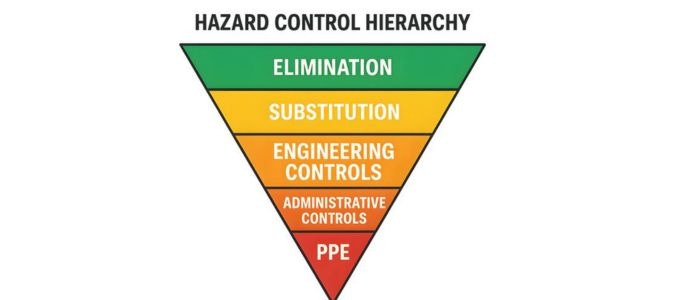
The implications of these numbers are profound. For years, the construction industry has focused heavily on physical hazards—falls, equipment accidents, and structural failures—which are mitigated through strict safety protocols and personal protective equipment. However, industry experts point out that more construction workers die by suicide annually than from all fatal jobsite accidents combined. This "silent epidemic" is driven by a complex interplay of factors: the physical toll of the labor, the transient nature of project-based employment, high-stress deadlines, chronic pain management issues, and a pervasive cultural expectation of stoicism that often discourages individuals from seeking professional help.

The Genesis and Structure of the Network
The Building Trades Peer Support Network is not merely an awareness campaign; it is a clinical and social infrastructure project. The initiative was made possible through the strategic partnership between the NYC Building & Construction Trades Council and the Worker Institute at Cornell, which provided the academic framework for the program. The New York Building Foundation, the philanthropic arm of the New York Building Congress, served as the primary funding body, underwriting the development of a comprehensive, evidence-based training curriculum.
The program’s design is built on the concept of "gatekeeping." By training 1,000 rank-and-file workers to serve as peer supporters, the network creates a localized, accessible safety net. These individuals, chosen from among their coworkers, are not expected to act as licensed therapists. Instead, they are trained to serve as the first line of defense: they are equipped to recognize the early warning signs of emotional distress, conduct basic risk assessments, and facilitate a "warm handoff" to union-designated professionals or clinical counseling services.
By utilizing peers rather than external corporate HR representatives, the program addresses the barrier of mistrust that often exists between management and the labor force. A worker is statistically more likely to open up to a colleague who understands the daily realities of site conditions, physical pain, and union dynamics than to an unfamiliar administrator.
Chronology of Implementation
The launch of this network is the culmination of years of advocacy within the labor movement. The timeline of this effort reflects a growing recognition that the traditional "tough it out" mentality is no longer sustainable:

- 2020-2022: Initial discussions among labor leaders and the Worker Institute at Cornell regarding the rising prevalence of mental health struggles, exacerbated by the isolation caused by the global pandemic.
- Early 2023: Formation of the advisory board comprising union leaders, mental health professionals, and the New York Building Foundation to identify gaps in existing employee assistance programs.
- Late 2023: Development of the specialized training curriculum, focused on trauma-informed care, suicide prevention, and crisis intervention tailored specifically for the construction environment.
- Early 2026: Finalization of funding and launch of the pilot phase, with the initial cohort of peer supporters beginning their training modules.
- March 2026: Official public rollout of the Building Trades Peer Support Network, signaling a new era of mental health oversight in New York City’s infrastructure projects.
Analyzing the Cultural Shift
The shift toward proactive mental health management represents a significant departure from historical industry norms. In the past, discussions regarding mental health in construction were often relegated to the private sphere, if they occurred at all. The professionalization of this support system suggests an industry-wide acknowledgement that mental health is a fundamental component of worker productivity and safety.
Industry analysts suggest that the success of the program will rely on the "de-stigmatization" process. If peer supporters are viewed as extensions of management, the program will likely fail. However, by embedding these supporters within the ranks of the union, the program fosters a sense of collective responsibility. When a veteran worker speaks openly about their own struggles, it creates a "permission structure" for younger workers to seek help without fear of professional repercussions or social ostracization.

Furthermore, the economic implications are significant. Beyond the humanitarian imperative, there is a clear business case for supporting mental health. Substance abuse, depression, and anxiety lead to decreased focus, increased accident rates, and high turnover—all of which are costly to contractors and project developers. By stabilizing the workforce, the Building Trades Peer Support Network is an investment in the long-term sustainability of the industry.
Perspectives and Official Responses
While formal responses from union leaders emphasize the human cost of inaction, the broader construction community has largely viewed the development as a necessary evolution. Labor advocates have noted that this program fills a critical void in existing health insurance plans, which often provide coverage but fail to provide the immediate, on-the-ground human connection required during a mental health crisis.

The involvement of the Worker Institute at Cornell is particularly notable, as it bridges the gap between academic research on occupational health and the practical application on job sites. By using data-driven methodologies, the program ensures that the interventions are not based on conjecture but on established psychological principles that have been proven effective in other high-stress industries, such as emergency services and military veterans’ support groups.
Future Implications for the Construction Sector
The success of the New York initiative will likely serve as a blueprint for other urban centers across the United States. As cities continue to grapple with aging infrastructure and the need for massive construction projects, the human capital required to complete these tasks must be protected. The NYC model demonstrates that mental health infrastructure is just as vital as the physical infrastructure being built.

As the program scales to reach the intended 1,000 peer supporters, the long-term goal is to integrate mental health check-ins into standard safety meetings. Just as a supervisor might discuss a new rigging procedure or a site-specific fall protection plan, future meetings may routinely include discussions about stress management and the availability of the Peer Support Network.
The initiative represents a fundamental change in the "safety first" mantra. By expanding the definition of safety to include the mind, the Building & Construction Trades Council of Greater New York is ensuring that the men and women who build the city have the support systems necessary to live healthy, fulfilling lives long after their shifts have ended. The program’s impact will be measured not only in the number of workers trained but in the potential prevention of future tragedies, marking a historic step toward a more compassionate and resilient construction industry.