


The National Institute for Occupational Safety and Health (NIOSH) has officially expanded its Total Worker Health (TWH) Affiliate Program, welcoming four new organizations to the network as of February 2026. This strategic growth brings the total number of affiliates to more than 60, marking a significant milestone in the federal government’s effort to modernize workplace safety standards. By integrating traditional industrial hygiene and safety protocols with broader well-being initiatives, the program seeks to address the complex, multifaceted challenges facing the modern American workforce.

The expansion reflects a growing recognition within public health circles that occupational safety cannot be viewed in isolation. Factors such as mental health, stress management, sleep hygiene, and work-life integration are increasingly seen as critical components that dictate a worker’s overall safety performance and long-term health outcomes.
A Brief History of the TWH Framework
The TWH approach, pioneered by NIOSH, represents a paradigm shift from traditional occupational safety, which historically focused almost exclusively on the physical environment—such as machine guarding, chemical exposure limits, and personal protective equipment (PPE). The conceptual framework for TWH was formally established in 2014, when NIOSH launched its affiliate program to create a collaborative infrastructure for researchers, practitioners, and policymakers.

The initiative was born out of necessity. Data from the early 2010s indicated that while workplace injury rates were trending downward, chronic disease rates among the working population were rising. NIOSH researchers posited that the workplace was an underutilized setting for promoting health, as most adults spend a significant portion of their waking hours in professional environments. By the time the affiliate program was established, the goal was clear: create a "synergistic" effect where workplace safety and health promotion programs were no longer siloed but instead operated as a unified strategy.
The Significance of the 2026 Expansion
The addition of these four new organizations, including the notable inclusion of the Michigan Department of Labor and Economic Opportunity, signals a transition from academic and non-profit interest to active government integration. Michigan’s inclusion is particularly historic, as it represents the first state-level labor department to join the federal affiliate network.

This specific partnership is expected to serve as a blueprint for how federal research can be translated into practical, state-level enforcement and outreach. By aligning state labor policy with the rigorous, evidence-based standards of the TWH framework, Michigan is positioning itself to lead a new wave of administrative safety policy that views employee well-being as a cornerstone of economic productivity.
Organizational Philosophy and Core Principles
At its core, the TWH approach is defined by five foundational pillars. These principles serve as the guiding philosophy for all current and future affiliates:

- Demonstrate Leadership Commitment: Organizations must show a high-level, sustained commitment to the health and safety of their workers, ensuring that TWH initiatives are supported by executive management.
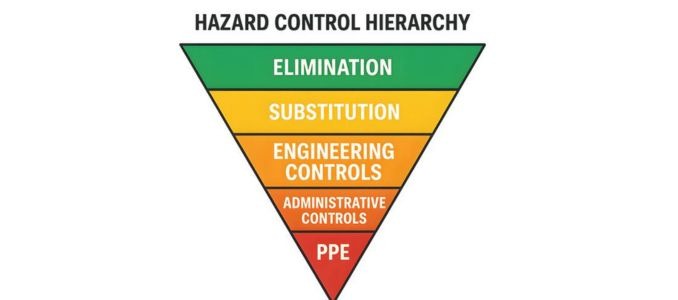
- Design Work to Minimize Harm: The primary focus remains on eliminating or reducing workplace hazards through engineering controls and robust organizational design.
- Promote Healthy Work Design: Beyond safety, the environment should be designed to foster health, encouraging physical activity, mental well-being, and social support.
- Engage Workers in Decision-Making: True safety culture requires the input of the workforce. TWH affiliates are expected to involve employees in the development of safety and wellness policies.
- Ensure Confidentiality and Privacy: Any health-related data collected by the organization must be handled with the highest standards of privacy to maintain employee trust.
These pillars distinguish the TWH program from generic corporate wellness programs, which are often criticized for focusing on individual behavior modification (such as weight loss or smoking cessation) without addressing the underlying work-related stressors that contribute to poor health outcomes.
Economic and Occupational Impact Analysis
The implications of this expansion are profound, particularly in an era of labor shortages and high employee turnover. Occupational health experts suggest that businesses prioritizing the TWH framework see a measurable return on investment (ROI). According to preliminary meta-analyses conducted by NIOSH, organizations that successfully integrate TWH principles report lower rates of absenteeism, decreased healthcare costs, and higher levels of employee retention.

From a macroeconomic perspective, the federal government’s promotion of this model is an attempt to mitigate the long-term fiscal impact of workplace-related chronic illness. When workers are supported by a holistic safety culture, they are less likely to experience burnout—a condition that has reached epidemic proportions in sectors ranging from healthcare to manufacturing. By preventing the root causes of workplace injury and fatigue, the program indirectly supports economic stability by maintaining a healthier, more capable labor force.
Statements and Institutional Response
NIOSH Director John Howard, M.D., emphasized the necessity of this expansion during the formal announcement. "Each organization has demonstrated a commitment to advancing and promoting Total Worker Health principles within their organization and we look forward to working closely with them," Dr. Howard stated. The sentiment from the NIOSH leadership team is that these affiliates are not merely partners in name but active participants in an evolving scientific discourse.

The reaction from the broader occupational safety community has been largely positive. Labor advocates have long called for a more integrated approach to safety, arguing that the traditional dichotomy between "safety" (avoiding accidents) and "health" (promoting wellness) often leaves employees in a precarious position. By bridging this gap, the TWH program offers a more comprehensive protection strategy that resonates with the modern workforce.
Challenges to Implementation
Despite the clear benefits, the implementation of TWH principles is not without its challenges. Critics and industry analysts point to the difficulty of cultural shift within organizations. Traditional manufacturing and industrial sectors, for instance, may find it challenging to pivot from a compliance-based safety culture to one that emphasizes the nuances of mental health and organizational design.
Furthermore, the integration of state labor departments, while promising, requires significant resources and training. The success of the Michigan initiative will likely be monitored closely by other states, as the ability to codify TWH principles into existing labor laws and inspection protocols remains an untested, complex task.
The Road Ahead
Looking forward, the NIOSH TWH Affiliate Program is expected to continue its growth trajectory. As of early 2026, the program is shifting its focus toward digital and remote work environments—a necessary evolution given the permanent changes to the American labor market post-2020. The integration of remote work safety, digital fatigue management, and virtual ergonomic assessment are likely to become key components of the next phase of the TWH initiative.

The expansion of the network to over 60 members creates a robust peer-learning environment. Affiliates are encouraged to share data, best practices, and lessons learned, effectively creating a "living laboratory" of workplace health. This collaborative structure is designed to accelerate the speed at which research findings are translated into field-ready applications.
In conclusion, the expansion of the NIOSH Total Worker Health Affiliate Program represents a pivotal moment in the evolution of American workplace safety. By embracing a holistic view that acknowledges the deep intersection between the workplace and the individual, the program is setting a new standard for what it means to be a safe, healthy, and productive organization. As the program continues to scale, its impact on the nation’s workforce will likely be measured not just by the reduction in injury rates, but by the qualitative improvement in the lives of millions of workers across diverse sectors. The path forward involves a continued commitment to evidence-based policy, cross-sector collaboration, and an unwavering focus on the human element of industry.