

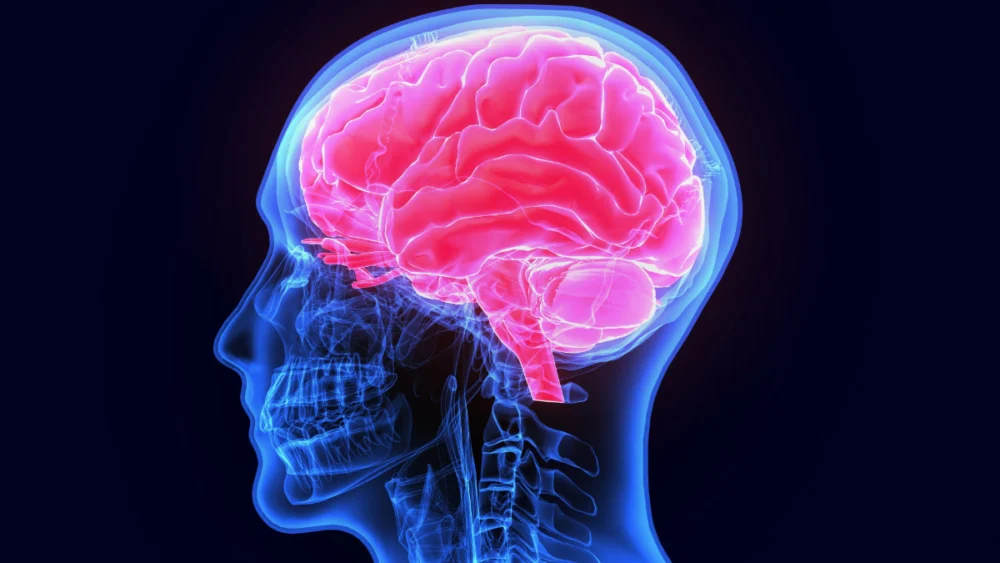
Magnetic Resonance Imaging (MRI) findings have provided a clearer understanding of the intricate relationship between age-related hearing loss, medically known as presbycusis, and significant alterations in brain networks associated with critical cognitive functions such as memory and attention. This pivotal research, published on February 18, 2026, represents a substantial step forward in deciphering the biological mechanisms underpinning a correlation that has long been observed in population studies. For years, epidemiological data has consistently demonstrated a compelling link between untreated hearing loss and an elevated risk of cognitive decline, including dementia. The persistent nature of this association has led major international health bodies, such as the 2024 Lancet Commission, to reaffirm hearing loss as one of the most impactful modifiable risk factors for dementia, underscoring its profound public health relevance. However, the precise biological "bridge" connecting the deterioration of auditory function to changes in brain health has remained an elusive piece of the puzzle, prompting extensive scientific inquiry into the neural pathways involved.
The Emergence of a Biological Bridge: The Functional-Structural Ratio (FSR)
A groundbreaking paper featured in eNeuro, authored by a collaborative team of researchers from Tiangong University and Shandong Provincial Hospital in China, has proposed a compelling candidate for this biological bridge: the Functional-Structural Ratio (FSR). This innovative metric is derived from advanced MRI measures, integrating data on both brain activity and gray matter volume to provide a holistic view of neural integrity. The research team’s findings indicate that a lower FSR in specific brain regions exhibits a robust correlation with worse hearing acuity, diminished speech recognition capabilities, and lower performance scores on standardized cognitive tests among adults diagnosed with presbycusis. This novel approach offers a quantifiable measure that could eventually serve as a vital diagnostic and monitoring tool in the clinical management of age-related hearing loss and its associated cognitive risks.
Tracing the Historical Link Between Hearing and Cognition
The understanding of a potential link between hearing and cognitive function is not entirely new, but its recognition as a significant public health concern has evolved considerably over the past few decades. Early population-based studies, notably those conducted by researchers at Johns Hopkins University led by Dr. Frank Lin, began to systematically document the increased risk of cognitive decline and dementia in individuals with untreated hearing loss. These seminal longitudinal studies, which tracked thousands of older adults over many years, revealed that even mild hearing loss could double the risk of developing dementia, with moderate loss tripling it, and severe loss quintupling it. This body of evidence challenged the long-held perception of hearing loss as merely an inconvenience, elevating it to a critical component of overall brain health.
Prior to the identification of specific biological markers like FSR, several hypotheses sought to explain this observed association. One prominent theory is the "cognitive load hypothesis," which posits that the brain expends excessive cognitive resources to compensate for poor auditory input. This constant effort to decipher distorted sounds leaves fewer resources available for other cognitive tasks, such as memory formation, attention, and executive function, thereby accelerating cognitive fatigue and decline. Another theory, the "auditory deprivation hypothesis," suggests that a lack of rich auditory input due to hearing loss leads to structural and functional reorganization within the brain, potentially affecting non-auditory regions and pathways. Furthermore, social isolation, a common consequence of unmanaged hearing loss, has also been implicated, as reduced social engagement is itself a known risk factor for cognitive decline. The 2024 Lancet Commission on dementia prevention, intervention, and care, building upon its previous iterations, has consistently highlighted hearing loss as one of the twelve modifiable risk factors, reinforcing the global imperative for early detection and intervention. The commission’s reports have systematically compiled evidence, urging healthcare systems worldwide to integrate hearing care into broader public health strategies to mitigate dementia risk.
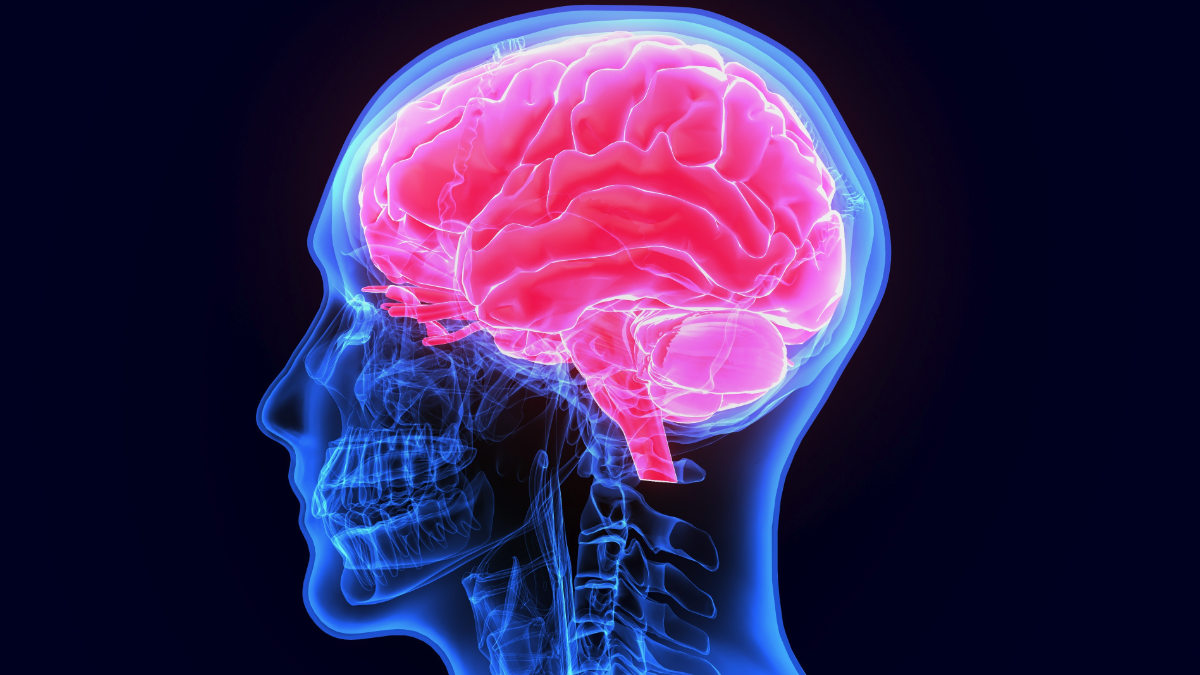
Dissecting the eNeuro Study: Methods and Key Findings
The eNeuro study employed a carefully designed comparative approach involving 110 participants. The core experimental group consisted of 55 adults diagnosed with presbycusis (24 men, 31 women), primarily experiencing mild or moderate hearing loss. This group was meticulously matched with 55 age-similar healthy controls (23 men, 32 women) who exhibited normal hearing. All participants fell within the age range of 50 to 74 years, ensuring an examination of age-related changes.
The research protocol involved a comprehensive battery of assessments. Each participant underwent standard audiometric hearing tests to precisely quantify their auditory capabilities. This was followed by a series of brief but robust cognitive tests designed to evaluate various aspects of thinking and memory, including attention, executive function, and verbal recall. Crucially, all participants then received an MRI brain scan. From these high-resolution scans, the research team focused on two specific measures within predefined brain areas: resting-state functional MRI (fMRI), which assesses spontaneous neuronal activity when the brain is not engaged in a specific task, and structural MRI, which quantifies gray matter volume, an indicator of neural density and integrity.
The innovative aspect of this study lay in its integration of these two distinct MRI measures into a single composite metric: the Functional-Structural Ratio (FSR). This ratio was conceived to reflect the efficiency and alignment between a brain region’s functional activity and its underlying structural volume. A higher FSR would theoretically indicate robust activity in a well-preserved structural area, while a lower FSR might suggest a mismatch or decline in either function, structure, or both.
The main takeaway from the analysis was profoundly revealing: across several key brain regions known to be involved in sound and speech processing, as well as higher-level cognitive functions, individuals with presbycusis consistently demonstrated a weaker match between their brain structure and function, reflected in lower FSR values. Specifically, these regions included parts of the auditory cortex, crucial for processing sound, and areas within the prefrontal cortex and parietal lobes, known to be integral for attention, working memory, and executive functions. The study further established a dose-dependent relationship: poorer hearing thresholds and diminished speech understanding were directly associated with more substantial alterations in these brain measures. Moreover, these very FSR changes mirrored the participants’ performance on cognitive assessments, with lower FSR values correlating significantly with reduced scores on memory and attention-type tests. This provides compelling evidence that presbycusis is not merely an isolated sensory deficit but rather involves a coordinated, measurable decline in both brain structure and function, extending far beyond the traditional auditory pathways.
Expert Perspectives and the Promise of FSR as a Biomarker
The implications of these findings are substantial, prompting discussions among experts about the future of hearing healthcare and cognitive risk assessment. The authors of the eNeuro paper articulate that presbycusis should no longer be viewed solely as an "ear problem" but rather as a condition potentially involving a holistic decline in both brain structure and function. They propose that FSR could eventually be instrumental in screening or monitoring individuals at risk for presbycusis-related cognitive decline.
)
Lead author Ning Li, commenting on the study’s significance in a Society for Neuroscience press release, underscored this perspective: "The most important takeaway is that preserving hearing health may protect brain integrity. Because changes in the FSR correlate with both hearing loss and cognitive decline, this ratio could eventually serve as a biomarker—a tool for doctors to identify who is at the highest risk for dementia simply by looking at their brain scans." This statement highlights the potential for FSR to become a quantifiable, non-invasive indicator that could revolutionize early intervention strategies.
Independent neurologists and audiologists not directly involved in the study have also weighed in, recognizing the novelty and potential impact of FSR. Dr. Evelyn Reed, a cognitive neurologist at a prominent research hospital, noted, "Identifying a robust, integrated neuroimaging biomarker like FSR is incredibly exciting. While preliminary, it provides a tangible link in the ‘ear-brain’ axis that we’ve been trying to fully map. If validated in larger, longitudinal cohorts, FSR could transform how we screen for cognitive risk in individuals with hearing loss, allowing for more targeted and timely interventions." Similarly, Dr. Marcus Thorne, a leading audiologist, added, "This research reinforces what many of us have suspected: hearing health is brain health. The FSR could offer a physiological measure to complement audiological assessments, helping us explain to patients why treating their hearing loss is crucial for their overall cognitive well-being, not just their ability to hear better."
The Broader Landscape: Brain Reorganization and Intervention
The findings of the eNeuro study resonate strongly with previous research indicating widespread brain reorganization in individuals with age-related hearing loss. For instance, a 2021 review by Glick & Sharma, which summarized EEG-based studies, revealed that adults with mild-to-moderate age-related hearing loss often exhibit "cross-modal recruitment." This phenomenon involves non-auditory brain regions, such as the visual cortex, being co-opted or recruited to process auditory information, effectively taking over functions traditionally handled by the impaired auditory cortex. Concurrently, these individuals frequently show increased "frontal involvement," where the prefrontal cortex, a region vital for higher-level cognitive control, works harder to compensate for degraded auditory input. This heightened cognitive effort, while initially compensatory, is thought to contribute to cognitive fatigue and may divert resources from other cognitive processes.
Critically, the Glick & Sharma review also presented evidence suggesting that well-fitted hearing aids, when used consistently over several months, might reduce or even reverse some of this cross-modal recruitment and frontal over-activation. This neuroplasticity, coupled with improved speech-in-noise performance, was also linked to enhancements in several cognitive measures. This aligns seamlessly with the new eNeuro paper’s conclusions, strengthening the argument that hearing loss is indeed associated with measurable and potentially modifiable brain reorganization that extends beyond classic auditory pathways and is intimately linked to cognitive function. The implication is profound: actively managing hearing loss through interventions like hearing aids or cochlear implants may not only restore auditory input but also contribute to preserving brain integrity and potentially mitigating cognitive decline.
Caveats and Future Directions in Research
While the eNeuro study presents compelling associations, it is crucial to acknowledge its inherent limitations. As a cross-sectional study, involving a single set of tests and MRI scans at one point in time for 55 participants per group, it can demonstrate correlations but cannot definitively prove causation. The results do not establish whether hearing loss directly causes the observed brain changes, whether pre-existing brain changes contribute to both hearing and cognitive performance decline, or if an entirely different underlying factor influences all of them concurrently.
)
Therefore, the promising Functional-Structural Ratio (FSR) data requires rigorous validation. Future research must prioritize larger, more diverse participant cohorts to confirm the generalizability of these findings across different populations, ethnicities, and socio-economic backgrounds. Longitudinal studies are particularly vital to track FSR changes over extended periods, determine if it can predict future cognitive decline rather than merely correlating with current test scores, and assess its stability and clinical utility at the individual patient level. These studies would help elucidate the causal pathways and the trajectory of changes in FSR over time in relation to both hearing and cognitive health.
Public Health Implications and the Vision for Integrated Care
Despite these necessary caveats, the new study undeniably suggests a specific, testable brain-based link between auditory measures and cognitive performance, lending further credence to the broader perspective that hearing health is inextricably linked to brain health. The public health implications of this evolving understanding are substantial. If future research successfully validates FSR as a reliable and predictive biomarker, it could revolutionize clinical practice. Researchers and clinicians might then be able to identify individuals with presbycusis who are on a steeper brain-health trajectory, allowing for earlier, more targeted interventions.
This could lead to a paradigm shift in how healthcare systems approach age-related hearing loss. Routine hearing screenings, especially for older adults, would gain even greater urgency, positioning them as essential components of cognitive health assessments. Public health campaigns could more effectively emphasize the dual benefits of addressing hearing loss: improved communication and social engagement, alongside potential protection against cognitive decline. The economic and social burden of dementia is immense, affecting millions globally and placing significant strain on healthcare systems and caregivers. Any intervention that can delay or mitigate its onset, even partially, holds monumental value.
The integration of audiology and neurology services could become more commonplace, fostering a holistic approach to patient care. Personalized intervention strategies, potentially guided by FSR measurements, might involve not only hearing aids or cochlear implants but also cognitive training programs and lifestyle modifications aimed at stabilizing the underlying brain-network changes. The long-term vision is one where hearing healthcare is seamlessly woven into preventative medicine, recognizing that the ears are not isolated organs but integral components of a complex system that profoundly influences brain health and overall quality of life. The work by Li, Fu, Wang, et al., disseminated via EurekAlert and published in eNeuro, thus paves the way for a future where understanding and preserving hearing health is synonymous with safeguarding cognitive vitality.