


The Portable Generator Manufacturers’ Association (PGMA) has issued a critical update regarding site safety protocols, urging construction professionals to strictly adhere to the ANSI/PGMA G300 performance standards to mitigate the persistent risk of carbon monoxide (CO) poisoning. As portable power remains a linchpin of the early-stage development process, the shift toward integrating automated CO-shutoff technology has become a focal point for regulatory bodies and industry safety leaders. This latest guidance serves as a necessary intervention in an industry where the misuse of fuel-powered equipment continues to pose a significant, albeit preventable, threat to worker health and operational continuity.
The Evolution of the ANSI/PGMA G300 Standard
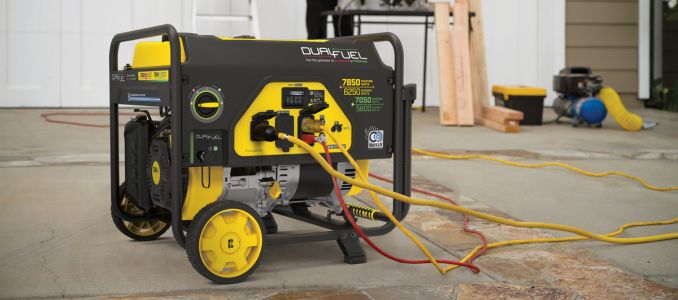
The ANSI/PGMA G300 standard was first introduced as a voluntary yet rigorous benchmark for the industry in 2018. Before the widespread adoption of this standard, portable generators lacked a unified, mandatory requirement for integrated safety sensors capable of detecting lethal concentrations of CO. The 2018 iteration of the standard established the initial framework for shutoff thresholds, but rapid advancements in sensor technology and a deeper understanding of real-world application data necessitated a revision.
In 2023, the PGMA released an updated version of the standard, which significantly lowered the shutoff thresholds for CO detection. This adjustment was designed to provide an even greater margin of safety, particularly in scenarios where generators might be used near semi-enclosed areas or in proximity to ventilation intakes. By tightening these performance requirements, the PGMA aims to eliminate human error by ensuring that the equipment itself acts as a failsafe, effectively removing the hazard before it reaches a critical concentration level for the workers on site.
Chronology of Safety Innovations
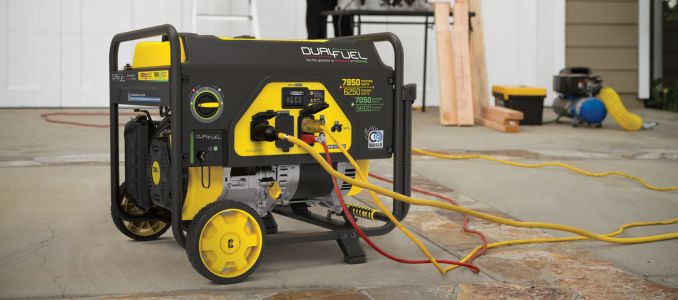
The progression of portable power safety has been a decade-long endeavor driven by safety data and engineering innovation:
- 2013–2015: Industry reports begin to highlight a recurring pattern of CO-related injuries and fatalities on construction sites, often linked to the use of generators in partially enclosed spaces, such as storage sheds or temporary construction trailers.
- 2018: The PGMA officially publishes the G300 standard, the first comprehensive safety and performance standard for portable generators that specifically incorporates CO-shutoff technology as a core component.
- 2020: Regulatory bodies begin to reference the G300 standard in updated safety training materials, marking a transition from experimental technology to an industry-accepted "best practice."
- 2023: The updated G300 standard is released, lowering detection thresholds and establishing more robust testing protocols for sensor longevity and accuracy under harsh, outdoor environmental conditions.
Supporting Data and the Impact of CO-Shutoff Technology
Carbon monoxide is often referred to as the "silent killer" because it is colorless, odorless, and tasteless. On a construction site, where loud machinery and ambient noise are common, the symptoms of CO poisoning—headache, dizziness, and confusion—are frequently misidentified as heat exhaustion or fatigue.

According to data cited by the PGMA, the implementation of CO-shutoff technology is credited with a 99% reduction in fatalities related to accidental misuse. This statistic underscores the efficacy of technology-driven safety interventions. Prior to the adoption of these sensors, the primary defense against CO poisoning was signage and training. However, human error remains a high-risk factor in fast-paced construction environments where deadlines are tight and site layouts change daily. By automating the shutdown process, the equipment effectively removes the human element from the safety equation, preventing tragedy even when standard operating procedures are inadvertently ignored.
Proper Operational Protocols and Environmental Best Practices
While technology provides a vital safety net, the PGMA maintains that it is not a replacement for fundamental safety protocols. The most important directive remains the location of the unit. Portable generators must be operated exclusively outdoors, in well-ventilated areas, and at a significant distance from any structure.

Safety officials advise that the following checklist should be treated as mandatory for any site supervisor:
- Strategic Placement: Generators should be located at least 20 feet away from any door, window, or air intake vent.
- Exhaust Management: Exhaust must be directed away from occupied structures. Even if a generator is outside, wind currents can trap exhaust gases against the siding of a building or push them into intake vents, creating a localized CO buildup.
- Terrain Considerations: Generators should not be placed on truck beds, in trailers, or under tents. These enclosures can trap CO, causing it to pool and reach dangerous levels within minutes.
- Routine Maintenance: Sensors must be kept clean and free of debris, such as dust or sawdust, which are common on construction sites and can obstruct the sensor’s ability to "breathe" and sample the air.
Broader Implications for Site Management
The push for stricter adherence to the G300 standard has significant implications for site management, insurance liability, and workforce retention. Companies that prioritize the use of G300-compliant generators demonstrate a commitment to a "safety-first" culture, which can lead to reduced insurance premiums and lower risk of litigation following workplace accidents.

Furthermore, the integration of these technologies simplifies the regulatory compliance process. Safety inspectors, including those from OSHA, are increasingly scrutinizing the use of temporary power equipment. Providing proof that a site utilizes equipment meeting the most recent ANSI standards serves as a clear demonstration of due diligence.
Beyond the legal and financial incentives, the humanitarian impact is profound. Construction work is physically demanding, and ensuring that the work environment is free from invisible hazards is a core responsibility of site leadership. When a worker begins to experience symptoms—even if they seem mild—the mandate is clear: immediate evacuation to fresh air and medical evaluation. Because CO exposure symptoms mimic other ailments, site managers are encouraged to treat any sudden onset of illness among crew members as a potential gas-related emergency until proven otherwise.

Future Directions and Industry Outlook
The transition toward "smarter" construction equipment is likely to continue. As sensor technology becomes more affordable and reliable, the PGMA anticipates that future iterations of the G300 standard will continue to refine the performance expectations of portable power. The industry is currently exploring ways to integrate real-time monitoring and alert systems that could notify a site supervisor via a mobile device if a generator shuts down due to a CO spike, even if the unit is located in a remote part of the job site.
Additionally, the PGMA is working closely with manufacturers to ensure that these technologies are not only present but also intuitive to use. A major barrier to safety compliance is often the "nuisance trip"—where a sensor shuts down a generator during routine operation. By refining the detection algorithms to distinguish between ambient exhaust and critical safety thresholds, manufacturers are helping to ensure that workers continue to use the technology as intended rather than attempting to bypass or disable it.
Ultimately, the goal of the PGMA is to standardize safety across all temporary power applications. As construction projects become more complex and the reliance on portable electricity grows, the adoption of the 2023 G300 standard will play an instrumental role in ensuring that workers return home safely at the end of every shift. Through the marriage of advanced sensing technology and rigorous site management, the construction industry is moving toward a future where CO-related incidents are entirely eliminated, reinforcing the notion that productivity and safety are not mutually exclusive, but rather, two sides of the same coin in modern construction operations.