

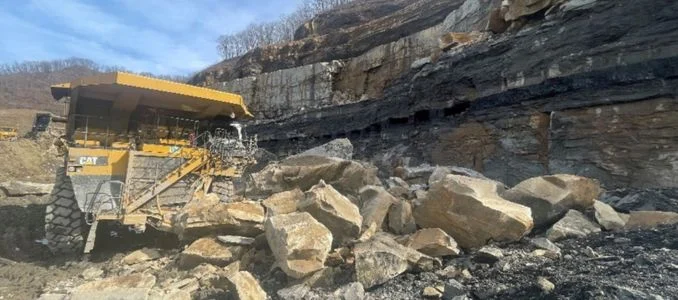
The U.S. Mine Safety and Health Administration (MSHA) has issued a formal safety alert to the mining industry, mandating heightened vigilance as seasonal temperature fluctuations create precarious working conditions. The agency’s advisory focuses on the phenomenon of freeze-thaw cycles—a meteorological pattern where temperatures oscillate above and below the freezing point—which significantly compromises the structural integrity of mine environments. As winter gives way to spring, the expansion and contraction of water within rock crevices, combined with the rapid melting of snowpack, present a multifaceted threat to highwalls, haulage routes, and pedestrian walkways.
The Mechanics of Freeze-Thaw Instability
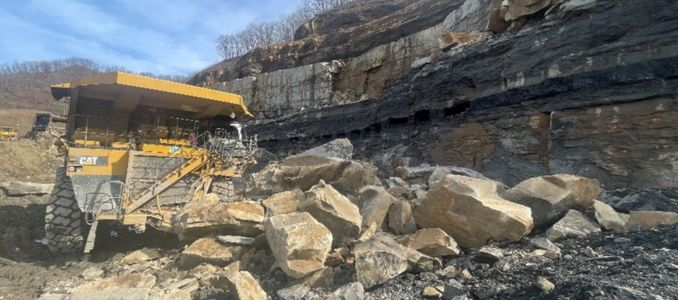
At the heart of MSHA’s concern is the geological impact of cyclic temperature shifts on highwalls and benches. When water infiltrates cracks in rock faces during the day and freezes at night, it undergoes volumetric expansion by approximately 9 percent. This force acts like a hydraulic wedge, driving existing fractures deeper into the rock mass and loosening overburden that might otherwise remain stable.
When the temperature rises, the ice melts, leaving behind a lubricated, unstable interface. If the drainage systems within the mine are not adequately maintained, the resulting pore-water pressure can reach critical levels, significantly reducing the shear strength of the slope material. This leads to an increased probability of rockfalls, sloughing, and large-scale slope failure. MSHA inspectors note that these events are often unpredictable, occurring without the traditional audible indicators that typically precede a slide, thereby catching workers and equipment operators off guard.
Chronology of Hazard Escalation
The risk profile of a mine site evolves significantly during the transition between seasons. Safety engineers classify these risks into three distinct phases:
- The Deep Freeze (Mid-Winter): Ground surfaces are hardened by ice, leading to traction loss. Equipment is subjected to cold-weather stress, often resulting in hydraulic line failures or brittle fractures in metal components.
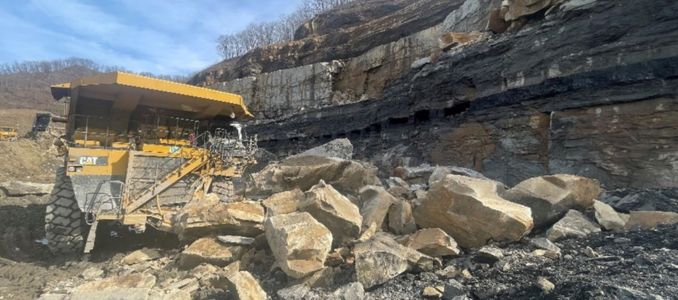
- The Thaw Transition (Current Risk Window): This is the most dangerous period. As the top layer of frozen ground begins to thaw while the underlying strata remain frozen, a "saturated layer" is created. This layer acts as a slip plane for surface materials, leading to mudflows and sudden loss of slope stability.
- The Spring Saturation: Following the thaw, the ground is often heavily saturated with snowmelt. During this phase, drainage infrastructure is tested to its limits. If culverts are blocked by debris or ice, water ponds near the crest of highwalls, creating dangerous hydrostatic loads.
Supporting Data and Statistical Context
Historical data from the MSHA database underscores the necessity of these warnings. Over the past decade, winter-related incidents—specifically those occurring in late February and March—have shown a disproportionate increase in "slip, trip, and fall" injuries. According to the Bureau of Labor Statistics (BLS) data often cited in MSHA safety briefings, surface mining operations see a 15% uptick in equipment-related accidents during these transitional months.

Furthermore, rockfalls and highwall failures account for a significant portion of fatal mining accidents. While modern geotechnical engineering has drastically reduced these occurrences through slope monitoring radar and structural reinforcement, the introduction of environmental volatility—such as extreme freeze-thaw cycles—nullifies many of these traditional controls. The MSHA alert serves as a reminder that even the most robust engineered slopes can be compromised when the physical properties of the geological foundation are altered by rapid temperature swings.
Operational Mandates and Best Practices
In response to these conditions, MSHA is urging mine operators to adopt a "zero-tolerance" approach to inspection intervals. The agency recommends the following tactical shifts in daily operations:

- Heightened Visual Inspections: Supervisors are expected to perform pre-shift examinations of highwalls specifically looking for "tension cracks" or fresh debris at the toe of the wall. Any sign of movement must trigger an immediate exclusion zone.
- Infrastructure Maintenance: Clearing culverts and ensuring that surface water is directed away from highwall crests is essential. MSHA emphasizes that standing water is the primary catalyst for slope instability.
- Traction Management: Roadways must be treated with aggregate or specialized de-icing agents. Simply clearing snow is insufficient; the presence of "black ice" remains a leading cause of heavy vehicle collisions in haulage pits.
- Equipment Readiness: Cold weather significantly impacts the viscosity of lubricants and the performance of braking systems. Maintenance teams must ensure that heavy machinery is serviced for cold-start conditions to prevent mechanical failure on steep, slick inclines.
Industry and Stakeholder Implications
The MSHA alert has prompted reactions from industry trade groups and safety associations, which have largely supported the agency’s proactive stance. Safety directors at major mining firms argue that the cost of proactive maintenance—such as temporary road closures or slope scaling—is negligible compared to the catastrophic cost of a highwall failure or a haul truck rollover.
"The industry has shifted toward a data-driven safety culture," says an industry safety analyst. "By quantifying the impact of weather on structural integrity, MSHA is helping operators move from reactive firefighting to predictive risk management."

However, the implications of this alert extend beyond mere compliance. It necessitates a logistical shift. During freeze-thaw cycles, production schedules may need to be adjusted to account for longer inspection times and slower transit speeds. This creates a tension between operational output and safety mandates. MSHA’s position, reinforced by federal law, is clear: safety cannot be sacrificed for production throughput. Failure to adhere to these inspection standards can lead to citations, fines, and in the event of an accident, rigorous investigations that may result in temporary site closures.
The Role of Technology in Hazard Recognition
Modern mines are increasingly utilizing technology to mitigate these weather-related risks. Ground-based interferometric radar systems are now common in large-scale surface operations, providing sub-millimeter measurements of highwall movement. When integrated with local weather stations, these systems can provide real-time alerts when temperature thresholds for potential instability are reached.

MSHA encourages smaller operations, which may not have access to such advanced radar, to rely on traditional, manual monitoring techniques. This includes the use of "telltales" or survey pins on highwalls. If a survey pin shows displacement during a freeze-thaw cycle, the area must be cleared immediately. The reliance on human observation remains a critical component of the agency’s safety strategy, as technology should augment, not replace, the eyes and experience of the workforce.
Broader Safety Culture and Worker Engagement
Ultimately, the effectiveness of the MSHA safety alert rests on the culture of the individual mine site. The agency emphasizes that every worker, from the pit supervisor to the haul truck driver, plays a role in hazard recognition. Workers are encouraged to report "near misses"—such as a vehicle sliding on a haul road or a minor rockfall—without fear of reprisal. These reports are often the "canary in the coal mine" that allows for intervention before a larger, more dangerous event occurs.

By formalizing the requirements for inspections during these climatic transitions, MSHA is institutionalizing a standard of care that reflects the changing nature of the climate. As weather patterns become more erratic, the mining industry must remain agile, treating environmental hazards with the same gravity as mechanical or electrical threats.
The guidance issued by MSHA is a reminder that the environment in which mining occurs is never truly static. Through rigorous inspection, proactive maintenance, and a steadfast commitment to the safety of every worker on the site, the industry can navigate these challenging transition periods. As winter yields to the warmer months, the vigilant operator will be the one who ensures that their team returns home safely, regardless of the instability beneath their feet.