

Multiple sclerosis (MS) remains one of the most complex challenges in modern neurology, currently affecting an estimated 2.8 million people globally according to the Multiple Sclerosis International Federation. While the disease is widely recognized for its impact on the central nervous system through the destruction of myelin, recent evidence suggests that the root of physical disability may lie deeper within the cellular machinery of the brain. A landmark study from the University of California, Riverside (UCR), published in the Proceedings of the National Academy of Sciences (PNAS), has identified a critical link between malfunctioning mitochondria and the progressive breakdown of the cerebellum, the brain’s primary center for motor control and balance.
In approximately 80% of MS cases, the cerebellum undergoes significant inflammation and structural degradation. This damage manifests as ataxia—a condition characterized by tremors, unsteady gait, and a profound loss of muscle coordination. The UCR research, led by Seema Tiwari-Woodruff, a professor of biomedical sciences, provides a new mechanical understanding of why these symptoms worsen over time. The study highlights that the loss of specific neurons known as Purkinje cells is not merely a byproduct of inflammation but is driven by a catastrophic failure in cellular energy production.
The Triad of Destruction: Inflammation, Demyelination, and Energy Failure
To understand the findings, it is necessary to examine the traditional pathophysiology of MS. The disease is characterized by an autoimmune response where the body’s immune system mistakenly attacks the myelin sheath, the fatty insulating layer that wraps around nerve fibers (axons). This insulation is vital for the rapid transmission of electrical impulses. When myelin is stripped away—a process called demyelination—nerve signals slow down or stop entirely, leading to the varied sensory and motor deficits associated with the disease.
However, the UCR study posits that demyelination is only part of the story. The research team focused on mitochondria, the "powerhouses" of the cell responsible for generating adenosine triphosphate (ATP), the chemical energy that fuels cellular processes. In the cerebellum of MS patients, the researchers discovered a significant deficiency in a specific mitochondrial protein called COXIV.
"Our study proposes that inflammation and demyelination in the cerebellum disrupt mitochondrial function, contributing to nerve damage and Purkinje cell loss," explained Professor Tiwari-Woodruff. The data suggests that when myelin is lost, the metabolic demands on the underlying nerve fibers increase significantly. If the mitochondria are already impaired or failing, the cell cannot meet this energy demand, leading to a state of metabolic exhaustion and, eventually, cell death.
The Critical Role of Purkinje Neurons in Motor Control
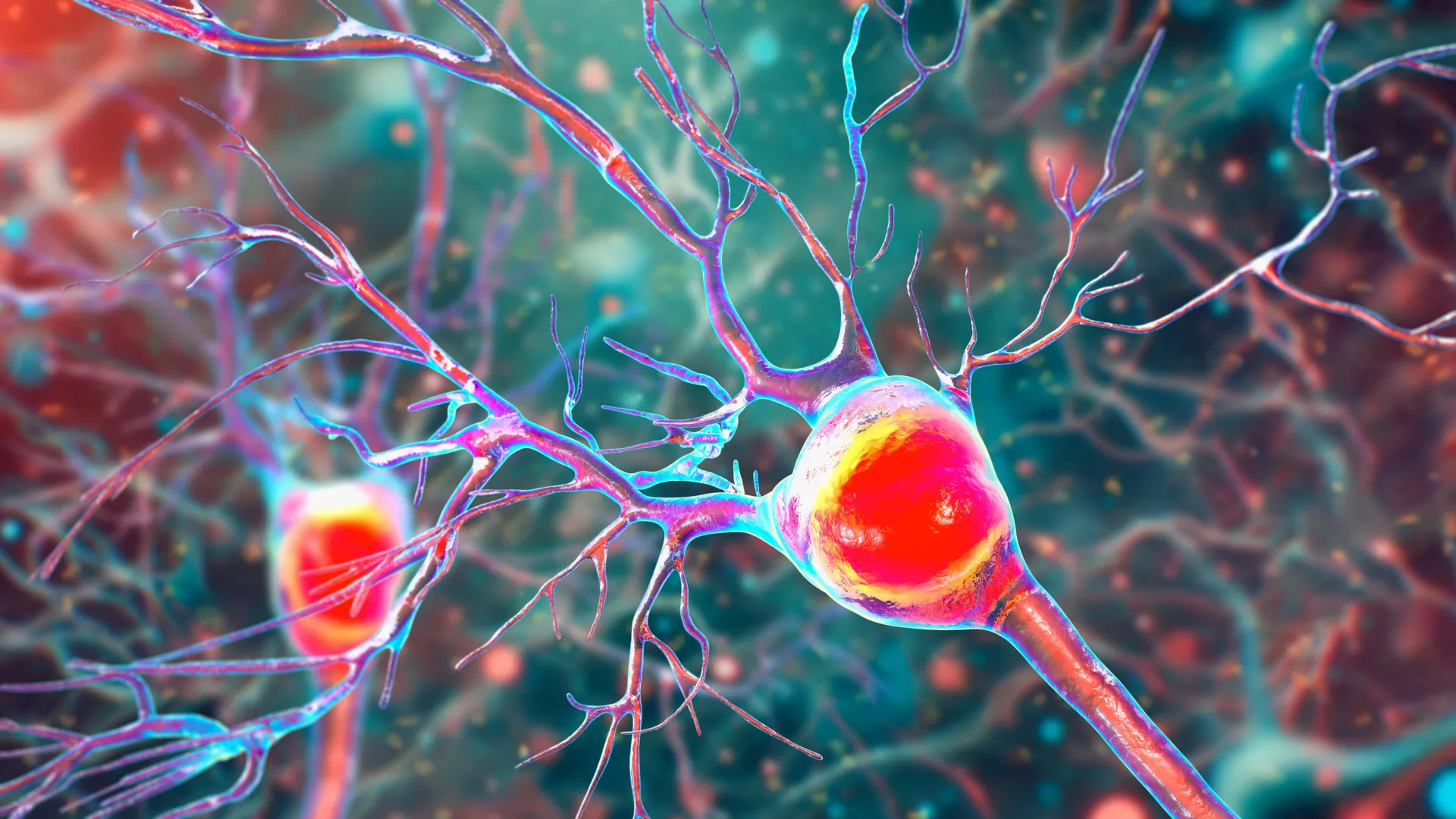
The cerebellum’s ability to coordinate smooth, precise movements depends almost entirely on Purkinje cells. These are among the largest and most complex neurons in the human brain, featuring vast, intricate "trees" of dendrites that receive signals from thousands of other neurons. They act as the primary output for the cerebellar cortex, regulating everything from the fine motor skills required for writing to the gross motor movements needed for walking and maintaining posture.
In the UCR study, researchers analyzed postmortem cerebellar tissue from individuals who had been diagnosed with secondary progressive MS, a stage of the disease where disability increases steadily. When compared to healthy donor tissue obtained from the National Institutes of Health’s NeuroBioBank and the Cleveland Clinic, the MS samples showed a startling reduction in the density and health of Purkinje cells.
The remaining Purkinje cells in MS-affected tissue were found to have fewer branches and significantly diminished mitochondrial activity. "Because Purkinje cells play such a central role in movement, their loss can cause serious mobility issues," Tiwari-Woodruff noted. This cellular attrition explains why many MS patients transition from relapsing symptoms to a steady, irreversible decline in physical function.
Evidence from the EAE Mouse Model: A Chronological Progression
To track how this damage unfolds in real-time, the research team utilized the experimental autoimmune encephalomyelitis (EAE) mouse model. This model mimics the inflammatory and demyelinating characteristics of human MS, allowing scientists to observe the disease’s progression from its earliest stages.
The chronological findings from the EAE model revealed a distinct pattern of decline:
- Early Phase: Inflammation and demyelination begin in the cerebellum. At this stage, the Purkinje cells remain intact, but their protective coating is compromised.
- Intermediate Phase: As demyelination persists, mitochondrial proteins like COXIV begin to disappear. The "energy crisis" begins, and the Purkinje cells start to lose their complex dendritic branching.
- Late Phase: The metabolic failure becomes unsustainable. The Purkinje cells undergo apoptosis (programmed cell death). This stage correlates with the onset of severe ataxia and permanent movement disability in the mice.
"The loss of energy in brain cells seems to be a key part of what causes damage in MS," Tiwari-Woodruff said. By identifying that mitochondrial failure precedes the death of the neurons, the study opens a "therapeutic window" where intervention might still be possible before the cells are lost forever.
Supporting Data and Statistical Context
The implications of this research are underscored by the current statistics surrounding MS disability. According to data from the National MS Society, approximately 50% of people with MS will require walking assistance within 15 years of diagnosis if the disease is not effectively managed. While current Disease-Modifying Therapies (DMTs) are highly effective at reducing the frequency of inflammatory "flares" or relapses, they are often less effective at stopping the slow, "smoldering" progression of neurodegeneration that occurs in the progressive forms of the disease.
The UCR study’s focus on the COXIV protein provides a specific molecular target. In the analyzed human MS tissue, the researchers observed that the decrease in COXIV was most pronounced in areas with the highest levels of demyelination. This quantitative correlation suggests that the metabolic health of a neuron is directly tied to the integrity of its myelin, creating a dual-vulnerability that current treatments do not fully address.
Scientific and Official Responses
The broader scientific community has viewed these findings as a significant step toward "neuroprotective" rather than just "immunomodulatory" medicine. While the National Multiple Sclerosis Society, which funded the study, has not issued a formal change in treatment guidelines based on this single paper, the organization has emphasized the importance of research into progressive MS.
Independent neurologists have noted that the UCR study aligns with the "mitochondrial hypothesis" of MS progression, which suggests that the transition to progressive MS is driven by an accumulation of mitochondrial DNA mutations and oxidative stress. The UCR team’s work provides the specific anatomical evidence within the cerebellum to support this theory.
Broader Impact and Future Therapeutic Strategies
The identification of mitochondrial failure as a driver of Purkinje cell loss shifts the focus of drug development. If the goal is to preserve movement and balance, simply calming the immune system may not be enough. Future treatments may need to incorporate "mitochondrial cocktails" or metabolic boosters designed to protect the energy-producing capacity of neurons.
The UCR team is already moving into the next phase of their research. They are investigating whether this mitochondrial "energy crisis" extends to other critical cells in the cerebellum, such as:
- Oligodendrocytes: The cells responsible for creating myelin. If their mitochondria fail, they cannot repair the damage caused by MS.
- Astrocytes: The support cells that provide nutrients to neurons and maintain the blood-brain barrier.
"Targeting mitochondrial health may represent a promising strategy to slow or prevent neurological decline and improve quality of life for people living with MS," Tiwari-Woodruff stated. This could involve the development of drugs that upregulate COXIV expression or antioxidants that prevent the oxidative damage that cripples mitochondria during periods of inflammation.
Conclusion: The Necessity of Continued Research
As the global population ages and the prevalence of MS continues to rise in many regions, the urgency for neuroprotective therapies has never been greater. The UCR study serves as a reminder that the most debilitating aspects of MS are often the result of microscopic failures within the brain’s most vital cells.
Professor Tiwari-Woodruff concluded the report with a call for sustained institutional support. "Cutting funding to science only slows progress when we need it most," she said, emphasizing that public and private investment is the only path toward turning these cellular insights into life-changing treatments. For the millions of people currently navigating the challenges of ataxia and motor decline, the hope lies in science’s ability to not only stop the immune system’s attack but to keep the brain’s "powerhouses" running long enough to facilitate repair and recovery.