

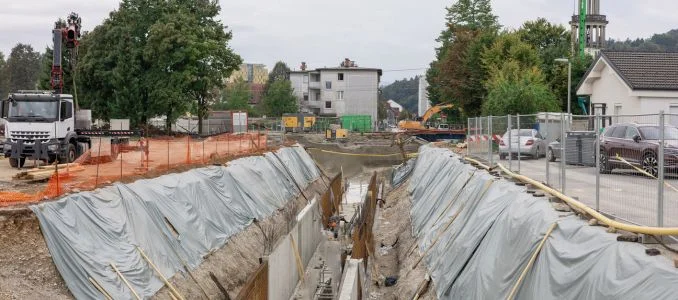
The Michigan Occupational Safety and Health Administration (MIOSHA) has officially launched an intensive outreach campaign designed to curb the frequency of excavation-related fatalities and injuries across the state. This strategic initiative, which runs throughout March 2026, serves as a direct response to the high-risk nature of trenching operations, a sector that remains one of the most dangerous environments in the construction industry. By providing comprehensive technical training and emphasizing rigorous regulatory compliance, MIOSHA aims to address the multi-faceted hazards that continue to threaten the lives of Michigan’s infrastructure and construction workers.

The Persistent Threat of Trenching Hazards
Trenching and excavation represent some of the most hazardous activities in the construction sector. While the primary danger associated with these sites is the catastrophic collapse of trench walls—often referred to as cave-ins—the risks extend far beyond structural instability. Workers operating in or near excavations are frequently exposed to atmospheric hazards, including the accumulation of toxic gases and the depletion of oxygen, which can lead to rapid asphyxiation. Furthermore, the risk of striking underground utilities, such as natural gas lines, water mains, and high-voltage electrical cables, presents a constant threat to both workers and the surrounding public infrastructure.
The physics of a trench collapse are particularly unforgiving. A single cubic yard of soil can weigh upwards of 3,000 pounds, a mass sufficient to crush a human body instantly or pin a worker in a way that prevents breathing, leading to fatalities within minutes. Because these accidents occur with little to no warning, the industry standard mandates a "zero-tolerance" approach to safety protocols. MIOSHA’s current campaign is designed to shift the industry culture from a reactive posture—where safety measures are only implemented after an inspection or an incident—to a proactive, preventative framework.

Regulatory Requirements and Site Management
At the heart of the MIOSHA initiative is a reinforcement of the mandatory safety standards already codified under existing state and federal law. Central to these mandates is the requirement for protective systems in any excavation measuring five feet or deeper. Employers are legally obligated to utilize protective methods such as sloping, benching, shoring, or the installation of trench boxes (shielding) to counteract the lateral pressure exerted by surrounding soil.
Beyond physical safeguards, the role of the "competent person" is the cornerstone of site safety. Under MIOSHA guidelines, a competent person is defined as someone capable of identifying existing and predictable hazards in the surroundings or working conditions that are unsanitary, hazardous, or dangerous to employees. This individual must be authorized to take prompt, corrective measures to eliminate these hazards. Daily inspections are not merely suggested; they are a regulatory requirement. These inspections must occur prior to the start of each shift and following any event—such as a rainstorm or seismic vibration—that could increase the risk of a collapse.

For more complex or high-stakes operations, the threshold for oversight increases. Any excavation that reaches a depth of 20 feet or more requires the explicit approval and design specifications of a professional engineer. This ensures that the soil composition, water table levels, and surrounding load-bearing structures are accounted for by a qualified professional before the first bucket of earth is moved.
Chronology of the 2026 Safety Initiative
The current outreach campaign serves as a precursor to a series of coordinated safety events occurring throughout the spring and summer of 2026. The timeline is designed to build momentum for the upcoming national focus on trench safety:

- March 2026: MIOSHA initiates the "Excavations: The Grave Danger" campaign, focusing on employer education, soil classification, and the rigorous enforcement of inspection schedules.
- April–May 2026: Regional technical seminars and voluntary consultation services are provided to Michigan employers, allowing contractors to request on-site hazard surveys without the immediate threat of punitive citations.
- June 15–19, 2026: The industry-wide Trench Safety Stand-Down. This national event, organized in partnership with the National Utility Contractors Association (NUCA), serves as the culmination of the training season, encouraging all construction sites to pause operations for safety briefings and equipment demonstrations.
Data and Industry Analysis
The necessity of this initiative is underscored by historical industry data. Despite significant technological advancements in shoring equipment, excavation accidents remain a leading cause of construction-related deaths. According to data from the Bureau of Labor Statistics, trenching accidents have historically resulted in a fatality rate that is significantly higher than the average for other construction activities.
Analysis from safety experts suggests that the primary driver of these fatalities is a lack of proper soil classification. Not all dirt is created equal; soil stability varies wildly based on moisture content, previous excavation, and mineral composition. By training supervisors to distinguish between Type A, Type B, and Type C soils, MIOSHA hopes to reduce the number of sites where inadequate shoring is applied to unstable ground.

Furthermore, the "voluntary consultation" aspect of the current campaign is a strategic shift. By allowing employers to bring in safety experts to identify risks without the immediate risk of fines, MIOSHA is incentivizing a culture of transparency. Historically, contractors have been wary of inviting state inspectors onto sites due to the potential for heavy fines. By decoupling the consultation process from the enforcement process, the state hopes to reach the smaller, independent contractors who may otherwise operate outside of the formal safety loop.
Implications for the Michigan Construction Sector
The broader implications of this campaign are significant for both the state’s economy and its workforce. As Michigan continues to invest in infrastructure—ranging from road repair and utility upgrades to residential and commercial expansion—the demand for excavation labor is at a premium. A single fatal incident can lead to prolonged work stoppages, litigation, and severe financial distress for a company, not to mention the irreparable human cost.

Industry stakeholders, including construction unions and private contractors, have largely supported the initiative. In discussions regarding the campaign, representatives from major construction trade groups have noted that while the cost of implementing protective systems can be high, the "cost of inaction" is catastrophic. By standardizing the knowledge base regarding soil mechanics and legal obligations, MIOSHA is attempting to level the playing field, ensuring that responsible contractors are not undercut by competitors who cut corners on safety to lower their overhead.
Looking Ahead: The Trench Safety Stand-Down
As the industry approaches the Trench Safety Stand-Down in June 2026, the focus will transition from classroom-based education to field-based application. The Stand-Down is not intended to be a passive seminar; it is a call to action. Construction sites across Michigan are encouraged to demonstrate the proper installation of shoring, discuss the emergency procedures for a cave-in, and review the specific soil conditions of their current job sites.

The partnership with the National Utility Contractors Association ensures that Michigan’s efforts are aligned with national best practices. By participating in this synchronized event, Michigan employers gain access to a wider network of safety resources, case studies, and updated technical guidelines that reflect the latest innovations in excavation safety equipment.
Ultimately, the goal of MIOSHA’s 2026 initiative is to reach a point where excavation fatalities are viewed as entirely preventable events. Through the combination of rigorous inspection requirements, professional engineering oversight, and a sustained commitment to ongoing training, the state aims to ensure that every worker returns home safely at the end of the day. As the spring season brings an increase in excavation activity, the message from the state remains clear: the danger is grave, but it is manageable through education, vigilance, and strict adherence to established safety protocols.