

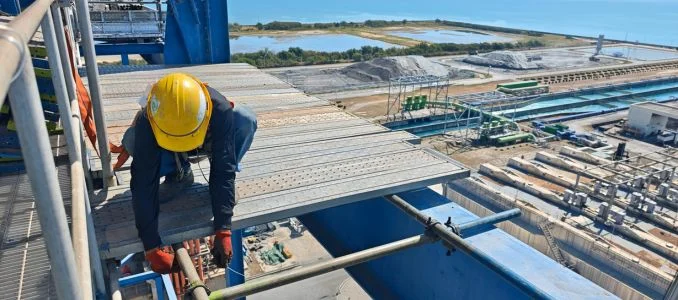
Work at height remains one of the most hazardous activities across construction, mining, and industrial operations, with scaffolding representing a critical infrastructure component that, if mismanaged, serves as a primary driver of workplace morbidity. While essential for operational productivity, scaffolding introduces significant systemic risk. Industry data consistently underscores that incidents involving scaffolds—ranging from falls from elevation and the impact of falling objects to electrical contact and catastrophic structural failure—remain a leading cause of preventable fatalities in the industrial sector. The mitigation of these risks is not a matter of chance, but a result of rigorous inspection discipline, clear lines of accountability, and a shift toward digital safety tracking.
The Statistical Reality of Height-Related Hazards
The global construction industry continues to grapple with an unacceptably high rate of height-related injuries. According to data from the International Labour Organization (ILO), construction sites account for approximately 20% to 30% of all fatal workplace accidents globally, with falls from height being the single most common cause. In the United States, OSHA’s most frequently cited safety violations consistently feature scaffold-related breaches, specifically regarding lack of fall protection and inadequate access.
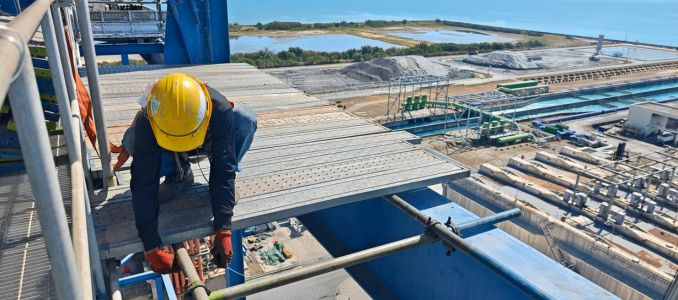
Similarly, in the Australian context, Safe Work Australia reports indicate that falls from heights are responsible for roughly 11% of all worker fatalities. Despite the implementation of rigorous standards such as AS/NZS 1576 and AS/NZS 4576, the gap between regulatory compliance and on-site execution persists. This discrepancy is often attributed to the "normalization of deviance," where recurring short-term successes in avoiding accidents lead teams to bypass safety protocols, eventually resulting in systemic failure.
Defining the Competent Person and Regulatory Frameworks
Central to the integrity of any scaffolding system is the role of the "competent person." Under international frameworks such as ISO 45001 and local guidelines like AS/NZS 4576, this designation is not a bureaucratic formality but a legal requirement. A competent person is defined by a trifecta of knowledge, training, and experience, possessing the explicit authority to halt operations, isolate unsafe structures, and mandate remediation.
The shift toward professionalization in this role is critical. Modern safety management systems now emphasize that the competent person must be capable of interpreting complex engineering drawings, identifying subtle signs of structural fatigue, and understanding the specific environmental stressors of a site, such as high wind loads or soil instability. In the context of complex or engineered scaffolds, the requirements of AS/NZS 1576 necessitate that verification processes be documented, ensuring that the assembly matches the design specifications.
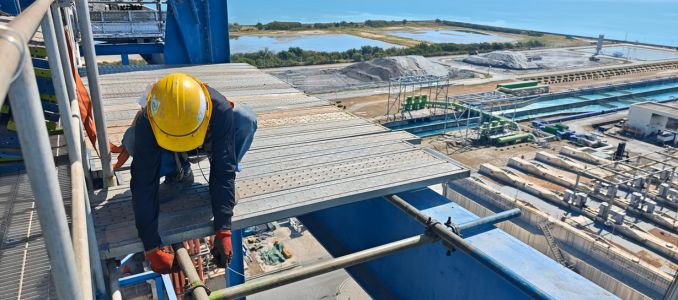
However, the responsibility does not reside solely with the site supervisor or the designated safety officer. ISO 45001 promotes a culture of "worker participation," mandating that every individual accessing a scaffold perform a pre-use check. This shared responsibility model serves as the final line of defense against human error, ensuring that loose guardrails, missing base plates, or unauthorized modifications are identified before they lead to an incident.
Chronology of Inspection Requirements
The timing of inspections is a pivotal factor in the lifecycle of a scaffold. Industry best practices, supported by both OSHA and Australian standards, dictate a rigid schedule for these assessments:
- Pre-Erection Phase: Verification of ground conditions, structural materials, and the qualification of the assembly team.
- Post-Erection Phase: A comprehensive, formal inspection before the scaffold is declared "fit for service."
- Daily Shift Commencement: A mandatory pre-shift inspection, focusing on critical components such as locking pins, guardrails, and personal protective equipment (PPE) anchor points.
- Event-Driven Re-inspection: Inspections triggered by environmental changes or structural disturbances.
The events that necessitate immediate re-inspection include, but are not limited to: severe weather events (high winds, heavy rain, or seismic activity), unauthorized modifications or tampering by third-party contractors, the addition of heavy materials that exceed the structure’s design load, and any reported near-misses or structural vibrations observed during operations. In environments where conditions change hourly—such as high-rise construction or deep-pit mining—re-inspection should be treated as a standard, iterative practice rather than an exceptional measure.

The Digital Transformation of Safety Tracking
As the construction industry undergoes a digital transformation, the management of scaffold safety is moving away from manual, paper-based inspection tags. Digital safety tracking systems are now providing unprecedented transparency and accountability. By utilizing QR-coded inspection tags that link directly to cloud-based management platforms, safety managers can track the inspection status of every scaffold on a site in real-time.
These systems offer several key advantages:
- Time-Stamping and Geotagging: Ensures that inspections are actually performed at the location and time specified, preventing "pencil-whipping" or retroactive documentation.
- Instant Alerts: Automated systems can flag overdue inspections to project managers, ensuring that no scaffold remains in use without a valid safety status.
- Historical Data Analysis: Trends in component failures or repeated site violations can be identified, allowing companies to pivot their training focus toward specific areas of weakness.
Broader Implications and Official Perspectives
The implications of failing to maintain scaffolding discipline are severe, encompassing legal, financial, and ethical dimensions. From a legal standpoint, non-compliance with standards like AS/NZS 1576 can lead to significant litigation, heavy fines, and the potential for corporate manslaughter charges in the event of a fatality. Financially, the cost of an incident far exceeds the cost of a comprehensive safety management program, including downtime, investigation expenses, increased insurance premiums, and irreparable damage to corporate reputation.

Industry experts and regulatory bodies often emphasize that safety is a leading indicator of project health. A worksite that prioritizes the rigorous maintenance of temporary structures is, by extension, a site that prioritizes quality control and operational efficiency. When safety is viewed as a bottleneck to productivity, the likelihood of a major accident increases exponentially. Conversely, when safety is integrated into the workflow as a core operational discipline, productivity gains are realized through the prevention of project interruptions caused by site shutdowns or medical emergencies.
Conclusion: Moving Toward a Zero-Harm Culture
The transition toward a safer working environment at height requires a fundamental shift in corporate culture. It necessitates moving away from a compliance-only mindset—where the goal is merely to avoid regulatory penalties—toward a risk-mitigation mindset, where the goal is the total elimination of preventable hazards.
Organizations operating across multiple jurisdictions face the challenge of navigating disparate regulatory landscapes. In these instances, the most prudent course of action is to adopt the most stringent applicable standard as the universal baseline. By harmonizing global operations under the strictest safety requirements, companies can simplify their internal processes and ensure a uniform level of protection for all employees, regardless of where they are stationed.

Ultimately, the mastery of scaffolding inspection is a reflection of an organization’s commitment to its most valuable asset: its workforce. Through the combination of competent, well-trained personnel, consistent adherence to established international standards, and the adoption of modern digital tracking, the construction and industrial sectors can significantly reduce the risk profile of work at height, ensuring that every worker returns home safely at the end of the shift. The technology and the standards exist; the final variable in this equation remains the discipline to apply them consistently, day after day, regardless of the pressures of project timelines or budget constraints.