

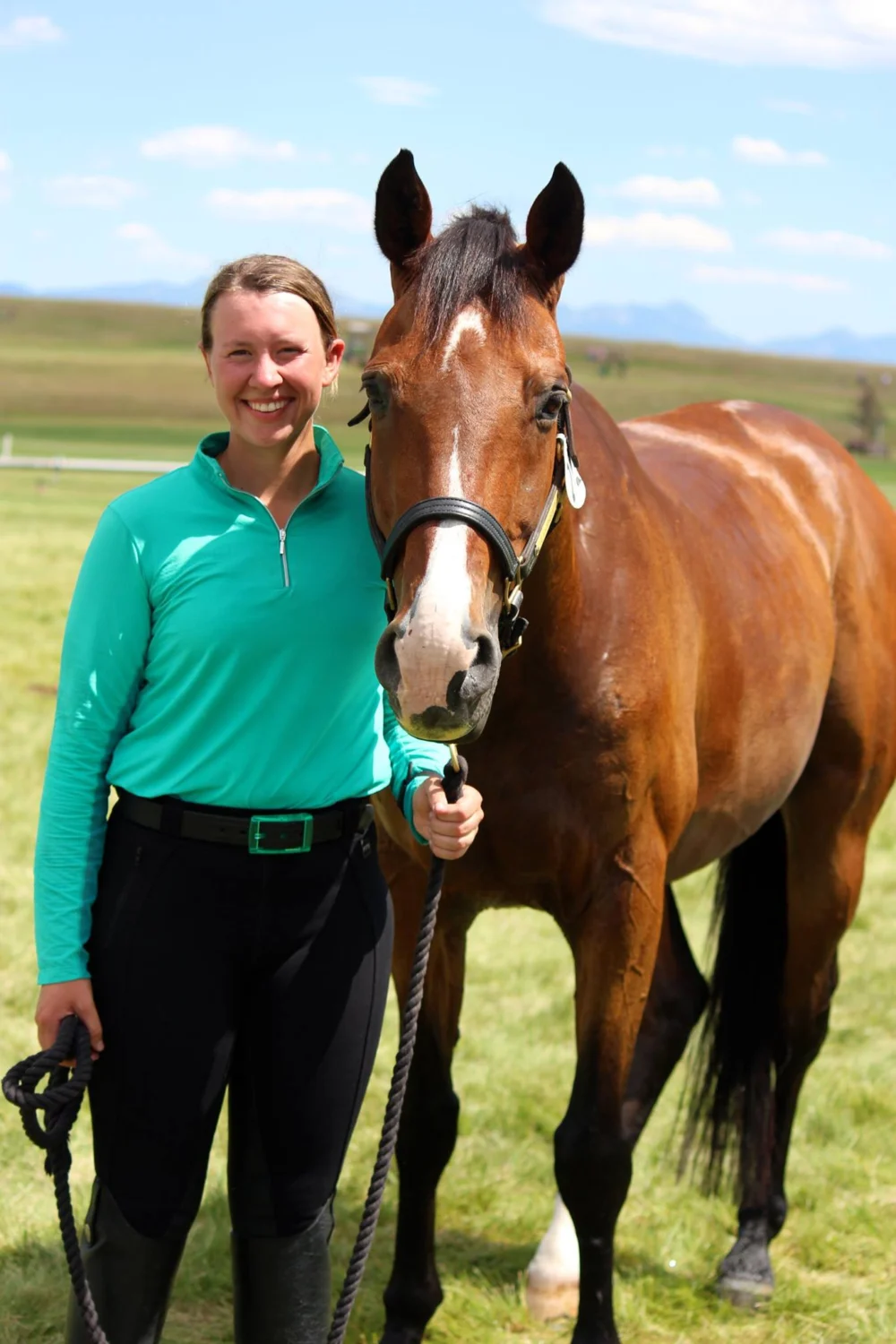
In 1995, the landscape of pediatric audiology in the Pacific Northwest was fundamentally altered when a young child named Jordan Buckingham became the first patient at Seattle Children’s Hospital to receive a cochlear implant. This medical milestone, which occurred during a period of rapid advancement in auditory technology, served as the catalyst for a life defined by resilience, academic achievement, and professional fulfillment. Now 33 years old, Buckingham’s trajectory from a toddler navigating profound hearing loss to a successful professional horse trainer in Middleton, Idaho, serves as a longitudinal case study on the efficacy of early intervention, listening and spoken language (LSL) therapy, and the vital role of specialized support networks like Listen and Talk.
The Clinical Context: A Turning Point in 1995
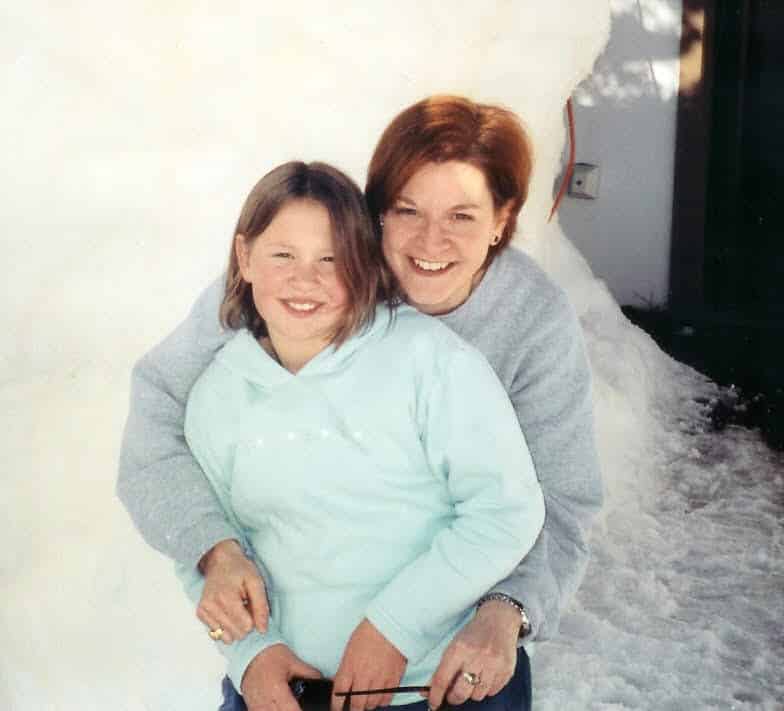
Buckingham’s journey began at 22 months old, when she contracted pneumococcal meningitis. A severe complication of this bacterial infection was the sudden onset of profound sensorineural hearing loss. At the time, the clinical protocols for managing such significant hearing loss in children were far less established than they are today. The decision to pursue cochlear implantation—a technology that bypasses damaged hair cells in the cochlea to stimulate the auditory nerve directly—was a pioneering one for her family and her medical team at Seattle Children’s.
Following her initial surgery, it became evident that the technology was only one component of a successful outcome. The brain’s ability to interpret electrical signals as meaningful sound requires extensive neural training, particularly during the critical period of early childhood development. It was this need that brought the Buckingham family to Listen and Talk in 1996. As one of the organization’s inaugural pre-K students, Buckingham worked closely with founder Star Leonard-Fleckman. This intensive pedagogical approach focused on auditory-verbal therapy, emphasizing the development of spoken language through consistent listening practice, rather than relying on visual sign systems.
A Chronology of Progress
The timeline of Buckingham’s development reflects the cumulative impact of consistent, early-stage intervention:
- 1995: Buckingham receives her first cochlear implant at Seattle Children’s Hospital, becoming a clinical trailblazer for the institution.
- 1996: Enrollment at Listen and Talk begins; she joins the program’s first cohort of students.
- Late 1990s: The addition of a second cochlear implant provides bilateral hearing, significantly improving her ability to localize sound and process speech in complex acoustic environments.
- 2000s: Throughout her primary and secondary education, Buckingham integrates into mainstream academic settings, including Charles Wright Academy, utilizing the foundations of self-advocacy and communication skills fostered in her early years.
- 2014: Buckingham graduates from Stetson University with a Bachelor of Science in Family Business and a minor in Management.
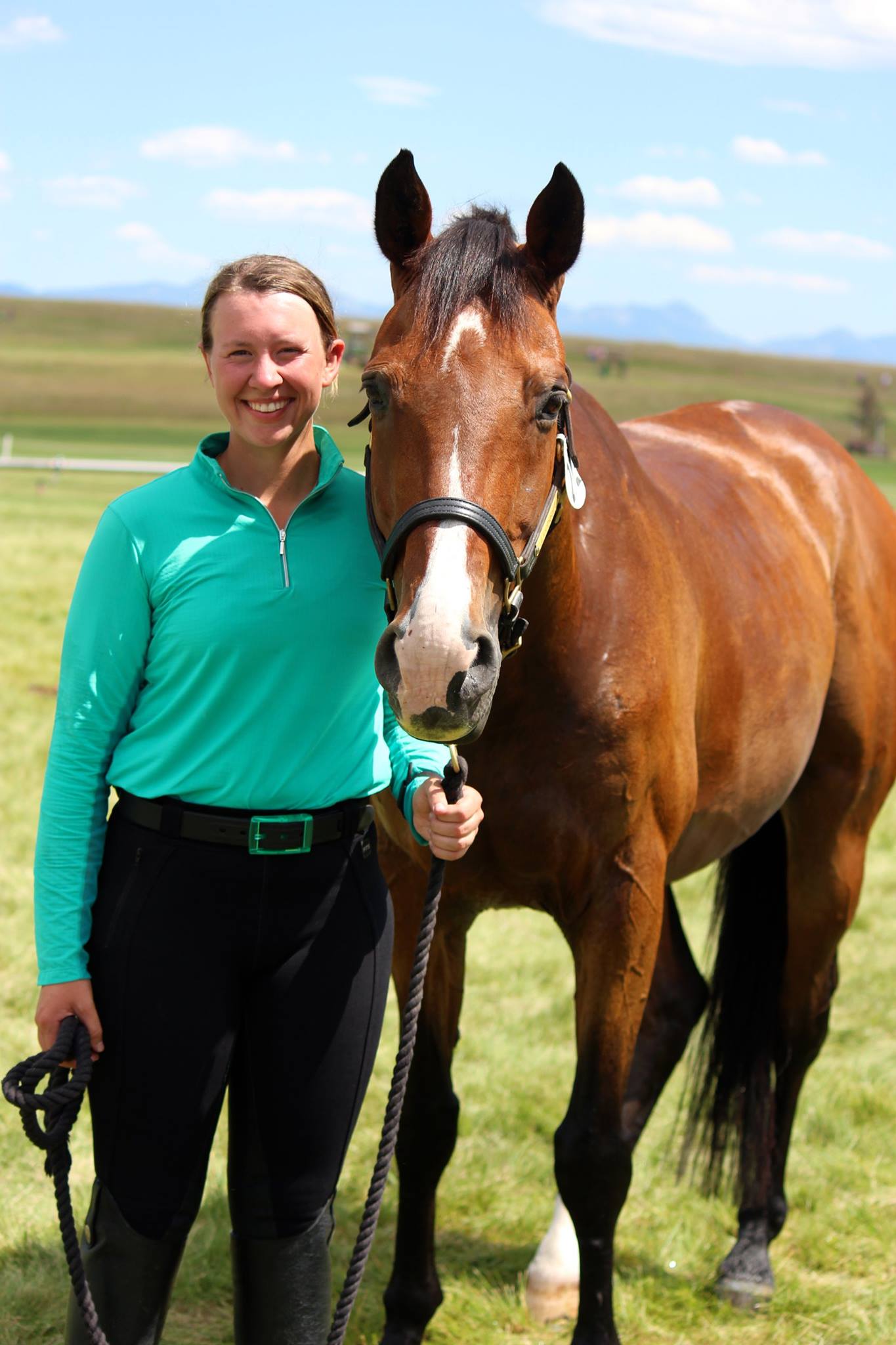
- Present Day: As an assistant horse trainer in Idaho, Buckingham manages the complexities of a high-sensory environment, demonstrating the long-term success of her early habilitation.
The Efficacy of Early Intervention: Data and Implications
The success of individuals like Buckingham is supported by a growing body of research regarding the "critical period" for language acquisition. According to the Alexander Graham Bell Association for the Deaf and Hard of Hearing, children who receive high-quality LSL services and early cochlear implantation often perform at levels commensurate with their hearing peers in academic and social settings.
The economic and social implications of these outcomes are significant. By providing children with the tools to communicate effectively in the hearing world, organizations like Listen and Talk reduce the long-term reliance on social support services and increase the likelihood of workforce participation. For Buckingham, the bridge between a classroom in Washington and a stable in Idaho was built on the confidence developed through years of navigating her hearing loss with both the support of her family and the specialized coaching of her educators.
"Jordan’s story is a testament to what we define as the ‘Listen and Talk vision,’" noted Maura Berndsen, Executive Director of the organization. "When a child is equipped with the right technology and, crucially, the right support system, the limitations that were historically associated with profound hearing loss essentially vanish. Jordan didn’t just adapt; she thrived."
Analysis of the Support Ecosystem
The partnership between clinical providers—such as the University of Washington Medical Center and Seattle Children’s—and educational advocates like Listen and Talk creates a synergistic effect. While the medical team manages the hardware and physical health of the auditory system, the educational team manages the "software"—the cognitive ability to process language.
Buckingham’s career choice is particularly illustrative of her success. Horse training requires a high degree of situational awareness and non-verbal communication, yet it also demands the ability to instruct human clients, necessitating clear, precise spoken language. Her ability to operate in this field at a professional level validates the effectiveness of her childhood therapy, which prioritized the normalization of listening and speaking in all aspects of life.
The Role of Alumni and Philanthropic Continuity
As Listen and Talk looks toward the future, the organization has turned its focus to the "Alumni Family Giving Campaign." This initiative serves a dual purpose: it provides the necessary capital to fund contemporary early intervention, audiology, and speech therapy programs, and it creates a self-sustaining community of success stories.
The engagement of alumni is a critical indicator of organizational health. When former students return to contribute to the programs that facilitated their own development, it reinforces the value of the community. Donors to this campaign directly support the procurement of advanced audiological equipment and the recruitment of specialized speech-language pathologists, ensuring that the next generation of children receives the same standard of care that was provided to Buckingham nearly three decades ago.
A Message for Families
For families currently navigating the daunting initial diagnosis of childhood hearing loss, Buckingham offers a perspective shaped by years of lived experience. Her advice remains grounded in three core pillars: prioritize the child’s individual needs, leverage the surrounding support community, and recognize that progress is a product of consistent, long-term labor.
"It is not an easy road, but it is a road that leads to a life without limits," Buckingham has stated. By emphasizing the importance of patience and active participation in therapy, she highlights that the role of the family is as pivotal as that of the professional therapist. Her journey confirms that while the technology is the vessel, the human spirit—supported by rigorous, professional intervention—is the driver of achievement.
As the landscape of pediatric healthcare continues to evolve, the case of Jordan Buckingham remains a benchmark. It demonstrates that the early investment in auditory and language development pays dividends that last a lifetime, transforming a potential barrier into a unique attribute of a successful, productive, and independent adult. The mission to ensure "no child is limited by hearing loss" remains as relevant today as it was when the first cochlear implant was placed in a young girl in 1995, and the ongoing support from alumni and the broader community remains the essential engine of that mission.