


The journey from a debilitating health diagnosis to becoming a pillar of community support is a path defined by resilience, as evidenced by the story of Jack Bridge, the founder of Sonovo. At the age of 20, in January 2021, Bridge began experiencing the persistent, intrusive ringing associated with tinnitus, an experience that has since transformed his professional trajectory and led him to become a prominent corporate advocate for Tinnitus UK. His transition from a patient navigating the uncertainty of a chronic condition to an entrepreneur developing supportive technologies highlights the evolving role of the private sector in addressing sensory health challenges.
The Onset and Initial Impact of Tinnitus
The experience of tinnitus—often described as a phantom sound like buzzing, hissing, or ringing—is a global health phenomenon. For Bridge, the onset occurred during a period of illness with COVID-19, a time characterized by heightened physical vulnerability and isolation. While many individuals experience temporary auditory sensations after exposure to loud noise, Bridge’s symptoms persisted beyond the typical window of transient threshold shifts.
The psychological impact of such a diagnosis at a young age is significant. Medical professionals often note that the initial phase of tinnitus is marked by hyper-vigilance, where the brain remains locked on the phantom signal, leading to increased anxiety and sleep deprivation. For Bridge, the loss of "true silence" represented a major lifestyle adjustment. The inability to retreat into a quiet environment created a cycle of distress that is common among the estimated 7 million adults in the UK who live with some form of tinnitus.
A Chronology of Adaptation and Advocacy
The trajectory of Bridge’s recovery can be segmented into three distinct phases: the acute phase of distress (early 2021), the phase of exploration and information gathering, and the final phase of proactive engagement and advocacy.
In the months following his diagnosis, Bridge faced the common hurdle of seeking medical clarity in an environment where no singular, pharmacological cure exists. This phase is often the most challenging for patients, as it requires a fundamental shift in perspective from "seeking a cure" to "achieving habituation." Habituation is a neurological process where the brain eventually filters out the tinnitus sound as a non-threatening stimulus.

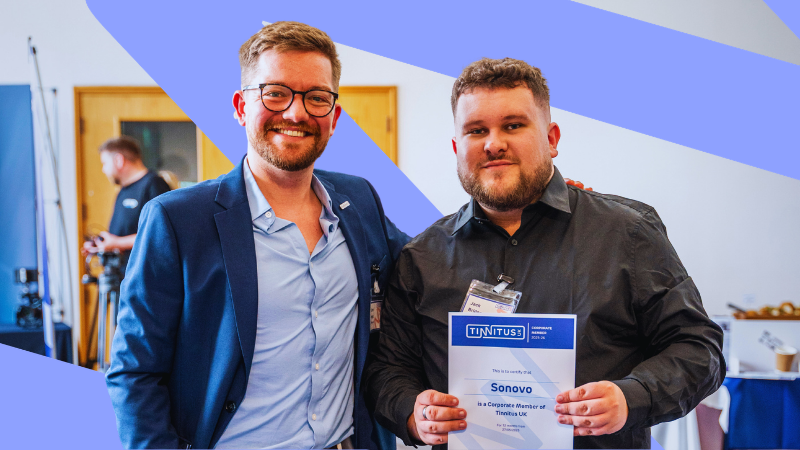
By 2023, Bridge had transitioned into the entrepreneurial space, founding Sonovo to develop non-medical sound-based products. This move was not merely commercial; it was a response to a lack of accessible tools designed to assist in the habituation process. His involvement with Tinnitus UK, culminating in his attendance at the 2025 Sheffield Tinnitus Roadshow, underscores the importance of public awareness campaigns in legitimizing the struggles of those affected.
Understanding the Burden of Tinnitus
Data regarding the prevalence and economic impact of tinnitus remains a focal point for organizations like Tinnitus UK. According to recent public health metrics, tinnitus is not just an auditory issue but a significant driver of mental health consultations. The condition is frequently linked to stress, anxiety, and depression, placing a tangible strain on public healthcare systems.
The distinction between "sound masking" and "sound enrichment"—a topic Bridge highlights in his personal experience—is critical for modern clinical approaches. While masking seeks to cover the sound, enrichment aims to soften the contrast between the environment and the tinnitus, effectively training the brain to reclassify the sound as background noise. The implementation of such strategies is often the turning point for patients, moving them from a state of reactive suffering to proactive management.

The Role of Corporate Social Responsibility
The emergence of corporate members within the tinnitus support ecosystem represents a shifting landscape in patient advocacy. When companies like Sonovo partner with organizations like Tinnitus UK, they provide more than just financial support; they contribute to a broader network of advocacy that influences public perception.
From an organizational perspective, the partnership between a specialized product manufacturer and a national charity serves two primary functions: it ensures that products are developed with clinical or experiential validity, and it provides a platform for education. For Bridge, the decision to join as a corporate member was rooted in the need for a "shared purpose." By aligning with an established charity, small enterprises can leverage their agility to address specific patient needs while benefiting from the credibility and reach of the parent organization.
Broader Implications for Public Health
The integration of entrepreneurship into the health support sector has profound implications. As the global population ages and noise pollution levels in urban environments continue to rise, the incidence of tinnitus is expected to grow. Traditional healthcare models, which are often overburdened, may struggle to provide the granular, day-to-day support that patients require to habituate successfully.

This is where the private sector, led by figures like Bridge, is filling the gap. By focusing on non-medical, user-friendly, and accessible sound-enrichment technologies, these businesses offer a bridge between clinical diagnosis and daily living. However, experts warn that such initiatives must remain transparent and evidence-based. The partnership between commercial entities and organizations like Tinnitus UK acts as a regulatory safeguard, ensuring that the "advocacy" remains centered on patient outcomes rather than purely profit-driven motives.
Navigating the Future of Tinnitus Support
Looking ahead, the focus for the tinnitus community remains the dual pursuit of scientific breakthrough and psychological resilience. While researchers continue to investigate the neurological pathways of the condition, the immediate future relies on the efficacy of support networks.
Bridge’s message to other business owners is clear: the involvement of the private sector in health advocacy is not a marketing gimmick, but a necessity. By demonstrating a genuine commitment to the community, businesses can foster trust and contribute to a cultural environment where tinnitus is discussed with openness rather than shame.

As of April 2026, the success of the Tinnitus UK model of corporate membership suggests a sustainable way forward for non-profit organizations. By fostering an environment where individuals like Bridge can share their stories and convert their personal challenges into collective progress, the organization ensures that the narrative around tinnitus continues to evolve. It is a transition from silence and isolation to vocal, active, and community-driven support, providing a blueprint for how individuals can influence public health outcomes through empathy and innovation.
In the final analysis, the story of Jack Bridge is not merely about an entrepreneur finding a solution for his own discomfort; it is a case study in the power of advocacy. The ability to shift from the helplessness of a new diagnosis to the empowerment of a leader in the field serves as a testament to the importance of support networks. As more stakeholders join this conversation, the collective goal—a world where tinnitus no longer dictates the quality of a person’s life—becomes increasingly attainable. The path forward is clearly paved with both scientific inquiry and the simple, humanizing act of ensuring that no one has to navigate the ringing alone.