

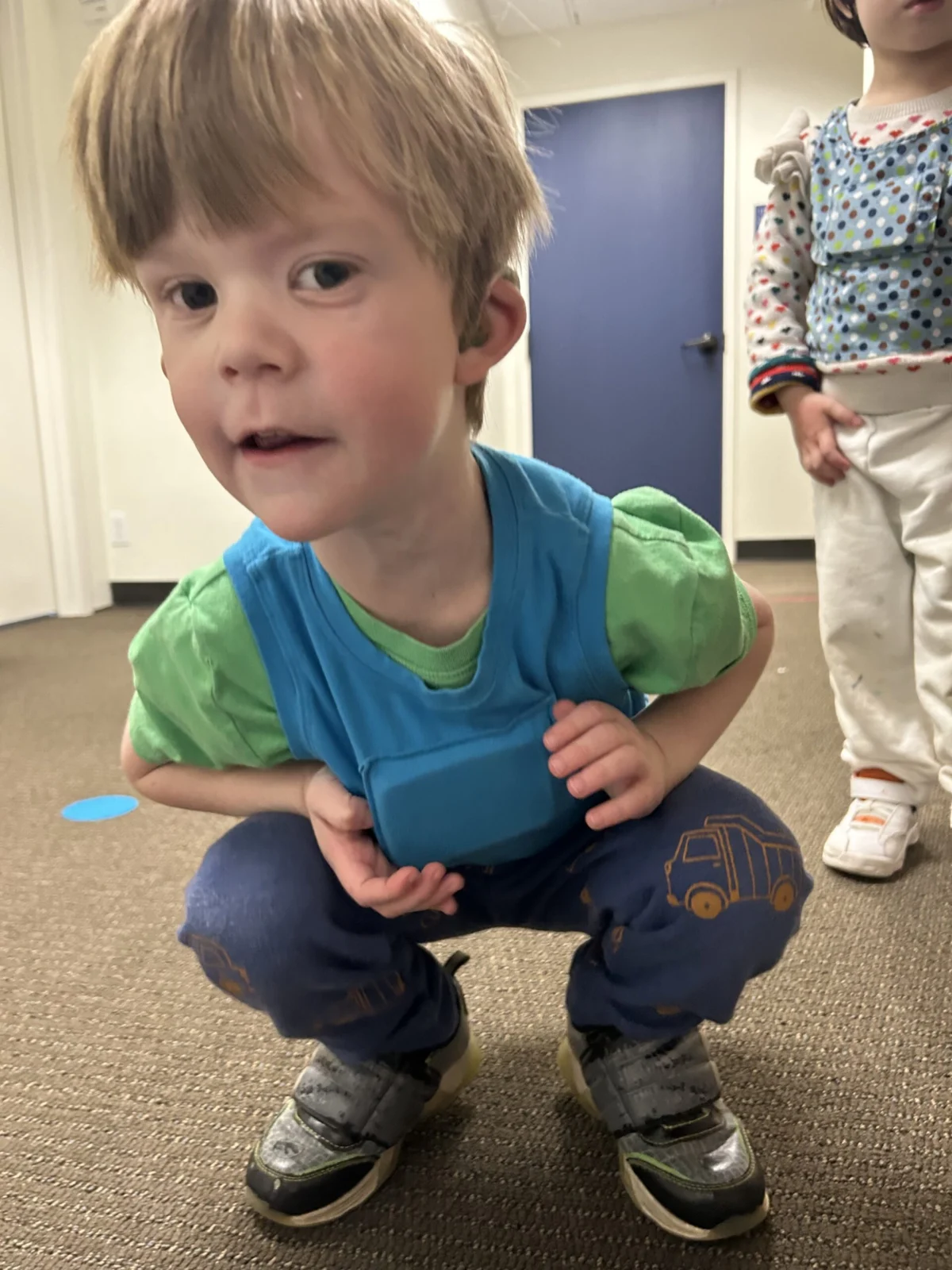
In the evolving landscape of early childhood education, Listen and Talk is pioneering a data-driven approach to language development through the integration of LENA (Language Environment Analysis) technology. Often referred to as "talk pedometers," these wearable devices serve as a cornerstone of the organization’s blended classroom program, providing an objective, granular view of the linguistic environments in which children develop. By capturing both the vocalizations of the children and the surrounding ambient speech, educators are moving beyond qualitative observation to a quantitative model of instruction that promises to refine how interventions for language delays are designed and executed.
The Mechanism of Data Collection and Analysis
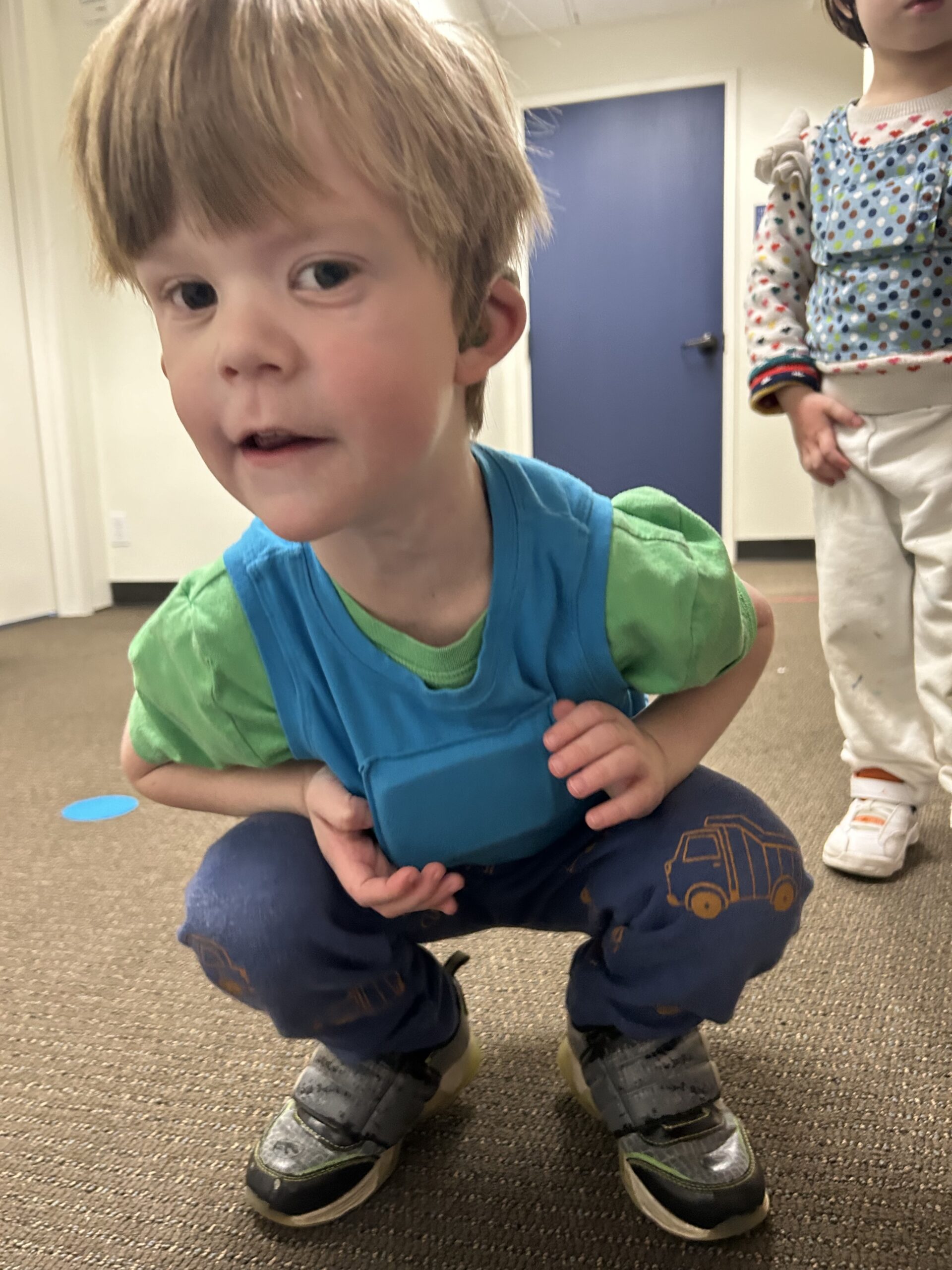
The implementation of LENA technology involves a structured, non-invasive process. Children participating in the program wear a small, specialized vest that houses a digital recorder. Typically, students wear these devices for two consecutive days, ensuring that the data captured reflects a representative sample of their school experience. This methodology minimizes the "observer effect," where the presence of an adult researcher might otherwise alter the natural social dynamics of the classroom.
Once the data is collected, the LENA software acts as a sophisticated analytical engine. It parses the audio streams into distinct categories: child vocalizations, adult speech, overlapping dialogue, and environmental noise. Crucially, the software measures "conversational turns"—the fundamental back-and-forth exchanges that are widely considered the building blocks of cognitive and linguistic growth. By tracking these metrics, teachers receive detailed, hour-by-hour reports. These reports serve as a diagnostic tool, allowing staff to map specific periods of high engagement against periods of silence or noise, thereby identifying opportunities to optimize the classroom schedule for maximum verbal interaction.
Chronology of Implementation and Early Observations
The adoption of this technology at Listen and Talk follows a broader trend in educational research that emphasizes the importance of the "Language Gap"—a documented phenomenon where children from different socioeconomic or developmental backgrounds are exposed to significantly different volumes of vocabulary and conversation in their formative years. By incorporating LENA, the organization has moved from theoretical application to a rigorous, data-informed assessment cycle.
Early observations from the program have revealed significant insights into the nature of language acquisition within a classroom setting. Educators have noted that a child’s communication output is rarely static; it is deeply contingent upon the time of day and the nature of the classroom activity. For instance, preliminary data suggests that children experiencing language delays often demonstrate higher levels of engagement during structured, teacher-led sessions. Conversely, children with more advanced linguistic capabilities tend to flourish during open-ended, child-directed play.
These observations have prompted a shift in how the school approaches individualized education plans (IEPs). By aligning LENA recording schedules with specific curriculum modules, researchers are beginning to pinpoint exactly which pedagogical strategies yield the highest rate of "conversational turns" for specific student profiles. This transition from broad instruction to hyper-individualized, data-backed intervention is a milestone in specialized early childhood education.
Supporting Data and the Science of Language Exposure
The reliance on LENA technology is supported by a growing body of academic literature. Research consistently demonstrates that the quantity and quality of language input are primary predictors of long-term literacy and academic success. According to standard pedagogical benchmarks, the "conversational turn" is a more accurate predictor of future language ability than the sheer volume of adult speech directed at a child.
In a typical classroom, noise pollution—from playground sounds to background music or equipment—can obscure the nuances of speech. LENA’s ability to filter this "noise" allows educators to see the "signal": the actual exchanges between the child and their peers or teachers. By quantifying the ratio of adult-to-child talk versus child-to-child talk, the program provides a clear picture of whether a child is learning to communicate primarily through instruction or through peer-to-peer socialization.
Developing Fine-Grained Analytical Tools
A significant limitation identified by the research team led by Dr. Mona Oster is the current software’s inability to differentiate between various types of interlocutors beyond broad age or gender categories. While the system currently classifies speech as "woman," "man," or "child," the team has recognized that the quality of a child’s interaction with a peer is qualitatively different from their interaction with an adult.
For many children in the program, the barrier to communication is not an inability to speak, but rather the social challenge of engaging with peers. To bridge this gap, Listen and Talk is currently developing proprietary, fine-grained analytical tools that build upon the raw data exported from the LENA software. The goal is to move beyond the "adult/child" dichotomy to analyze the specific dynamics of peer-to-peer social interaction. By mapping these specific communication patterns, the school aims to create targeted social-emotional interventions that encourage children to initiate and sustain conversations with their classmates, a vital skill for transition into mainstream educational environments.
Institutional Implications and Future Directions
The implications of this research extend far beyond the classroom at Listen and Talk. As educational institutions face increasing pressure to demonstrate the efficacy of their interventions, the use of wearable technology provides an objective evidentiary standard. For parents, this data offers a transparent look into their child’s daily progress, transforming the "black box" of the school day into a measurable, trackable journey.
Furthermore, the data collected provides a longitudinal look at how interventions evolve. If a child’s conversational turn count remains low during peer-directed play, educators can adjust the environment—perhaps by introducing specific, high-interest activities that necessitate cooperation—and then use the LENA device to measure the impact of that change in real-time. This iterative "measure-act-measure" cycle is the hallmark of high-quality, evidence-based research.
However, the technology is not a panacea. Educators are careful to note that the data serves as a guide for human decision-making rather than a replacement for it. The nuance of a child’s emotional state, the context of a classroom conflict, and the interpersonal warmth of a teacher remain intangible elements that software cannot fully capture. Instead, the LENA system acts as a mirror, reflecting the communication environment back to the teachers so that they can make informed, data-driven decisions that best support the unique neurological and social needs of each child.
As this initiative continues to scale, it serves as a model for how specialized programs can integrate modern technology to demystify language development. By treating every conversational turn as a data point, Listen and Talk is ensuring that no child’s progress—or lack thereof—goes unnoticed, providing a robust framework for early intervention that is as precise as it is compassionate. The future of the program lies in refining these tools to become even more sensitive to the complexities of human interaction, ensuring that the classroom is not just a place where children are present, but a place where they are actively and consistently heard.