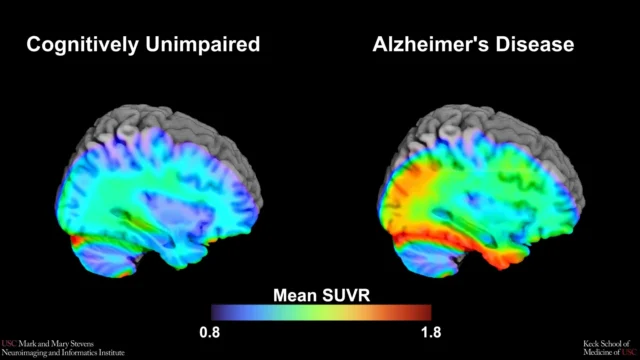

The findings are the result of a multi-disciplinary approach that combined large-scale artificial intelligence analysis of patient health records with controlled laboratory experiments on mouse models and human brain tissue. The study’s implications are particularly stark for the estimated 7 million Americans currently living with Alzheimer’s disease and the millions more diagnosed with MCI, a condition characterized by memory and thinking problems that are more severe than normal aging but do not yet fully impede daily functioning.
Understanding the Scope of the Study and Patient Demographics
The investigation was spearheaded by Ramon Sun, Ph.D., director of the Center for Advanced Spatial Biomolecule Research and associate director for innovation at UF’s McKnight Brain Institute. Working alongside colleagues Yi Guo, Ph.D., and Jiang Bian, Ph.D., the team utilized advanced AI to parse through deidentified UF Health records spanning over a decade, from 2012 to 2024. This longitudinal analysis allowed the researchers to observe real-world health outcomes for a large cohort of patients over an extended period.
The researchers focused specifically on two patient populations: those diagnosed with Alzheimer’s disease and related dementias (ADRD) and those with MCI. Within these groups, the researchers found that approximately 8% of patients reported regular glucosamine use. This subset included 1,896 individuals with ADRD and 2,750 individuals with MCI. By comparing these users to non-users while adjusting for variables such as age, sex, and other demographic factors, the AI-driven analysis revealed a clear and concerning trend.
Significant Findings: Progression and Mortality Risks
The most striking data point emerged from the MCI group. The study found that patients with mild cognitive impairment who took glucosamine were 25% more likely to see their condition progress to a formal dementia diagnosis compared to those who did not use the supplement. This suggests that the supplement may act as a catalyst for cognitive decline in brains that are already biologically vulnerable.
The risks were not limited to cognitive progression. Among patients who had already been diagnosed with ADRD, glucosamine use was associated with a 25% increase in mortality risk. Interestingly, this increased likelihood of death was not observed in the MCI group, leading researchers to hypothesize that the supplement’s negative effects may be amplified once the neurodegenerative process has reached a more advanced, established stage.
"A lot of these people actively take an over-the-counter supplement that could be making their disease progression worse," Dr. Sun noted, highlighting the clinical urgency of the findings. Because glucosamine is an over-the-counter product, it is often not viewed with the same scrutiny as prescription medications, yet its biological activity in the brain appears to be profound.
The Biological Mechanism: Overactive "Sugar Tagging"
To move beyond mere association and understand the "why" behind these findings, the UF team explored the metabolic pathways influenced by glucosamine. The supplement is known to cross the blood-brain barrier, the physiological gatekeeper that regulates which substances can enter the brain’s delicate environment. Once inside, glucosamine enters a biochemical pathway known as O-GlcNAcylation.
O-GlcNAcylation is a natural and necessary process in cell biology where sugar structures are attached to proteins. These "sugar tags" act as instructions, helping proteins fold correctly, move to specific locations, and perform their intended functions. However, the UF research indicates that in the context of Alzheimer’s disease, this system becomes pathologically overactive.
"Proteins are the cell’s molecular machines," explained Matt Gentry, Ph.D., chair of UF’s Department of Biochemistry and Molecular Biology and a study co-author. "What we found in Alzheimer’s is that this sugar-tagging system appears to be overactive. The Alzheimer’s brain is adding too many of these sugar structures, and this seems to contribute to the disease rather than protect against it."
By introducing exogenous glucosamine into this already hyperactive environment, the supplement appears to "fuel the fire," providing the raw materials for excessive protein tagging that disrupts cellular health and accelerates neurodegeneration.
Validation Through Mouse Models and Human Tissue
The researchers validated their health record findings through rigorous laboratory testing. In experiments involving genetically modified mice designed to simulate Alzheimer’s disease, glucosamine administration significantly increased the attachment of sugar residues to proteins within brain cells. These biological changes correlated with behavioral outcomes: the glucosamine-treated mice exhibited worse "social memory"—the ability to recognize and remember other individuals—than the control group.
In a critical test of causality, the researchers used a chemical treatment to suppress the overactive sugar attachment process in the mice. When the tagging was inhibited, the animals’ memory performance improved, suggesting that the metabolic defect is a direct contributor to cognitive symptoms rather than a secondary byproduct of the disease.
The final piece of the puzzle came from the UF Neuromedicine Brain and Tissue Bank. When examining brain specimens from deceased humans who had Alzheimer’s disease, the researchers found the same pattern of excessive sugar tagging compared to brain tissue from healthy controls. This consistency across AI data, animal models, and human pathology strengthens the argument that disrupted metabolism is a central pillar of Alzheimer’s progression.
Shifting the Paradigm of Alzheimer’s Research
For decades, Alzheimer’s research has been dominated by the "amyloid hypothesis," which focuses on the accumulation of amyloid-beta plaques and tau protein tangles in the brain. While these features remain hallmarks of the disease, the high failure rate of drugs targeting these proteins has led scientists to look for alternative or complementary drivers of neurodegeneration.
The UF study adds to a growing body of evidence suggesting that metabolic dysfunction may be just as critical as plaques and tangles. "Our results suggest that altered metabolism is a significant contributor to Alzheimer’s progression," said Dr. Sun. "Addressing the metabolic defect could be an important complement to approaches focused on Alzheimer’s plaques and tangles."
By identifying O-GlcNAcylation as a potential target, the researchers have opened a new door for therapeutic intervention. If drugs can be developed to normalize this sugar-tagging process, they might slow the progression of dementia in a way that current treatments cannot.
Clinical Implications and the Need for Controlled Trials
Despite the provocative nature of the findings, the researchers have been careful to emphasize that the study does not yet prove that glucosamine causes dementia. As a retrospective observational study, it identifies a strong association, but it cannot account for every possible confounding factor that might differentiate supplement users from non-users.
"While it’s an association and not proof of causality, it does raise an important clinical question that now deserves much more attention," said Dr. Gentry. The researchers are calling for controlled human clinical trials to definitively determine whether glucosamine accelerates cognitive decline and to identify which specific patient populations—such as those with certain genetic predispositions—might be the most vulnerable.
In the interim, the study serves as a cautionary note for healthcare providers and patients. For older adults already experiencing memory issues or those diagnosed with MCI, the potential risks of glucosamine for brain health may outweigh its benefits for joint discomfort.
The Broader Context of Supplement Safety
The glucosamine findings also highlight a broader issue in public health: the regulation and oversight of the dietary supplement industry. In the United States, supplements are not subject to the same rigorous pre-market testing for safety and efficacy as prescription drugs. This study underscores the fact that even "natural" substances can have complex and potentially detrimental effects on the body’s most sensitive organs.
As the global population ages and the prevalence of Alzheimer’s disease continues to rise, understanding the impact of common lifestyle factors—including diet and supplements—becomes paramount. The University of Florida’s research marks a significant step forward in mapping the intricate relationship between what we consume and how our brains age.
For now, the scientific community awaits further validation, but the message from the McKnight Brain Institute is clear: the path to understanding Alzheimer’s may be paved with sugar, and the supplements millions use to stay active could be a hidden factor in the battle against cognitive decline. Future research will focus on whether suppressing this metabolic pathway can be turned into a viable treatment, offering hope for a new generation of Alzheimer’s therapies.