

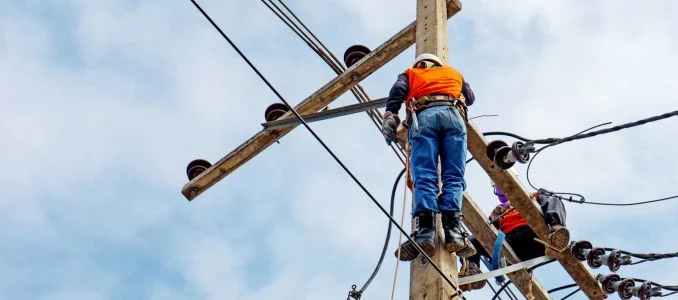
As the global push for digitalization accelerates, the rapid expansion of data center infrastructure is fundamentally reshaping the landscape of electrical construction and utility work. This unprecedented surge in investment, driven by the rise of artificial intelligence, cloud computing, and high-performance data storage, is placing significant pressure on the construction and utility sectors to meet ambitious deployment timelines. However, this pace brings an acute set of challenges for worker safety. With thousands of new, often inexperienced, personnel entering the workforce, the industry faces an urgent need to modernize safety protocols, leverage connected technologies, and enhance training standards to prevent the recurring, life-threatening electrical incidents that have long plagued the sector.
The Current State of Electrical Hazards
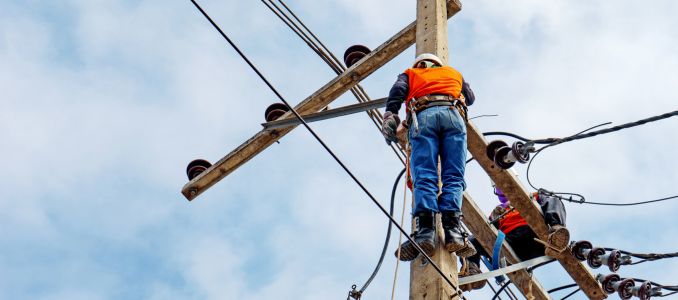
Data from the Electrical Safety Foundation International (ESFI) highlights a sobering reality: contact with electricity remains one of the leading causes of workplace fatalities and injuries. Annually, approximately 150 workers lose their lives due to electrical contact, and thousands more suffer debilitating injuries. These incidents are consistently reflected in the Occupational Safety and Health Administration’s (OSHA) "Top 10" list of the most frequent and significant workplace safety violations.
The inherent risks—arc flashes, electrocution, and electrical shock—are particularly pronounced in environments where high-voltage equipment is being installed or upgraded at scale. As organizations race to build out the "backbone" of the modern internet, the risk profile of the construction site has shifted. Tight deadlines, multi-contractor environments, and the sheer complexity of modern data center electrical systems increase the likelihood of human error, which is the root cause of the vast majority of these electrical incidents.
Chronology of the Infrastructure Surge
The trajectory toward this "Data Center Era" can be traced back to the post-2020 shift in remote work and digital consumption.
- 2021–2022: The initial post-pandemic recovery triggered a surge in demand for cloud infrastructure. During this period, the construction industry began experiencing the first wave of labor shortages, which put upward pressure on hiring velocity.
- 2023–2024: The widespread adoption of generative AI necessitated a massive pivot toward power-intensive data center clusters. Utilities began reporting record-high requests for grid interconnections, leading to a massive increase in high-voltage utility construction.
- 2025: Industry regulators began noting an uptick in recordable electrical safety incidents, prompting a call for more stringent training requirements and the integration of automated safety devices.
- 2026 and Beyond: The current year represents a critical juncture where the integration of "connected safety" tech is moving from optional to mandatory for major projects, as firms realize that traditional training alone is insufficient to manage the current risk density.
Technological Integration as a Safety Imperative
The $19 billion global connected safety market, growing at a compound annual growth rate (CAGR) of 7%, provides a blueprint for how the industry is attempting to solve these safety gaps. The shift is moving away from purely reactive safety measures toward proactive, data-driven ecosystems.

Connected safety solutions—which utilize wearable sensors, real-time voltage detection, and cloud-integrated monitoring devices—allow project managers to track safety metrics in real-time. For instance, sensors attached to personal protective equipment (PPE) can notify a worker and their supervisor if they enter a "live" zone without the proper clearance or if their equipment has been compromised.
This transition toward a "Safety 4.0" approach is vital for the data center industry. Unlike traditional construction sites, data centers are dense with proprietary, complex power distribution units (PDUs) and backup generator systems. In this environment, the ability to remotely monitor circuit status or use smart lockout/tagout (LOTO) devices that verify the absence of voltage before a worker begins a task can drastically reduce the incidence of catastrophic failures.

Implications for the Workforce
The influx of tens of thousands of new workers into the electrical sector presents a double-edged sword. While it supports the economic viability of infrastructure expansion, it also creates a "skills gap" where the ratio of master-level electricians to apprentices is stretched thin.
Labor experts and industry organizations have argued that the traditional apprenticeship model must be supplemented with high-fidelity simulations. Virtual Reality (VR) and Augmented Reality (AR) training modules are now being implemented by large contractors to allow workers to experience the sensation of an arc flash or the consequences of improper LOTO procedures in a controlled, safe environment. By front-loading the safety experience through digital simulations, companies are seeing a reduction in the "learning curve" hazards that typically lead to early-career accidents.
Regulatory and Official Perspectives
While OSHA maintains strict standards for electrical safety under 29 CFR 1910.331-335, the emergence of advanced technology has prompted discussions regarding how these regulations might evolve. Industry groups, including the National Fire Protection Association (NFPA), which oversees the NFPA 70E Standard for Electrical Safety in the Workplace, are increasingly emphasizing the role of "inherently safer design."
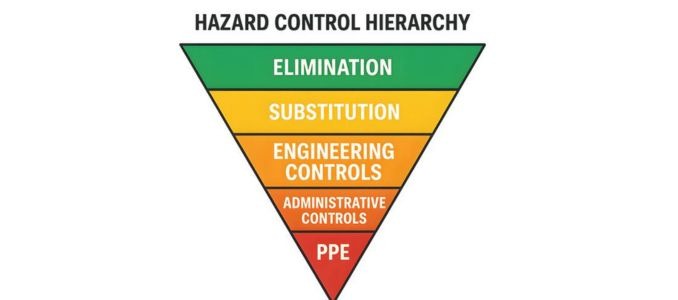
This design philosophy suggests that safety should be engineered into the facility itself rather than relying solely on individual behavior. This includes installing permanently mounted, non-contact voltage testers and remote racking systems that allow personnel to operate switchgear from outside the arc flash boundary. The consensus among safety professionals is that as the complexity of data center infrastructure increases, the "human in the loop" must be protected by layers of hardware that compensate for the inevitable potential for human error.
Broader Economic and Industrial Impacts
The safety of the electrical workforce is not merely a moral or regulatory imperative; it is a financial one. A single major electrical incident can shutter a massive data center construction site for weeks, triggering liquidated damages and severe reputational damage for the prime contractors involved.
Furthermore, as insurance premiums for high-risk construction projects rise, firms that invest in advanced safety technology are finding themselves at a competitive advantage. The integration of IoT-enabled safety devices provides the granular data required to prove lower risk profiles, potentially lowering insurance costs and improving the "safety culture" score of a company, which is increasingly being scrutinized by investors and environmental, social, and governance (ESG) reporting frameworks.

Conclusion: A Strategic Path Forward
The challenge of the 2026 workforce is not just about hiring more people; it is about ensuring that the rapid pace of development does not come at the cost of human lives. As the electrical industry continues to build the infrastructure for the digital age, the convergence of high-tech connectivity and rigorous, modernized safety standards will define the industry leaders.
Organizations that prioritize the adoption of connected safety technologies—while simultaneously investing in the rigorous training of new workers—are better positioned to navigate the risks of this high-demand era. By moving from a culture of compliance to a culture of prevention, the electrical sector can ensure that the infrastructure driving the next decade of innovation is built on a foundation of safety. As the industry looks beyond 2026, the successful integration of these tools will serve as a permanent benchmark for excellence, separating companies that merely meet the standard from those that define the future of electrical work.