

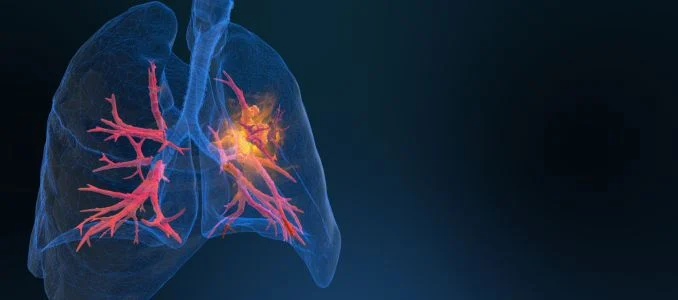
The National Institute for Occupational Safety and Health (NIOSH), a branch of the Centers for Disease Control and Prevention (CDC), has intensified its outreach efforts to provide free, confidential health screenings for current and former coal miners. This initiative, operating under the Coal Workers’ Health Surveillance Program (CWHSP), is designed to combat the rising prevalence of coal workers’ pneumoconiosis (CWP), commonly known as black lung disease. By offering chest X-rays, spirometry breathing tests, and symptom assessments, federal health officials aim to identify the condition in its earliest stages, when interventions can significantly mitigate long-term respiratory damage.
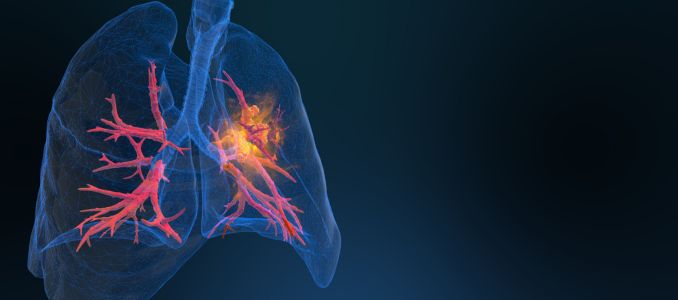
The program is a critical component of the federal response to a persistent public health crisis in the mining industry. Despite decades of technological advancements in dust suppression and stricter regulatory oversight, black lung disease remains a severe, irreversible, and potentially fatal condition. The screenings are available to both underground and surface coal miners, including contract laborers, ensuring that those most at risk have a pathway to monitor their health without the financial burden of medical costs.
The Clinical Reality of Black Lung Disease
Black lung disease is caused by the inhalation of respirable coal mine dust over prolonged periods. As fine particles settle deep within the lung tissue, the body’s immune system attempts to clear the foreign matter, leading to inflammation and the formation of scar tissue, or fibrosis. In its mildest form, it may manifest as simple CWP, characterized by small opacities on a chest radiograph. However, if exposure continues, the disease can progress to complicated CWP, including progressive massive fibrosis (PMF).

PMF represents the most severe form of the disease, where large masses of scar tissue form in the lungs, severely restricting airflow and gas exchange. Patients with advanced black lung often experience debilitating shortness of breath, chronic cough, and a significant reduction in exercise tolerance. In many cases, the condition progresses even after the miner has ceased working in the industry, making long-term monitoring essential for early detection and clinical management.
A Chronology of Regulatory and Health Efforts
The history of black lung surveillance in the United States is deeply rooted in the struggle for miners’ rights and occupational safety. Following the 1968 Farmington Mine disaster, which claimed the lives of 78 miners, public outcry and union advocacy led to the passage of the Federal Coal Mine Health and Safety Act of 1969. This landmark legislation established the first federal standards for respirable dust and mandated the creation of the CWHSP to monitor the health of the workforce.

In the decades that followed, the program underwent several critical expansions:
- 1970s–1990s: The initial focus was primarily on underground miners, with periodic X-ray screenings conducted at designated facilities.
- 2000s: Epidemiological studies indicated that despite federal regulations, the prevalence of black lung was not declining as expected, particularly in Central Appalachia. Researchers noted a resurgence of rapid-onset, severe disease among younger miners.
- 2014: The Mine Safety and Health Administration (MSHA) finalized a new rule to lower the permissible exposure limit for respirable coal dust from 2.0 milligrams per cubic meter to 1.5 milligrams per cubic meter.
- 2019: The NIOSH program expanded to include mobile health units, which travel directly to mining communities to overcome geographic barriers that had previously hindered participation.
- 2024–2025: Current efforts are focused on integrating digital imaging and advanced spirometry to improve the accuracy of diagnosis and the longitudinal tracking of respiratory function.
Supporting Data and Prevalence Trends
Data provided by the NIOSH surveillance program underscores the urgency of these screenings. According to the most recent biennial reports, the prevalence of CWP among long-tenured miners (those with 25 or more years of experience) remains elevated, with specific geographic clusters in Kentucky, West Virginia, and Virginia showing rates significantly higher than the national average.

Notably, the resurgence of severe disease—specifically cases of PMF—has alarmed public health experts. Recent studies published by the American Journal of Industrial Medicine suggest that the rate of PMF among miners with 25 or more years of tenure has reached its highest level in over 30 years. This phenomenon is often attributed to thinner coal seams, which require the mining of surrounding rock (silica-bearing strata), leading to higher concentrations of highly toxic silica dust.
The free screenings provided by NIOSH are designed to capture these trends in real-time. By aggregating anonymized data from the screenings, NIOSH can identify high-risk mines or regions where dust control measures may be failing, allowing for targeted inspections by the Mine Safety and Health Administration.

The Role of Mobile Health Units and Accessibility
A major hurdle in occupational health is the "participation gap." Many miners, particularly those in remote areas or those concerned about their job security, have historically been hesitant to seek medical evaluations. To address this, the CWHSP has deployed mobile screening units that function as specialized clinics on wheels. These units are equipped with high-resolution digital radiography and standardized lung-function testing equipment, staffed by technicians trained to identify the subtle markers of dust-related injury.
The process is strictly confidential. Under federal law, the results of the screenings are provided directly to the miner. NIOSH does not disclose individual results to mine operators, ensuring that miners can participate without fear of retaliation or job loss. This privacy is a cornerstone of the program’s design and is vital for maintaining the trust of the mining workforce.
Broader Impact and Industry Implications
The implications of early detection extend beyond the individual miner. For the industry, the data collected from these screenings serves as a barometer for the efficacy of current engineering controls. If a cluster of respiratory issues is identified at a specific site, it signals an immediate need for improved ventilation, water sprays, or updated dust collection systems.
From a societal perspective, the program reduces the long-term burden on the healthcare system and the Black Lung Disability Trust Fund. Early detection allows for earlier medical interventions, which can include smoking cessation programs, pneumonia and influenza vaccinations, and supplemental oxygen therapy—all of which can improve the quality of life and delay the onset of total disability.
Official Perspectives and Future Outlook
While industry groups and labor unions have historically differed on the pace of regulatory change, there is a broad consensus regarding the necessity of medical surveillance. Representatives from the United Mine Workers of America (UMWA) have frequently advocated for more frequent screenings and stricter enforcement of dust standards. On the industry side, safety-conscious operators recognize that a healthy workforce is more productive and that proactively identifying risks is a sound risk-management strategy.
Health officials emphasize that while the goal is the complete eradication of coal mine dust exposure, the reality of current mining practices necessitates a robust monitoring infrastructure. "The screening program is not just about testing; it is about empowerment," said a public health analyst familiar with the program. "When a miner understands their own respiratory health status, they are better equipped to advocate for their safety and participate in their own long-term care."

As the energy landscape shifts and the demand for coal fluctuates, the workforce remains vulnerable to the health impacts of their profession. The NIOSH initiative stands as a testament to the ongoing commitment to protecting those who work in the nation’s mines. For current and former miners, these free screenings represent more than just a medical check-up—they are an essential tool for ensuring that their contributions to the nation’s energy grid do not come at the cost of their long-term health and wellbeing.
The program encourages all eligible workers to visit the official NIOSH website or contact local mining health advocacy groups to schedule an appointment. By participating in these screenings, miners play an active role in the collective effort to hold the industry accountable and to ensure that the "black lung" of the past does not become the reality of the future.