

The sudden onset of severe, chronic tinnitus—often described as a persistent, high-pitched ringing in the ears—can be a life-altering medical event, frequently triggered by viral infections, ear trauma, or prolonged exposure to loud noise. For freelance artist and educator Winston Plowes, a severe viral infection this past spring served as the catalyst for a debilitating health crisis that left him grappling with the physical and psychological toll of tinnitus, eustachian tube dysfunction, and associated hearing loss. His experience, which threatened both his livelihood and his mental wellbeing, highlights the broader, often invisible, public health challenge posed by post-viral auditory conditions.
The Clinical Onset and Early Progression
Plowes’ experience began following a bout of illness this spring, characterized by severe ear infections and eustachian tube dysfunction. The condition manifested as a constant, high-pitched whistle, a hallmark symptom of tinnitus. Tinnitus is not a disease in itself but rather a symptom of an underlying condition, such as age-related hearing loss, ear injury, or a circulatory system disorder. According to the British Tinnitus Association and the American Tinnitus Association, approximately 15% to 20% of the population experiences some form of tinnitus, though only a small percentage find the condition severely distressing.
For the artist, the condition was compounded by the psychological weight of isolation. In the initial weeks, the constant auditory intrusion led to severe exhaustion and clinical depression. The severity of his symptoms—which included debilitating facial pain and nausea—rendered him unable to perform standard professional tasks, such as driving or conducting indoor classroom sessions. The inability to safely operate a vehicle significantly hampered his ability to maintain his career as an itinerant educator, creating a direct economic threat to his self-employed status.
The Intersection of Post-Viral Sequelae and Mental Health
The link between viral infections and auditory complications has been a subject of increasing medical interest, particularly in the wake of the COVID-19 pandemic. While researchers continue to study the long-term impacts of viruses on the auditory system, anecdotal reports from patients suggest that post-viral syndrome can exacerbate or trigger chronic tinnitus.
Psychologically, the transition from a functioning professional to someone suffering from a persistent, invisible, and incurable condition often results in a profound identity crisis. The "blackness" of the world described by the artist is a common theme among chronic pain and sensory-disorder patients, where the constant, uncontrollable nature of the sound creates a feedback loop of anxiety. Experts in audiology often categorize the most severe cases as "catastrophic tinnitus," where the distress is significant enough to interfere with daily life, cognitive function, and, in extreme cases, suicidal ideation.
Therapeutic Engagement: The Role of Land Art
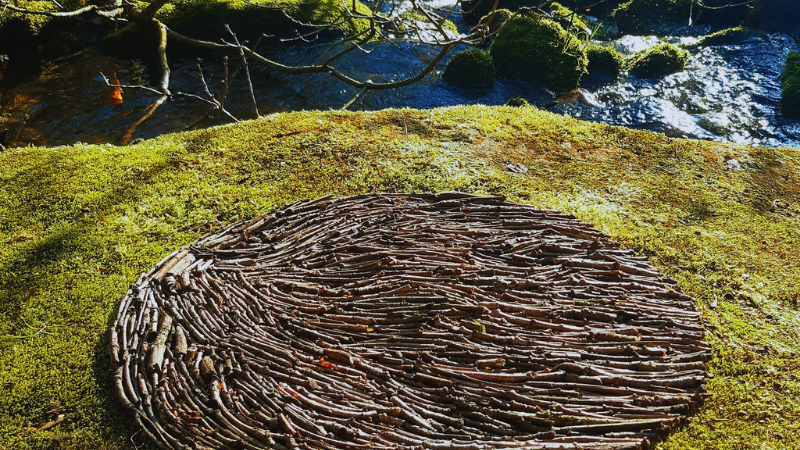
As his symptoms persisted, the artist turned to land art—a movement that uses natural materials such as stones, leaves, sticks, and sand to create site-specific works—as a coping mechanism. This practice, he notes, provided a necessary sensory anchor. By focusing on the tactile nature of arranging natural materials, he was able to mitigate the intensity of his focus on the auditory ringing.
From a therapeutic standpoint, this practice aligns with mindfulness-based stress reduction (MBSR) techniques. Engaging in repetitive, low-impact physical tasks outdoors allows the nervous system to shift focus from the internal, distressing stimulus (the tinnitus) to the external environment. This "grounding" effect is often recommended by therapists for individuals dealing with chronic pain, as it helps reorganize the brain’s focus and reduces the hyper-arousal that typically accompanies chronic tinnitus.
Chronology of Recovery and Creative Output
The artist’s recovery was marked by a series of thematic works, each reflecting his changing psychological state over a five-week period:
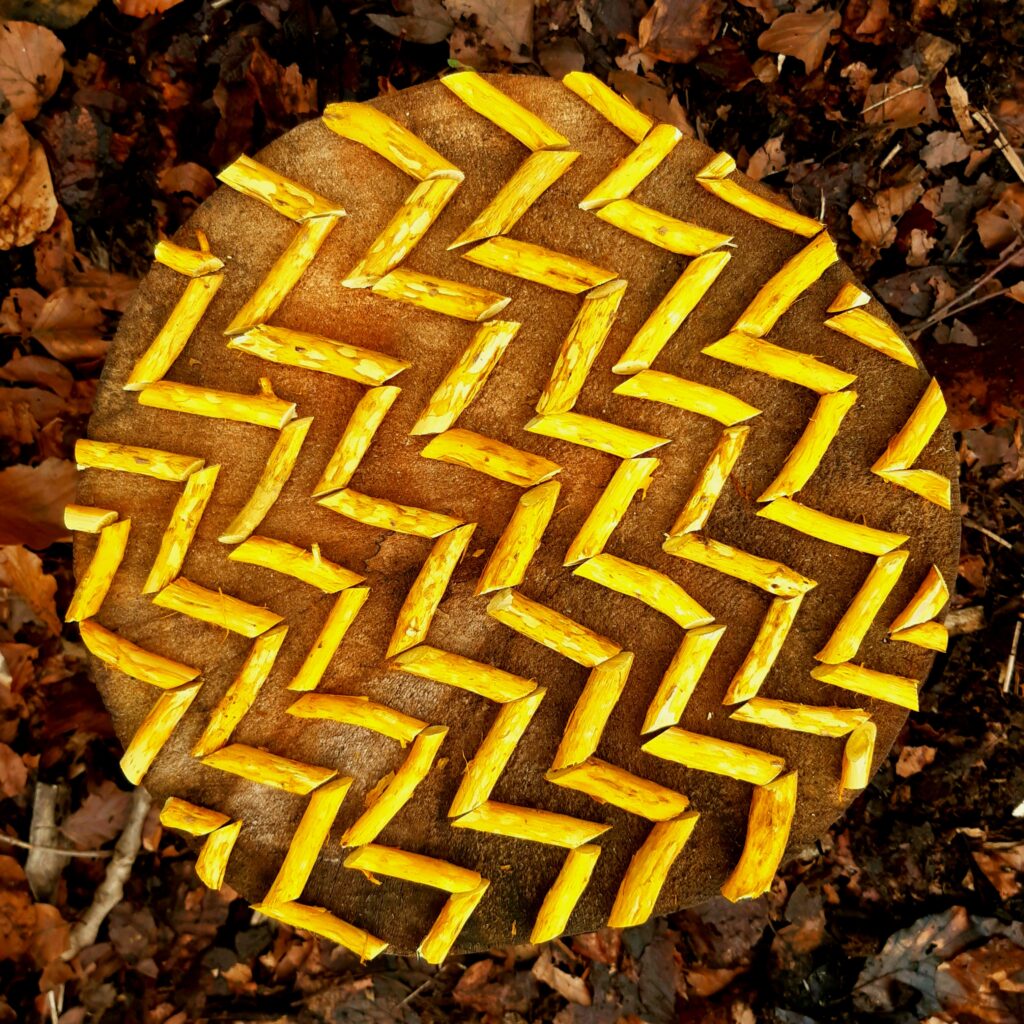
- Weeks 1–2 (The Acute Phase): During the period of greatest despair, he created "Tinnitus." Using the bright yellow inner bark of the mahonia shrub, the work was designed to be stark, loud, and visually aggressive, mirroring the auditory experience.
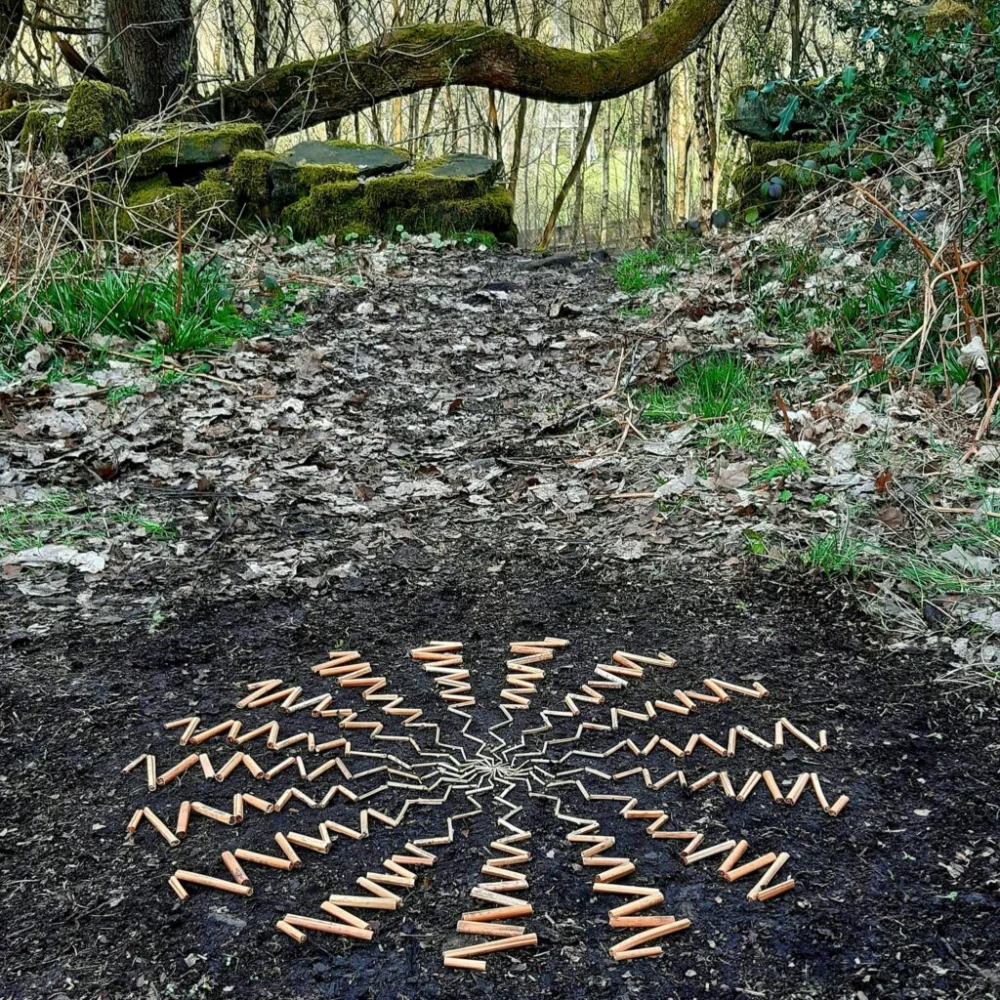
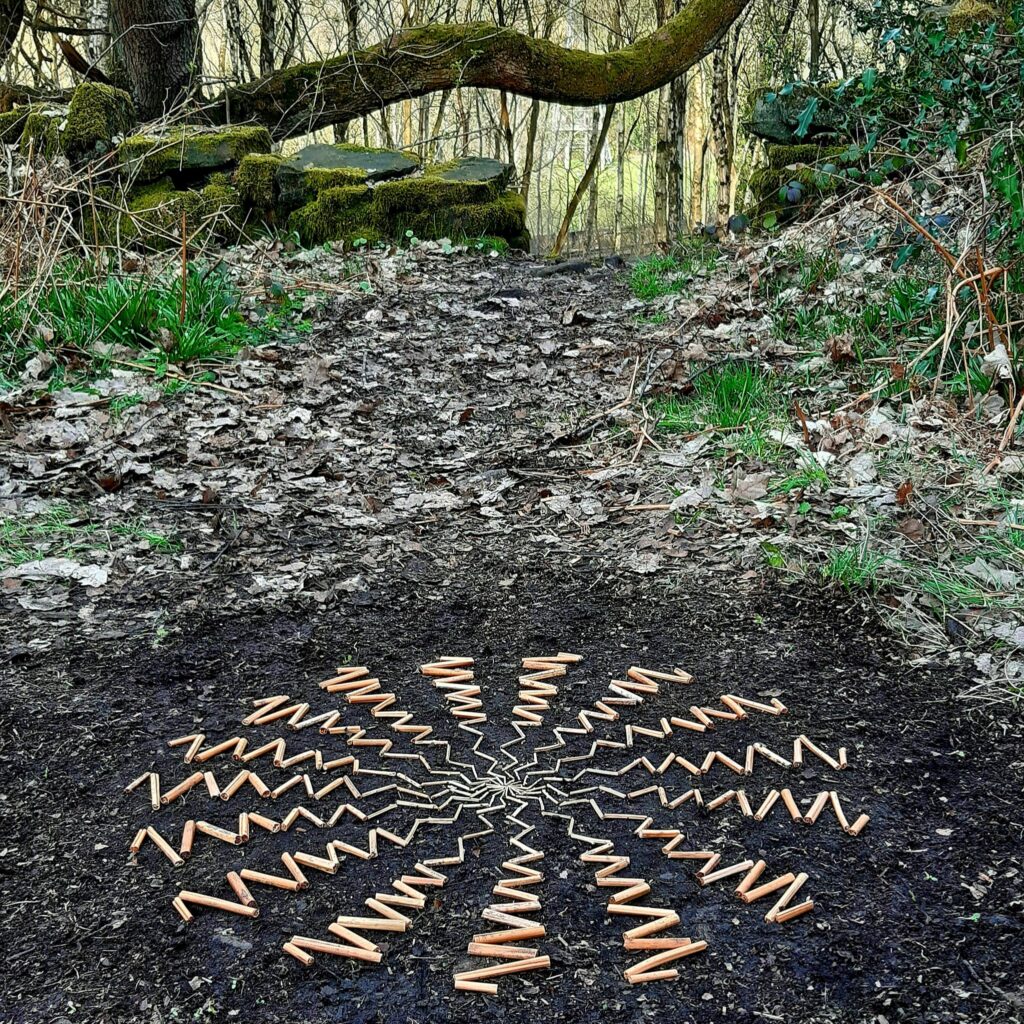
- Weeks 3–4 (The Adjustment Phase): As the neurological inflammation began to subside, he produced "Fizz." Constructed from dried bracken stalks, the design featured reaching arms, symbolizing a nascent hope and an attempt to reconnect with the future.
- Week 5 (The Stabilizing Phase): By the fifth week, his ability to return to work coincided with the creation of "Wishbones." The piece serves as a physical testament to the restorative power of hope and the return of a more stable, albeit altered, baseline of health.
Broader Public Health Implications
The case of Winston Plowes serves as a microcosm of a larger issue within healthcare: the lack of comprehensive support for patients with non-life-threatening but life-altering sensory disorders. While tinnitus is not typically fatal, its impact on the workforce and the mental health system is substantial.
Current medical guidelines for the management of chronic tinnitus emphasize cognitive behavioral therapy (CBT), sound therapy, and lifestyle adjustments. However, the integration of arts-based therapies into mainstream recovery protocols remains limited. There is growing evidence from organizations such as the World Health Organization (WHO) that the arts play a critical role in promoting health and preventing illness. For individuals suffering from chronic conditions, art-based interventions offer a low-cost, accessible means of improving subjective quality of life.
Analysis of Current Treatment Trends
Medical professionals observe that the most effective treatment for tinnitus is a multi-disciplinary approach. As the patient noted, returning to his role leading poetry, nature walks, and art sessions for mental health charities suggests that the key to managing the condition lies in reintegration. By moving from a state of internal isolation to external, communal activity, patients can often achieve a state of "habituation," where the brain effectively learns to ignore the constant sound.
The significance of the artist’s return to teaching cannot be overstated. By leveraging his professional expertise to facilitate sessions for others struggling with mental health challenges, he is utilizing the "wounded healer" model. This not only reinforces his own recovery but also provides a structured environment for others to utilize nature and creativity as a form of social and personal therapy.
Conclusion: A New Normal
The trajectory of this recovery highlights that while tinnitus may not have a simple "cure," the patient’s ability to adapt is a powerful determinant of the long-term prognosis. The artist’s transition from a state of total incapacitation to active engagement with his environment and his professional community suggests that long-term management of the condition is possible.
As public awareness of post-viral conditions increases, the inclusion of therapeutic art practices and nature-based interventions in clinical recovery pathways warrants further investigation. For those living with the daily, invisible burden of tinnitus, the lesson is clear: while the internal environment may be compromised by a high-pitched, constant companion, the ability to find connection and meaning through external, tactile engagement remains a vital tool for survival and eventual rehabilitation. The artist’s work continues to serve as a visual diary of his resilience, proving that even in the face of debilitating sensory loss, the human capacity to construct new meaning is both profound and enduring.