

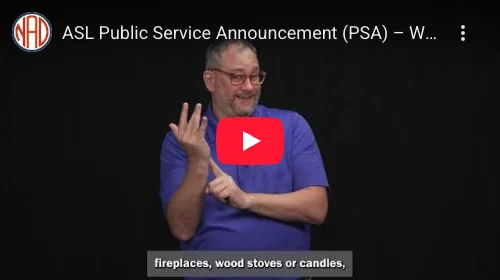
The Federal Emergency Management Agency (FEMA) has officially launched a new American Sign Language (ASL) Public Service Announcement (PSA) video aimed at enhancing winter storm preparedness for the disability community. This initiative, developed by the agency’s Office of External Affairs, represents a targeted effort to bridge the communication gap that often leaves Deaf and Hard of Hearing individuals disproportionately vulnerable during extreme weather events. The announcement follows a specific recommendation made to FEMA leadership, underscoring a growing institutional focus on ensuring that emergency alerts and safety guidelines are accessible to all citizens, regardless of communication modality.
The Genesis of the Initiative
The development of this PSA was not an isolated event but rather the culmination of ongoing advocacy from disability rights groups and internal stakeholders within the emergency management sector. Following an email communication sent to FEMA Headquarters on the eve of the release, officials moved quickly to synthesize critical winter safety protocols into an accessible format. The rapid turnaround—from recommendation to the public release of the video—highlights a shift in FEMA’s operational posture toward more responsive and inclusive disaster communication strategies.
Historically, emergency management agencies have been criticized for a "one-size-fits-all" approach to public information. Traditional television alerts, radio broadcasts, and English-language text alerts often fail to reach non-English speakers or individuals whose primary language is ASL. By producing a dedicated ASL video, FEMA is acknowledging that for many members of the Deaf and Hard of Hearing community, ASL is a primary language, and written English may not always be an effective medium for high-stress, rapid-onset emergency instructions.
The Anatomy of the PSA and Winter Preparedness
The video content, now available across FEMA’s official social media platforms, focuses on essential winter safety practices. Winter storms present a unique set of challenges, including power outages, extreme temperature drops, and restricted mobility due to icy conditions. The PSA provides clear guidance on how to build an emergency supply kit, maintain communication channels during power failures, and identify local shelters or heating centers.
Key components of the safety messaging include:
- Emergency Kit Essentials: Reminding residents to store at least three days of food, water, and necessary medical supplies.
- Power Outage Readiness: Encouraging the use of battery-powered or hand-crank devices to monitor weather updates.
- Communication Plans: Emphasizing the importance of having a pre-established contact system that includes family, friends, or caregivers who can assist during a crisis.
- Accessibility Needs: Encouraging individuals to register their specific accessibility requirements with local emergency management agencies prior to a storm.
Chronology of Disaster Communication Reform
The trajectory of inclusive disaster communication has been marked by several legislative and policy milestones. In the aftermath of Hurricane Katrina, the federal government faced significant scrutiny regarding the failure to provide adequate resources for people with disabilities, leading to the Post-Katrina Emergency Management Reform Act of 2006. This legislation mandated that the FEMA Administrator ensure that the needs of individuals with disabilities are addressed in emergency preparedness and response.
Over the last decade, the evolution of digital communication has changed the landscape of emergency response. In 2012, the FEMA mobile app was launched, eventually incorporating location-based alerts. However, the integration of ASL video content into standard preparedness campaigns has been a more recent development. The current PSA release builds upon this foundation, reflecting a move away from passive accessibility (such as closed captioning on existing videos) toward active accessibility (content created specifically for the ASL-using population).
Supporting Data on Disability and Disaster Vulnerability
Data from the Centers for Disease Control and Prevention (CDC) and the U.S. Census Bureau indicate that approximately 26% of adults in the United States live with some form of disability. During disasters, these individuals face heightened risks. A report by the National Council on Disability found that people with disabilities are twice as likely to have difficulty evacuating or accessing medical care during a disaster compared to their counterparts without disabilities.
Furthermore, economic factors often exacerbate these risks. Data from the Bureau of Labor Statistics shows that individuals with disabilities have a lower labor force participation rate, which can translate to fewer resources for home hardening, generator acquisition, or stockpiling emergency supplies. Consequently, government-provided information that is culturally and linguistically appropriate—such as the new ASL PSA—is a vital public health intervention. By reducing the information barrier, FEMA is attempting to mitigate the disparity in disaster outcomes that frequently tracks with socioeconomic and physical health status.
Official Responses and Stakeholder Engagement
The dissemination of this video is intended to reach not only individual users of ASL but also Voluntary Organizations Active in Disaster (VOADs) and local government agencies. By pushing this content through these networks, FEMA aims to create a ripple effect. State and local emergency management offices are being encouraged to incorporate this PSA into their own localized preparedness campaigns.
Industry experts and disability advocates have cautiously praised the release. While some note that video content is only one piece of the puzzle, they emphasize that it is a necessary step toward the "whole community" approach to emergency management—a philosophy FEMA has adopted in recent years that emphasizes the collective responsibility of all sectors of society to prepare for disasters.
There is, however, an ongoing demand for more than just video resources. Advocates argue that the next logical step is the deployment of real-time ASL interpretation during live emergency press conferences, particularly during active weather events. While the PSA is a valuable preparedness tool, the immediate communication of life-saving information in real-time remains the "gold standard" for inclusive response.
Implications for Future Disaster Management
The release of the ASL PSA serves as a blueprint for how federal agencies can adapt to the diverse needs of the American public. As climate change increases the frequency and intensity of severe winter storms, the burden on communication systems will only grow. The ability of FEMA to pivot and create specialized content reflects a broader trend toward data-driven, audience-specific emergency messaging.
The implications of this initiative extend beyond the Deaf and Hard of Hearing community. It demonstrates a commitment to "universal design" in government communication. When information is made accessible to those with the most barriers to entry, it often improves the quality and clarity of information for the general public as well. Clear, visual, and concise messaging is universally beneficial in high-pressure situations.
Moreover, this initiative highlights the role of external advocacy. The fact that the video was produced following a direct recommendation suggests that FEMA’s internal channels for receiving feedback from the disability community are functioning. Maintaining these channels will be critical as the agency navigates the complexities of future disaster responses.
Conclusion and Call to Action
FEMA’s release of the ASL winter storm preparedness PSA is a significant development in the ongoing effort to ensure equitable disaster response. By acknowledging the importance of linguistic and cultural accessibility, the agency is taking a tangible step toward protecting the most vulnerable populations during extreme winter conditions.
Moving forward, the success of this initiative will depend on its distribution. FEMA has requested that partners, local agencies, and community members share the video widely. As winter storms continue to pose significant risks across the nation, the widespread adoption of these accessible safety materials may prove vital in reducing injuries, ensuring better preparedness, and ultimately saving lives. For those seeking to integrate these materials into their own outreach programs, the videos are available via FEMA’s official YouTube channel and associated social media outlets, providing a ready-to-use resource for inclusive emergency management.