


In the wake of a workplace tragedy that claimed the life of a utility lineman in August 2025, federal regulators have moved to hold the employer accountable for significant lapses in safety protocol. The Occupational Safety and Health Administration (OSHA) has officially proposed $49,650 in penalties against Primoris T&D Services LLC, a subsidiary of the national infrastructure firm Primoris Services Corp. The citation follows a comprehensive investigation into a job site accident in Florida, where a routine utility pole replacement project escalated into a fatal contact with high-voltage infrastructure, resulting in one death and injuries to two other crew members.
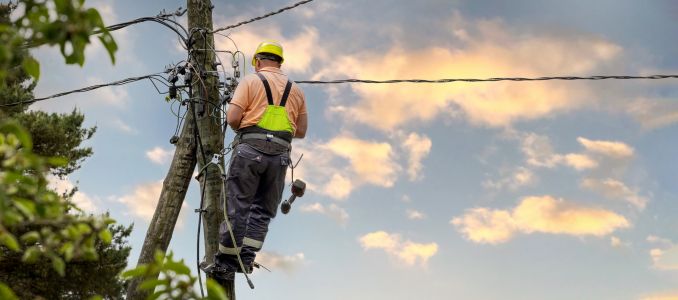
Chronology of the Incident
The incident occurred in August 2025 while the Primoris T&D crew was performing contracted work for Duke Energy. According to investigative findings released by OSHA, the crew was in the process of replacing an existing utility pole when the equipment being utilized—specifically, the boom or rigging associated with the pole installation—made direct contact with an energized overhead transmission line.
The immediate proximity to high-voltage lines created a catastrophic electrical arc. One lineman, whose identity was not disclosed in the initial report, suffered fatal electrocution upon contact. Two other workers on the site were also injured during the event, necessitating emergency transport to local medical facilities for treatment. Following the accident, site operations were immediately suspended to allow federal investigators to secure the scene and document the environmental and mechanical factors that contributed to the electrical discharge.
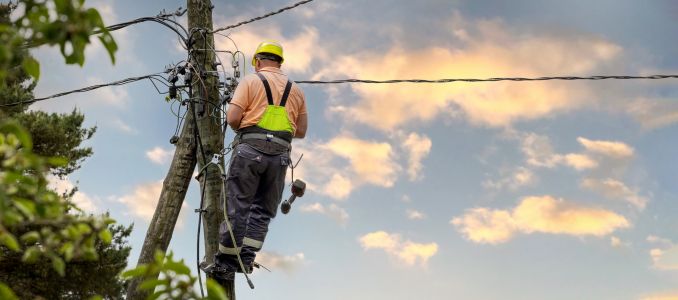
Findings of the OSHA Investigation
OSHA’s investigation concluded that the fatality and subsequent injuries were preventable incidents stemming from a breakdown in established safety procedures. The agency issued three distinct citations for "serious" violations, a classification reserved for conditions where there is a substantial probability that death or serious physical harm could result from a hazard about which the employer knew or should have known.
The primary finding centered on the failure to maintain safe working clearances. OSHA regulations regarding high-voltage electrical work require strict adherence to Minimum Approach Distances (MAD). These distances are calculated based on the voltage of the line and the qualifications of the personnel involved. Investigators determined that the crew was working well within these mandated safety buffers, and the employer failed to enforce these distances to mitigate the risk of contact.

Furthermore, the investigation revealed a failure in supervision and communication. OSHA found that the company did not assign a designated "spotter" or observer whose sole responsibility is to monitor the movement of equipment relative to energized lines. Without a dedicated observer, the crew lacked the necessary warning system to halt operations when equipment drifted toward the power line.
Finally, the agency cited the company for deficiencies in pre-job planning. Federal standards require that employers conduct thorough job briefings to discuss specific site hazards, including the presence of energized lines and the specific mitigation strategies required for that environment. OSHA determined that the briefings provided to the Primoris crew were inadequate, failing to address the specific precautions required for the unique hazards present at that particular job site.
The Role of Utility Contracting
The accident highlights the persistent risks associated with the utility construction sector, an industry that is currently under immense pressure to modernize aging electrical grids. As energy companies like Duke Energy ramp up infrastructure projects to meet increasing power demands and integrate renewable energy sources, the reliance on third-party contractors has grown significantly.
Industry analysts note that while utility companies maintain rigorous internal safety standards, the complexity of managing a distributed workforce—often composed of multiple tiers of contractors—creates inherent challenges in maintaining a unified safety culture. When accidents occur, the liability often becomes a point of contention between the prime contractor, the utility client, and the federal regulators overseeing workplace safety.
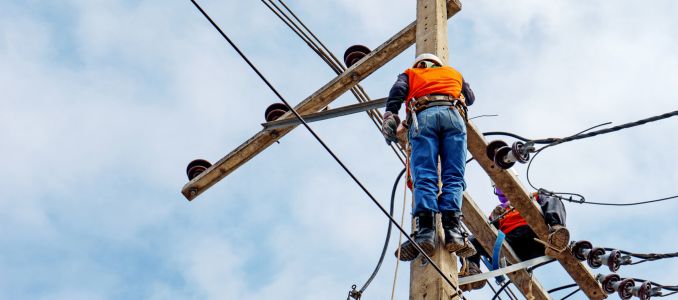
Corporate Response and Legal Standing
Primoris T&D Services, which functions as a specialized arm of the larger Primoris Services Corp, has taken the formal step of contesting the citations issued by OSHA. By filing a notice of contest, the company has moved the case before the Occupational Safety and Health Review Commission (OSHRC). This independent, quasi-judicial agency will now oversee the dispute, where the company will have the opportunity to challenge the factual basis of the citations or the severity of the proposed penalties.
In similar industry cases, companies often contest citations to prevent the accumulation of "serious" or "repeat" violation history, which can impact their ability to secure future government contracts or lead to higher insurance premiums. While Primoris has not released a detailed public statement regarding the specifics of their legal strategy, the move to contest is a standard procedural step for large-scale industrial contractors facing significant federal fines.

Supporting Data and Industry Context
The risks associated with overhead power lines remain one of the leading causes of workplace fatalities in the construction and utility sectors. According to the Bureau of Labor Statistics (BLS), electrocution consistently ranks among the "Fatal Four" leading causes of construction deaths, alongside falls, struck-by incidents, and caught-in/between accidents.
Data from the Electrical Safety Foundation International (ESFI) indicates that while electrical fatalities have seen long-term declines due to advancements in personal protective equipment (PPE) and stricter enforcement, the frequency of contact incidents remains stubborn. The challenge is often exacerbated by the nature of transmission and distribution work, which frequently occurs in variable environments where weather conditions, equipment fatigue, and human error can converge with fatal consequences.

For many utility contractors, the cost of an incident extends far beyond the $49,650 penalty proposed by OSHA. Beyond the human cost, companies face increased scrutiny from federal regulators, potential litigation from the families of the deceased, and reputational damage that can jeopardize long-term relationships with utility clients.
Implications for Future Safety Standards
The incident involving Primoris T&D serves as a stark reminder of the non-negotiable nature of electrical safety standards. OSHA’s focus on the "designated observer" requirement reflects a broader push by the agency to emphasize active, rather than passive, safety measures. Industry experts argue that as utility grids become more crowded with complex equipment, the reliance on automated proximity sensors and stricter job briefing documentation will become increasingly vital.
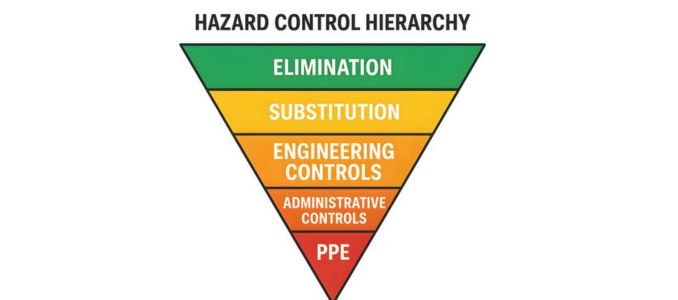
OSHA continues to provide resources to mitigate these risks, including guidance on the use of insulated protective equipment and the implementation of Job Hazard Analysis (JHA) protocols that are updated daily, if not hourly, to reflect changes in work conditions. For employers, the lesson is clear: safety briefings cannot be treated as a perfunctory administrative task; they must be dynamic, site-specific, and strictly enforced.
As the case moves toward a hearing before the Review Commission, the outcome will likely serve as a benchmark for how similar safety failures are handled in the future. The utility sector remains under close observation, as both regulators and stakeholders look to see if the proposed penalties will act as a sufficient deterrent against the recurrence of preventable fatalities in the high-stakes environment of electrical infrastructure maintenance. For now, the loss of a life in Florida remains a sobering testament to the dangers inherent in the vital work of keeping the power grid operational.