

The Evolution of Core Vocabulary Instruction
The concept of core vocabulary refers to a small set of high-frequency words—such as "go," "stop," "more," and "help"—that account for approximately 80% of the words used by fluent speakers. Unlike fringe vocabulary, which is highly specific to a topic or activity, core words are versatile, portable, and essential for spontaneous communication.
The initiative, spearheaded by Carole Zangari, Ph.D., and supported by a collaborative network of AAC specialists, originated from a recognized need to reduce the cognitive load on educators who often struggle with the planning required for effective AAC modeling. Over the past decade, the program has expanded from a single set of monthly word lists to a multifaceted library of resources catering to different age groups and developmental stages.
A Chronology of Collaborative Development
The development of these resources followed a multi-stage trajectory, reflecting the growing sophistication of the AAC community’s approach to inclusive education:

- 2013-2015: Foundation and Initial Expansion: The initial "Year of Core Vocabulary Words" was launched to provide a foundational lexicon for early communicators. This period saw the introduction of consistent monthly word lists designed to facilitate predictable and repetitive exposure in naturalistic settings.
- 2016-2019: Refining the Methodology: Recognizing the diverse needs of learners, the program introduced a second set of core words. During this era, Rachael Langley, an AAC-specialized SLP and co-founder of Talking AAC, developed activity calendars that transformed abstract vocabulary lists into actionable, daily communication goals.
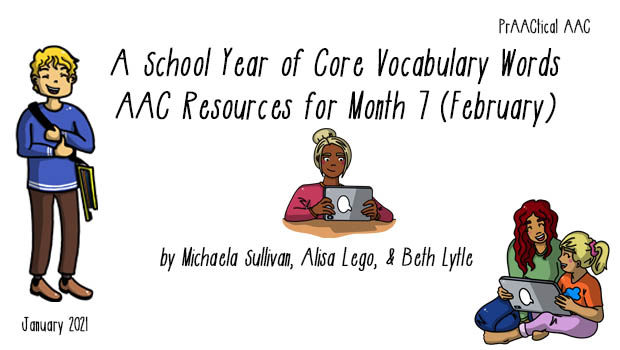
- 2020: The "School Year of Core" Launch: In a significant shift toward standardized classroom implementation, contributors Michaela Sullivan, Alisa Lego, and Beth Lytle launched "The School Year of Core Vocabulary Words." This project focused on integrating AAC into the broader school curriculum, ensuring that students had access to their communication systems during academic instruction.
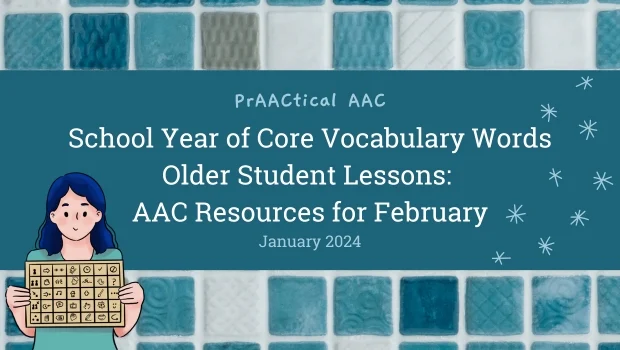
- 2023-2024: Scaling for Older Students: The most recent expansion addressed the unique needs of adolescents and older students, who often encounter social-communication barriers that differ significantly from those in preschool environments. This effort, led by Michaela Sullivan and Lindsay Dougherty, provided age-appropriate materials that respect the dignity and developmental maturity of the student.
Data-Driven Pedagogical Impact
The efficacy of the "Year of Core Vocabulary" model is rooted in the principles of Aided Language Stimulation (ALS). Research consistently indicates that individuals who use AAC require significant exposure to their communication systems before they can independently produce language.
Current pedagogical data suggests that for a student to become proficient with a communication device, they must see their communication system used by others in a variety of contexts—a process known as modeling. The resources provided in this initiative directly address this by offering:
- Systematic Exposure: By limiting the target words to a specific set each month, educators can ensure high-frequency modeling without overwhelming the student or the communication partner.
- Generalization: The inclusion of activity calendars allows for the use of core words in diverse settings—such as the cafeteria, the playground, and the classroom—which is essential for the generalization of language skills.
- Collaborative Support: The materials serve as a bridge between home and school, providing parents with the same vocabulary lists used in the classroom, thereby ensuring consistency in communication expectations.
Professional Perspectives and Clinical Implications
Industry experts note that the reliance on such structured resources is a direct response to the "time-poverty" currently facing educators and therapists. The administrative and pedagogical burden of creating individualized lesson plans for students with complex communication needs (CCN) can lead to inconsistency.
"The value of these resources lies in their ability to provide a structured roadmap for what would otherwise be a daunting task of lesson planning," says an industry spokesperson familiar with the initiative. "By providing the groundwork, the program allows SLPs and teachers to focus on the nuances of interaction rather than the logistics of curriculum design."
The implication of this structured approach is a more predictable outcome for students. When communication partners, including teachers and caregivers, are provided with a clear target, the frequency and quality of modeling increase. Clinical observation confirms that increased modeling leads to a higher probability of spontaneous, self-generated communication from the user.
Broader Impact on AAC Accessibility
The democratization of AAC resources is a central theme in the success of this project. By making these materials available as open-access resources, the initiative has lowered the barrier to entry for schools and clinics that may lack the funding for proprietary, high-cost curricula.
Furthermore, the focus on "Older Student Lessons" highlights a critical shift in the field: moving away from the "perpetual preschooler" paradigm. Historically, many AAC materials were visually designed for children, which often alienated older students. The current efforts by Sullivan and Dougherty represent a pivot toward age-respectful content, ensuring that adolescents have the vocabulary required for self-advocacy, social interaction, and academic engagement in secondary school environments.
Strategic Implementation in February
As the calendar moves into February, the resources provided by the initiative emphasize consistency. The materials released for this month, which include distinct sets for different learner profiles, serve as a reminder that AAC progress is rarely linear. The resources are designed to be flexible:
- For Early Learners: The focus remains on sensory-based activities that utilize core words in play.
- For School-Aged Students: The emphasis transitions to academic participation and social interactions within the classroom.
- For Adolescents: The content centers on autonomy, choice-making, and navigating social relationships, providing the language necessary for personal agency.
Looking Toward Future Challenges
Despite the success of these initiatives, challenges remain in the widespread implementation of core vocabulary instruction. Key hurdles include the high rate of staff turnover in special education, the need for ongoing professional development, and the logistical challenges of integrating technology in classrooms with varying levels of digital infrastructure.
However, the continued reliance on a collaborative, open-access model suggests that the AAC community is committed to a scalable solution. By integrating lessons learned from over a decade of practice, the "Year of Core Vocabulary" initiative provides a blueprint for how professional communities can aggregate expertise to improve outcomes for individuals with complex communication needs.
The sustainability of this model depends on the continued involvement of guest authors and the willingness of the broader community to adapt these resources to meet the specific cultural and linguistic needs of their local populations. As technology for AAC becomes more accessible, the importance of these pedagogical frameworks—the "how" rather than the "what"—will remain the primary determinant of student success.
For those looking to integrate these resources into their practice, the current repositories for February offer a comprehensive starting point. By standardizing the vocabulary while allowing for flexibility in delivery, the initiative serves as a vital component in the ongoing effort to ensure that every student has the tools to express their thoughts, needs, and desires in a meaningful and effective manner.