

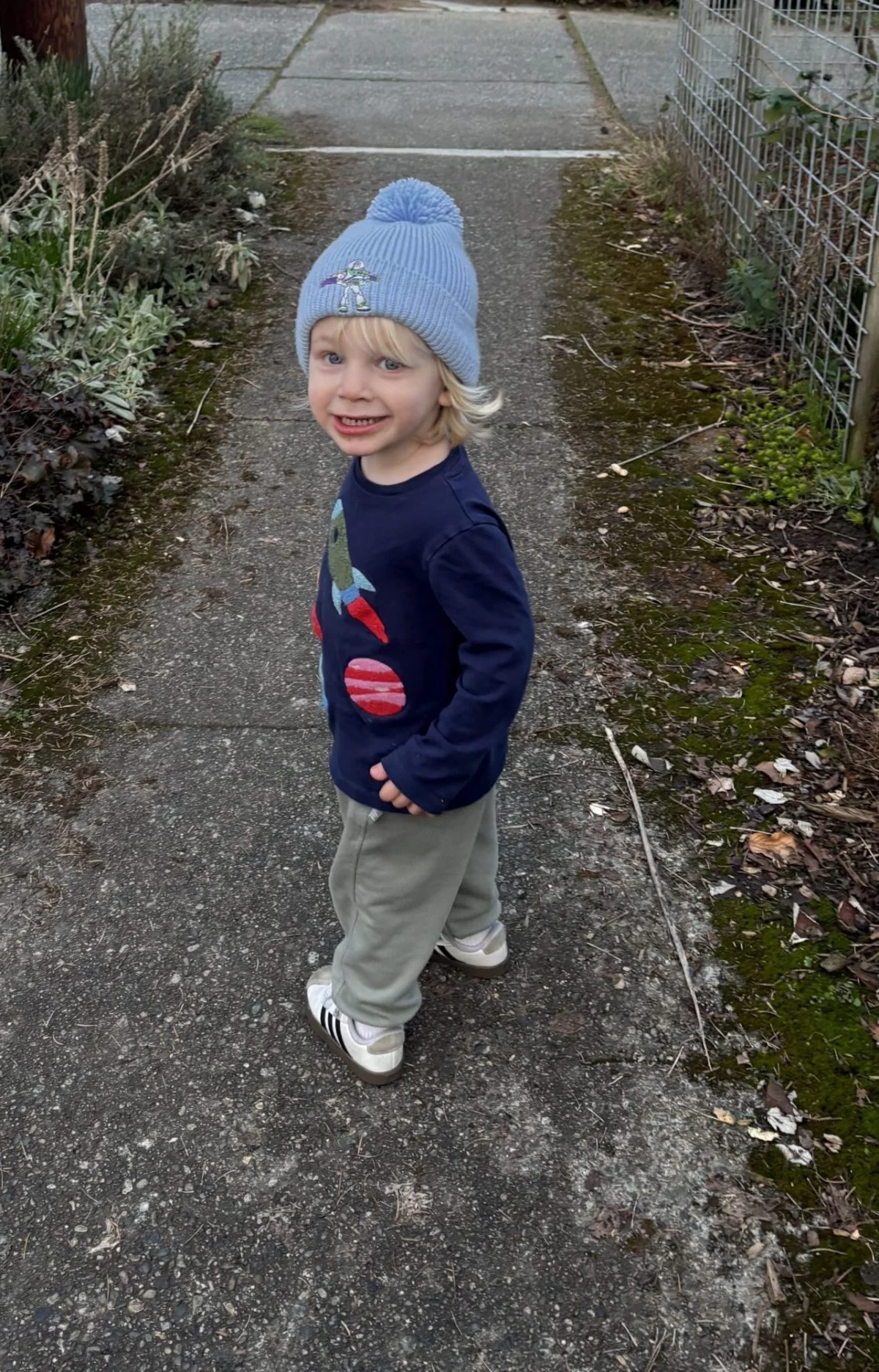
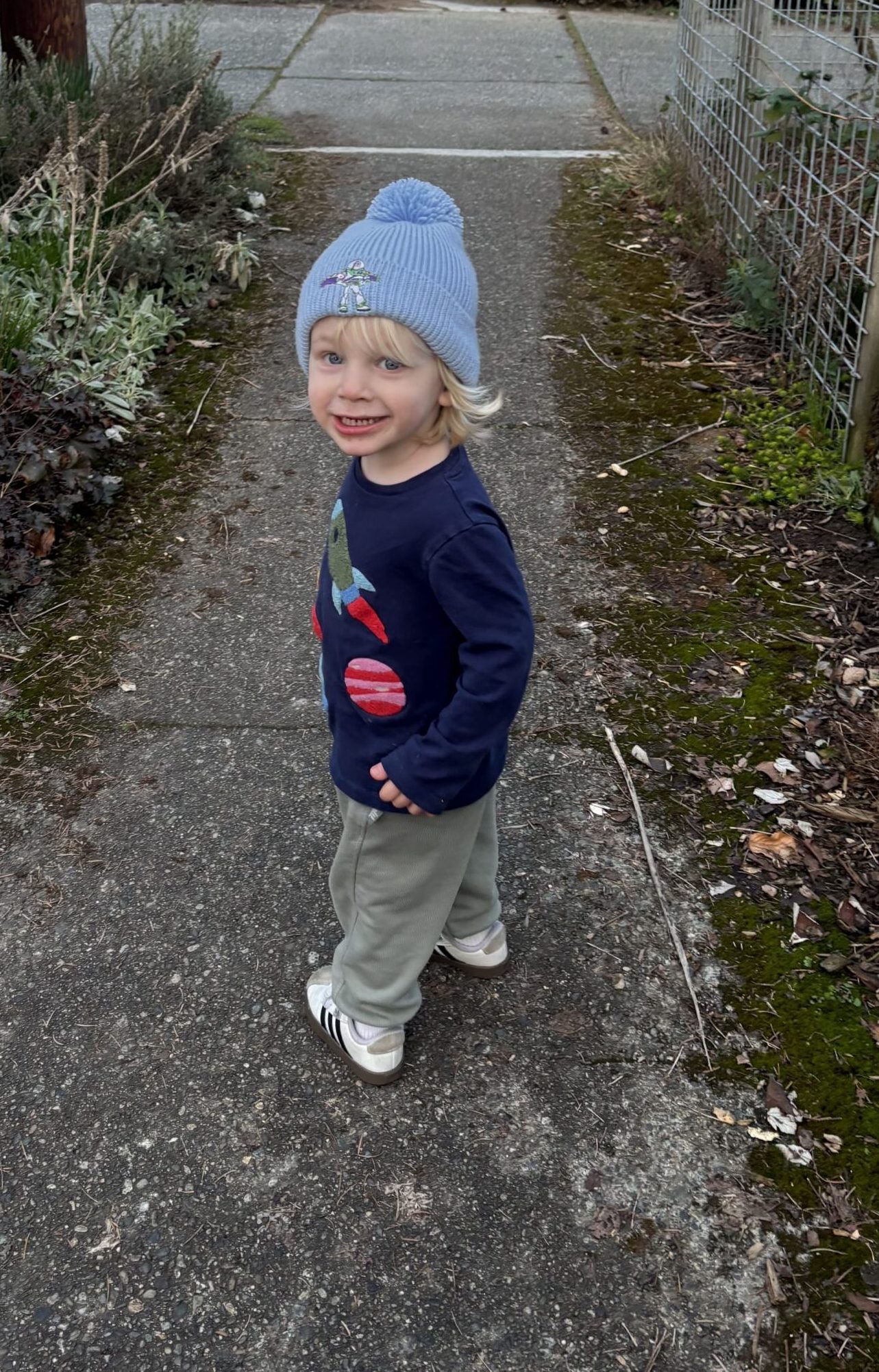
The path toward childhood development is rarely a straight line, but for families navigating a diagnosis of hearing loss, the journey requires early, specialized, and sustained intervention to ensure long-term success. Landon, a young boy currently thriving in a preschool environment, serves as a testament to the efficacy of the Birth to Three program and the critical importance of auditory-based educational models. His story, characterized by the early identification of genetic factors and a robust support network, highlights the intersection of medical diagnostics, specialized pedagogical strategies, and the essential role of community-based resources in leveling the playing field for children with sensory disabilities.
A Chronology of Early Identification and Diagnosis
Landon’s journey began at the very start of his life. Following a routine newborn hearing screening, which indicated a potential issue, he underwent comprehensive diagnostic testing. By the age of two months, clinicians confirmed a diagnosis of mild-to-moderate bilateral sensorineural hearing loss. Further genetic testing revealed the underlying cause: a specific deletion of both the STRC (stereocilin) and CATSPER2 genes.
The STRC gene is essential for the function of hair cells in the inner ear, which translate sound vibrations into electrical signals for the brain. A mutation in this gene often leads to non-syndromic hearing loss, which predominantly affects high-frequency sounds—such as the sibilant "s" or the ambient noise of running water. For an infant, missing these frequencies can significantly impede speech acquisition and linguistic development. Recognizing the necessity of intervention, Landon was fitted with hearing aids by seventeen months, a milestone that marked the beginning of his transition into the world of amplified sound.
The Critical Window: The Role of Birth to Three Programs
Research consistently demonstrates that the "critical period" for language development occurs within the first three years of life. Children who receive intervention before six months of age typically demonstrate significantly higher language proficiency than those who do not. In Landon’s case, his family sought support from Listen and Talk, an organization specializing in auditory-verbal therapy, when he was just three months old.
The support provided by specialists—such as Meghan, a program expert—transcends simple clinical instruction. For families, the initial period following a diagnosis is often marked by high levels of stress and uncertainty. Specialists provide a dual layer of service: direct therapeutic support for the child and emotional coaching for the parents. This model of care includes training parents in "auditory-verbal" techniques, which emphasize the use of residual hearing to develop spoken language. This involves specific reading techniques, strategies for troubleshooting technical issues with hearing devices, and environmental adjustments to improve signal-to-noise ratios in the home.
Practical Classroom Strategies for Auditory Success
As children transition from home-based services to the classroom, the challenge shifts toward maintaining access to information in complex, multi-sensory environments. Preschools and early elementary classrooms are notoriously loud, filled with ambient noise that can fatigue a child with hearing loss.
To mitigate these challenges, educational specialists implement evidence-based classroom accommodations:
- Strategic Seating: Positioning the child closest to the teacher to maximize the direct sound path and minimize the impact of distance.
- Acoustic Management: Reducing background noise by utilizing soft surfaces (like rugs) to absorb echoes and limiting the use of unnecessary audio equipment.
- Hearing Fatigue Awareness: Recognizing that children with hearing aids must work harder to interpret sound, leading to exhaustion. Allowing "brain breaks" or quiet intervals is essential for sustaining focus throughout the school day.
These strategies are not merely suggestions; they are structural modifications that empower children to participate in peer-to-peer social interaction, which is the cornerstone of emotional and social development.
The Blended Classroom Model: Fostering Advocacy
One of the most effective approaches currently utilized in specialized education is the "Blended Classroom." This model integrates children with hearing loss alongside their typically hearing peers in a shared, auditory-rich environment. The educational philosophy behind this model is two-fold: it provides naturalistic opportunities for language modeling, and it fosters self-advocacy skills.
For a child with hearing loss, learning to navigate a world built for hearing individuals requires the early development of advocacy. By interacting with peers who do not have hearing loss, these students learn to articulate their needs—such as requesting that a peer face them while speaking or asking for a clarification when they miss a word. This early development of autonomy is a strong predictor of success as these children progress to primary and secondary school. By the time they reach Kindergarten, children who have been trained in these settings are generally better equipped to navigate communication with teachers, coaches, and social circles.
Statistical Context and Broader Impact
The impact of hearing loss on a child’s development is well-documented in pediatric research. According to data from the Centers for Disease Control and Prevention (CDC), hearing loss is one of the most common congenital conditions in the United States, affecting approximately 1.7 per 1,000 newborns. Without intervention, children with mild-to-moderate hearing loss are at a significantly higher risk for delayed language development, which can manifest as lower standardized test scores and challenges in social integration as they age.
However, the longitudinal data is equally clear: children who receive high-quality early intervention services close the gap between themselves and their peers. The "success stories"—such as Landon’s observed increase in vocabulary and articulation—are the result of consistent, data-driven intervention. Assessments and regular audiograms allow educators and parents to track progress, adjust hearing aid settings, and pivot educational strategies in real-time.
The Economic and Social Case for Continued Funding
The success of programs like those provided by Listen and Talk underscores a broader societal imperative: the need to fund and maintain social impact enterprises that specialize in hearing health. These organizations act as a bridge between medical diagnosis and educational reality.
Funding for these programs supports a wide range of essential services, including:
- Early Intervention Services: Home visits and developmental monitoring.
- Speech-Language Pathology: Targeted therapy to improve phonetic precision and language complexity.
- Audiology Testing: Frequent, precise monitoring of hearing levels to ensure that devices are performing at peak efficiency.
- Parent Education: Empowering families to become their child’s primary advocate and teacher.
When society invests in these services, the return on investment is substantial. Children who achieve age-appropriate language skills by age five are far more likely to succeed in the mainstream educational system, reducing the long-term need for intensive special education resources in public school districts. Furthermore, the psychosocial benefits for the child—gaining the confidence to communicate and socialize—are immeasurable.
Looking Ahead: A Vision of Limitless Potential
The vision that "no child is limited by hearing loss" is a standard that requires continuous communal and financial support. As children like Landon continue to grow, the strategies that once seemed like extraordinary efforts—troubleshooting hearing aids, requesting specific seating, and providing auditory-rich learning environments—will become second nature.
The success of these programs is not just a triumph for individual families; it is a demonstration of how targeted, human-centered intervention can overcome the obstacles presented by genetic conditions. By ensuring that families have access to professional guidance, diagnostic technology, and inclusive educational settings, we ensure that children with hearing loss are not just surviving, but thriving. As the field of audiology continues to evolve with better, more discreet, and more powerful technology, the role of the support system—the teachers, the audiologists, and the parents—remains the most vital component in the equation. Through continued advocacy and support, the path forward for children with hearing loss remains one of immense possibility.