

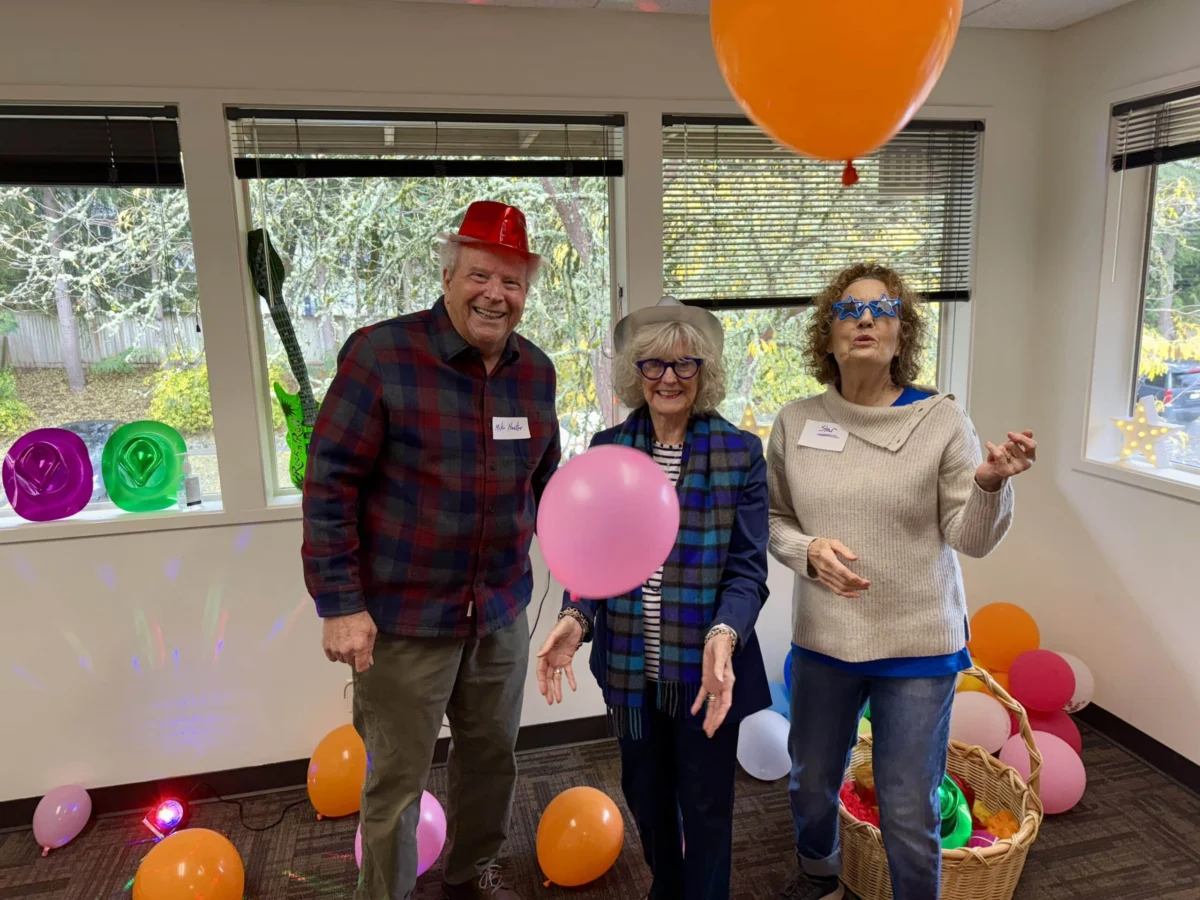
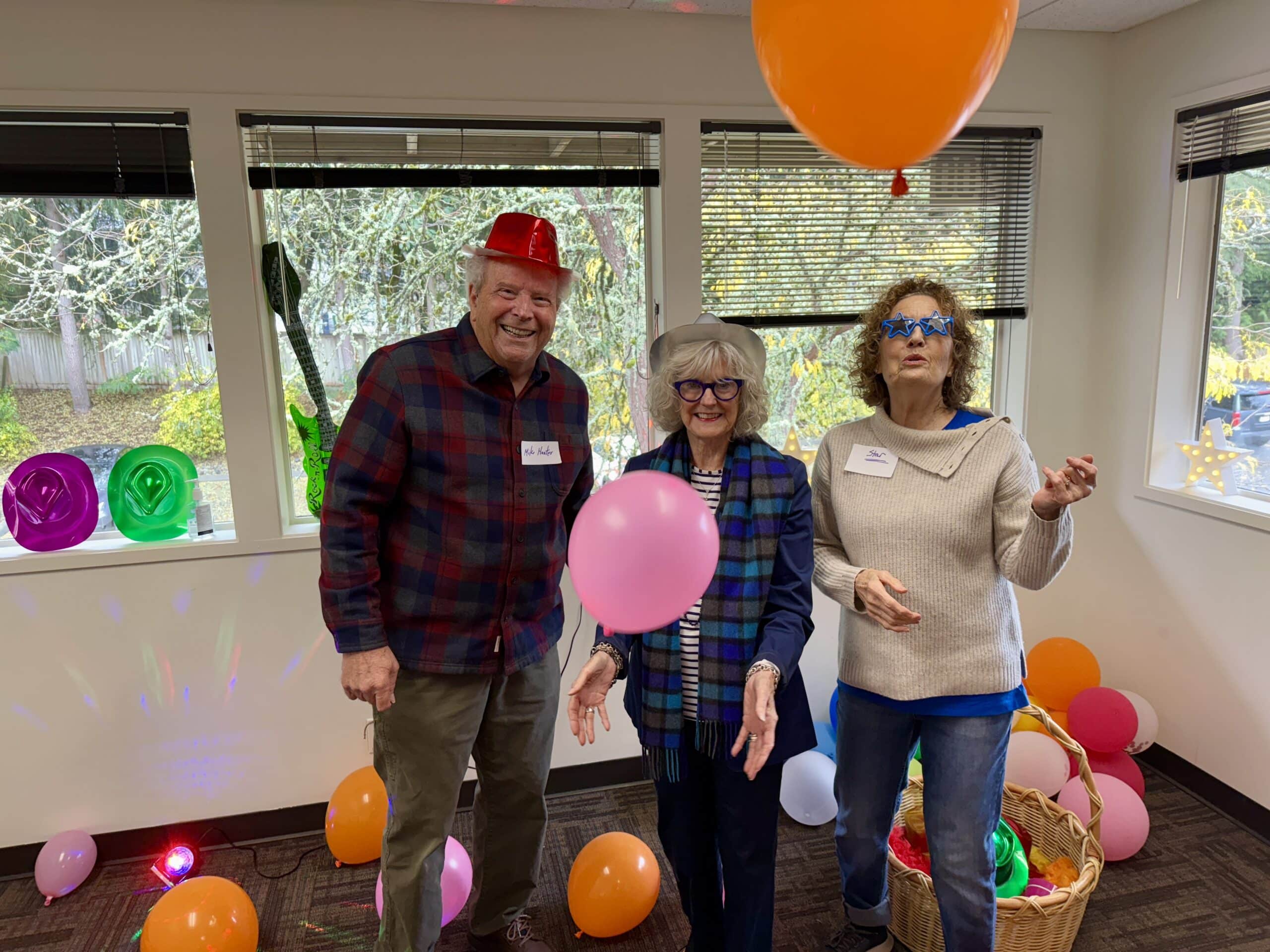
The Kirkland-based organization Listen and Talk recently marked a significant milestone in pediatric audiology and education, celebrating its 29th anniversary with a dual-purpose event that combined a commemorative Founder’s Day celebration with the conclusion of its first-ever “Walk, Run, and Roll” fundraiser. The event, held on a Sunday in late October, served as both a retrospective on nearly three decades of service for children with hearing loss and a strategic push to secure the financial future of the nonprofit’s diverse educational and therapeutic programs.
The Genesis of a Specialized Education Model
The history of Listen and Talk is rooted in the professional vision of its founder, Star Leonard-Fleckman, a teacher of the deaf and an auditory-verbal therapist. Twenty-nine years ago, the organization began as a modest operation in the basement of Leonard-Fleckman’s home. At the time, the prevailing pedagogical models for children with hearing loss were often limited in their scope regarding spoken language integration. Leonard-Fleckman’s model sought to challenge this by providing a comprehensive environment where children could develop listening and spoken language skills, effectively bypassing the traditional reliance on interpreters or sign-language-only instruction.
The organization’s growth from a home-based operation to a multifaceted institution reflects broader shifts in pediatric healthcare, where early intervention—specifically within the first three years of life—is increasingly recognized as the primary determinant for long-term cognitive and social outcomes for children with hearing loss. Today, the organization operates from a dedicated campus in Kirkland, serving over 200 families across Washington State through both in-person and virtual delivery models.

Chronology of Expansion and Program Development
The trajectory of Listen and Talk can be categorized into several distinct phases of service expansion. Following its inception in the mid-1990s, the organization prioritized the establishment of a robust Birth to Three program, targeting the critical neuroplasticity window for language acquisition. As the organization matured, it began incorporating specialized audiology and therapy services, eventually launching a "Blended Classroom Program." This initiative represents the integration of children who are deaf or hard of hearing into a shared learning environment, fostering self-advocacy and social integration alongside academic development.
In the late 2010s and early 2020s, the organization shifted toward a hybrid service model, utilizing tele-therapy and virtual outreach to reach rural or underserved populations in Washington. This expansion was further bolstered by the recent implementation of outreach programs designed to provide guidance to school districts and community stakeholders, thereby ensuring that the principles of auditory-verbal therapy are applied consistently across various educational settings.
Financial Impact of the Inaugural Walk, Run, and Roll
The inaugural “Walk, Run, and Roll” fundraiser represents a pivot in the organization’s development and fundraising strategy. By decentralizing the event—with participants completing their segments in Edmonds, Woodinville, the Olympic Peninsula, and the Green Lake neighborhood of Seattle—the nonprofit successfully engaged a geographically diverse donor base.
Data released by the organization indicates that the fundraiser surpassed its initial targets. The event raised over $10,000 through grassroots participation, a figure that was subsequently matched by a personal contribution from Leonard-Fleckman. As of the latest reporting, the total funds generated by the campaign have exceeded $26,000. These funds are earmarked for the organization’s operational budget, specifically to subsidize therapy sessions, parent education workshops, and the acquisition of updated audiological equipment. The inclusion of participants ranging from one to 100 years of age underscored the broad community support for pediatric hearing health.

The Auditory-Verbal Methodology: Clinical and Social Implications
The efficacy of the Listen and Talk model is grounded in the principles of auditory-verbal therapy (AVT), which emphasizes the use of advanced hearing technology—such as cochlear implants and hearing aids—coupled with intensive parent coaching. The clinical objective is to equip children with the skills to interpret sounds, recognize speech patterns, and eventually speak with intelligibility that allows them to navigate hearing-dominant environments without the necessity of an interpreter.
The social implications of this methodology are significant. By prioritizing speech and auditory processing, the organization aims to reduce the communication barriers that frequently result in academic underachievement for deaf or hard of hearing students. Furthermore, the organization’s current demographic reach—which includes families speaking over 30 different languages—highlights the necessity of providing culturally competent care. By coaching parents to provide language input in their native tongue, Listen and Talk ensures that the development of “the language of the home” remains a priority, which is essential for the emotional and social bonding between children and their caregivers.

Stakeholder Perspectives and Institutional Legacy
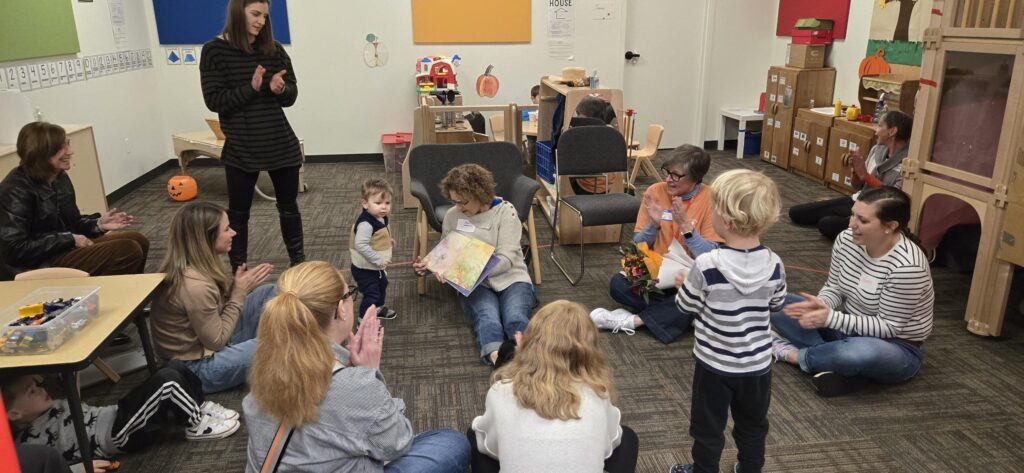
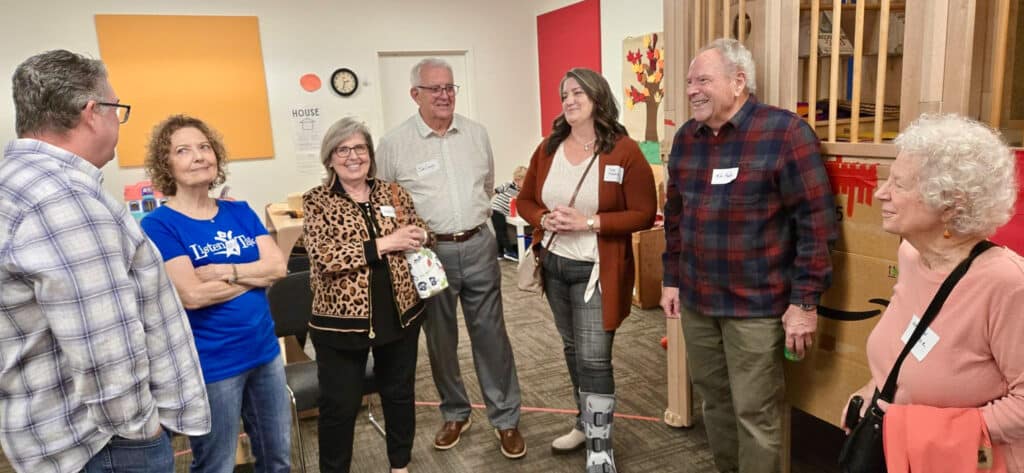
The Founder’s Day event served as a nexus for generations of families served by the organization. Attendees included current students, alumni families, and, notably, alumni students who have returned to the program as parents. During the event, a "Story Time with Star" session provided a practical demonstration of the organization’s long-standing approach to engagement. Such events serve not only as sentimental milestones but as proof-of-concept for the organization’s longevity.
Executive Director Maura Berndsen, alongside founding members and current staff, emphasized that the organization’s mission remains focused on self-advocacy. The ability for a child to express their needs in a variety of social and academic settings is considered the primary indicator of success for the program. The presence of alumni at the event provides longitudinal evidence of the program’s impact, with many former students currently pursuing higher education or professional careers in the hearing world.
Future Outlook and Strategic Objectives
As Listen and Talk enters its 30th year, the organization faces the dual challenge of scaling its services to meet rising demand while maintaining the individualized, high-touch nature of its therapeutic approach. The success of the recent fundraiser suggests a strong foundation of community support, which will be essential as the organization seeks to expand its outreach efforts and update its technological resources.
Future initiatives likely include the further integration of diagnostic audiology with classroom learning, as well as an increased focus on the long-term support of alumni as they navigate secondary and higher education. The organization’s commitment to the mantra that "no child is limited by hearing loss" continues to drive its operational strategy. By continuing to leverage the combination of early intervention, parent education, and advanced technology, Listen and Talk aims to sustain its role as a key contributor to the educational landscape of Washington State.
In conclusion, the 29th-anniversary celebration was not merely a retrospective of past accomplishments but a catalyst for the next phase of the organization’s development. The financial success of the inaugural walk, combined with the continued engagement of the alumni community, positions Listen and Talk to address the evolving needs of families dealing with hearing loss. As the organization looks toward its third decade, the emphasis on evidence-based intervention and inclusive education remains the central pillar of its social impact enterprise, ensuring that its founding mission continues to evolve alongside advancements in audiological science.