Chronic vertigo and dizziness signal unmet needs in stroke recovery.
The landscape of post-stroke rehabilitation has traditionally focused on the most visible and immediate deficits, such as hemiparesis, aphasia, and facial asymmetry. However, a…
The 2026 Life Rebalanced Live (LRL) virtual conference, organized by the Vestibular Disorders Association (VeDA), commenced with a high-level strategic discussion regarding the trajectory of vestibular care and…
The Landscape of Vestibular Dysfunction To understand the significance of the 2026 LRL conference, one must consider the staggering prevalence of vestibular disorders. According to data from the…
Vestibular neuritis, an inflammatory condition affecting the eighth cranial nerve, remains one of the most common causes of acute, spontaneous vertigo worldwide. While the initial onset is often…
The Mechanics of BPPV and the Illusion of Cure To understand residual dizziness, one must first examine the mechanics of BPPV. The condition occurs when calcium carbonate crystals,…
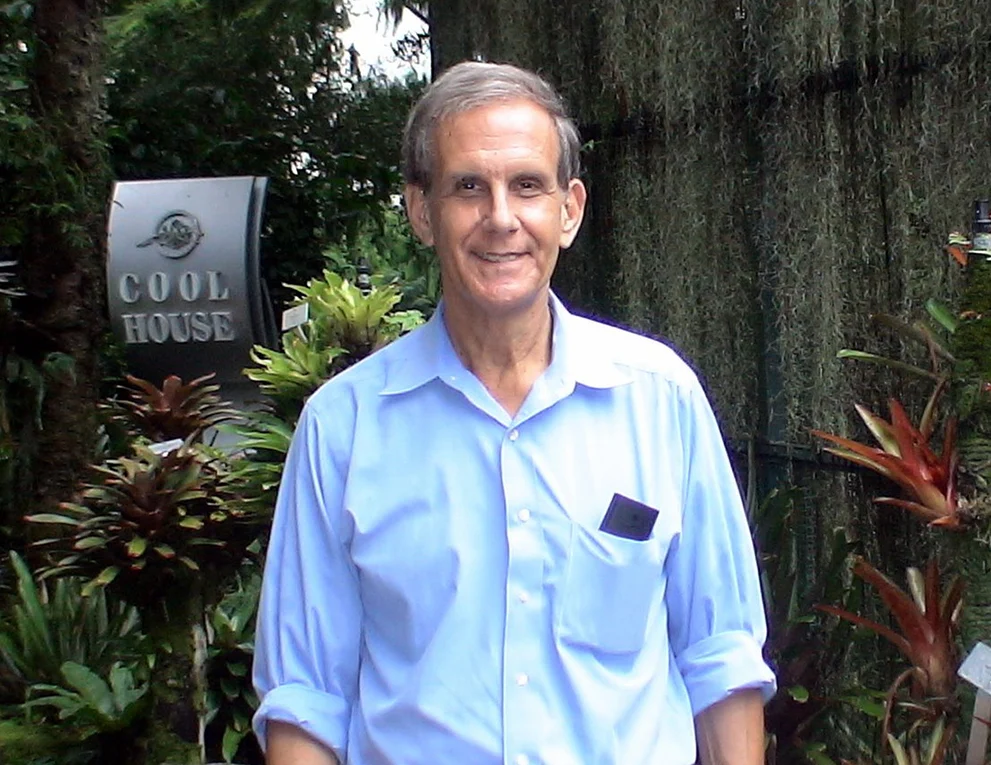
Dr. David Zee, MD, a preeminent figure in the global neurology community and a cornerstone of the Johns Hopkins University School of Medicine for over half a century,…
The vestibular system, a sophisticated network located within the inner ear, serves as the body’s primary mechanism for maintaining balance, spatial orientation, and gaze stability. When the vestibular…