

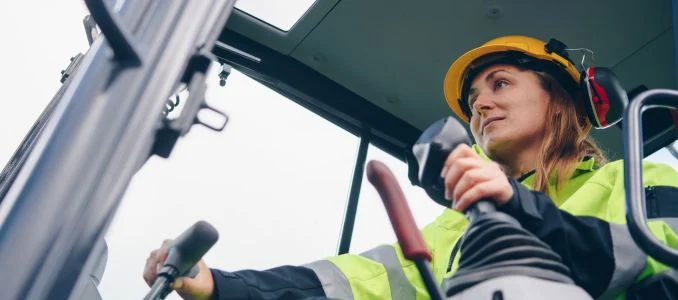
California labor officials officially launched a sweeping public awareness initiative this week to dismantle the barriers preventing women from entering the building trades. Unveiled in conjunction with the annual observance of Women in Construction Week, the campaign—spearheaded by the California Department of Industrial Relations (DIR) and the Division of Apprenticeship Standards (DAS)—seeks to modernize the state’s workforce pipeline. By providing a robust toolkit, mentorship resources, and high-visibility storytelling, the state aims to rectify a long-standing demographic imbalance in a sector currently struggling to meet the demands of California’s massive infrastructure and housing projects.

The initiative comes at a pivotal moment for the Golden State. As the construction industry faces an aging workforce and an urgent need to build climate-resilient infrastructure, the traditional labor pool is proving insufficient. By pivoting toward underrepresented demographics, specifically women and non-binary individuals, California officials hope to foster a more sustainable and diverse economic future.
The Landscape of Gender Disparity in Construction
Despite women making up over 50% of the total U.S. labor force, their presence in the construction trades remains starkly low. National data suggests that women account for less than 4% of the skilled trade workforce. This figure has remained stubbornly stagnant for decades, a result of cultural biases, a lack of awareness regarding apprenticeship benefits, and systemic barriers within the hiring process.

In California, the discrepancy is not merely a matter of social equity but a functional economic challenge. With the state accelerating its climate-resilient housing initiatives and public infrastructure upgrades, the demand for skilled labor has reached a fever pitch. Labor analysts note that the industry is currently losing thousands of workers annually to retirement, creating a "silver tsunami" that threatens to derail major projects if not addressed through aggressive recruitment and retention strategies.
A Chronology of State-Led Intervention
The launch of the "Women in Construction" campaign is the latest step in a multi-year effort to modernize California’s labor pipeline. The state’s commitment to this issue can be traced through a series of policy milestones:

- 2021–2022: The California Labor and Workforce Development Agency, in coordination with the DAS, finalized the "Five-Point Action Plan," a comprehensive strategy designed to modernize the apprenticeship system.
- 2023: The state began the formal rollout of the Equal Representation in Construction Apprenticeship (ERiCA) grant program, a $50 million investment designed to subsidize training and support services for underrepresented groups.
- March 2025: The DIR established the Women in Construction Committee, a diverse group of stakeholders, including union representatives, contractors, and current female apprentices, tasked with identifying the primary deterrents to female entry in the trades.
- March 2, 2026: The official launch of the public awareness campaign, coinciding with Women in Construction Week.
Understanding the ERiCA Grant Program
Central to the state’s strategy is the $50 million ERiCA initiative. This funding is not merely a recruitment tool; it is designed to provide wraparound support, which is critical for retention. Apprenticeships in the building trades are demanding, often requiring long hours, physical labor, and travel. The ERiCA grants prioritize funding for organizations that provide childcare, transportation stipends, and specialized safety equipment—factors that historically have been identified as the primary reasons women leave the trade within their first three years.
By shifting the financial burden away from the apprentice, the state is effectively lowering the barrier to entry. This investment is viewed by economists as a high-yield move, as it increases the tax base and reduces reliance on social safety nets by transitioning individuals into high-paying, middle-class union jobs.

Official Responses and Stakeholder Perspectives
Representatives from the Department of Industrial Relations have emphasized that the campaign’s messaging was not developed in a vacuum. Instead, it was forged through months of consultation with those currently working on job sites. By listening to the experiences of journey-level workers and apprentices, the state identified that "confidence" and "mentorship" were the most common themes mentioned by successful women in the industry.
"We are not just asking women to join the trades; we are building a supportive ecosystem where they can thrive," a spokesperson for the DAS noted during the launch. "The goal is to shift the narrative from construction being an ‘alternative’ career to a primary pathway for economic independence and career longevity."

Contractors and union leaders, who have long complained of labor shortages, have largely welcomed the initiative. Industry associations, such as the National Association of Women in Construction (NAWIC), have supported the state’s move, noting that a diverse crew is often a more efficient and innovative crew. "When you bring different perspectives to a job site, you solve problems faster," says a local union representative. "We need the best talent available, and for too long, we have been ignoring half the population."
Fact-Based Analysis of Future Implications
The success of the California campaign will likely be measured by more than just enrollment numbers. Analysts point to three key performance indicators that will determine if this initiative creates lasting change:

- Retention Rates: The primary hurdle for women in construction is not recruitment, but retention. High turnover within the first 24 months of apprenticeship suggests that the workplace culture may be hostile or unsupported. Success will be determined by whether women remain in the trade after their apprenticeship concludes.
- Wage Parity: Because construction trades are heavily unionized and utilize standardized wage schedules, they offer some of the most equitable pay structures in the labor market. The campaign’s ability to highlight this transparency is expected to be a major selling point.
- Cultural Shift on Job Sites: The "Women in Construction" toolkit focuses on mentorship and workplace culture. The long-term implication of this focus is a potential shift in how job sites operate. If the state is successful, it could lead to a more professional, safety-conscious, and inclusive construction environment that benefits all workers, regardless of gender.
Challenges Ahead
Despite the optimism surrounding the campaign, challenges remain. The construction industry is deeply entrenched in traditions that can be resistant to change. The physical demands of the work, combined with long-standing social stigmas, mean that a public awareness campaign alone will not solve the issue.
Furthermore, the state must navigate potential economic headwinds. While demand for housing and infrastructure remains high, fluctuations in interest rates and public funding could potentially impact the number of active projects. Should construction activity slow, competition for positions will increase, potentially making it harder for new entrants to gain a foothold.

A Broader Movement
Women in Construction Week, which serves as the backdrop for this campaign, is a national effort recognized by organizations across the country. California’s aggressive state-level approach, however, sets it apart from many other jurisdictions. By linking public awareness to significant capital investment, the state is treating the issue as a critical infrastructure project in its own right.
For those interested in exploring these career paths, the state has directed potential applicants to the official DIR "Women in Construction" portal. This digital resource serves as a centralized hub for apprenticeship listings, testimonials, and contact information for local trade unions.

As California moves forward, the success of this campaign will serve as a bellwether for other states facing similar demographic crises. If the state can successfully integrate more women into the building trades, it will not only bridge a critical labor gap but also provide a blueprint for how state governments can proactively shape the future of their workforce in an era of rapid industrial change. The coming months will likely see the rollout of additional digital and outdoor advertisements, as the state seeks to reach women in high schools, community colleges, and career transition programs across the state.