

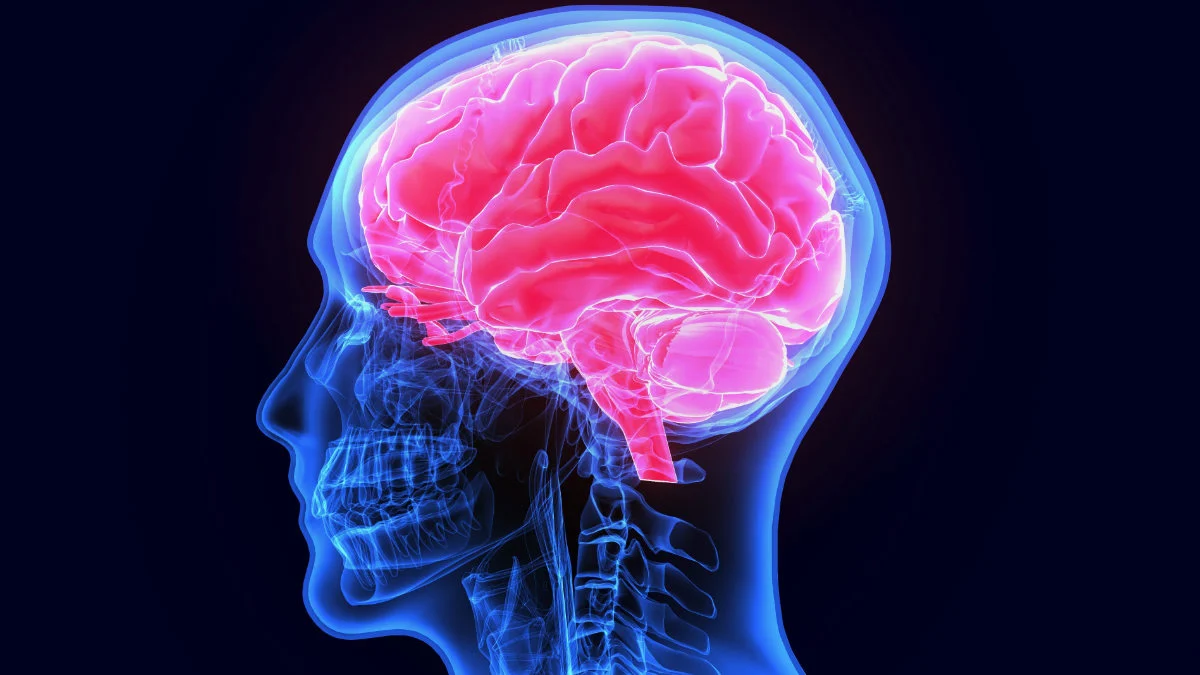
MRI findings from a groundbreaking study suggest that age-related hearing loss, medically known as presbycusis, is intrinsically associated with measurable changes in brain networks that are critical for memory and attention, offering a potential biological "bridge" to understanding the long-observed link between auditory impairment and cognitive decline. This research, published on February 18, 2026, in the prestigious journal eNeuro by a collaborative team from Tiangong University and Shandong Provincial Hospital in China, introduces a novel metric called the Functional-Structural Ratio (FSR), derived from Magnetic Resonance Imaging (MRI), which may serve as an early indicator of cognitive risk in individuals experiencing age-related hearing difficulties.
For many years, extensive population studies have consistently highlighted a significant association between untreated hearing loss and an elevated risk of cognitive impairment and dementia. This correlation is so compelling that the influential 2024 Lancet Commission on dementia prevention, intervention, and care continues to prominently list hearing loss among the most impactful modifiable risk factors for dementia. Despite this robust epidemiological evidence, the precise biological mechanisms – the "bridge" connecting the deterioration of auditory function to changes within the brain’s cognitive architecture – have remained elusive, posing a considerable challenge for researchers and clinicians alike. The eNeuro paper proposes a compelling candidate for this biological link: the Functional-Structural Ratio (FSR), a metric derived from advanced MRI techniques that assess both the resting-state activity and the gray-matter volume of specific brain regions. The research team’s findings indicate that a lower FSR in a select group of brain areas correlates significantly with poorer hearing acuity, diminished speech recognition capabilities, and lower scores on standard cognitive performance tests among adults diagnosed with presbycusis.
The Enduring Challenge: Unpacking the Hearing-Cognition Connection
The journey to understand the intricate relationship between hearing loss and cognitive decline is a complex one, marked by decades of research. Early observational studies hinted at a connection, noting that individuals with hearing impairment often exhibited poorer performance on cognitive tasks. However, these initial findings were largely correlational, leaving open questions about causality. Did hearing loss directly contribute to cognitive decline? Or were both conditions manifestations of a common underlying age-related process?
The scientific community began to gain clearer insights with the publication of the 2017 Lancet Commission report, which identified nine modifiable risk factors for dementia, including midlife hearing loss. This landmark report estimated that up to 35% of dementia cases globally could be attributed to these modifiable factors, with hearing loss accounting for approximately 9% of this proportion. Subsequent updates, including the 2020 and 2024 Lancet Commission reports, have reinforced and expanded upon these findings, solidifying hearing loss’s position as a crucial target for public health interventions aimed at reducing dementia risk. The ongoing challenge, however, has been to move beyond statistical associations and pinpoint the precise neural pathways and mechanisms through which auditory deficits might precipitate or exacerbate cognitive decline. This new study directly addresses this gap by offering a tangible, brain-based measure.
Unveiling the Functional-Structural Ratio (FSR): A Novel Biomarker
The study conducted by researchers at Tiangong University and Shandong Provincial Hospital sought to identify a specific, quantifiable link within the brain itself. Their innovation lies in the development and application of the Functional-Structural Ratio (FSR). This ratio is a composite measure designed to reflect the congruence and efficiency between a brain region’s functional activity and its underlying structural integrity. To calculate FSR, the researchers utilized two distinct but complementary MRI techniques:
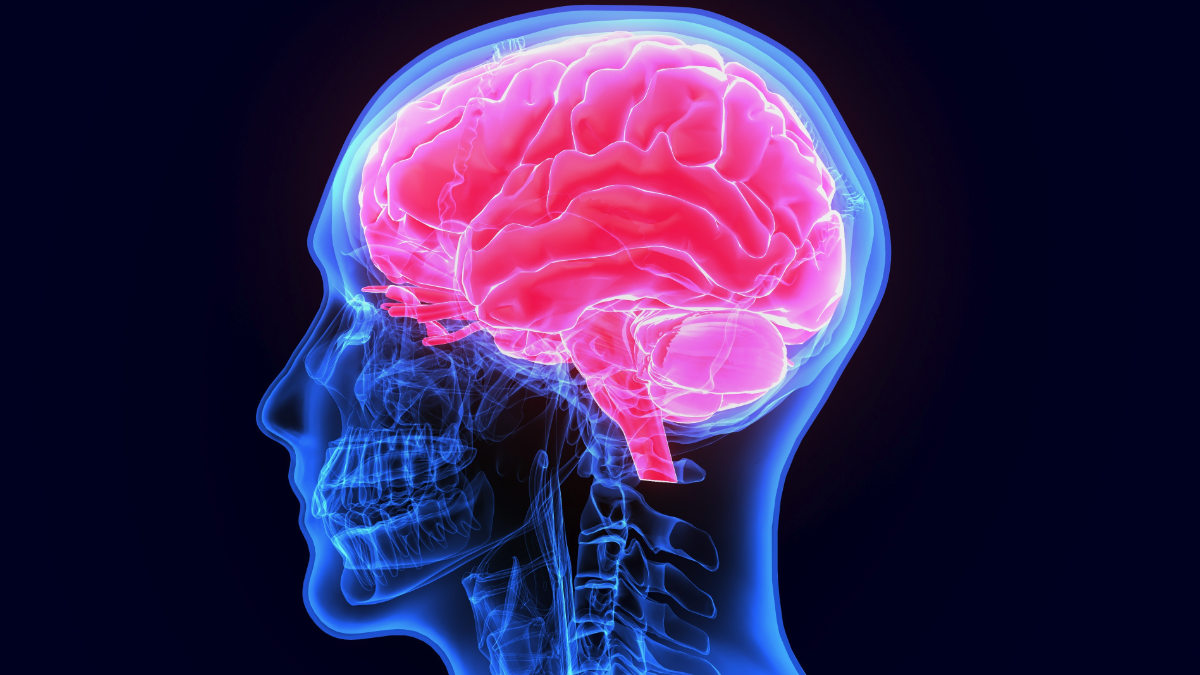
- Resting-state functional MRI (rs-fMRI): This technique measures spontaneous brain activity when a person is not performing a specific task. It helps identify functional connectivity within and between brain networks, reflecting how different parts of the brain communicate.
- Structural MRI: This provides high-resolution images of brain anatomy, allowing for precise measurements of gray matter volume, which is indicative of neuronal cell bodies and their supporting structures.
By integrating these two measures, FSR aims to capture a holistic picture of brain health at a regional level. A higher FSR would theoretically indicate a robust and well-matched functional output for a given structural volume, while a lower FSR might suggest a disconnect or inefficiency, where a brain region’s activity does not align optimally with its physical structure.
Methodology and Participant Demographics
The study employed a rigorously designed case-control methodology involving 110 participants in total. This cohort was divided into two carefully matched groups:
- Presbycusis Group: Comprised 55 adults (24 men, 31 women) diagnosed with age-related hearing loss. The majority of these participants presented with mild to moderate hearing impairment, reflecting the typical severity often seen in the broader aging population where early intervention could be most impactful.
- Healthy Control Group: Consisted of 55 age-matched individuals (23 men, 32 women) with normal hearing. This group served as a crucial baseline for comparison, ensuring that any observed differences in brain metrics could be more confidently attributed to hearing status rather than other age-related factors.
All participants were within the 50-74 age range, a demographic particularly susceptible to the onset of presbycusis and early signs of cognitive changes. Each participant underwent a comprehensive battery of assessments, including:
- Standard Audiometric Tests: To precisely quantify their hearing thresholds and characterize the nature and severity of their hearing loss.
- Brief Cognitive and Memory Tests: These assessments typically cover various domains of cognitive function, such as executive function, processing speed, working memory, and episodic memory. While the specific tests were not detailed in the summary, they are standard tools used to evaluate cognitive performance.
- MRI Brain Scans: Crucial for acquiring the functional and structural data necessary to compute the FSR in various brain regions.
Key Findings: A Coordinated Decline
The core finding of the study was a consistent pattern across several critical brain regions: individuals with presbycusis exhibited a significantly weaker match between their brain structure and function, as indicated by lower FSR values, compared to their age-matched counterparts with normal hearing. These implicated brain regions were not confined solely to primary auditory processing areas but extended into networks known to be involved in higher-level cognitive functions, including:
- Auditory Cortices: Directly involved in processing sound information.
- Temporal Lobes: Crucial for language comprehension, memory, and integrating sensory information.
- Prefrontal Cortex: Central to executive functions, attention, working memory, and decision-making.
- Parietal Lobes: Involved in spatial awareness and integrating sensory input.
The researchers observed a direct correlation: the more pronounced a participant’s hearing loss and the greater their difficulty with speech understanding, the more substantial were the changes in these FSR brain measures. Critically, these same brain changes also tracked with lower scores on the administered memory and attention-type cognitive tests. This suggests that the observed brain alterations are not merely incidental but are functionally relevant to cognitive performance.
)
Expert Insights and the Protective Role of Hearing Health
Lead author Ning Li, commenting on the significance of the findings in a Society for Neuroscience press release, underscored the overarching message: "The most important takeaway is that preserving hearing health may protect brain integrity." Li further elaborated on the potential clinical utility of their discovery, stating, "Because changes in the FSR correlate with both hearing loss and cognitive decline, this ratio could eventually serve as a biomarker—a tool for doctors to identify who is at the highest risk for dementia simply by looking at their brain scans." This statement highlights the transformative potential of FSR as a non-invasive diagnostic or screening tool in the future.
The study’s implications extend beyond theoretical understanding, bolstering a growing consensus within the medical community for a more holistic approach to hearing healthcare. The concept that hearing loss is not merely an "ear problem" but rather a systemic challenge with wide-ranging neurological consequences is gaining significant traction. This perspective is supported by prior research, such as a 2021 review by Glick & Sharma published in Hearing Review. Their work, based on electroencephalography (EEG) studies, demonstrated that adults with mild-to-moderate age-related hearing loss often exhibit "cross-modal recruitment" and increased "frontal involvement." This means their brains reallocate resources, engaging non-auditory regions (like the frontal cortex, usually associated with executive function) to compensate for auditory deficits. This compensatory effort, while initially helpful, can divert cognitive resources away from other essential functions, potentially contributing to cognitive fatigue and decline. Glick & Sharma also presented compelling evidence that well-fitted hearing aids, when consistently used over several months, could potentially reduce or even reverse some of this cross-modal recruitment. Crucially, these improvements in brain activity patterns were accompanied by enhanced speech-in-noise performance and better scores on several cognitive measures. This aligns remarkably with the eNeuro paper’s findings, suggesting that hearing loss is associated with quantifiable brain reorganization that extends well beyond classic auditory pathways and is intimately linked to cognitive function.
Broader Implications for Clinical Practice and Public Health
The potential implications of this eNeuro study are far-reaching, promising to influence both clinical practice and public health strategies aimed at mitigating cognitive decline.
- Early Detection and Risk Stratification: If validated in larger studies, the FSR could become a crucial biomarker. Clinicians could use MRI scans to identify individuals with presbycusis who exhibit a low FSR, indicating a higher risk of accelerated cognitive decline. This early identification would allow for targeted interventions before significant cognitive impairment manifests.
- Personalized Interventions: The study reinforces the importance of timely and effective management of hearing loss. For individuals identified with a low FSR, interventions such as hearing aids, cochlear implants, or auditory training programs could be prescribed not just to improve hearing, but also with the explicit goal of preserving brain health and potentially stabilizing or even improving cognitive function.
- Interdisciplinary Care Models: The findings underscore the necessity of closer collaboration between audiologists, neurologists, geriatricians, and primary care physicians. Integrating hearing screenings into routine health check-ups for older adults, coupled with an understanding of the brain-cognition link, could lead to more comprehensive patient care pathways.
- Public Health Campaigns: The research provides further scientific impetus for public health initiatives that raise awareness about the profound connection between hearing health and overall brain health. Promoting regular hearing checks and encouraging early intervention for hearing loss could become a cornerstone of dementia prevention strategies.
- Understanding the Mechanisms: The FSR provides a measurable, brain-based mechanism to investigate how different interventions (e.g., specific types of hearing aids, auditory training, lifestyle modifications) impact the brain’s functional-structural integrity and, consequently, cognitive outcomes.
Limitations and Future Research Directions
While highly promising, the authors and the broader scientific community acknowledge the inherent limitations of this initial study. The cross-sectional design, which involved a single set of tests and MRI scans at one point in time for 55 participants in each group, can only establish associations, not direct causation. It cannot definitively prove that hearing loss causes the observed brain changes, nor can it rule out the possibility that earlier brain changes contribute to both hearing and cognitive performance, or that an unmeasured third factor influences all three.
)
Therefore, several crucial avenues for future research are imperative:
- Longitudinal Studies: The most critical next step is to conduct large-scale, prospective longitudinal studies that follow participants over many years. This would allow researchers to track changes in FSR, hearing, and cognitive function over time, helping to establish causal relationships and determine if FSR can indeed predict future cognitive decline, rather than merely correlating with current test scores.
- Validation in Diverse Populations: The current study involved a relatively small and specific demographic group. Future research must validate the FSR in larger, more diverse populations, including individuals from different ethnic backgrounds, socioeconomic strata, and varying degrees and types of hearing loss. This will ensure the generalizability and robustness of the FSR as a biomarker.
- Comparison with Other Biomarkers: FSR needs to be rigorously compared against other established biomarkers for cognitive decline and dementia (e.g., amyloid-beta and tau protein levels in CSF or PET scans) to assess its unique contribution and predictive power.
- Intervention Studies: Research is needed to investigate whether specific interventions for hearing loss, such as hearing aid use, cochlear implantation, or auditory rehabilitation, can lead to measurable improvements in FSR and, consequently, in cognitive outcomes. Such studies would provide strong evidence for the therapeutic potential of addressing hearing loss as a strategy for brain health.
- Stability and Clinical Utility: Further research must evaluate the stability and practical utility of FSR at the individual patient level. Can it provide meaningful information for personalized treatment plans? Is it cost-effective and feasible for routine clinical integration?
Conclusion
The eNeuro study from Tiangong University and Shandong Provincial Hospital represents a significant leap forward in understanding the complex interplay between age-related hearing loss and cognitive decline. By introducing the Functional-Structural Ratio (FSR) as a specific, testable brain-based link, the research provides a tangible biological mechanism that supports the broader view that hearing health is inextricably relevant to brain health. While acknowledging the need for extensive future validation, this discovery offers compelling promise. If FSR proves to be a reliable and predictive biomarker, it could revolutionize how clinicians identify individuals with presbycusis who are on a steeper brain-health trajectory, paving the way for targeted interventions that not only improve hearing and communication but also actively help stabilize and preserve underlying brain network integrity, ultimately safeguarding cognitive function as we age. The implications for public health, clinical practice, and the fight against dementia are profound, emphasizing that listening to our ears may, in fact, be key to protecting our minds.
SOURCE: Li, Fu, Wang, et al. and EurekAlert