

Parkinson’s disease (PD) remains one of the most challenging neurological conditions to diagnose in its nascent stages, a factor that significantly hinders the efficacy of available treatments. Because most current medical interventions for PD focus on slowing the progression of the disease rather than reversing its effects, the medical community has long emphasized that early intervention is the cornerstone of optimized patient care. However, the path to early diagnosis is fraught with obstacles, as traditional diagnostic tools—ranging from clinical rating scales to advanced neural imaging—are often criticized for being either too subjective, prohibitively expensive, or inaccessible to the general population. In a transformative development recently reported in the journal Analytical Chemistry, published by the American Chemical Society (ACS), researchers have unveiled a novel screening system that utilizes an artificial intelligence olfactory (AIO) platform to detect Parkinson’s disease through the chemical analysis of human earwax.
This breakthrough addresses a critical gap in neurodegenerative diagnostics by offering a non-invasive, cost-effective, and objective method for identifying the disease before motor symptoms become debilitating. By focusing on the volatile organic compounds (VOCs) found within earwax, the research team, led by Hao Dong and Danhua Zhu, has tapped into a unique biological reservoir that remains largely shielded from the environmental factors that typically degrade other diagnostic samples.
The Biological Foundation: Sebum and the Scent of Neurodegeneration
The concept of "smelling" Parkinson’s disease is not entirely new to the scientific community, but the refinement of this method represents a significant leap forward. Previous longitudinal studies have established that changes in sebum—an oily, waxy substance secreted by the sebaceous glands to lubricate and waterproof the skin—can serve as a biological mirror for internal neurological health. In patients with Parkinson’s disease, the chemical composition of sebum undergoes a distinct shift. This alteration is driven by a complex interplay of systemic factors, including neurodegeneration, chronic systemic inflammation, and elevated levels of oxidative stress.
These physiological changes result in the release of specific volatile organic compounds (VOCs). VOCs are chemicals that have a high vapor pressure at room temperature, allowing them to be emitted as gases that produce a characteristic odor. While the human nose is generally incapable of detecting these subtle shifts, certain individuals with hyperosmia—an increased sensitivity to odors—have historically been able to identify a distinct "musky" scent in Parkinson’s patients years before clinical symptoms emerged.
However, utilizing sebum from the general surface of the skin, such as the back or forehead, has proven problematic in clinical settings. Sebum on the skin is exposed to a variety of external variables, including air pollution, varying humidity levels, and the use of personal care products like soaps and lotions. These environmental factors can contaminate the sample or alter its chemical profile, rendering it an unreliable medium for standardized testing. To circumvent this, the research team turned their attention to the ear canal. The skin inside the ear is naturally protected from the elements, and the earwax produced there—consisting primarily of sebum and dead skin cells—provides a stable, concentrated, and easily accessible source of VOCs for analysis.
Methodology: From Ear Swabs to Mass Spectrometry
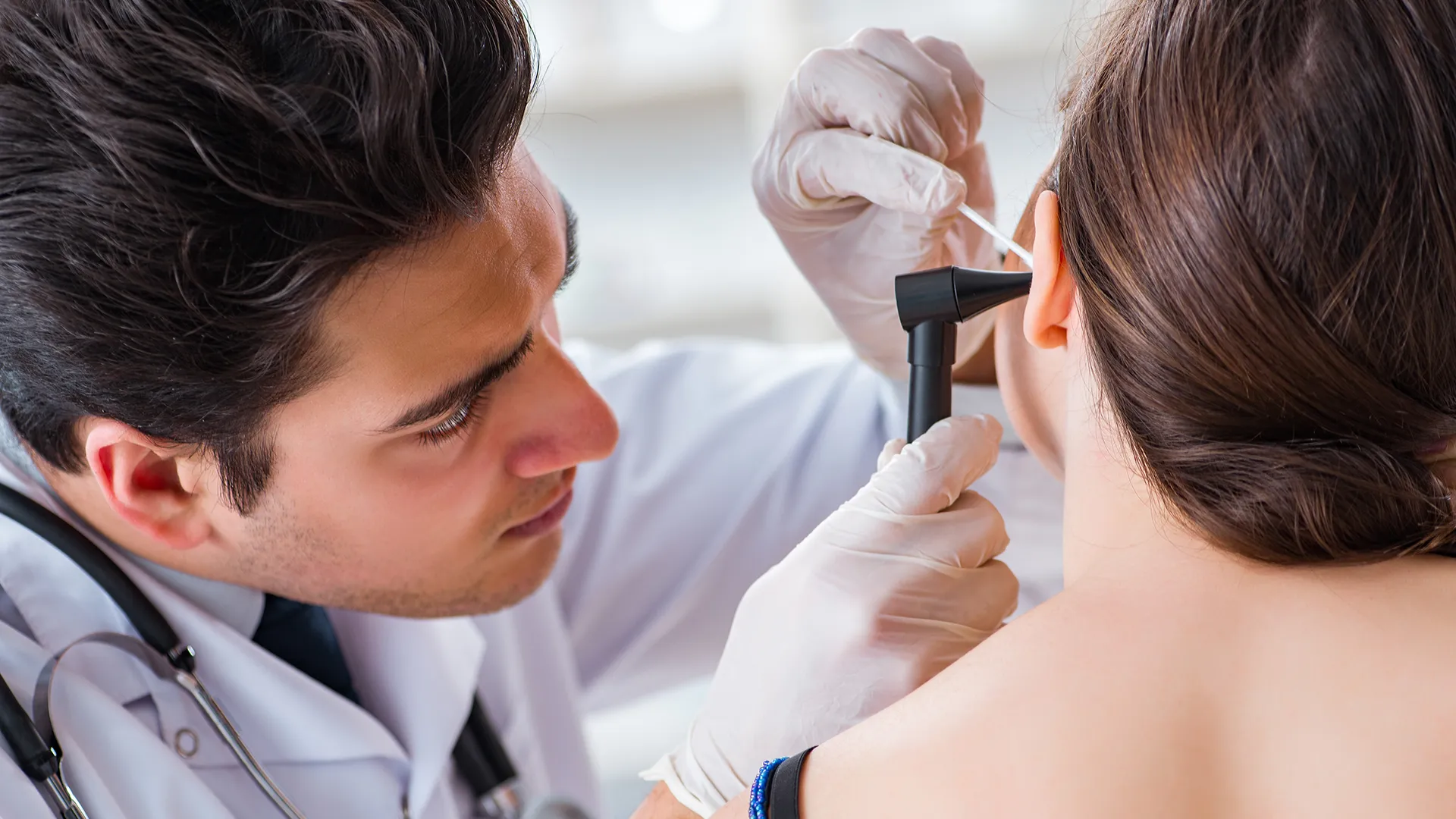
To test the viability of earwax as a diagnostic medium, the researchers conducted a controlled study involving 209 human subjects. Of this cohort, 108 individuals had already received a clinical diagnosis of Parkinson’s disease, while the remaining 101 served as a healthy control group. The methodology was designed to be as non-invasive as possible, requiring only a simple swab of the ear canal to collect the necessary secretions.
Once collected, the earwax samples underwent rigorous chemical analysis using two primary analytical techniques: gas chromatography (GC) and mass spectrometry (MS). Gas chromatography is used to separate the various components of a complex chemical mixture, while mass spectrometry identifies those components by measuring the mass-to-charge ratio of their ions. This combination allowed the researchers to create a detailed chemical "fingerprint" of each participant’s earwax.
The analysis revealed that the earwax of Parkinson’s patients contained a distinct profile of VOCs compared to the control group. Specifically, the researchers identified four key biomarkers that showed significant statistical variance between the two groups:
- Ethylbenzene: A compound often associated with metabolic processes that may be altered by neurodegeneration.
- 4-ethyltoluene: A volatile aromatic hydrocarbon that appeared in higher concentrations in PD patients.
- Pentanal: An alkyl aldehyde that is frequently linked to oxidative stress and the breakdown of fatty acids in the body.
- 2-pentadecyl-1,3-dioxolane: A more complex organic compound that served as a specific indicator within the earwax medium.
The identification of these four specific VOCs provided the foundational data necessary to transition from laboratory analysis to an automated screening tool.
The Role of Artificial Intelligence in Olfactory Diagnostics
With the chemical biomarkers identified, the research team turned to machine learning to develop a practical application for their findings. They built and trained an Artificial Intelligence Olfactory (AIO) system, essentially an "electronic nose" designed to recognize the specific ratios and presence of the identified VOCs.
The AIO system was fed the data from the 209 participants, learning to distinguish between the chemical signatures of healthy individuals and those with Parkinson’s. When put to the test, the AIO-based screening model demonstrated a remarkable 94% accuracy rate in categorizing the earwax samples. This level of precision is comparable to, and in some cases exceeds, the accuracy of traditional clinical assessments, which often rely on the observation of physical tremors or rigidity—symptoms that only appear after significant neurological damage has already occurred.
The integration of AI allows for a high degree of objectivity. Unlike clinical rating scales, which can vary depending on the expertise and perception of the examining physician, the AIO system provides a standardized, data-driven result. This objectivity is vital for the early stages of the disease, where symptoms are often subtle and easily mistaken for normal signs of aging or other minor health issues.
Chronology of Progress in Parkinson’s Detection
The development of the earwax-based AIO system is the latest milestone in a decades-long search for non-invasive PD biomarkers.
- Late 20th Century: Clinical diagnosis relied almost exclusively on the observation of motor symptoms (tremors, bradykinesia, and postural instability).
- 2015: The case of Joy Milne, a "super-smeller" from Scotland, gained international attention after she correctly identified Parkinson’s in patients by smelling their t-shirts. This prompted researchers to investigate the chemical basis of the "Parkinson’s scent."
- 2019-2021: Studies confirmed that sebum was the source of the odor, but researchers struggled with the inconsistency of skin-surface samples.
- 2023-2024: The current study by Hao Dong and colleagues successfully identifies earwax as a superior medium and integrates AI to achieve a 94% detection accuracy, moving the technology from a scientific curiosity toward a viable medical tool.
Implications for Healthcare and Patient Outcomes
The implications of an inexpensive, 94% accurate screening tool for Parkinson’s are profound. Globally, Parkinson’s disease is the fastest-growing neurological disorder, with the number of affected individuals expected to double to over 12 million by 2040. The economic burden is equally staggering; in the United States alone, the annual cost associated with PD is estimated at $52 billion, including direct medical costs and indirect costs like lost wages.
By providing a first-line screening tool that can be administered in a primary care setting, the AIO system could significantly reduce the time and cost associated with diagnosis. Patients who test positive via the earwax screen could then be prioritized for more expensive confirmatory tests, such as DaTscans (which visualize dopamine transporters in the brain) or lumbar punctures to check for alpha-synuclein proteins.
Furthermore, early detection through earwax analysis opens the door for "neuroprotective" strategies. While a cure for PD does not yet exist, early lifestyle interventions—such as specific exercise regimens, dietary adjustments, and early-stage medications—have been shown to preserve quality of life and maintain independence for longer periods.
Expert Analysis and Future Directions
While the results of the study are highly promising, the researchers maintain a cautious and scientific outlook regarding the technology’s immediate deployment. Lead researcher Hao Dong emphasized that the study was a small-scale, single-center experiment conducted within a specific population in China.
"The next step is to conduct further research at different stages of the disease, in multiple research centers and among multiple ethnic groups," Dong stated. This is a critical point of analysis: chemical biomarkers in sebum and earwax can be influenced by genetics, diet, and regional environmental factors. To ensure the AIO system is globally applicable, it must be validated across diverse demographics to confirm that the four identified VOCs remain consistent indicators of the disease regardless of the patient’s background.
Additionally, the scientific community will be looking to see if this method can differentiate between Parkinson’s disease and other forms of parkinsonism, such as Multiple System Atrophy (MSA) or Progressive Supranuclear Palsy (PSP). These conditions often mimic PD in their early stages but require different management strategies.
Conclusion
The development of an AI-driven earwax screening system represents a paradigm shift in the approach to neurodegenerative disease. By moving the diagnostic focus from the brain to the ear, researchers have found a way to bypass the barriers of cost and complexity that have long hindered early intervention. As this technology moves into larger, multi-center clinical trials, it carries the potential to transform Parkinson’s from a disease that is caught too late into one that is managed from its very first chemical whispers.
The research was supported by the National Natural Sciences Foundation of China, the Pioneer and Leading Goose R&D Program of Zhejiang Province, and the Fundamental Research Funds for the Central Universities. As the global population ages, the successful commercialization and implementation of such non-invasive diagnostic tools will be essential in managing the rising tide of neurological disorders.