

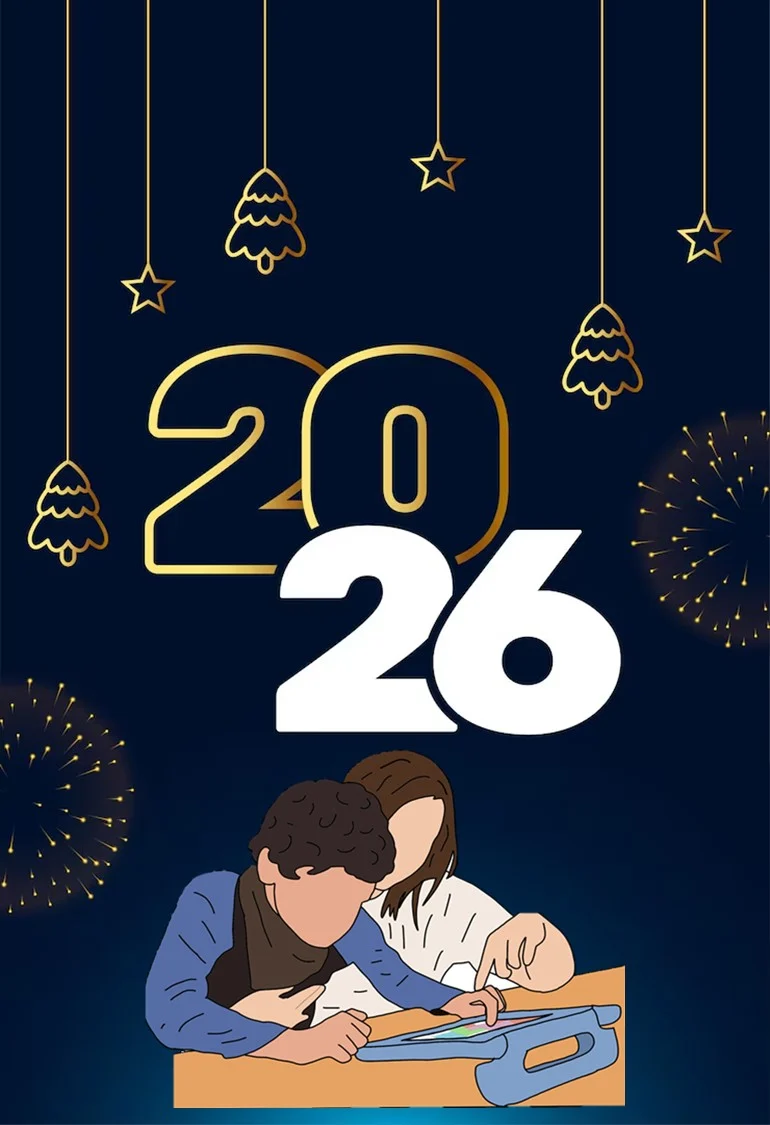
The global landscape of Augmentative and Alternative Communication (AAC) has entered a pivotal year, with 2026 marking a renewed international focus on the inclusion of Spanish-speaking populations within the digital and physical spheres of assistive technology. As communication access remains a fundamental human right, the expansion of AAC resources—ranging from high-tech speech-generating devices (SGDs) to low-tech visual communication boards—has become a central objective for speech-language pathologists (SLPs), educators, and families across the Spanish-speaking world. This shift is characterized by a move away from restrictive, outcome-focused therapy toward a model of authentic, multimodal communication that prioritizes the user’s agency and autonomy.
A Historical Perspective on AAC Development
The trajectory of AAC has evolved significantly over the last three decades. In the early 1990s, AAC was largely viewed through a clinical lens, often tethered to rigid pedagogical structures. However, the 2010s saw a paradigm shift toward "aided language stimulation," a methodology where communication partners model language on a device for the user without requiring an immediate response. This approach, championed by platforms like PrAACtical AAC, has gained significant traction in Latin America and Spain.
By 2024, data from international assistive technology registries indicated that while English-language AAC software had reached high levels of saturation, there remained a "linguistic gap" in Spanish-speaking regions. This gap was not merely due to a lack of hardware, but rather a lack of localized, culturally sensitive vocabulary and professional training for practitioners. As we move through 2026, international advocacy groups are focusing on closing this gap by promoting systems that reflect the nuances of various Spanish dialects, ensuring that users in Buenos Aires, Mexico City, or Madrid have access to AAC tools that resonate with their daily lived experiences.
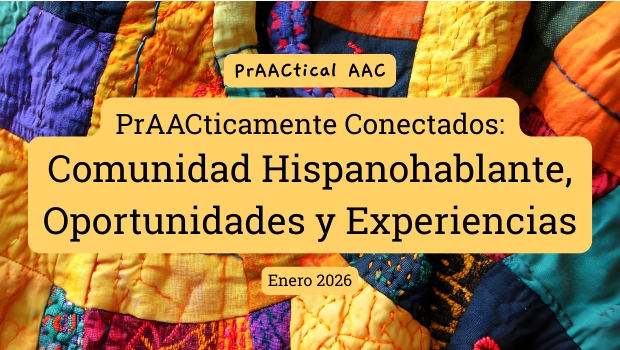
The 2026 Initiative: Building a Collaborative Framework
The current initiative, spearheaded by guest author and advocate Claudia Marimón, serves as a monthly pillar of professional development and community building. This project functions as an open forum for disseminating evidence-based practices (EBP) tailored to the unique socio-educational environments of Spanish-speaking nations.
The core philosophy of this year’s initiative is "modeling more and demanding less." This approach addresses a common systemic issue in traditional therapy: the pressure on AAC users to produce "correct" answers or perform specific tasks to prove the efficacy of their devices. Clinical research conducted in 2025 suggests that when communication partners shift the focus toward social interaction and engagement, the rate of long-term AAC adoption increases by nearly 40 percent.
Statistical Context and Clinical Implications
Recent analysis of AAC adoption rates in pediatric settings reveals that early intervention is the strongest predictor of successful long-term communication outcomes. In many Spanish-speaking regions, access to specialized speech therapy remains concentrated in urban centers. Consequently, the reliance on remote training and digital resources has become a necessity.
Current statistics indicate:
- Approximately 1.5% of the global population requires some form of AAC to meet their daily communication needs.
- In Spanish-speaking territories, the penetration of high-tech SGDs has grown at an annual rate of 8% since 2022, yet the availability of Spanish-language technical support and localized training remains a primary hurdle.
- Multimodal communication—the combination of verbal speech, gestures, signs, and technology—is now recognized by international disability rights organizations as the gold standard for inclusive practice.
The implications of these figures are clear: the infrastructure for AAC is expanding, but the success of this technology depends on the proficiency of the "communication partners"—the teachers, parents, and peers who surround the user.
Official Perspectives on Inclusive Communication
Industry experts and advocacy leaders have long argued that the device is merely a tool, while the environment is the catalyst for success. According to reports from global disability forums, the transition from viewing AAC as a "speech replacement" to a "communication expansion" has been the most significant ideological shift of the last decade.
"We are moving toward a future where communication is not judged by the speed of the output, but by the depth of the connection," says an anonymous spokesperson for an international speech-pathology coalition. "When we provide a Spanish-speaking child with an AAC device that uses their local dialect, we are not just giving them a voice; we are giving them an identity. The goal for 2026 is to ensure that these tools are integrated into the classroom as naturally as a textbook or a notebook."
Challenges and Barriers to Access
Despite the optimism surrounding the 2026 initiatives, significant barriers remain. Economic disparities continue to influence the availability of high-tech communication devices. Furthermore, there is a recurring shortage of professionals trained in AAC assessment and implementation in rural areas.

Fact-based analysis suggests that the "digital divide" remains a critical issue. While software applications for tablets have lowered the entry cost for many families, the lack of robust, localized technical support for these platforms in Spanish continues to be a bottleneck. Advocates are currently pushing for policy changes that would mandate the inclusion of AAC training in the standard curriculum for all speech therapy and special education degrees across Latin America and Spain.
The Role of Community and Personal Narrative
One of the most effective strategies for breaking down these barriers has been the promotion of personal narratives. By inviting families and professionals to share their experiences—both successes and failures—the community fosters a culture of transparency and shared learning. This is the core function of the partnership between PrAACtical AAC and the Spanish-speaking advocacy network this year.
By documenting the journey of users, the community creates a repository of real-world evidence that serves as a guide for others. This narrative-driven approach is particularly important in regions where clinical evidence might be scarce or difficult to access. It humanizes the technology, moving it from the sterile environment of a laboratory to the messy, dynamic environment of the home and the classroom.
Looking Ahead: The Future of AAC in the Spanish-Speaking World
As the year progresses, the focus will remain on sustainability and scalability. The objective is to move from sporadic, isolated workshops to a consistent, widespread network of support. This involves:

- Standardization of Training: Creating a baseline of knowledge for educators so that every classroom becomes an AAC-friendly environment.
- Resource Localization: Continuing the efforts to ensure that symbol sets, voice outputs, and instructional materials are culturally and linguistically appropriate for the vast diversity of the Spanish language.
- Advocacy for Policy: Engaging with local governments to ensure that AAC devices are recognized as essential medical equipment and are covered by public health systems.
The broader impact of this work cannot be overstated. When a person gains the ability to express their needs, their preferences, and their personality, the entire social fabric of their community is enriched. It allows for the participation of individuals who have historically been silenced, thereby creating a more equitable society.
For those looking to engage with this ongoing mission, the invitation remains open. Whether one is a parent navigating the complexities of a new device, a teacher looking to implement more inclusive classroom strategies, or a professional seeking to share peer-reviewed findings, the Spanish-speaking AAC community is actively seeking contributions.
In summary, the 2026 calendar year represents a significant chapter in the history of AAC. Through the combination of rigorous clinical standards and the warmth of a supportive community, the Spanish-speaking world is positioning itself to be a leader in the global movement for communication justice. As the movement continues to evolve, the focus on "modeling, validating, and respecting" will undoubtedly remain the guiding principles for all who participate in this vital work. Those interested in contributing to this dialogue are encouraged to reach out to the project coordinators to share their insights, helping to ensure that the voices of 2026 are heard, understood, and celebrated across the globe.