

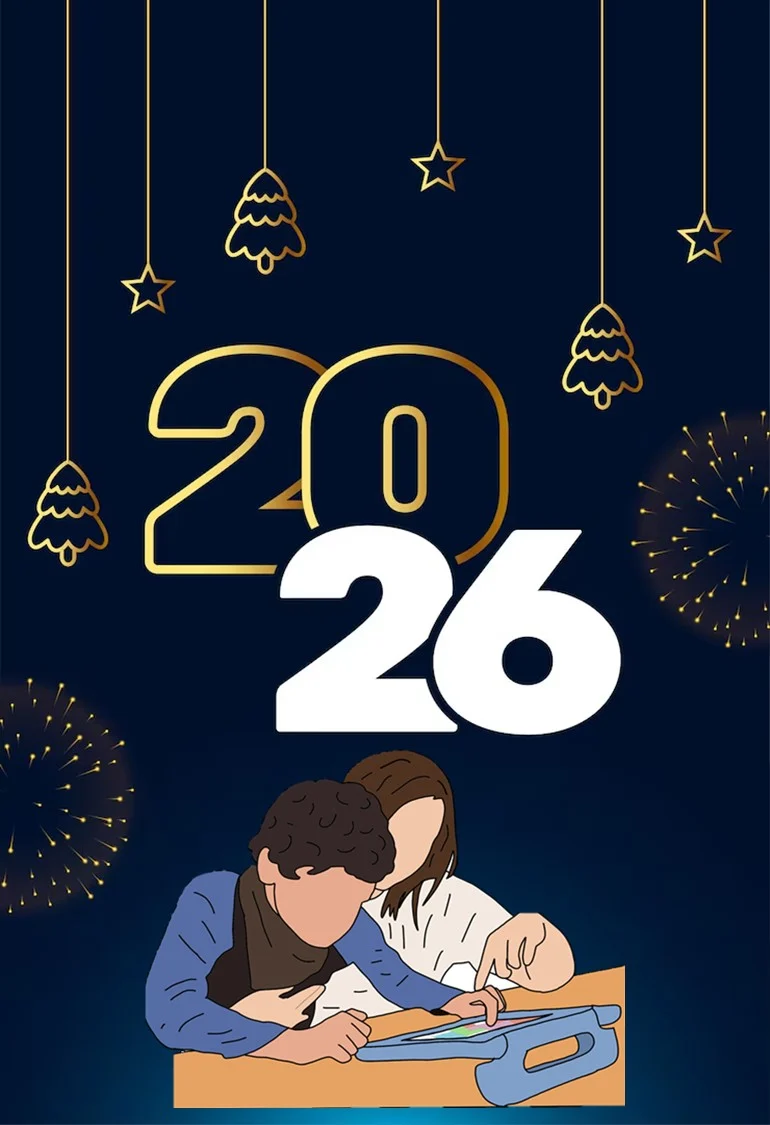
As the calendar turns to 2026, the global landscape of Augmentative and Alternative Communication (AAC) is undergoing a significant transformation, with the Spanish-speaking community emerging as a primary driver of innovation, advocacy, and clinical progress. This month marks a collaborative milestone for PrAACtical AAC, which continues its commitment to bridging the linguistic divide in assistive technology by hosting monthly contributions from guest author Claudia Marimón. These efforts are designed to harmonize the dissemination of evidence-based practices across borders, ensuring that families, educators, and clinicians in Latin America, Spain, and the United States have equitable access to the same high-quality resources.
The Evolution of AAC in the Hispanic World
The field of AAC—which encompasses tools such as speech-generating devices, communication boards, and sign-based systems—has historically been dominated by English-language research and software development. However, the last decade has seen a concerted effort to decolonize these resources. Recent data from the International Society for Augmentative and Alternative Communication (ISAAC) indicates a 22% increase in the adoption of AAC systems in Spanish-speaking regions since 2020. This growth is attributed to increased government mandates for inclusive education in countries like Argentina, Chile, and Mexico, as well as the rise of digital tele-practice platforms that allow specialists to consult remotely.
The movement is not merely technological; it is deeply rooted in the philosophical shift toward the "Social Model of Disability." This framework argues that the barrier is not the individual’s impairment, but the environment’s failure to accommodate their communication needs. By emphasizing that all individuals have a fundamental right to communicate, regardless of their neurological or physical profile, advocates are pushing for a paradigm shift that moves beyond clinical "outcomes" and toward genuine communicative autonomy.
A Chronology of Collaborative Advocacy
The partnership between international advocates and platforms like PrAACtical AAC began in earnest during the late 2010s, as social media allowed for the rapid formation of grassroots support groups.
- 2021-2022: Initial formalization of digital networks connecting Spanish-speaking speech-language pathologists (SLPs) and families. The primary focus was the translation of core vocabulary boards to account for regional dialectal variations, such as the distinct differences in verb conjugation and noun usage between Spain and various Latin American countries.
- 2023-2024: Development of standardized training modules for school systems. This period saw the integration of AAC into national curriculum frameworks in several South American nations, specifically targeting the professional development of general education teachers who often lacked experience with multimodal communication.
- 2025: The year of "Global Connectivity." Major software manufacturers began prioritizing the release of robust, high-quality Spanish-language voice synthesizers, moving away from the robotic, low-fidelity voices of the past toward more natural-sounding, culturally appropriate regional dialects.
- 2026: The current year represents the transition from infrastructure building to community empowerment. The focus has shifted toward "lived experience," where the insights of AAC users themselves are being prioritized over top-down clinical directives.
Analyzing the Impact: Modeling and Linguistic Justice
A central tenet of the current advocacy movement is the concept of "modeling." Clinical research has consistently demonstrated that individuals who use AAC require exposure to a language-rich environment where they see their own communication tools being used by others. This process, known as Aided Language Stimulation, is the most effective way to foster language acquisition.
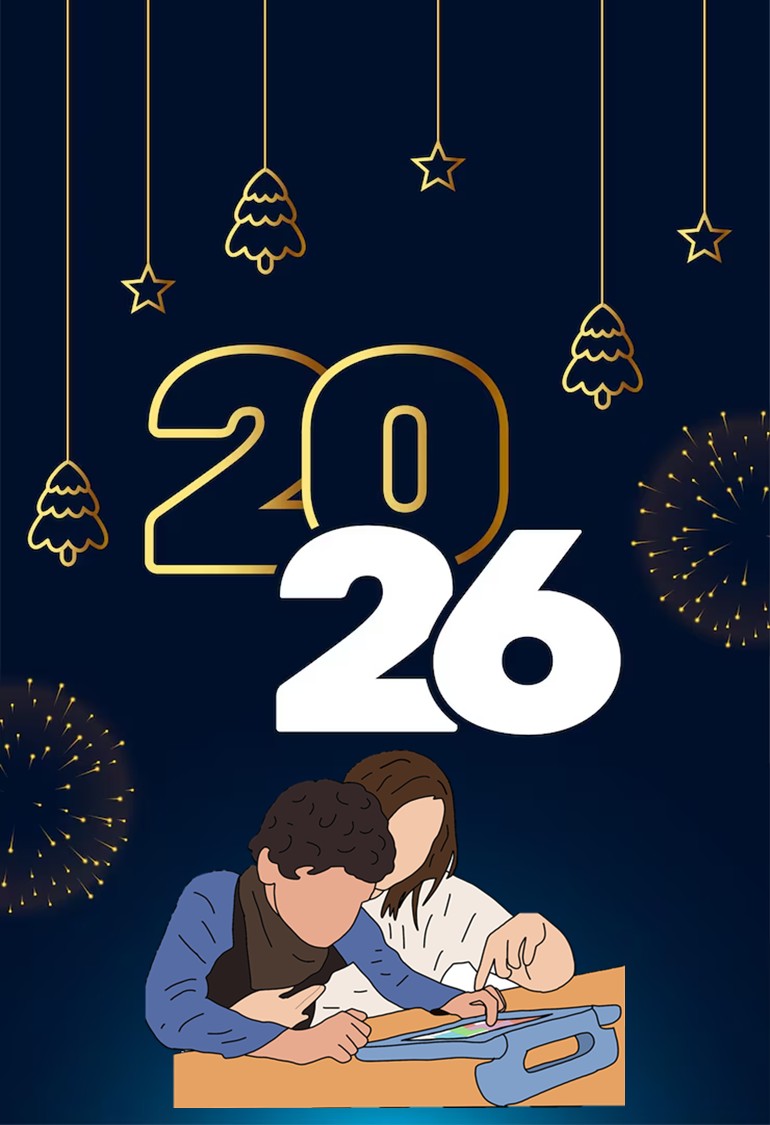
The current challenge, according to industry analysts, is a cultural one: shifting the perspective of the communication partner. For decades, the pressure was on the user to "succeed" at using a device to meet a specific goal. The 2026 mandate for the Spanish-speaking community is to "model more and demand less." By reducing the pressure to perform and increasing the availability of communication opportunities in the home, schools, and public spaces, the community aims to remove the "performance anxiety" that often hinders progress for AAC users.
Furthermore, the integration of AAC is not a replacement for speech, but an expansion of the individual’s ability to participate in society. Economic studies suggest that individuals who are provided with effective communication systems show a significantly higher rate of educational attainment and eventual employment, thereby reducing long-term public expenditures on disability support services.
Official Perspectives and Community Engagement
Industry leaders have noted that the success of these initiatives relies heavily on the "community of practice" model. By pooling resources—such as the creation of free, downloadable communication templates and the sharing of "success stories" that highlight the nuances of daily life—the community creates a self-sustaining ecosystem of support.

Claudia Marimón, a leading voice in this movement, emphasizes that the goal for 2026 is to solidify these networks. "The New Year is not just a change of calendar," she notes. "It is an opportunity to renew our commitment to communication that is more just, more human, and more inclusive."
For professionals and families looking to contribute to this growing body of knowledge, the call to action is clear. Whether through the documentation of clinical case studies, the translation of technical manuals, or the simple act of sharing personal anecdotes about communication breakthroughs, there is a legitimate space for every stakeholder. To facilitate this, the community has established direct channels for participation, inviting individuals to share their experiences at [email protected] or via social channels such as @buenaspracticasdecaa.
Future Implications for Inclusive Policy
As 2026 progresses, the broader implications for the field are twofold. First, there is the technological imperative: the need for continued investment in Artificial Intelligence (AI) to improve predictive text features in Spanish, which remains less sophisticated than its English-language counterparts. Second, there is the socio-political imperative: the need for legislation that mandates AAC access as a basic human right, equivalent to the right to education or healthcare.

The success of the Spanish-speaking AAC community serves as a blueprint for other linguistic groups. By proving that a decentralized, community-led model can effectively disseminate high-quality clinical information, the movement is providing a roadmap for global equity in assistive technology. As more users gain access to their own voices, the ripple effects are expected to permeate local communities, fostering a more inclusive society where communication is defined by the exchange of ideas rather than the method of delivery.
In summary, the trajectory for 2026 is one of intentional, community-driven growth. By prioritizing the human experience of communication, the Spanish-speaking AAC community is setting a standard for global collaboration, proving that when the barriers to expression are removed, the capacity for human connection is infinite. The coming months will be critical in determining how these grassroots efforts translate into policy change and, ultimately, a more communicative, connected, and equitable world for all users of augmentative systems.