

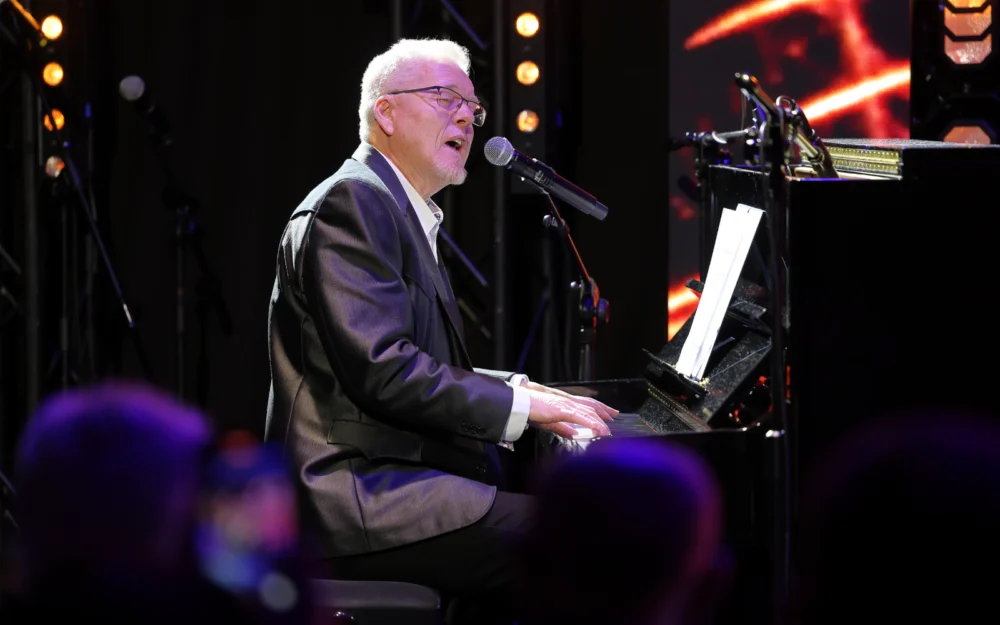
The world of music, once the very fabric of Stephen Kiely’s existence, fell silent in his left ear in April 2022. A professional musician, composer, and producer with a lifetime steeped in melody, Stephen experienced a sudden and complete loss of hearing on one side. This profound auditory void threatened to extinguish the passion that had defined him. However, through the remarkable advancements in hearing technology, specifically a MED-EL cochlear implant, Stephen has not only rediscovered the joy of listening but has also found new avenues for creating and sharing the music that continues to shape his life. This is the story of his remarkable journey back to a world of sound, a testament to human resilience and technological innovation.
The Sudden Silence: A Musician’s Crisis
Stephen Kiely’s life was intrinsically linked to music. Hailing from a family of musicians, his early years were filled with the harmonious sounds that would later become his life’s work. He cultivated a successful international career, captivating audiences through performance, enriching the sonic landscape through composition, and shaping musical narratives through production. This deep connection to sound made the sudden onset of hearing loss in his left ear a devastating blow. The experience, which he describes as a doorbell sound followed by immediate silence, occurred while he was delivering a lecture at his music school.
Initially, Stephen harbored a hope that the loss was temporary, attributing it to common ailments like blocked sinuses or ear fluid. His general practitioner prescribed treatments, but these yielded no improvement. The critical window for effective steroid treatment for sudden sensorineural hearing loss passed before he could consult with an ENT specialist, and subsequent medical interventions proved futile. The stark reality of permanent, single-sided deafness began to set in. The emotional toll of this diagnosis was significant; accepting the loss of an entire dimension of his auditory perception was a profound challenge for someone whose identity was so interwoven with sound.
The Quest for Restoration: Exploring Cochlear Implantation
As the permanence of his hearing loss became undeniable, Stephen began to explore potential solutions. The prospect of a cochlear implant, often referred to as a "bionic ear," emerged as a beacon of hope. This sophisticated device bypasses damaged parts of the ear and directly stimulates the auditory nerve, offering the possibility of restoring a significant level of hearing. The decision to pursue this path was not taken lightly, requiring extensive research and careful consideration of available technologies.
Choosing MED-EL: A Musician’s Perspective
For Stephen, a musician with a finely tuned ear, the choice of cochlear implant system was critical. He ultimately selected MED-EL, a leading innovator in hearing implant solutions. His decision was significantly influenced by MED-EL’s renowned broad frequency range, a feature particularly crucial for discerning the nuances of musical pitches and timbres. In December 2023, Stephen underwent surgery for a MED-EL SYNCHRONY 2 cochlear implant. He now utilizes two of MED-EL’s advanced audio processors: the SONNET 2 and the RONDO 3, each offering distinct advantages in terms of functionality and user experience. The SYNCHRONY 2 implant is designed for robust MRI safety, a crucial consideration for many individuals, and its advanced technology aims to deliver a more natural sound experience.
The weeks following his surgery marked the beginning of a new phase in Stephen’s auditory journey: the adjustment and rehabilitation period. This involved a series of "mapping" sessions with his audiologist. These sessions are critical for fine-tuning the electrical stimulation patterns delivered by the cochlear implant to the auditory nerve, optimizing sound perception based on the individual’s unique auditory pathways. The audiologist’s expertise and unwavering encouragement played a vital role in bolstering Stephen’s confidence, especially during moments when the newly perceived sounds felt unfamiliar or artificial. This personalized approach to rehabilitation, coupled with consistent effort, proved instrumental in his progress.
Training the Ear: A Musician’s Dedication to Relearning Sound
As a lifelong musician, Stephen understood that passive reception of sound would not suffice. He recognized the necessity of actively training his brain to interpret the signals from his cochlear implant and integrate them into a coherent auditory experience. The initial sounds he perceived through the implant were a far cry from the richness he was accustomed to. He likened the experience to listening through a low-quality microphone connected to subpar speakers, a stark contrast to the vibrant soundscapes he once navigated effortlessly.
However, Stephen’s perspective was grounded in an appreciation for the underlying technology. He marveled at the intricate process of analog sound being converted into digital signals, transmitted directly to the brain, and ultimately interpreted as meaningful sound. This profound realization fueled his determination. He committed to a rigorous listening training regimen, utilizing a suite of specialized applications such as Hearoes and Meludia. These platforms are designed to progressively retrain the auditory pathways, helping users distinguish subtle sound differences and improve speech comprehension.
Further enhancing his training, Stephen engaged in activities that provided familiar auditory references. He listened to audiobooks, meticulously following along with the written text to correlate spoken words with their visual representation. He also revisited musical pieces that were deeply ingrained in his memory, allowing him to compare the implant’s rendition with his internal auditory map. These exercises provided his brain with essential reference points, laying the groundwork for auditory reconstruction.

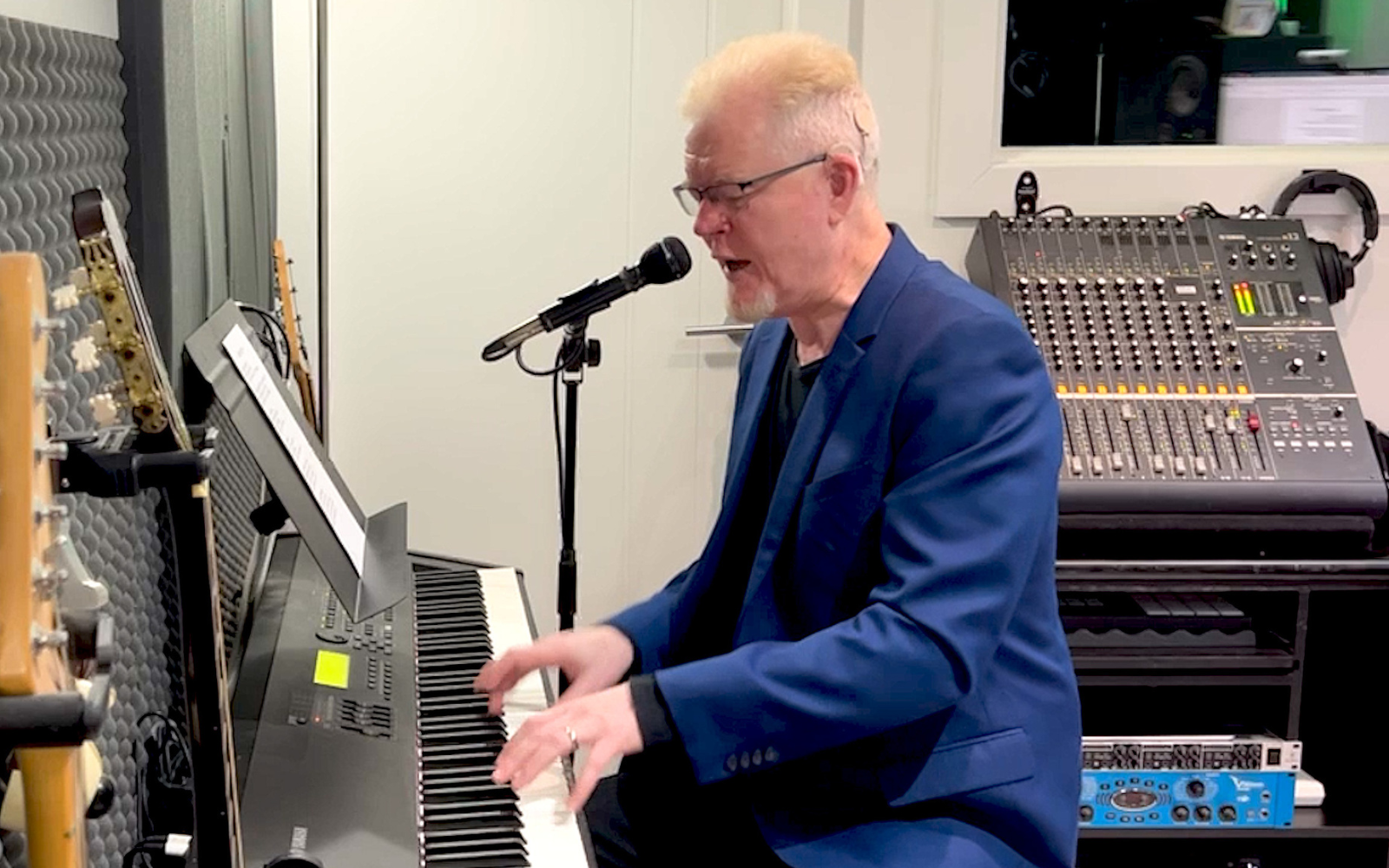
One of the most demanding yet ultimately rewarding exercises involved playing the piano through headphones. Initially, Stephen found it incredibly challenging to differentiate between musical pitches; every note seemed to register as a uniform sound. This struggle underscored the significant recalibration his auditory system needed to undergo. Yet, after months of persistent practice, a breakthrough occurred. He began to discern pitch variations, albeit incrementally. This moment of recognition was not just a triumph of technology but a profound personal victory, igniting a renewed sense of motivation to continue his rehabilitation.
The Evolving Soundscape: Music Through a Cochlear Implant
Today, Stephen’s auditory experience with music, while different from his pre-hearing loss perception, has regained its profound significance. The synergy between the sound processed by his cochlear implant and the natural hearing in his right ear creates an almost three-dimensional auditory experience. Prior to the implant, music perceived through only one ear felt flat and lacked depth. The cochlear implant, even if the sound quality isn’t identical to natural hearing, has reintroduced a crucial sense of richness and dimensionality.
While percussive elements and bass frequencies now resonate with a quality closer to his natural hearing, the perception of orchestral strings and vocals still presents a greater challenge. However, Stephen remains optimistic, recognizing that each improvement in his processor’s mapping and every dedicated hour of listening training incrementally enhances his auditory experience. This ongoing process of refinement highlights the dynamic nature of cochlear implant rehabilitation and the continuous potential for improvement.
Crucially, Stephen has also been able to resume his music production and mixing work. The cochlear implant significantly aids him in perceiving balance and textural details within his compositions. While he still relies on his intact right ear for critical listening, the combined input from both ears has largely restored the creative enjoyment he feared was lost forever. This return to active musical creation signifies a complete reintegration into his professional identity.
A Global Stage: Performing at Beats of Cochlea 2025
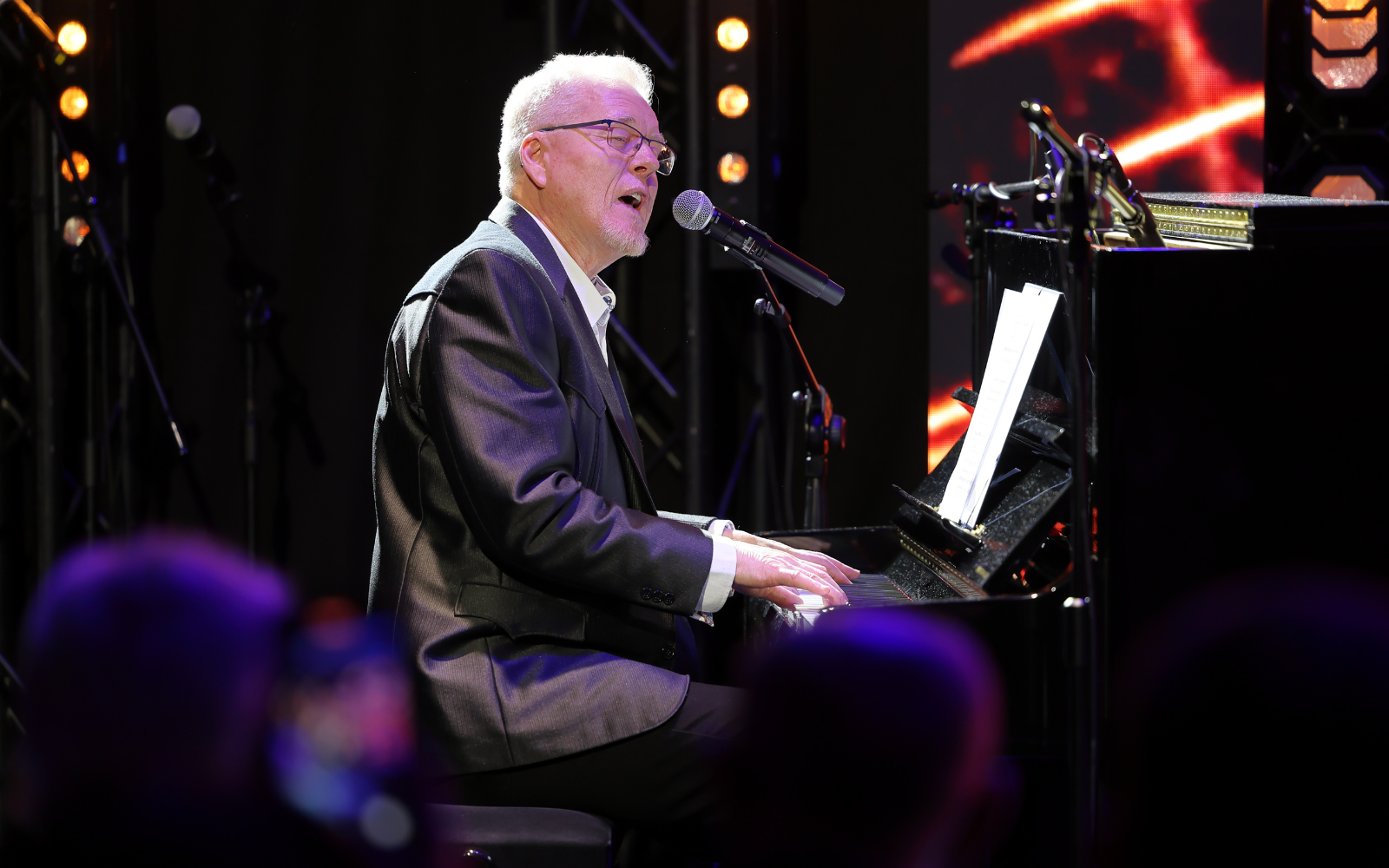
A significant milestone in Stephen’s journey was his participation in the Beats of Cochlea festival in Poland in the summer of 2025. This international gathering, organized by MED-EL, brings together individuals with hearing implants from around the world to celebrate music, share experiences, and showcase the transformative power of hearing technology. Representing Australia, Stephen performed his original song, "I Don’t Mind the Rain," on the piano and as a vocalist. This performance was an unforgettable moment, symbolizing not only his personal triumph over hearing loss but also his reconnection with the global music community.
Events like Beats of Cochlea hold immense personal value for Stephen. They serve as powerful demonstrations of music’s universal ability to transcend geographical and personal barriers, fostering connection and understanding. Furthermore, they highlight the remarkable technological advancements that enable such profound human experiences. The festival provides a platform for individuals to share their stories, inspire others, and reinforce the message that hearing loss does not have to be a barrier to living a full and creative life.
The Future of Sound: A Resonant Outlook
Stephen’s cochlear implant has been instrumental in restoring his ability to enjoy, create, and share music. He views this regained capacity as "priceless," underscoring the profound impact of hearing restoration on his overall well-being. His commitment to daily training and adaptation continues, as he actively seeks to discover new layers of auditory perception.
He eloquently articulates the profound connection between experiencing the world through sound and music, and maintaining mental well-being and appreciating life’s beauty. His cochlear implant has not merely restored a portion of his hearing; it has fundamentally revitalized his ability to live fully as a musician, an educator, and a devoted husband. This comprehensive restoration of his life’s dimensions underscores the far-reaching implications of advanced hearing solutions beyond simple auditory function.
The journey of Stephen Kiely is a compelling narrative of resilience, adaptation, and the profound impact of technological innovation. His story, from the abrupt silence that threatened to halt his musical career to his triumphant return to the stage and studio, serves as an inspiring testament to the potential of cochlear implants to not only restore hearing but to reclaim passion, purpose, and a vibrant connection to the world. His experience highlights the critical role of dedicated rehabilitation and the empowering potential of individuals to actively participate in their own auditory recovery.