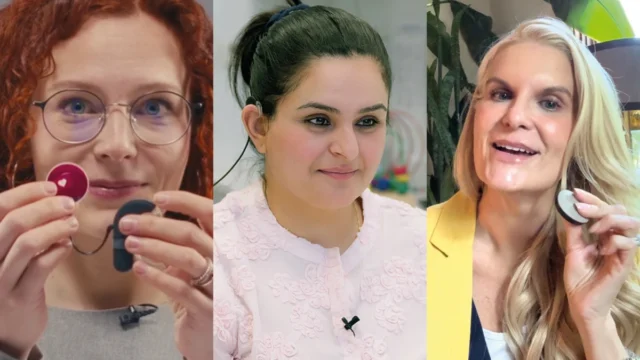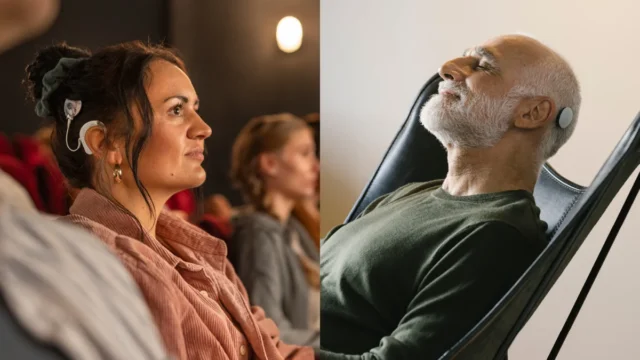

This 16-item questionnaire serves as a foundational tool, encouraging individuals to articulate what they envision a cochlear implant will mean for their daily lives. It prompts careful consideration of the myriad factors that can influence post-implantation outcomes, from individual commitment to environmental support systems. By engaging with these questions, candidates can cultivate a clearer insight into what progress might realistically look like and, crucially, identify proactive steps they can take to optimize their auditory experience and achieve their best possible hearing. The subsequent analysis of responses against established knowledge of the cochlear implant process aims to bridge any potential gaps between aspiration and reality, fostering informed decision-making and setting realistic benchmarks for success.
Understanding the Cochlear Implant Journey: A Comprehensive Overview
Cochlear implants are sophisticated electronic devices that bypass damaged parts of the ear and directly stimulate the auditory nerve, offering a potential solution for individuals with severe to profound sensorineural hearing loss who do not benefit sufficiently from conventional hearing aids. The decision to pursue cochlear implantation is significant, involving a rigorous evaluation process, surgical implantation, and a subsequent period of intensive auditory rehabilitation.
The timeline for a cochlear implant journey typically begins with an audiological assessment to determine candidacy. This is followed by medical and surgical consultations, leading to the implantation surgery itself. Post-surgery, a period of healing is observed before the external components of the cochlear implant are activated, a process often referred to as "switch-on." This activation marks the beginning of the most intensive phase: auditory rehabilitation. This rehabilitation program is crucial for training the brain to interpret the new auditory signals. It involves a combination of speech-language therapy, audiology appointments, and home-based listening practice. The duration and intensity of this rehabilitation vary significantly among individuals, influenced by factors such as age at implantation, duration of hearing loss, underlying causes of hearing loss, and the individual’s commitment to therapy.
The Expectations Questionnaire: A Tool for Informed Anticipation
The 16-item questionnaire is structured to address key aspects of the cochlear implant experience, moving from practical considerations to the nuances of auditory perception and social integration. Each item is designed to prompt thoughtful reflection, encouraging a dialogue between the candidate, their family, and their audiology team.
1. I will need to wear the external device all waking hours.
This statement addresses the necessity of consistent device use for optimal benefit. While it is generally recommended that the external processor be worn for as much of waking hours as possible, especially in the initial stages of rehabilitation, there may be specific circumstances where temporary removal is appropriate. The goal is to maximize the brain’s exposure to auditory input, facilitating neural adaptation and the development of listening skills. The commitment to wearing the device consistently is a significant factor in the success of cochlear implantation.
2. I will take some time adjusting to listening with my cochlear implant.
This statement acknowledges the inherent learning curve associated with cochlear implantation. The brain is receiving a new type of auditory signal, and it requires time and dedicated effort to interpret these signals effectively. The adjustment period can range from weeks to months, and during this time, individuals may experience a variety of auditory sensations, some of which may initially be unfamiliar or even startling. Patience, perseverance, and consistent auditory training are vital during this adjustment phase.
3. I will need to participate in listening training.
This is a fundamental aspect of cochlear implant rehabilitation. Listening training, also known as auditory rehabilitation or auditory training, is essential for developing and refining auditory perception and speech understanding. These programs are typically tailored to the individual’s needs and may involve a variety of exercises designed to improve sound awareness, discrimination, identification, and comprehension. The active and consistent participation in these training sessions is directly correlated with improved outcomes.
4. I will need support from others at home to develop listening.
Family and caregiver support plays an indispensable role in the cochlear implant journey. Home-based practice, encouragement, and participation in listening activities can significantly enhance the effectiveness of formal therapy. Support networks can help create an environment conducive to listening practice, provide emotional encouragement, and assist with device management. The collaborative effort between the individual, their clinical team, and their home support system is a cornerstone of successful rehabilitation.
5. I will hear quiet sounds.
Cochlear implants are designed to restore a range of audibility, which can include quieter sounds that were previously inaudible. However, the ability to hear very soft sounds may vary depending on the individual’s specific hearing loss, the implant technology, and their rehabilitation progress. While improved audibility is a key benefit, the perception of quiet sounds is an ongoing area of development during auditory training.
6. I will be able to locate where sounds come from.
Sound localization, the ability to determine the origin of a sound, is a complex auditory skill that can be challenging for individuals with hearing loss. While cochlear implants can contribute to improved sound localization, especially with bilateral implantation, it is often a skill that requires dedicated training and practice. The brain needs to learn to interpret the cues provided by the implant to accurately pinpoint sound sources.
7. I will hear like others who have typical hearing.
This statement often reflects a common aspiration but requires careful management of expectations. While cochlear implants can provide significant improvements in hearing and communication, they do not restore hearing to a "normal" level. The auditory experience with a cochlear implant is different from unaided typical hearing. The goal of implantation is to provide functional hearing that enables participation in daily life and communication, rather than replicating the auditory experience of someone with typical hearing.
8. I will understand what people say without having to lipread.
The ability to understand speech without relying on lipreading is a primary goal for many cochlear implant recipients. With successful rehabilitation, many individuals can achieve a significant level of speech understanding through auditory input alone. However, the degree to which lipreading becomes unnecessary can vary. Factors such as the duration of pre-implantation deafness, the effectiveness of rehabilitation, and the listening environment can all influence this outcome.
9. I will be able to understand what people say without needing repetition.
Reduced reliance on repetition is a strong indicator of improved speech understanding. As auditory skills develop, recipients become more adept at comprehending spoken language in various situations, leading to a decrease in the need for individuals to repeat themselves. This is a key milestone in the rehabilitation process, signifying enhanced communication independence.
10. I will understand people when there is background noise.
Understanding speech in noisy environments is one of the most significant challenges for individuals with hearing loss, even with hearing aids. Cochlear implants, particularly with advanced signal processing technologies, can offer improvements in this area. However, understanding speech in background noise often remains a challenging aspect of auditory perception and may require ongoing training and adaptation. The ability to filter out competing sounds and focus on speech is a sophisticated auditory skill.
11. I will follow a conversation with a group of people.
Engaging in group conversations presents unique auditory challenges due to multiple speakers and varying sound dynamics. While cochlear implants can enhance the ability to participate in group discussions, it is often one of the more difficult listening situations. Success in this area is typically achieved through advanced auditory processing skills developed over time with consistent rehabilitation.
12. I will be able to improve my speech skills if they are currently a concern.
For individuals who have experienced speech difficulties due to hearing loss, cochlear implantation can offer a significant pathway to improvement. By providing access to clearer auditory feedback, the implant can help individuals refine their articulation, intonation, and overall speech clarity. Speech therapy, often in conjunction with audiology services, is crucial for maximizing these gains.
13. I will be able to improve my language skills if currently are a concern.
Similar to speech skills, language development and comprehension can be positively impacted by cochlear implantation, especially in children who are implanted at a young age. The enhanced auditory input can support the acquisition and refinement of vocabulary, grammar, and overall language proficiency. Early intervention and consistent therapy are key to maximizing these benefits.
14. I will enjoy music.
The perception and enjoyment of music are subjective and can vary widely among cochlear implant users. While some individuals report a significant improvement in their ability to appreciate music, others find it more challenging to interpret the complex nuances of musical sound. Advances in implant technology and signal processing have improved music perception for many, but it remains an area where individual experiences differ.
15. I will be able to use the telephone.
Successful telephone communication is a significant functional outcome of cochlear implantation for many individuals. The ability to engage in clear and comfortable conversations over the phone is a testament to improved speech understanding and auditory processing. This capability is often a primary motivator for seeking implantation and a significant indicator of successful rehabilitation.
16. I will continue to wear a hearing device in the other ear, if available.
For individuals with hearing loss in both ears, bilateral cochlear implantation or a cochlear implant in one ear and a hearing aid in the other (bimodal stimulation) can offer significant advantages. Bimodal stimulation can enhance sound localization, improve speech understanding in noise, and provide a more natural auditory experience. This statement acknowledges the potential benefits of combined hearing solutions.
Data-Driven Insights and Clinical Perspectives
Research consistently underscores the importance of setting realistic expectations in cochlear implant rehabilitation. Studies have shown a strong correlation between realistic expectations and patient satisfaction, adherence to rehabilitation protocols, and overall outcomes. For instance, a review published in the Journal of the American Academy of Audiology highlighted that individuals with higher initial expectations regarding speech understanding in noise often report greater dissatisfaction if these expectations are not met, even if significant objective improvements are achieved. Conversely, those who understand the rehabilitative process and potential limitations tend to report higher satisfaction.
Furthermore, data from organizations like the National Institute on Deafness and Other Communication Disorders (NIDCD) indicates that factors such as the duration of profound hearing loss prior to implantation, the age at which hearing loss began, and the presence of other health conditions can influence the trajectory of auditory recovery. For example, individuals who have been deaf for a prolonged period may require more extensive and longer-term auditory training to develop functional hearing compared to those with a more recent onset of severe hearing loss.
Clinical experts, such as Dr. Eleanor Vance, a leading audiologist specializing in cochlear implantation at a major metropolitan medical center, emphasize the proactive role of the questionnaire. "Our aim is to empower patients with accurate information from the outset," Dr. Vance stated in a recent interview. "By engaging with these questions, candidates begin to internalize the journey ahead. It’s not just about the surgery; it’s about the commitment to learning and adapting. This questionnaire serves as an early, vital step in that commitment, fostering a partnership between the patient, their family, and our clinical team."
Broader Implications and the Future of Auditory Rehabilitation
The widespread adoption of such expectation-setting tools has broader implications for the field of audiology and hearing healthcare. It signals a shift towards patient-centered care, where understanding and managing individual expectations are as crucial as the technological interventions themselves. This approach can lead to higher patient engagement, improved adherence to rehabilitation programs, and ultimately, greater success in restoring communication and improving quality of life for individuals with hearing loss.
As cochlear implant technology continues to advance, with innovations in miniaturization, signal processing, and wireless connectivity, the potential for improved auditory outcomes grows. However, the human element – the individual’s commitment, their support system, and their informed expectations – will remain paramount. Tools like the expectations questionnaire are not merely administrative forms; they are integral components of a comprehensive rehabilitation strategy, designed to guide individuals through one of the most profound sensory rehabilitation journeys available today. The ongoing dialogue initiated by such tools ensures that the path to better hearing is navigated with clarity, purpose, and a realistic understanding of the transformative potential of cochlear implantation.
MED-EL Medical Electronics, a prominent manufacturer of cochlear implant systems, recognizes the critical role of patient education and expectation management. Their commitment to providing comprehensive resources, including tools like this questionnaire, reflects an understanding that successful implantation extends far beyond the surgical procedure. It encompasses a sustained effort in rehabilitation, supported by informed and engaged individuals and their families. The company’s dedication to advancing hearing technology is matched by its commitment to supporting the holistic journey of its recipients.
The content presented on such platforms is intended for general informational purposes and should not be construed as a substitute for professional medical advice. Prospective cochlear implant candidates are strongly encouraged to consult with their physician or a qualified hearing specialist to determine the most suitable hearing solution for their specific needs and circumstances. It is also important to note that not all products, features, or indications are approved for use in every geographical region.