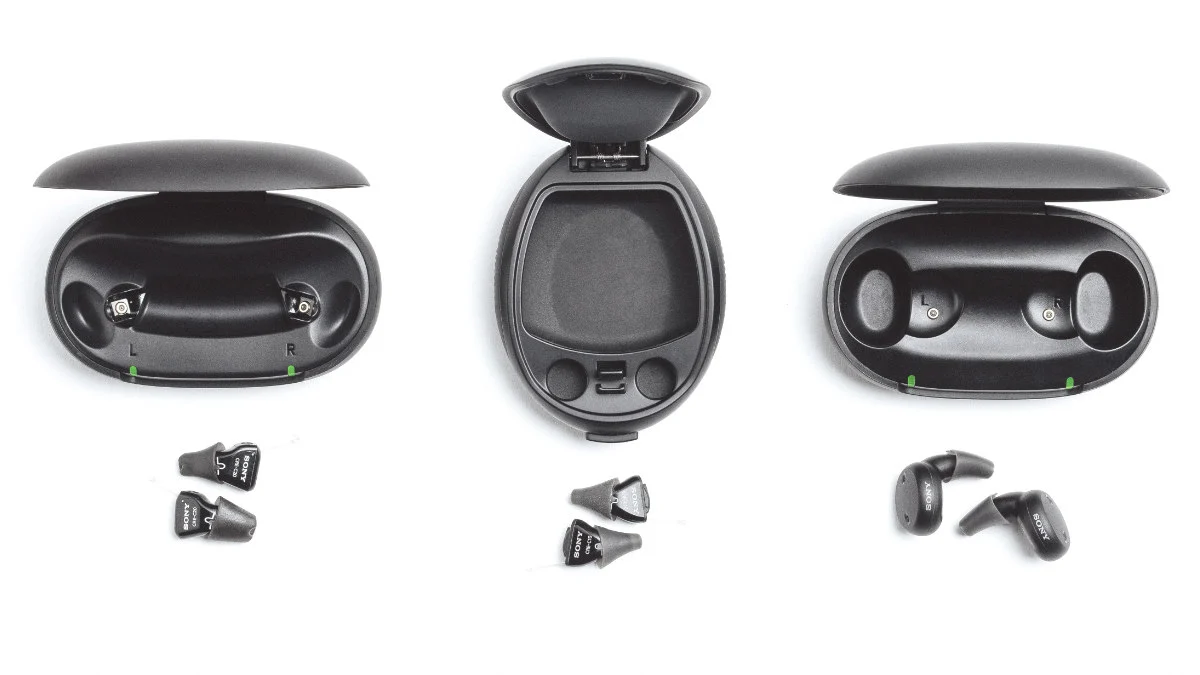
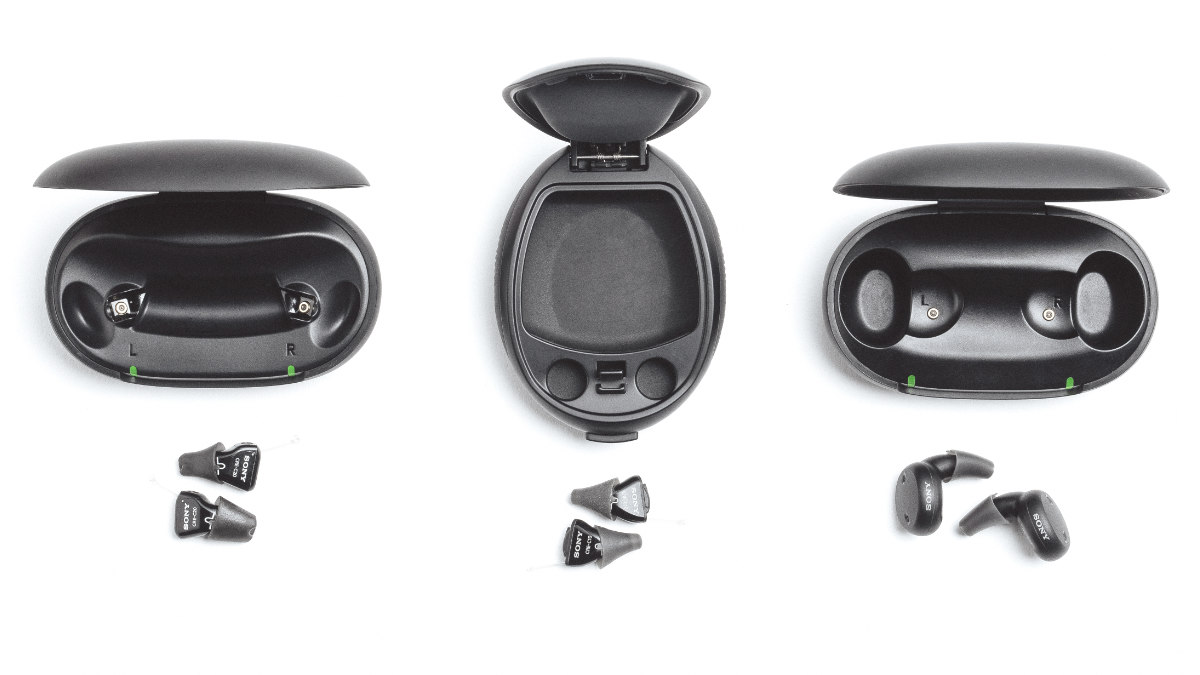
The partnership, initially lauded as a potential game-changer for mainstreaming hearing health, saw Sony introduce three distinct OTC hearing aid models: the CRE-E10, CRE-C10, and CRE-C20. These devices, developed with WSA’s technological expertise, aimed to combine Sony’s globally recognized brand appeal and extensive retail presence with WSA’s deep knowledge in audiology and hearing aid engineering. Their collective ambition was to significantly shape the nascent OTC market, which was officially established in the United States following the Food and Drug Administration’s (FDA) landmark ruling in October 2022.
The Genesis of a Partnership: High Hopes for OTC Accessibility
The journey towards accessible OTC hearing aids gained significant momentum with the FDA Reauthorization Act of 2017, which mandated the creation of an OTC category. This legislative push was driven by a compelling public health need: an estimated 30 million American adults experience hearing loss, yet only about one-fifth seek treatment. Barriers to access, primarily high costs, stigma, and the necessity of professional fitting, kept millions from addressing their hearing needs. The introduction of the OTC category was envisioned to democratize access, lower costs, and foster innovation by allowing consumers to purchase hearing aids directly without a medical exam or prescription.
Against this backdrop, the announcement in September 2022 of the partnership between Sony and WSA was met with considerable excitement. Sony, a household name synonymous with quality consumer electronics, was seen as having the potential to destigmatize hearing aids by integrating them into the broader tech ecosystem. WSA, a global leader formed from the merger of Widex and Sivantos (Signia), brought unparalleled audiological expertise and manufacturing capabilities. The synergy promised to deliver technologically advanced, user-friendly devices that could appeal to a wide consumer base, leveraging Sony’s marketing prowess and retail channels. The timing was impeccable, coinciding almost precisely with the FDA’s final OTC hearing aid rule taking effect on October 17, 2022, setting the stage for an immediate market entry.
The Sony OTC Product Lineup: Quality Meets Market Reality
Sony launched its initial lineup with a strategic diversity to cater to different user preferences. The CRE-E10, an earbud-style device, was Sony’s flagship offering, featuring audio streaming capabilities for iOS devices. It aimed to blend the functionality of a hearing aid with the familiarity and convenience of wireless earbuds, a design approach popular with tech-savvy consumers. The CRE-C10 and CRE-C20, on the other hand, were completely-in-canal (CIC) models, with the C10 utilizing disposable batteries and the C20 offering rechargeability. All three were designed as pre-set, instant-fit devices, controlled via the Sony Hearing Control App, offering 4-6 programs to personalize the listening experience.
Crucially, these devices were not found wanting in terms of performance. Independent evaluations from platforms like HearAdvisor consistently rated the Sony OTC models highly. The CRE-E10, for instance, earned the top spot among 60 OTC devices evaluated by HearAdvisor, while the CRE-C10 also achieved an impressive A SoundGrade. These positive reviews affirmed that the partnership successfully delivered on the promise of high-quality sound and effective product engineering, differentiating them from some other early OTC entrants that struggled with performance issues. Furthermore, WSA ensured robust virtual support services for purchasers, addressing a critical need for guidance in the self-fitting market.
Despite their technical merits and strong performance, the Sony OTC hearing aids faced significant commercial headwinds. Priced between $700 and $1000 per pair (CRE-C10 for $700, CRE-E10 for $900, and CRE-C20 for $1000), they occupied the upper tier of the emerging OTC market. This positioning, while reflective of their quality and advanced features, ultimately proved to be a challenging proposition for the target consumer demographic.
Official Confirmation and Transition Plan
The formal confirmation from WSA came after HearingTracker, an industry publication, observed that all three Sony OTC models had been listed as "Item no longer available" on Sony’s U.S. website for several months. This subtle yet clear indicator of a market withdrawal prompted inquiries, leading to the official statement from WSA.
According to the WSA spokesperson, while the partnership agreement will not be renewed, existing Sony OTC hearing aids will remain available for a limited period through some of WSA’s established channels. More importantly, current customers who have purchased these devices will continue to receive full warranty and service support, ensuring that their investment is protected and their hearing care needs are met during this transition phase.
From WSA’s perspective, the financial impact of the partnership’s conclusion is expected to be minimal. This suggests that while the collaboration was high-profile, its contribution to WSA’s overall revenue stream might not have met initial expectations or was overshadowed by the performance of its core prescription hearing aid brands. Despite the Sony brand exit, WSA has affirmed its intention to remain an active participant in the broader OTC market in the future, indicating a strategic recalibration rather than a complete withdrawal from the category. Their continued presence, albeit under different branding, underscores their belief in the long-term potential of the OTC segment.
Navigating a Nascent Market: The Economic Hurdles and Competitive Pressures
The departure of a high-quality product line backed by such formidable partners highlights the inherent difficulties in establishing a viable business model within the OTC hearing aid market. Several factors contribute to this challenging environment:
)
-
Price Sensitivity: The primary driver for the OTC category was affordability. While the average price for OTC hearing aids, as noted by a recent HearingTracker survey by Abram Bailey, AuD, stands at approximately $502 per pair, Sony’s offerings were significantly above this average. Consumers exploring OTC options are often highly price-sensitive, seeking a cost-effective alternative to expensive prescription devices. The $700-$1000 price point for Sony’s models, while reasonable for the technology offered, likely pushed them beyond the comfort zone of many target consumers.
-
Intensifying Competition from Consumer Electronics: The competitive landscape has rapidly evolved, with major consumer electronics brands entering the hearing enhancement space. Apple, a prime example, has integrated an FDA-authorized self-fitting hearing aid feature into its AirPods Pro 2 and 3, priced at a highly competitive $249. This move blurs the lines between premium earbuds and basic hearing assistance, setting a formidable benchmark for price and convenience that traditional hearing aid manufacturers, even those in the OTC space, struggle to match. Consumers might perceive the AirPods Pro as a dual-purpose device offering superior value for both music and hearing augmentation, effectively cannibalizing the market for dedicated, higher-priced OTC devices.
-
The "Support Paradox": While OTC devices are designed for self-fitting, consumers, particularly those with more significant or nuanced hearing loss, often require a degree of guidance and follow-up support. Companies like Sony/WSA, Jabra Enhance, and Lexie/Eargo have invested in robust online support services. However, providing sophisticated tech combined with comprehensive online support at a price point that competes with ultra-low-cost alternatives becomes economically challenging. Consumers willing to pay $700-$1000 might also expect a level of personalized care that borders on what is offered by prescription hearing aid providers, creating a "guidance gap" where the OTC model struggles to fully satisfy expectations. The value proposition of a professionally supported prescription device at a slightly higher cost might become more appealing if the self-service OTC options still require significant financial outlay.
-
Retail Distribution and Consumer Education: Despite Sony’s brand recognition, effectively reaching and educating the diverse OTC consumer base remains a hurdle. Traditional retail channels may not be adequately equipped to handle the unique needs of hearing aid sales, which often involve consultations and fitting assistance. Online sales, while convenient, require significant marketing investment to cut through the noise and establish trust for a product that is still relatively new to mainstream consumer electronics.
A Growing List of Departures: High-Quality Products Exit
Sony’s exit adds another notable name to a growing list of higher-quality OTC hearing products that have been discontinued in recent years. This trend includes Sennheiser Conversation Clear Plus, Jabra Enhance Plus, and Nuheara’s IQbuds2. Each of these products brought innovative features, strong brand backing, and often received positive reviews for their performance. Their withdrawal collectively paints a picture of a market segment where even well-engineered, reputable devices struggle to find sustainable commercial footing if their pricing exceeds a certain threshold or if their value proposition isn’t clearly distinguishable from increasingly capable mainstream consumer electronics. This pattern suggests that while the FDA’s intent was to open the market to innovation and competition, the economic realities of consumer electronics pricing and expectations are significantly impacting market viability for traditional hearing aid manufacturers.
The Broader Landscape of Hearing Care and WSA’s Strategic Recalibration
The broader takeaway from the Sony-WSA partnership dissolution is not necessarily that OTC hearing aids have failed as a concept. Rather, it underscores that the market is still in its nascent stages, undergoing rapid evolution and intense pressure to define its identity and value proposition. The segment is proving particularly challenging for devices priced near the upper end of the OTC spectrum, which cater to consumers who may still be seeking more guidance, more extensive follow-up, and long-term support. For these consumers, the line between a premium OTC device and an entry-level prescription hearing aid becomes blurred, making the decision-making process complex.
)
WS Audiology, despite the conclusion of its Sony partnership, remains committed to the OTC segment as part of its overarching hearing care strategy. This indicates a recognition of the long-term potential of the market, driven by the sheer prevalence of untreated hearing loss and the demographic trends pointing towards an aging global population. However, their future involvement will likely entail a different approach, possibly through their own brands or new partnerships that better align with the evolving market economics and consumer expectations.
WSA’s recent quarterly updates, such as their Q1 FY 2025/26 Interim Financial Report, have highlighted ongoing U.S. market softness and a continued emphasis on profitability and new product launches across its core prescription brands, Widex and Signia. This strategic focus suggests a disciplined approach to capital allocation and market engagement, where ventures, even high-profile ones like the Sony partnership, must demonstrate clear paths to sustainable profitability. The experience with Sony OTC may inform future product development, pricing strategies, and distribution models within WSA’s broader portfolio, potentially leading to more targeted and cost-effective OTC offerings under different banners.
Implications and Future Outlook
The termination of the Sony-WSA partnership carries several significant implications for the future of the OTC hearing aid market:
- Reinforced Price Pressure: The market will likely continue to gravitate towards lower price points, forcing manufacturers to innovate in cost reduction while maintaining quality, or to clearly differentiate their higher-priced offerings with unparalleled features and support.
- The "Consumer Electronics" Effect: The success of devices like Apple AirPods Pro in providing basic hearing augmentation will continue to challenge dedicated OTC hearing aid manufacturers. Future OTC products may need to integrate more seamlessly with existing consumer electronics ecosystems or offer compelling functionalities beyond pure hearing assistance.
- Refined Value Propositions: Manufacturers of premium OTC devices will need to articulate a clearer value proposition that justifies their higher price points, possibly by emphasizing advanced features, superior sound processing, robust support models, or a blend of medical device efficacy with consumer electronics aesthetics and convenience.
- Industry Consolidation and Strategic Shifts: The challenges faced by major players like Sony and WSA might lead to further consolidation or strategic exits in the OTC space. It could also encourage more innovative business models, perhaps focusing on subscription services for support or modular upgrade paths.
- Consumer Education Remains Key: There is an ongoing need to educate consumers about the differences between various types of hearing assistance (PSAPs, basic OTC, advanced OTC, prescription aids) to manage expectations and guide them towards the most appropriate solutions for their specific needs.
In conclusion, the end of the Sony-WSA partnership, while marking the conclusion of a highly anticipated venture, serves as a crucial learning point for the nascent OTC hearing aid market. It underscores that even with strong branding, cutting-edge technology, and robust support, success is not guaranteed in a market defined by intense price competition, evolving consumer expectations, and the formidable entry of mainstream consumer electronics. The path to truly accessible and widely adopted hearing care through the OTC channel remains fraught with challenges, requiring continuous innovation, strategic adaptation, and a deep understanding of consumer psychology and market dynamics. WSA’s commitment to the OTC market, despite this setback, suggests that the journey towards making hearing health more mainstream will continue, albeit with refined strategies and renewed determination.